

One M*A*S*H Star Was Happy With The Changes The TV Show Made
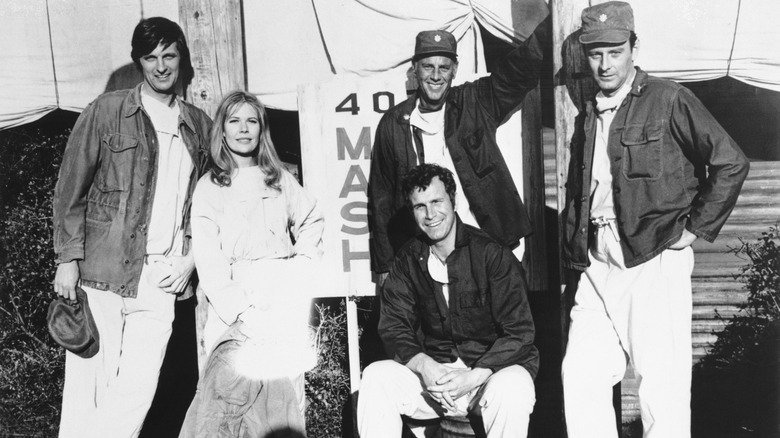
While the 1970s and early '80s sitcom "M*A*S*H" is by far the most famous piece of media to wear that name these days — and for decades — it was the third version of the Korean War medical comedy/drama. The original "M*A*S*H" was a 1968 novel by Richard Hooker called "MASH: A Novel About Three Army Doctors," which was then adapted into a film called "M*A*S*H" two years later. The CBS comedy series, which frequently leaned more to the side of drama over the course of its immensely popular 11-season run, premiered in 1972.
Between the three versions, there are a lot of differences — many simply demanded by the changes in medium and format. The show, by nature of how TV works, was able to conduct long-term character arcs and cover a wide range of material, from the horrors of war and criticisms of the military-industrial complex to meditations on loneliness, family, and love — al amidst the comedy that made up the meat of the series. While not every storyline in "M*A*S*H" has held up over the decades, it was politically subversive in its day and remains an all-time classic of American television. But while it shared a lot with the film that preceded it, it also made some of its own changes right from the start — changes that star McLean Stevenson, who played Lieutenant Colonel Henry Blake on the first three seasons of the show, appreciated.
In particular, Stevenson appreciated that the show more faithfully adapted the original book than the movie, even though the TV series used all of the same visual trappings as the film. For him, that meant a more respectful, compassionate portrait of the doctors at the 4077th M*A*S*H unit, as well as efforts to distance them from the U.S. military.
McLean Stevenson appreciated that M*A*S*H stayed true to the book
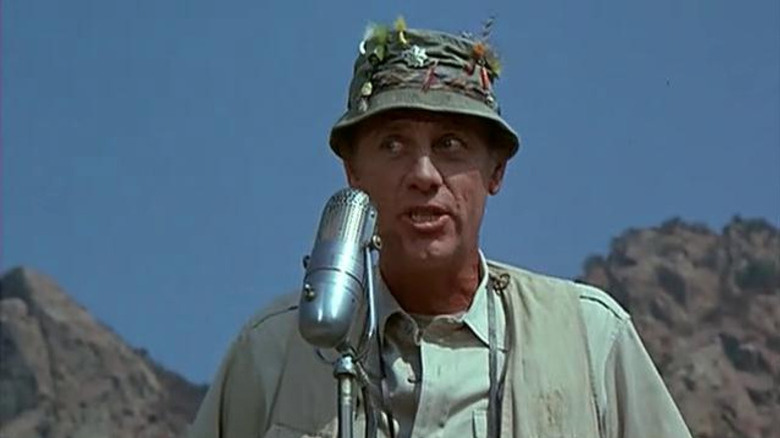
In a 1973 interview with The Columbus Ledger, reprinted in part by MeTV, Stevenson explained that the show made three major changes from the movie, all of which helped it stay more loyal to Hooker's original novel.
"First," Stevenson said, "the surgeons are highly skilled in the book and in the series. They are not in the movie." Keeping this true helped give the series a grounding of respect for the army doctors it portrayed and their work, even as the writing often dipped into absurd comedic territory. "Second, in the series, any joke in the operating room is strictly between the doctors. In the movie some of the jokes were directed at the patients." Again, this makes sense, given that while the show was highly critical of America's military presence in Korea — also an allegory for Vietnam during the years when it was actually airing on TV — the aim was never to punch down.
"Third," Stevenson added, "we all wanted to be drafted, as everyone in the book was. In the movie they made Col. Blake a regular Army man." This makes sense as a way to keep true to the original source material, but it also helps ground the political themes of "M*A*S*H." The majority of characters at the 4077th are there involuntarily, and while they sacrifice immensely to save lives, their status as draftees emphasizes the absurd elements of the war that the show works hard to drive home.
The foundation of M*A*S*H led to a long, acclaimed run
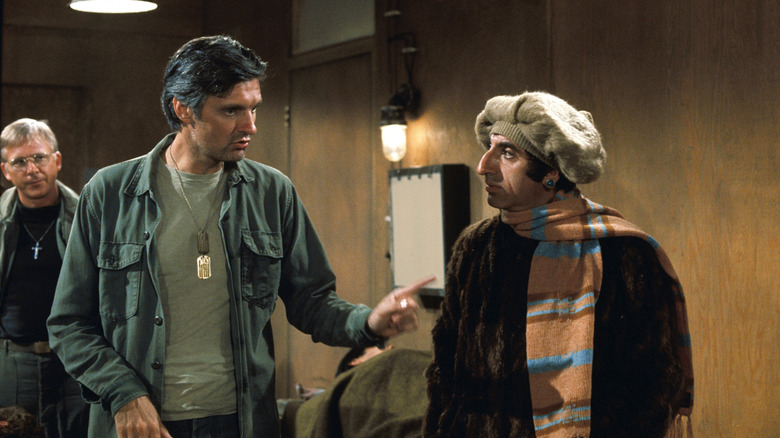
While McLean Stevenson felt it was important for his character, as well as the other core characters on "M*A*S*H," to be draftees and not regular army doctors, his replacement on the show — Harry Morgan's Colonel Sherman T. Potter — was the latter. A career military man, Potter brings a different energy to the commanding officer's seat in the camp, but the show pulls a lot of interesting storylines from his own unique relationship to war and the military.
Because of how long the show ran, many of the original characters were gradually replaced, allowing room for fresh perspectives on the show's subject matter. Antagonist warmonger Frank Burns (Larry Linville) was replaced by Major Charles Emerson Winchester III, a rich Bostonian and would-be draft dodger who gets some of the best storylines in the show's later seasons due to a fantastic performance from actor David Ogden Stiers.
All told, the show's balance of empathy, comedy, and selective drama made the show the success it was — a balance whose importance McLean Stevenson understood very early on. "M*A*S*H" may have premiered over 50 years ago, but it remains a central piece of American television canon.