

12 Best TV Shows Like Apple TV's Foundation
We may receive a commission on purchases made from links.
Isaac Asimov is one of the most influential science fiction authors of the 20th century, whose iconic work includes the "Foundation" series of novels. These books have since been adapted by Apple TV into a show of the same name, standing as one of the most ambitiously expansive genre series around. "Foundation" weaves a story spanning generations, chronicling an empire's desperate effort to maintain power in the face of an impending cataclysm. That level of unabashedly hard science fiction, combined with the storytelling qualities of prestige television, is a rewarding blend for genre fans.
For viewers looking for more high-concept sci-fi, there are a number of shows to watch that feature similar themes or cosmic scopes. From relatively grounded approaches to the genre, to series that embrace the otherworldly possibilities of science fiction, there is no shortage of excellent sci-fi stories on television. Here are the 12 best shows like Apple TV's "Foundation" that you should check out next.
Star Trek: Deep Space Nine
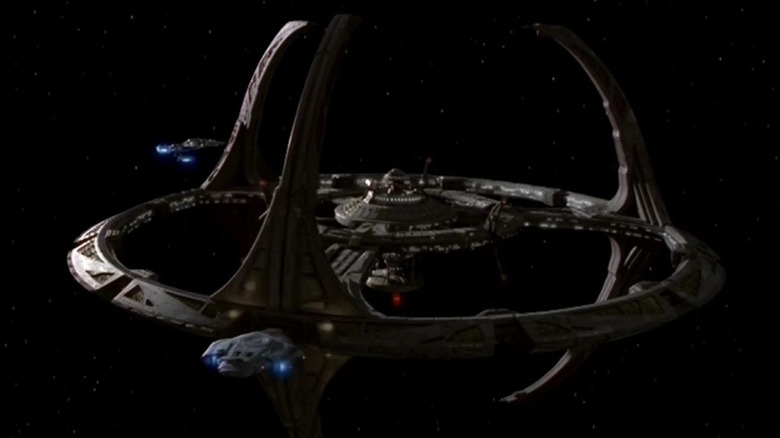
After "Star Trek: The Next Generation" successfully brought the franchise back to television in 1987, it spawned the 1993 spin-off series "Star Trek: Deep Space Nine." Unlike previous shows, the focus in "DS9" wasn't on interstellar exploration but maintaining the series' strategically eponymous space station. The installation was located near a wormhole and a region formerly and brutally occupied by the antagonistic Cardassian Union. Led by Captain Benjamin Sisko (Avery Brooks), the crew of DS9 found themselves at the focal point of the devastating Dominion War.
"Deep Space Nine" is a show that significantly improves as it progresses and finds its own distinct voice within the established franchise. Moving away from the episodic structure that previously defined "Star Trek," the series leans into interplanetary politics in a way no other show has since. This includes a heightened moral ambiguity in contrast to the presumably enlightened outlook that preceding "Star Trek" stories had taken on. With its introduction of concerted serialized storytelling to the franchise and more mature tones and themes, "Deep Space Nine" is arguably the greatest "Star Trek" of them all.
Babylon 5
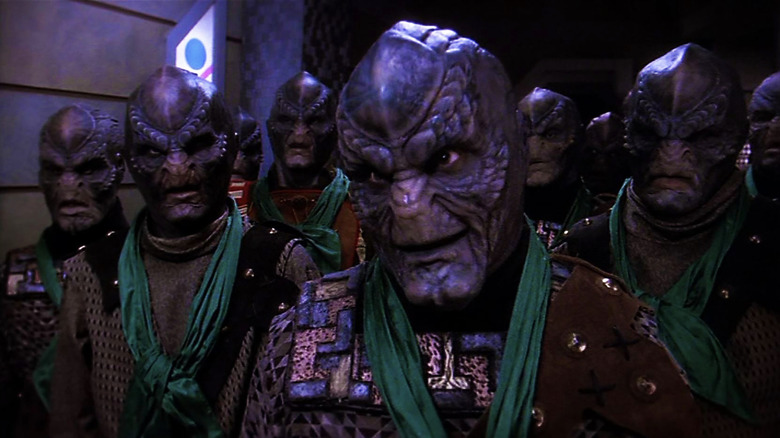
Premiering in 1993, "Babylon 5" came around when it felt like science fiction movies and television were dominated by established franchises. Created by J. Michael Straczynski, the show follows humanity as it recovers from a recent war against the extraterrestrial Minbari in the 23rd century. In the ensuing fragile peace, humanity takes command of Babylon 5, a space station housing several alien races. The coalition on the space station plays a pivotal role in conflicts throughout the galaxy, exacerbated by the Earth Alliance becoming increasingly despotic.
A '90s cult classic that spawned an entire franchise of its own, "Babylon 5" built an engrossing mythos of galactic proportions. Virtually every episode in the show feels organic in the development of the overarching narrative and main character arcs throughout the story. These elements weave a sweeping saga that carries a genuine sense of consequence as it advances. Richly told and performed, "Babylon 5" is the sort of unapologetic sci-fi storytelling that fully embraces the genre's possibilities.
Farscape
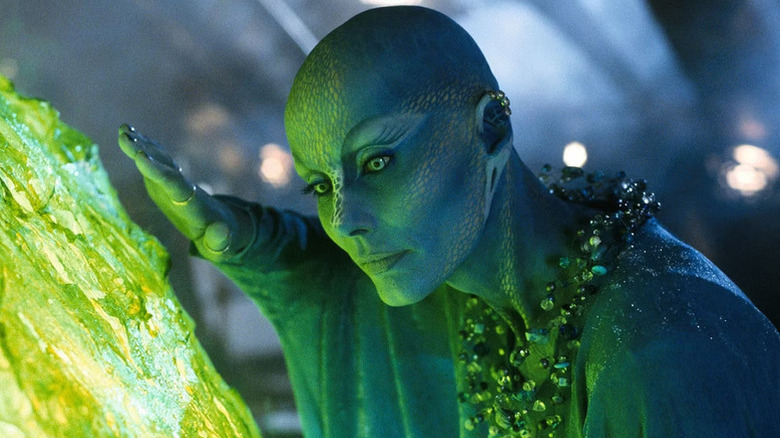
Franchises like "Star Trek" and "Babylon 5" showcase ensemble casts that gel together like a well-functioning found family against a sci-fi backdrop. The 1999 Syfy series "Farscape" went in the clear opposite direction with a dysfunctional group forming around protagonist John Crichton (Ben Browder). A 20th century astronaut, Crichton accidentally is whisked away to the other side of the universe after his ship is sucked into a wormhole. Recovered by the crew of the living ship, Moya, Crichton adjusts to the spacefaring life with new alien allies and enemies to contend with.
So much of the core appeal to "Farscape" isn't necessarily the types of adventures Crichton and his crew get into, but how they interact during these stories. The ensemble on board the Moya is indeed a messy bunch, with these interpersonal relationships fueling the underlying narrative's direction. This misfit ensemble cruising the cosmos went on to inspire James Gunn's "Guardians of the Galaxy," subverting established genre tropes. A freewheeling and refreshing approach to shows exploring the cosmic unknown with its own imaginative mythos, "Farscape" is a sci-fi property that deserves modern reappraisal.
Battlestar Galactica (2004)
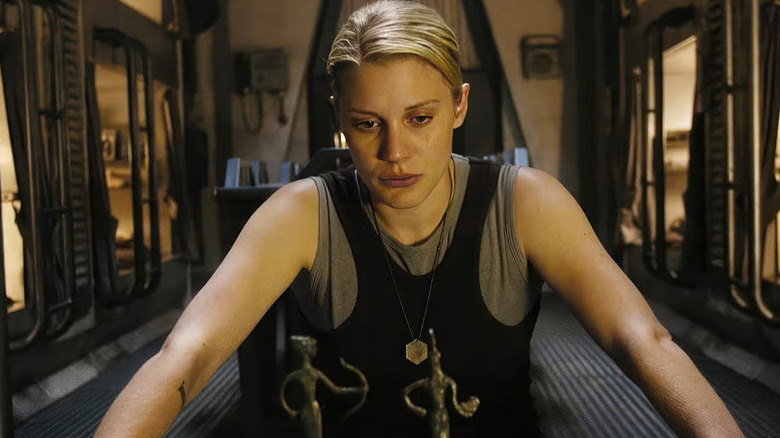
The original 1978 "Battlestar Galactica" was a campy and fun show produced in the wake of "Star Wars." Celebrated screenwriter and producer Ronald D. Moore completely reimagined the franchise in 2004, retaining the basic premise with modern sensibilities. The story starts with a vicious race of androids, the Cylons, embarking on a brutal sneak attack on their human creators, nearly wiping them out. Led by the aging warship, the Battlestar Galactica, a flotilla of ships searches for Earth to set up a new home and chance at survival.
Moore channeled some of his major storytelling frustrations from his time with "Star Trek" in rebooting "Battlestar Galactica" for the 21st century. This included a constant feeling of paranoia driven by the deceptive tactics employed by the pursuing Cylons against the surviving humans. But whereas the original show was a clumsy "Star Wars" pastiche, the 2004 iteration is an intelligently written and salient existential commentary examining everything from contemporary politics to life itself. A true masterpiece of the genre, "Battlestar Galactica" brought sci-fi into the era of prestige television, where it's been welcome ever since.
Fringe
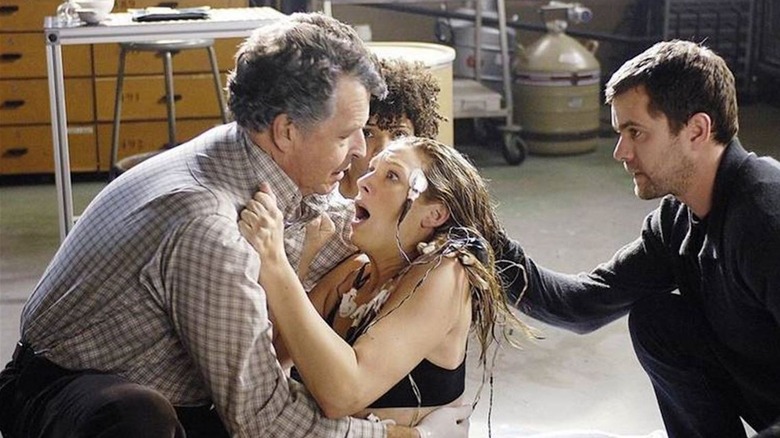
Before completely revamping "Star Trek," screenwriter and producer Alex Kurtzman co-created the network television series "Fringe" with J.J. Abrams and Robert Orci. Premiering in 2008, the show followed a special branch of the FBI known as the Fringe Division, investigating cases rooted in speculative science. A growing number of these investigations involve the existence of alternate universes poised to collide with each other and disrupt the timeline. The team is led by Phillip Broyles (Lance Reddick), with operatives Olivia Dunham (Anna Torv) and Peter Bishop (Joshua Jackson) running point on the field.
On the surface, "Fringe" looks like a modernized riff on "The X-Files," albeit one leaning more into high-concept sci-fi than alien conspiracies and the supernatural. The show gradually improves as it moves away from the genre's usual case-of-the-week formula and delves into its own premise's overarching mythology. Elevating this is the series' absolutely stacked ensemble cast, with Torv and John Noble as the particular standouts. A sci-fi adventure that only gets better the weirder it grows, "Fringe" is an underappreciated project from its creators' fan-favorite catalog.
12 Monkeys
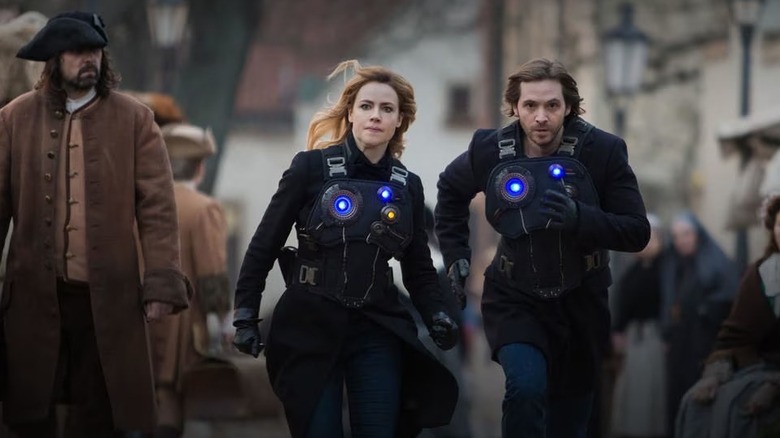
The 1995 cult science fiction thriller "12 Monkeys" serves as the loose narrative basis for the 2015 Syfy series of the same name. The show has time traveler James Cole (Aaron Stanford) go back to 2015 to prevent a virus from being unleashed that will doom humanity in a matter of decades. This cataclysm was triggered by a shadowy organization known as the Army of the 12 Monkeys, with Cole searching the past for the group's leader. Joining Cole in trying to avert doomsday is 2015 virologist Cassie Railly (Amanda Schull), as they contend with this terrorist organization together.
Crafting time travel stories and their commonly associated rules is a tricky prospect, but one that "12 Monkeys" pulls off expertly. But for all of its timeline-altering thrills, the show is still essentially one grand mystery, albeit of apocalyptic proportions. That keeps audiences guessing on how the story will unfold next and which characters will survive right through the series finale. One of the best sci-fi shows that deserved a wider audience, "12 Monkeys" provided a refreshing approach to well-worn time-bending stakes, using human history as its playground.
The Expanse
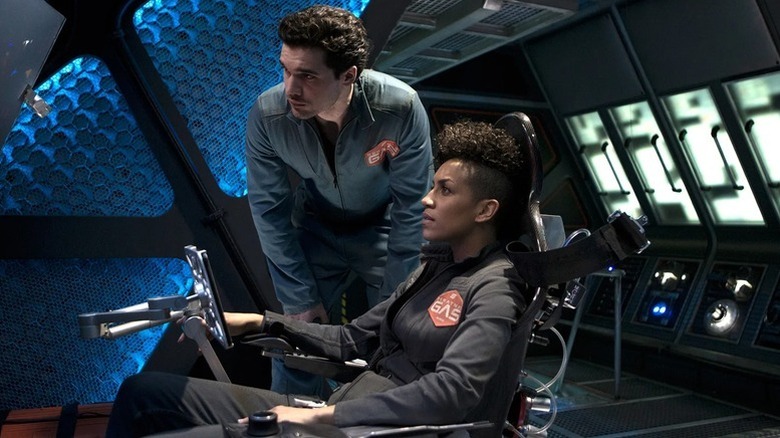
Authors Daniel Abraham and Ty Franck, under the joint pseudonym James S.A. Corey, have written more than a dozen stories set in the world of "The Expanse." The novels were adapted into a television series in 2015 (first at Syfy, then at Prime Video after its Syfy cancellation), following the growing conflict between Earth and its human colonies throughout the solar system. At the center of the story is the Rocinante, a spacefaring freighter refitted to be a small warship as the system's inner planets go to war with other factions. Amid the escalating tensions and violence is the discovery of extraterrestrial technology that could change humanity's trajectory forever.
With "The Expanse," audiences get all the intrigue and sci-fi action that comes with the premise, without ever losing its grounded main perspective. The ensemble nature of the show really lends itself well to the story's sheer scope, upping the stakes while keeping its emotional focus clear. The series is an extraterrestrial thriller, a neo-noir mystery, and a war story all at once, with these disparate elements meshing seamlessly. One of the most scientifically accurate shows around, "The Expanse" is an underrated standout in the sci-fi genre.
Westworld
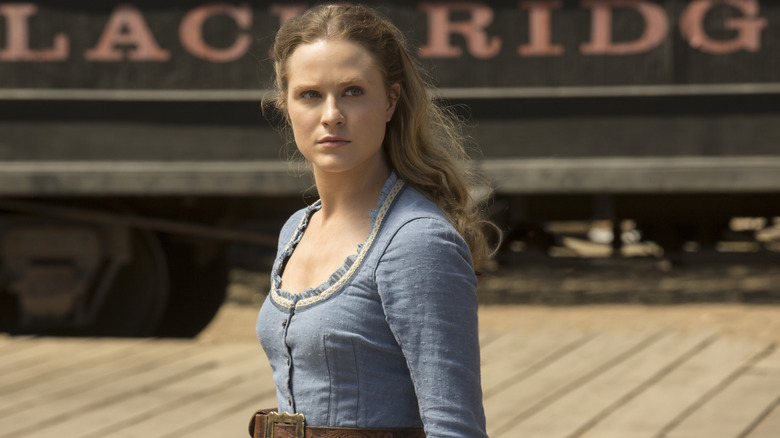
Best-selling author Michael Crichton wrote and directed the 1973 sci-fi Western "Westworld," which was adapted for television by Jonathan Nolan and Lisa Joy. The HBO series retains the core premise of a near-future that features an elaborate system of theme parks populated by life-like androids initially unaware of their synthetic nature. Among the parks is one based on the 19th century Wild West, with the android hosts' memories regularly wiped to accommodate new guests. When farmer android Dolores Abernathy (Evan Rachel Wood) retains her memories and gains autonomy, she leads an escape from the park and a full-on revolution.
"Westworld" plays out like a puzzling mind game, adding new layers of intrigue as the story scales up. What starts out as a carefully maintained amusement park run dangerously amok expands into a battle between humanity and synthetic life, along with the repeating cycles of oppression. Nolan and Joy weave in heady themes of existentialism, self-actualization, and the dueling natures of freedom and control while packing in plenty of sci-fi action. Though the show ended abruptly ahead of its planned fifth season, the existing seasons remain a riveting watch, and hopefully the story will get the conclusion it deserves.
For All Mankind
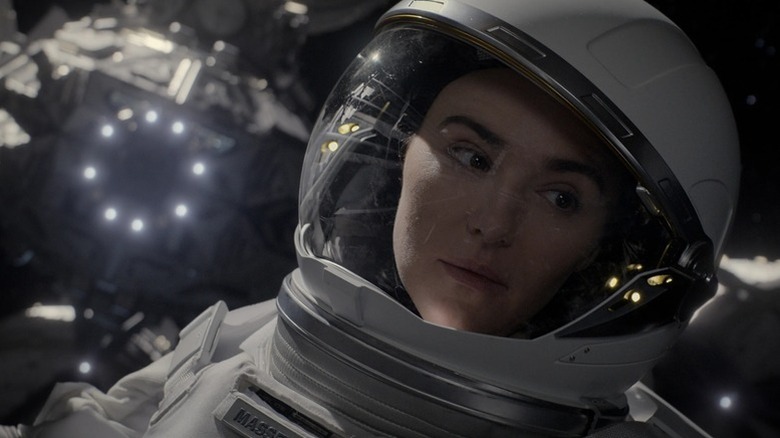
As far as alternative history shows go, it doesn't get any better than "For All Mankind," which launched with Apple TV in 2019. The show imagines a space race where the Soviet Union beats the United States to the moon, prompting the two governments to continually outdo the other in space for decades. Not only does this lead to the development of a lunar base and advanced space stations, but a human colony on Mars in the original 21st century. However, these historical changes also prolong the Cold War and changes in global tensions, especially as corporate interests spread increasingly into outer space.
As much as "For All Mankind" diverges from established history, it keeps its story relatively grounded and scientifically authentic, something that's earned it a seal of approval from NASA astronauts. At the same time, there is plenty of Cold War intrigue and high-flying spectacle, from double agents and defections to careening space stations and the threat of nuclear meltdowns. This all serves as an inventive backdrop for dramatically rich character arcs that develop for decades throughout the story's main ensemble. A compelling alternative history that keeps sight of its characters no matter how high it blasts off, "For All Mankind" is one of Apple TV's most underrated originals.
Raised by Wolves
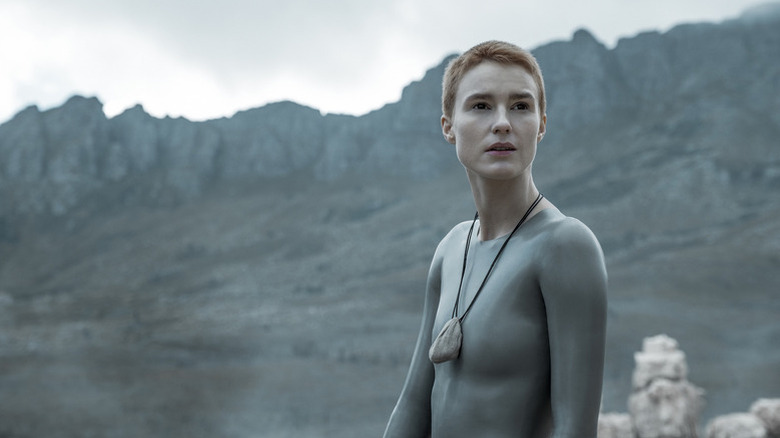
When HBO Max launched in 2020, one of its most ambitious original shows that premiered shortly afterward was the science fiction series "Raised by Wolves." Created by Aaron Guzikowski, the show takes place on an exoplanet following a devastating conflict that destroyed Earth. Two androids, dubbed Mother (Amanda Collin) and Father (Abubakar Salim), raise a collection of stored human embryos into a thriving colony. However, even after the apocalypse and with a fresh start on a new world, religious differences and other tensions threaten to derail humanity's second chance at existence.
"Raised by Wolves" features the talents of filmmaker Ridley Scott, who served as an executive producer and directed the first two episodes of the show. The story includes existential themes common in Scott's sci-fi work, including the nature of humanity and non-deities playing God. Though the show was unceremoniously removed from HBO Max after its two-season run, there are still ways to watch it. A bold commentary on humanity's self-destructive cycles that ran all too briefly, "Raised by Wolves" still provides a solid, high-concept science fiction tale.
Andor
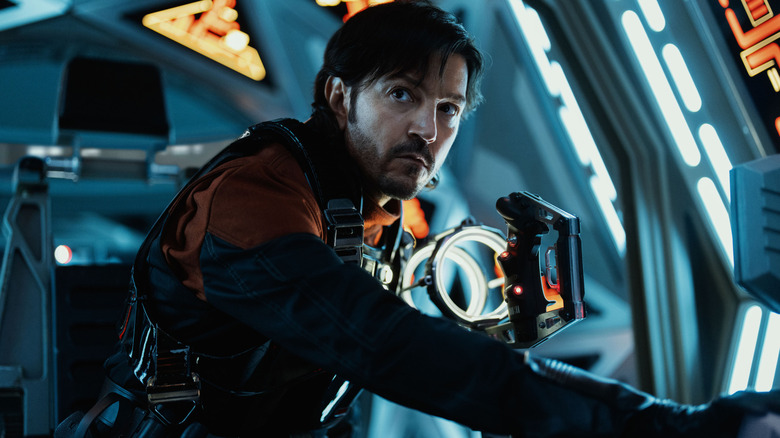
Though the "Star Wars" universe has been around for decades, the Disney era has proved there's still plenty of new territory to explore in that galaxy far, far away. The Disney+ series "Andor" details the origins of "Rogue One" character Cassian Andor (Diego Luna), who is unjustly persecuted by the Galactic Empire. After escaping from prison, he becomes a revolutionary figure, linking up with the fledgling Rebel Alliance and carrying out deadly missions for the insurgency. This is juxtaposed with the journey of Syril Karn (Kyle Soller), a low-level security officer who becomes obsessed with bringing Andor to justice.
More than just a prequel to "Rogue One," "Andor" shines a more grounded and hardscrabble light on the "Star Wars" franchise. Moral ambiguity had existed in this galaxy before, but never in a way that was so pronounced or so saliently reflecting our own. But where the show really excels is emphasizing how oppressive life under the Empire was for the common individual, fanning the fires of a revolution. The most engrossing world-building that "Star Wars" has showcased in years, "Andor" is a refreshing take on the familiar franchise.
Murderbot
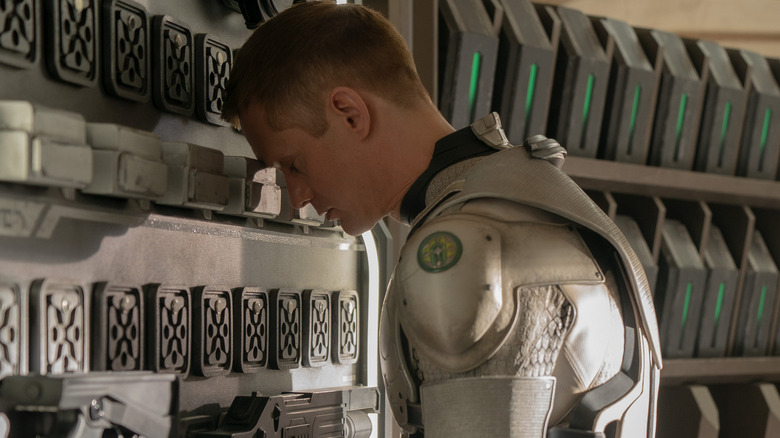
The science fiction genre can get overly dour and self-serious in its storytelling. Thankfully, this isn't the case for the 2025 Apple TV series "Murderbot," an adaptation of the "Murderbot Diaries" novel series by Martha Wells. Alexander Skarsgård stars as the titular cyborg, made up of a combination of cloned organic tissue and cybernetic components. While trying to hide his burgeoning sentience, including an obsession with pop culture, Murderbot takes on dangerous missions as part of his private security programming.
There is a dark and dry sense of humor to "Murderbot," something that quickly grows more apparent as the series progresses. Much of the comedy comes from a protagonist concealing his fascination with humanity, admiring it but shocked by its physical weakness. These themes are informed by Murderbot's rapport with his human colleague Gurathin (David Dastmalchian), who suspects Murderbot's deviation from his programming early on. Moreover, "Murderbot" finally lets Skarsgård get weird, and this wacky sci-fi show is all the better for it.