

ABC Banned All Promotion For The Launch Of This Controversial '70s Sitcom
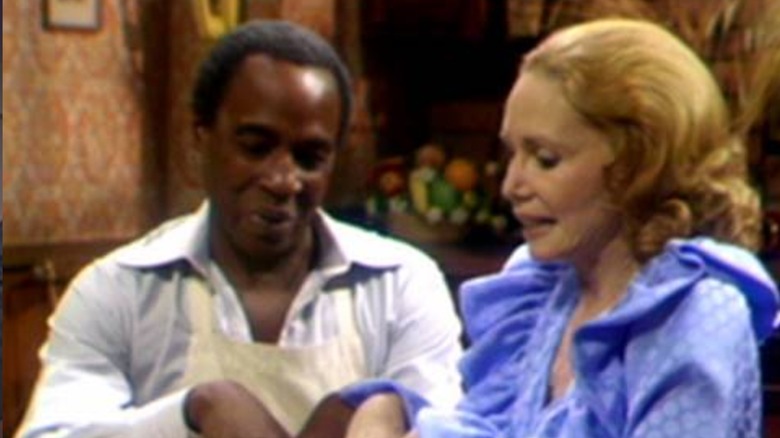
The sexual revolution of the 1960s and '70s played out on television with varying degrees of subtlety, but ABC put sex front and center on "Soap" right from its 1977 debut. The Tate and Caldwell families — from curious teenagers to their anything-goes grandparents — constantly spoke in double entendres and exchanged crude jokes about each others' sexual orientation and habits.
After early screenings, several major religious groups voiced opposition to the content of the series and 18 affiliates declined to air the show. Then-ABC president Fred Silverman canceled all promotional activity for the series and had some references toned down a bit before the first episode aired, and the controversy helped draw curious viewers to those early episodes. "Soap" went live with a "viewer discretion advised" warning and zero advance promotion from the network, yet it ended Season 1 as the 13th most-watched show on TV.
Soap lasted four seasons despite the early controversy
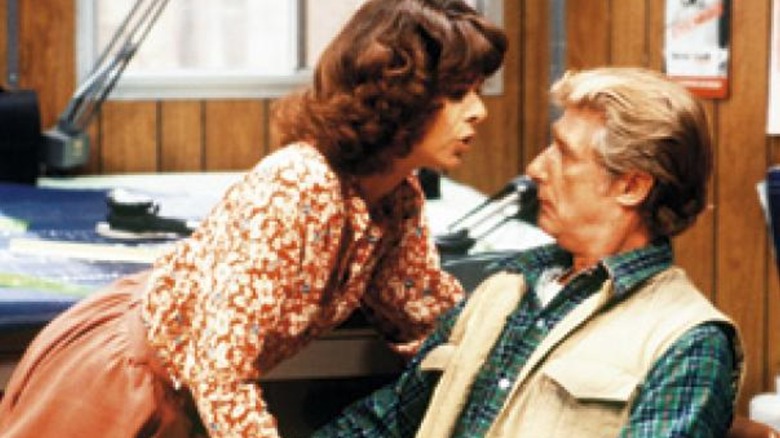
An article in The New Times printed less than two weeks before the September 13 premiere outlined the initial resistance to the show and subsequent adjustments, and quoted one advertising executive's words of warning to ABC. "What it boils down to," said Joel Segal of Ted Bates Inc., "is that all that sex is going to be a problem for heavy advertisers on 'Soap.' They are going to get a lot of static from vociferous groups."
Series star Katherine Helmond was well aware of that static, and told the the Television Academy Foundation she tried to approach her role as Jessica Tate "in a fun, kind of joyous way. And because the show had been criticized so much before it came on the air I thought, 'well, better have a good time while this is on, because it's probably a few shows and it'll be gone.'"
It turned out to be a few seasons (four to be exact), and Helmond earned an Emmy nomination as best actress in a comedy for each one. The show ultimately would win four Emmys from 17 nominations total, but ratings fell after the promising first season, and steady pressure from faith-based organizations scared off most advertisers. Nissan dropped out after previewing the first two episodes, and company spokesman Bob Kent told the New York Times that news coverage and public feedback influenced the automaker's decision.
"We get protest mail all the time," he said, "when we're advertising in a show someone considers violent or when we bought spots in David Frost's Nixon interviews. We've learned to live with that, but it's a frustrating climate." ABC cancelled "Soap" in 1981, and the fever-dream bonkers finale aired with several cliffhangers left, perhaps deliberately, forever unsolved.