

'60s Female Sitcom Icons Who Aren't Talked About Enough Today
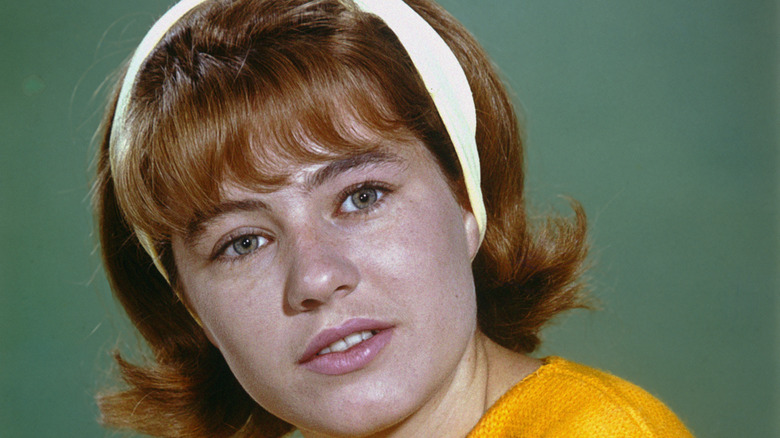
In the 1960s, audiences sat in front of their televisions to watch Rob Petrie with his family on "The Dick Van Dyke Show" and Andy Taylor patrolling Mayberry on "The Andy Griffith Show." Laughing at primetime with the family became the pastime it still is today. The '60s were truly a golden age for sitcoms, but it was also a landmark era for female sitcom actresses.
In an era long before streaming, female sitcom stars of the decade helped pave the way for shows like "Fleabag" and "Abbott Elementary." From Lucille Ball to Mary Tyler Moore, television featured some of the most popular (and funniest) women to grace the screen. While these series are still watched today, and their talented actresses are endlessly captivating, there are those whose spotlight has been unfairly dimmed over the years. To shine a brighter light, here is a list of five female sitcom stars from the 1960s who deserve more recognition.
Marlo Thomas (That Girl)
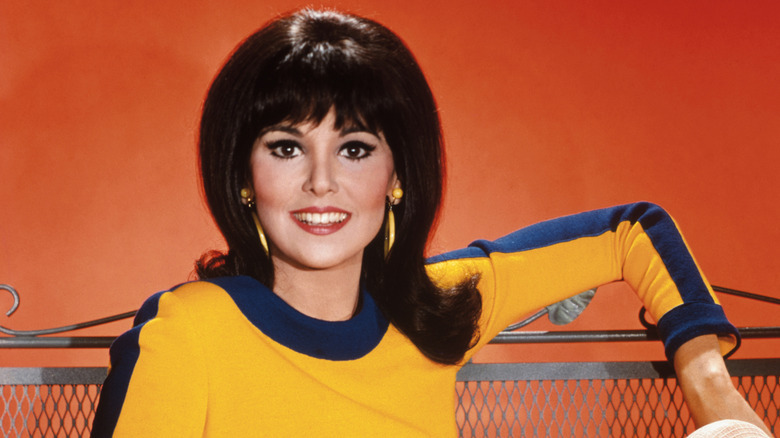
From 1966 to 1971, ABC aired "That Girl," a sitcom featuring Marlo Thomas as Ann Marie, an aspiring actress who recently moved to New York City to pursue an acting career. Also acting as executive producer, Thomas brought to life one of the first independent female characters in a sitcom. At a time in television when women were often married or living in a domestic capacity, "That Girl" featured a single woman pursuing her own goals. Thomas' work went against domestic norms that dominated television. The series would pave the way for shows like "The Mary Tyler Moore Show" and "Murphy Brown."
Thomas has co-owned the rights to the show since its conceptualization, which gave her a large amount of creative control. She exercised this by refusing to have her character marry by the finale. She also famously did not want "That Girl" to be resurrected in a disappointing TV revival, believing the show and her character were most resonant during the 1960s.
Patty Duke (The Patty Duke Show)
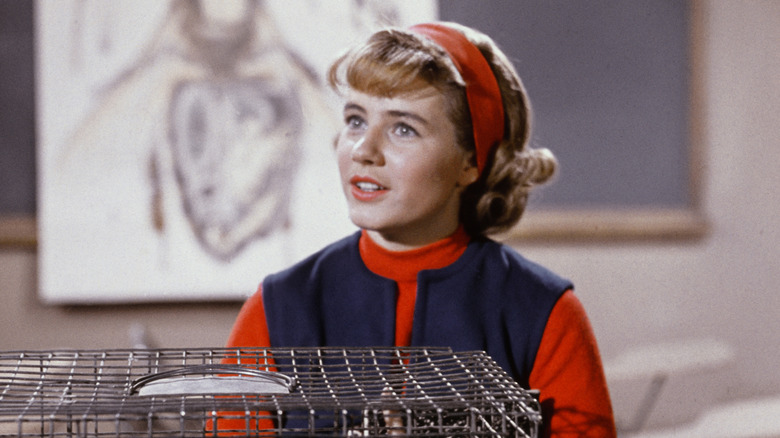
With modern film technology, it's hard to imagine how difficult it used to be to film one actor playing two different characters at once. But Patty Duke knew the hardships, playing identical cousins Patty and Cathy Lane on "The Patty Duke Show." This ABC series aired from 1963 to 1966 and was one of the first television shows to regularly feature an actress playing a dual role.
Patty and Cathy were excellent examples of comedic mismatching — Cathy was a prim and proper Scot visiting the US, and Patty was an outgoing and extroverted New Yorker. Duke's comedic wit entertained audiences for three seasons. Going back and forth between the two characters' costumes, moods, and even accents was not easy for Duke, who at the time was also battling undiagnosed bipolar disorder. She would later write about her eventual diagnosis and how her role affected her mental health in her book "Call Me Anna." Before passing away in 2016, Duke said that mental health advocacy was her "true calling" (via Psychiatry Online).
Miyoshi Umeki (The Courtship of Eddie's Father)
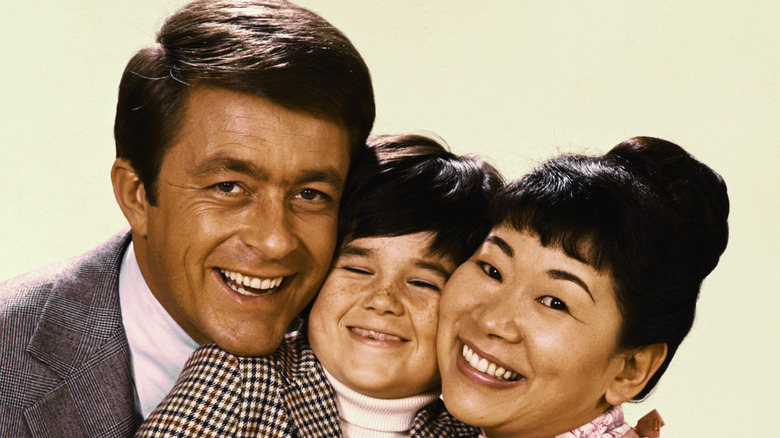
Everyone who watched "The Courtship of Eddie's Father" will remember the hardworking and wise Mrs. Livingston, played by Japanese-American singer and actress Miyoshi Umeki. Mrs. Livingston was the housekeeper for widower Tom Corbett (Bill Bixby) and his son Eddie (Brandon Cruz), and regularly acted as a surrogate mother to Eddie, who was constantly trying to set his father up with multiple women, so he'd have a mother. Sometimes Mrs. Livingston would even assist Eddie in these often ill-fated attempts, which dwindled as the series progressed.
While Umeki's roles have been noted for being sometimes restricted to stereotypes, her portrayal of Mrs. Livingston was nevertheless significant during a time when racial diversity on television was low. Umeki's nurturing and affectionate housekeeper was one of the earliest leading primetime roles for an Asian-American, following Anna May Wong, who starred in the 1951 "The Gallery of Madame Liu-Tsong." For her work in television, Umekli earned a Golden Globe nomination. In 1958, a decade before "The Courtship of Eddie's Father" aired, she had already won an Academy Award for Best Supporting Actress for her work in "Sayonara," making her the first Asian woman to win an Oscar.
Nancy Kulp (The Beverly Hillbillies)
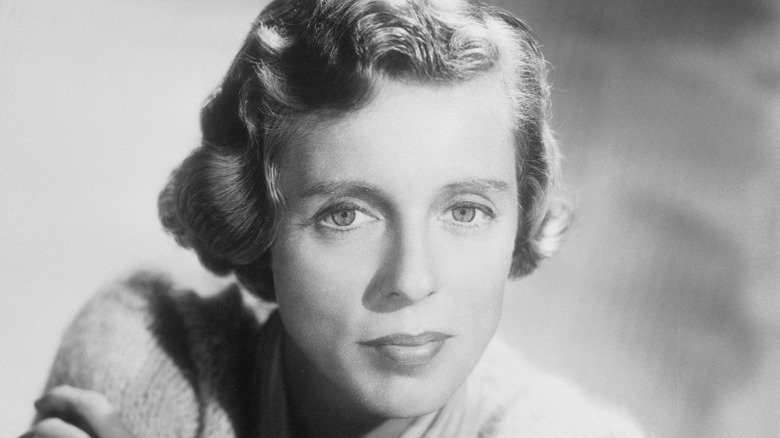
The Clampetts were known for getting into some wild antics on "The Beverly Hillbillies." But through all the silliness, the most constant grounding force on CBS' fish-out-of-water sitcom was Nancy Kulp as Miss Jane Hathaway, the secretary to the Clampetts' bank manager, Milburn Drysdale (Raymond Bailey). Hathaway's intelligent and cunning nature provided a sharp contrast to the Clampetts' slapstick behavior, which supplied audiences with nine seasons of laughter. Her character often shielded the Clampetts from Drysdale's inept and money-grubbing schemes. Her ever-present crush on Jethro Bodine (Max Baer Jr.), the simple-minded nephew of the Clampetts, was a staple of the show.
This witty intelligence could not have been achieved without Kulp, who brought her own toughness and intelligence to the role that earned her a primetime Emmy nomination in 1967. Aside from her acting career, she served the U.S. Navy as part of the Women Accepted for Volunteer Emergency Services (WAVES) in WWII. In the 1980s, she ran (unsuccessfully) for Congress.
Donna Douglas (The Beverly Hillbillies)
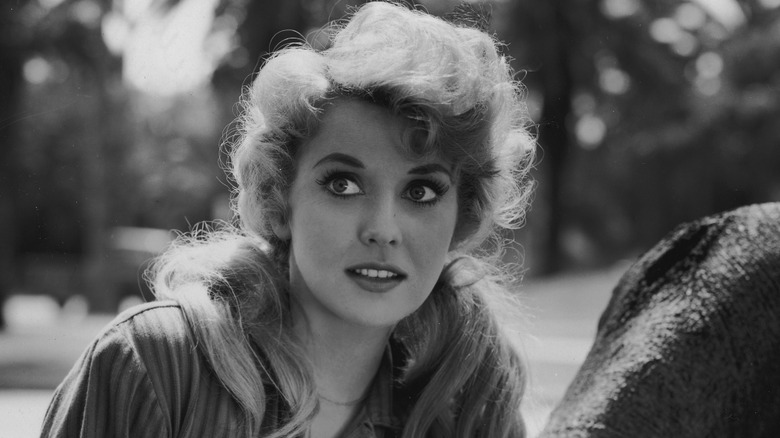
Around a year after starring in one of the most popular episodes of "The Twilight Zone," Donna Douglas was lounging in California as Elly May Clampett in "The Beverly Hillbillies." Douglas played the critter-loving daughter of Clampett patriarch Jed (Buddy Ebsen). After Jed made a fortune discovering petroleum on his land, he moved his family to a mansion in Beverly Hills, providing viewers with some of the funniest examples of culture shock.
Elly May was not a character who went by traditional domestic norms—she was tomboyish, an awful cook, and could easily take down her cousin Jethro (Max Baer Jr.) and any other man to the ground. Elly May's fierce qualities likely could not have been portrayed by anyone else, as Douglas was a tough woman behind the camera as well. After "The Beverly Hillbillies" ended, her career sadly dwindled. This was largely due to her refusal to take on roles she didn't truly want, despite the money or potential success.