

15 TV Shows Like The Twilight Zone You Need To Watch Next
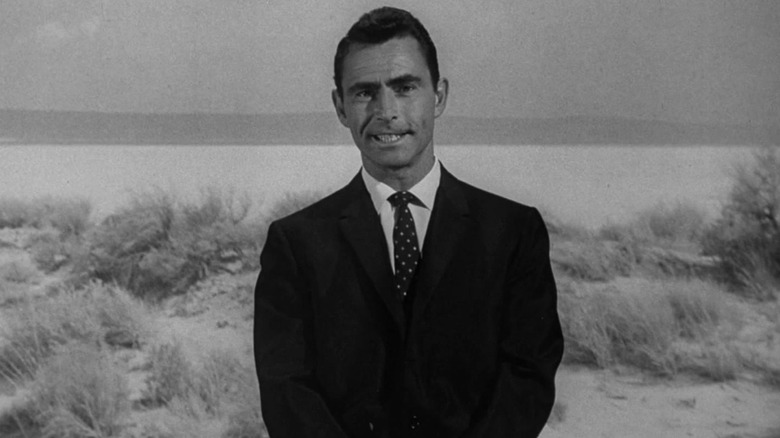
"There is a fifth dimension, beyond that which is known to man. It is a dimension as vast as space and as timeless as infinity. It is the middle ground between light and shadow, between science and superstition, and it lies between the pit of man's fears and the summit of his knowledge. This is the dimension of imagination. It is an area which we call The Twilight Zone."
This introductory speech, spoken by host and creator Rod Serling, began every episode of "The Twilight Zone," the beloved and influential television series that ran from 1959 through 1964. An anthology series, the program presented self-contained tales of anguish, curiosity, and the human condition, often rendered through the genre prisms of science fiction or horror. It's one of the great TV shows, one that's reverberated throughout the medium's history.
And if you're looking to enter dimensions beyond the fifth one, look no further. Here are 15 TV shows like "The Twilight Zone" you need to watch next — shows that play with similar anthology forms, genre tones, or allegorical examinations of what it means to be alive.
Alfred Hitchcock Presents
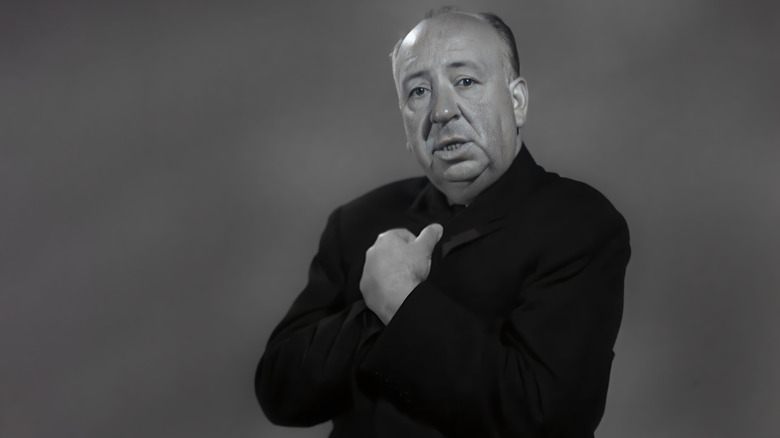
Originally beginning its run in 1955, four years before the reign of "The Twilight Zone," "Alfred Hitchcock Presents" is an essential watch for fans of anthology storytelling, genre-blending writing, or television history in general, as the WGA called it one of the 101 greatest shows of all time.
One look at the show's intro, and it's not hard to see its immediate influence on "The Twilight Zone." Scored to the iconic strains of Charles Gounod's "Funeral March of a Marionette," Hitchcock enters frame, hits his signature silhouette, then treats the audience to a high-status yet cheeky speech about what we're about to see.
From there, it's off to the races. Its episodes are self-contained stories, usually with a chilling bend, featuring now-known actors like Clint Eastwood, Robert Redford, and Jessica Tandy (and directed by the likes of Robert Altman, William Friedkin, and Hitchcock himself). One of its greatest episodes is "Man From the South," in which Steve McQueen takes a bet from a surely unstable Peter Lorre that he can't light a cigarette lighter 10 times in a row. From this simple concept, bitterly ironic and gruesome twists are taken, leading to a devastating climax.
Black Mirror
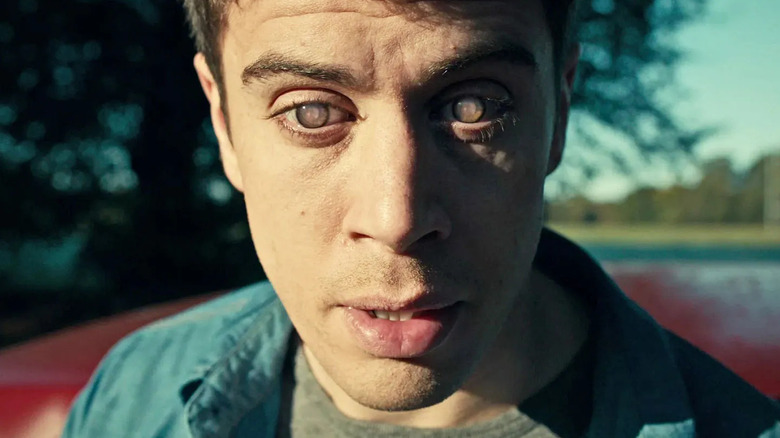
Netflix's "Black Mirror" is likely the heir apparent to "The Twilight Zone," as it tells standalone tales that zero in on technology as our greatest source of anxiety and destruction. And if you watch all of these episodes, you'll have to admit "Black Mirror" has a point.
Created by Charlie Brooker and running from 2011 to the present day, "Black Mirror" tackles our addiction to smartphones, our corruptions of reality with artificial intelligence, our need for social media validation, and so much more. Notable episodes in the series' run include "USS Callister," in which Jesse Plemons runs a toxic VR simulation of a "Star Trek"-esque spaceship, and "Bandersnatch," an interactive episode about a video game programmer losing his grip on reality.
But in this writer's opinion, you can start right with the pilot episode, a piece of gruesome satire as trenchant as any classic "Twilight Zone" episode with a devilishly vulgar, modern twist. "The National Anthem" stars Rory Kinnear as the British Prime Minister. When a Royal Princess is kidnapped, the captor soon takes to the Internet demanding that the PM do something that is frankly unprintable. Brace yourself and enjoy.
Channel Zero
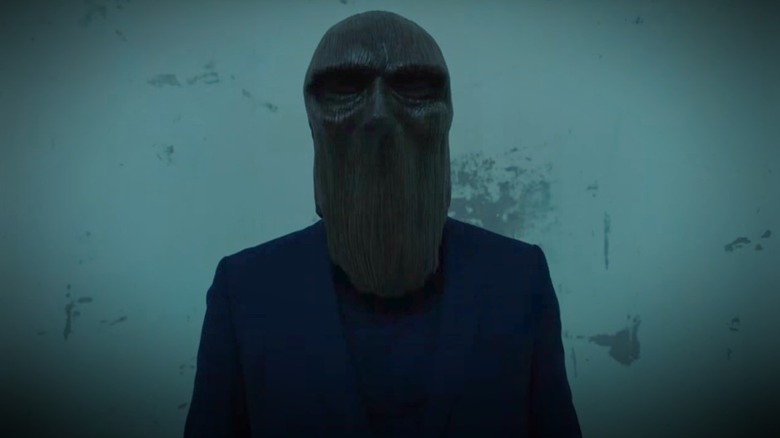
"Black Mirror" tells us the Internet itself is scary and dangerous. But Syfy's "Channel Zero," an underrated anthology horror series, tells us the stories spread on the Internet are what we really need to be worried about.
Created by prolific TV horror writer/producer Nick Antosca (Hulu's "Candy"), every "Channel Zero" season is based on a popular piece of "creepypasta," a catch-all term for Internet-disseminated pieces of narrative fiction writing that sometimes contort into urban legend or folklore. These types of stories, which tend to be interested in the surreal bending of reality and tropes surrounding "lost media," make for compelling and nerve-shredding pieces of television.
Each season of "Channel Zero" delivers a six-episode adaptation of a different creepypasta. You can ostensibly look each story up and decide where you'd like to start, but this writer advocates for the beginning yet again. The debut season, called "Candle Cove" and based on Kris Straub's influential story, stars Paul Schneider as a child psychologist who revisits his hometown with the suspicion that his brother's disappearance has something to do with a particularly disturbing TV show from their youth.
Electric Dreams
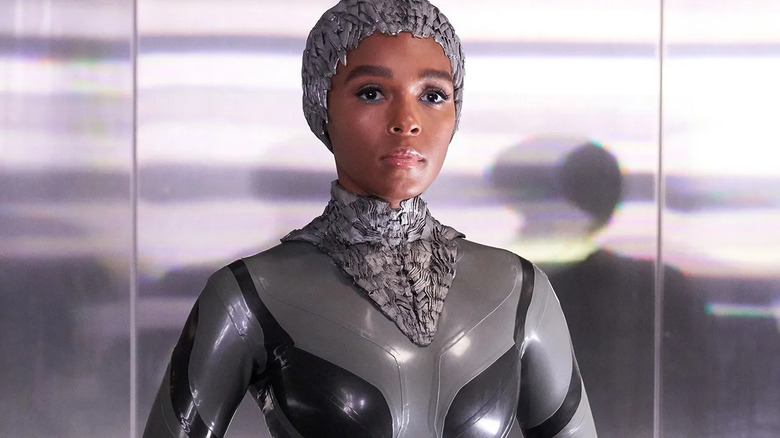
The Prime Video anthology series "Electric Dreams" is based on a collection of works by prolific and influential science fiction author Philip K. Dick. Many of Dick's works have been adapted for the screen before, from "Blade Runner" to "Total Recall," but often with substantial changes made to the source material. Here, episode by episode, novella by short story, Dick's mind makes it to the screen with more traditionally faithful adaptations, thanks to a crew of executive producers that includes "Battlestar Galactica" scribe Ronald D. Moore and "Breaking Bad" star Bryan Cranston.
The science fiction stories on display in "Electric Dreams" often traffic in the same kind of speculative commentary you'd see in "The Twilight Zone," though perhaps with less of an emphasis on horror. But these episodes still have the power to shake you to your core, especially the finale, "Kill All Others," starring Mel Rodriguez as a normal man suffering through a dystopian future that feels like a combination of Franz Kafka and John Carpenter.
Guillermo del Toro's Cabinet of Curiosities
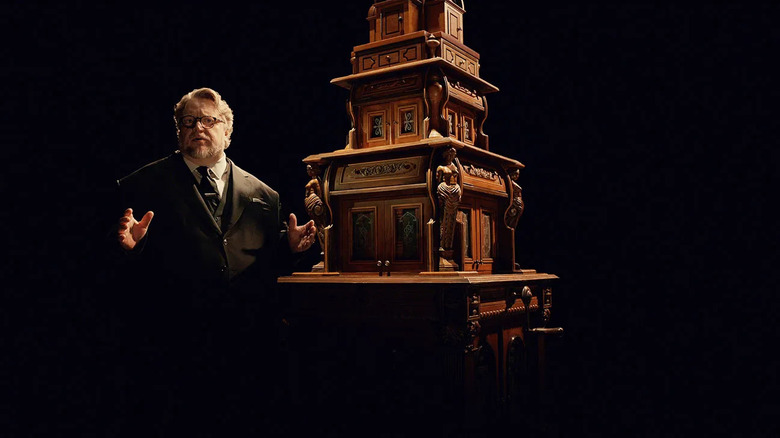
Who is our modern-day Hitchcock? Cinephiles may argue as much as they want, but Guillermo del Toro, the director of such genre classics as "Pan's Labyrinth" and "The Shape of Water," certainly belongs in the conversation. Therefore, it makes complete sense that he'd topline his own anthology series, as Hitchcock did 70 years prior.
Netflix's "Guillermo del Toro's Cabinet of Curiosities" features del Toro as our host and emcee, delivering a macabre speech before and after each self-contained horror play, just like Hitchcock and Serling before him. Each of these episodes is directed by an interesting horror auteur who has either been mentored personally by del Toro (Guillermo Navarro, who won the cinematography Oscar for "Pan's Labyrinth"), is a peer of del Toro (Vincenzo Natali, director of cult hits like "Cube" and "Splice"), or is an up-and-coming filmmaker handpicked by del Toro (Ana Lily Amirpour, who directed the enigmatic "A Girl Walks Home Alone at Night").
These directors give each episode cinematic verve and genuinely nightmarish imagery, making this series likely the pound-for-pound scariest of this list.
The Haunting
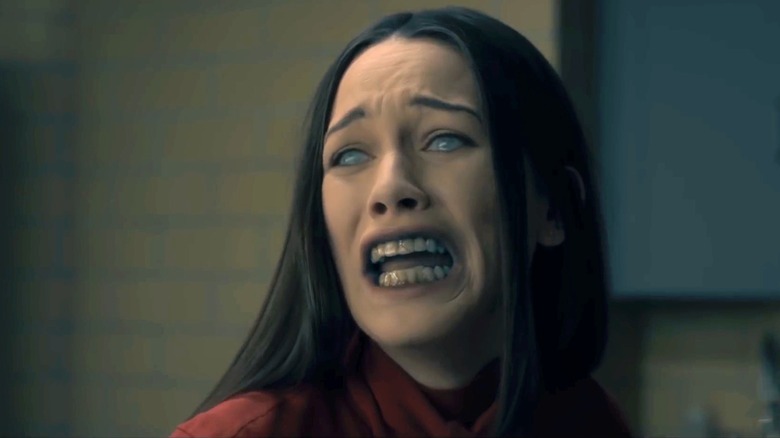
Speaking of modern-day horror auteurs: Mike Flanagan, maker of works like "Hush," "Doctor Sleep," and "Midnight Mass," delivered two standalone seasons of Netflix television inspired by iconic horror authors.
"The Haunting of Hill House," inspired by Shirley Jackson's novel of the same name, stars Michiel Huisman as the oldest son of the Crain family, an author who wrote about his family's experiences in their certainly haunted-feeling childhood home. The season alternates between past and present, delivering some of the absolute scariest stuff committed to recent celluloid ("The Bent-Neck Lady" is so, so unsettling), all with a human center of heartache and generational trauma.
"The Haunting of Bly Manor," meanwhile, is inspired by many of Henry James' iconic works of Gothic literature, especially "The Turn of the Screw." It stars Victoria Pedretti as an American au pair hired for an English family, and examines the psychological warfare that occurs when ghosts make their presence known.
These seasons are interesting evolutions in the horror anthology format popularized by "The Twilight Zone." Plus, Jackson's works often feel like long-lost "Twilight Zone" episodes, so why not dive into her oeuvre full-force?
Inside No. 9
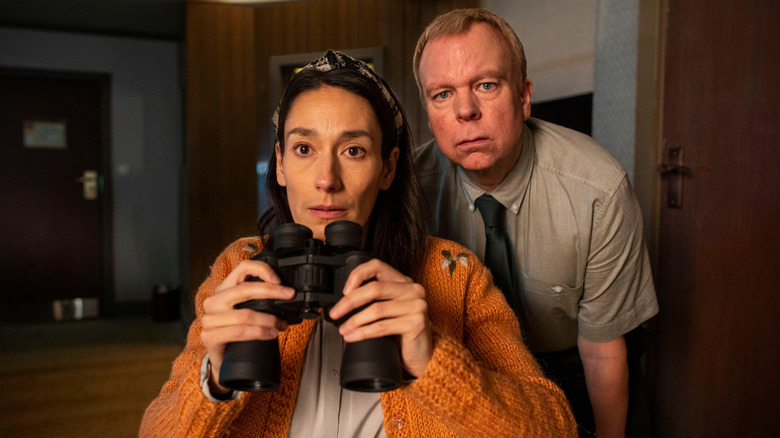
Traveling across the pond, we get the landmark British anthology series "Inside No. 9" (streaming on BritBox). Unlike other episodic anthology series in this list, this show primarily stars the same two actors — Steve Pemberton and Reece Shearsmith, who also co-created and co-wrote every episode — playing different characters alongside a different supporting cast.
This makes sense, given Pemberton and Shearsmith's background in sketch comedy (both are members of famous British troupe The League of Gentlemen). But "Inside No. 9" isn't exactly a sketch comedy series. It's often funny, no doubt, perhaps enough to be classified primarily as a "comedy."
Yet its tone, no matter the individual episode's subject matter, constantly blurs boundaries, blending into a certain kind of creepy surrealism, heartbreaking tragedy, or out-and-out horror. This makes the series an unlikely but apt companion to "The Twilight Zone," a show that is sometimes funnier than it's given credit for. A fun entry episode is "Dead Line," a Halloween special that originally aired live. To say any more would deny you of its many scintillating and metatextual pleasures.
Masters of Horror
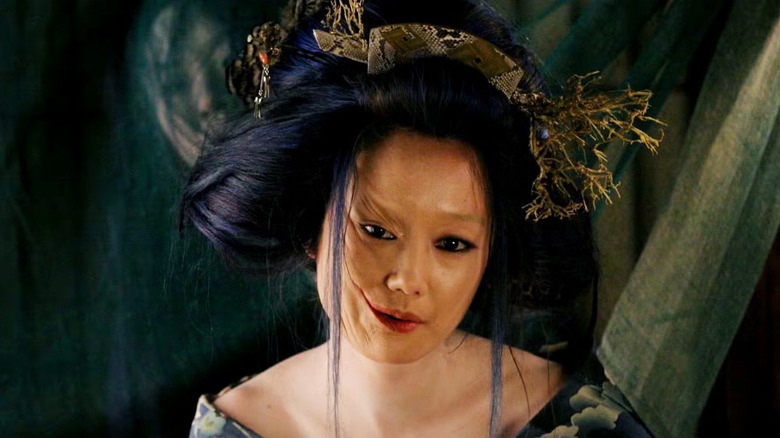
From 2005 to 2007, genre filmmaker Mick Garris gave his famous and influential horror filmmaker friends carte blanche over an hour to tell whatever self-contained story they wanted. This is the story of "Masters of Horror," a Showtime series that takes the sometimes buttoned-up or cerebral thrills of "The Twilight Zone" and hurtles them into the 21st century with plenty of taboo viscera.
The list of directors compiled for the series is astonishing. Masters like Tobe Hooper, Dario Argento, Stuart Gordon, and Ernest Dickerson get a chance to flex their stuff, and while their episodes may not hit the peaks of their filmography, they're still effective and curious pieces of horror history.
If you're looking for entry points, consider two. You could try John Carpenter's "Cigarette Burns," a sort of spiritual sequel to "In the Mouth of Madness," about a cursed film print that causes its viewers to go mad and kill each other. Or, for the real sickos, check out Takashi Miike's "Imprint," a work so transgressive that Showtime refused to air it in its initial run.
Night Gallery
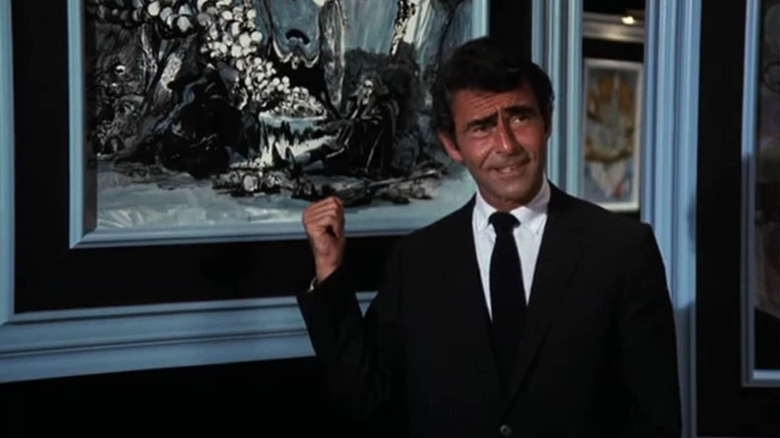
Here's what the aforementioned del Toro has to say about "Night Gallery," Rod Serling's other genre anthology TV series: "As a young boy, I would watch 'Night Gallery' very late at night in my grandmother's house, after everybody went to bed. I have incredibly vivid memories of the series, of the fear that enveloped me when I watched each episode." Are you interested yet?
Airing from 1970 to 1973, "Night Gallery" featured host Serling as he took the viewer through a gallery of startling paintings, ending on a group of works that would serve as an introduction to the shorts within each episode.
The episodes of "Night Gallery" are much harder-hitting than "The Twilight Zone," with a heavier emphasis on grotesque tales of horror and less of an emphasis on sensitive social commentary. For entry points, give "Make Me Laugh" a try; it was written by Serling and directed by Steven Spielberg to look like one long take, with the episode following a comedian who makes a Faustian bargain for just one more laugh.
The Outer Limits
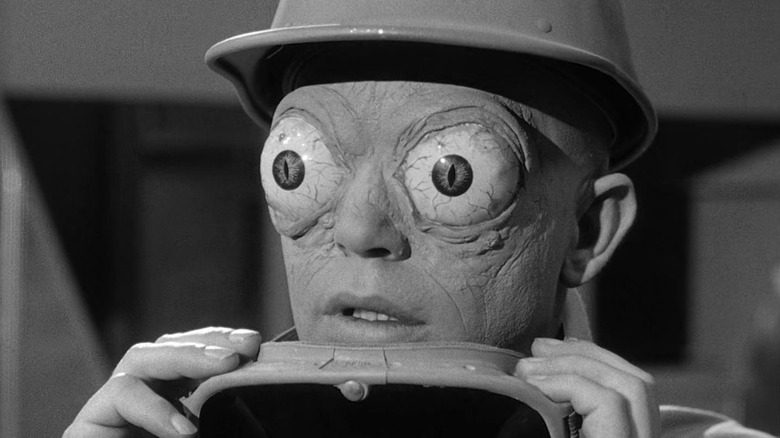
A curious and edgy cult object from the 1960s, "The Outer Limits" undoubtedly existed in the wake of "The Twilight Zone" while pushing those limits into darker territories.
Consider its introductory narration. While Serling humanely welcomes us into "The Twilight Zone," "The Outer Limits" subjects us to a hostile takeover, with a voiceover saying, "There is nothing wrong with your television set. Do not attempt to adjust the picture. We are controlling transmission."
The episodes continue along a more brutal path. While most of the "Outer Limits" episodes are firmly science-fiction stories (often with straight-up B-movie space creatures, like in "The Zanti Misfits"), the tone is more than willing to horrify its textually unwilling audience. Adding to this muscular effect was the gorgeously stylized photography, with future Oscar winner Conrad Hall ("Butch Cassidy and the Sundance Kid") developing the shadowy, cinematic style not often seen on television — not even in "The Twilight Zone."
Room 104
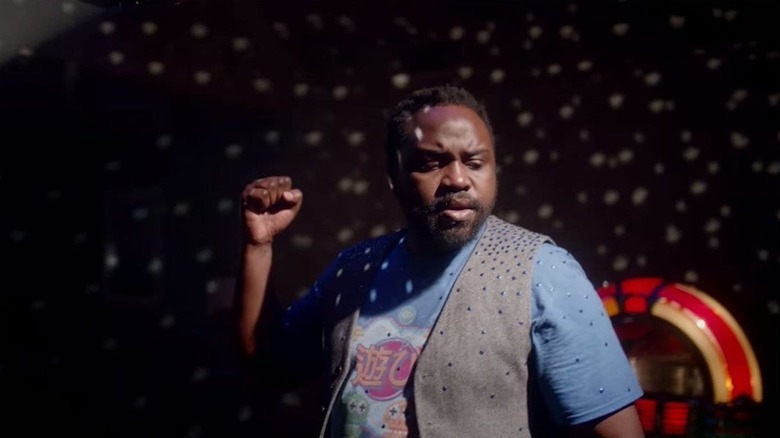
Created by Mark and Jay Duplass, actors and filmmakers known for bridging the gap between indie and studio production modes and sensibilities, "Room 104" aired for four seasons on HBO and gave its motley crew of writers and directors ample room to play with ideas and tones — so long as each episode took place in the titular motel room.
As such, there are all kinds of peaks and valleys to explore within the series' run, which is less about a single creator's ideas of exploring humanity and more about the controlled chaos of throwing a bunch of artists at the wall and seeing what sticks. It's an interesting way to approach the time-honored anthology series, and it makes for compelling viewing.
For an entry episode, try Season 4's "The Murderer," which stars Mark Duplass as a troubled musician performing some songs for fans in a private motel room version of a concert before things devolve into dark and troubled corridors.
Tales from the Crypt
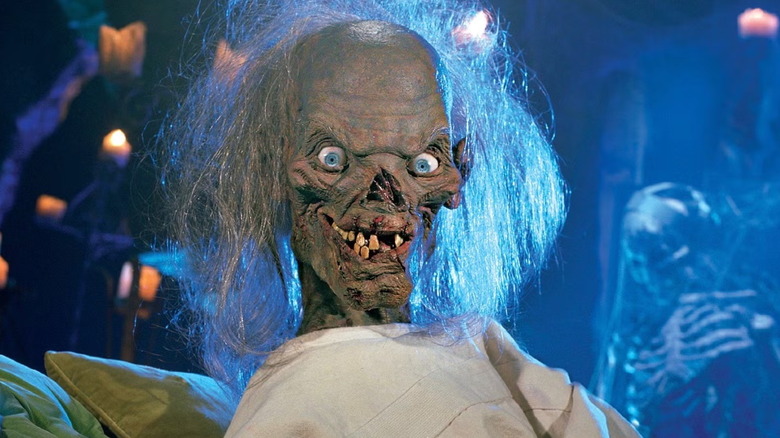
If Serling is the most famous TV anthology presenter, the Cryptkeeper is a close second. This ghoulish, skeletal puppet (voiced by John Kassir) sums up the tone and appeal of "Tales from the Crypt" efficiently. There will be macabre horror tales aplenty, with fiendish invention and ironic twists of cruel fate. But, as evidenced by the Cryptkeeper's steady clip of Borscht Belt one-liners, none of it will be taken too seriously.
As such, "Tales from the Crypt," based on the comic series of the same name by influential publisher EC Comics, often plays like a particularly prurient set of horror-comedies. You're not going to get the level of exacting psychological examinations you might from a "Twilight Zone." But you're probably going to have a lot more fun.
To start, give "And All Through the House" a try. Directed by Robert Zemeckis (yeah, the guy who directed "Forrest Gump"), the episode follows a blistering femme fatale being hunted down by a psychopathic murderer dressed as Santa Claus. It just might become a holiday tradition.
Tales from the Darkside
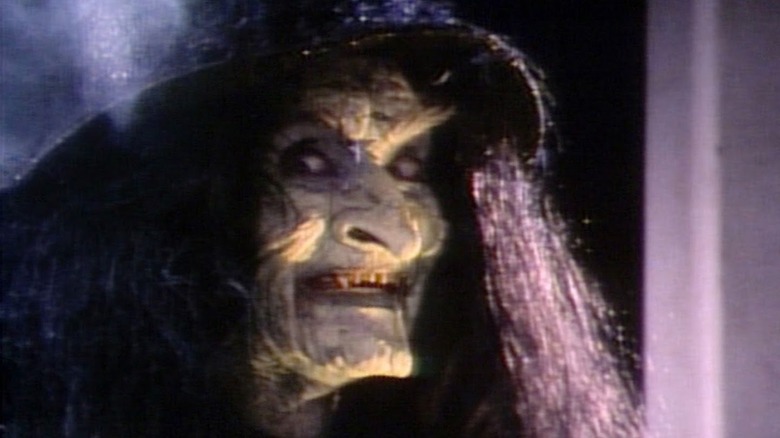
Created by horror icon George A. Romero ("Night of the Living Dead"), "Tales from the Darkside" aired in syndication from 1983 to 1988. Some of its '80s charm might strike the modern viewer as cheesy, especially its introduction sequence, which turns footage of a lovely piece of scenery into a garish negative image, the voiceover intoning that "there is, unseen by most, an underworld, a place that is just as real, but not as brightly lit. A darkside."
For this writer, this cheese and cheek is a feature, not a bug, of the series. While it doesn't get as wacky as "Tales from the Crypt," "Darkside" has a mordant sense of humor throughout its episodes, giving its sometimes emotionally pulverizing filmmakers room to play with some different tonal energies.
If you're curious, check out Season 2's "The Devil's Advocate," written by Romero himself — an episode that may remind some cinephiles of "Talk Radio" and "Late Night with the Devil." It stars Jerry Stiller as a cruel but popular late-night radio show host whose selfishness is pushed to the limit when he comes in contact with the actual devil.
Tim & Eric's Bedtime Stories
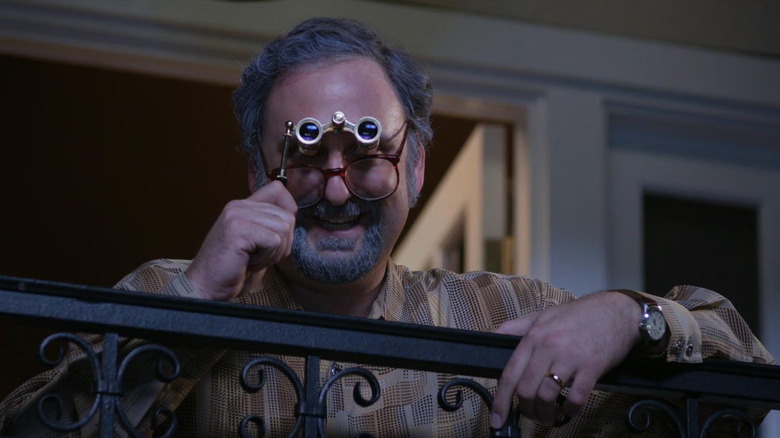
Playing a little like an American version of "Inside No. 9," "Tim & Eric's Bedtime Stories" is an underrated Adult Swim horror-comedy anthology series from comedy madmen Tim Heidecker and Eric Wareheim.
The comic duo, known for shaping modern American alt-comedy sensibilities with shows like "Tim and Eric Awesome Show, Great Job!," has always walked right up to the line of comedy and horror, their biggest laughs coming as a consequence of cringe-inducing, uncanny surrealism. With their "Bedtime Stories," they cross that tonal line and then some.
Heidecker and Wareheim wrote, directed, and starred in just about every episode of the two-season series, often casting many of their famous friends (John C. Reilly, Zach Galifianakis, and Ray Wise, just to name a few) directly in the nightmarish storm of their idiosyncratic visions. For an interesting double feature with the first episode of "Black Mirror," check out "The Endorsement," which makes Jason Schwartzman agree to a curious endorsement deal with devastating consequences.
The X-Files
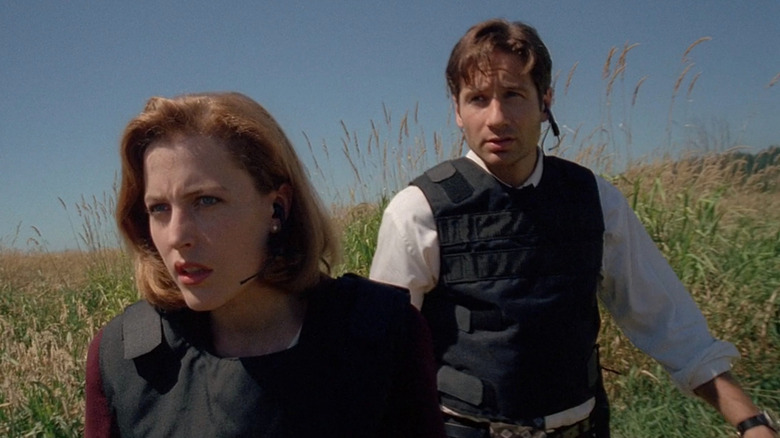
Yes, there is an overarching, serialized plot and mythology to "The X-Files." But in this writer's opinion, its best episodes are its self-contained "monster-of-the-week" episodes, which essentially throw FBI agents Mulder and Scully (David Duchovny and Gillian Anderson) into the middle of a "Twilight Zone" episode and make them solve it.
These episodes make "The X-Files" feel like an anthology series, its genre trappings elevating that other familiar TV form — the police procedural — into the realm of allegory, terror, and experimentation that only genre anthology shows like "The Twilight Zone" can touch.
There's a variety of tones and adventures to dive into throughout this series' run. For a metatextual, "Rashomon"-esque piece of darkly humorous trickery, try "Jose Chung's From Outer Space." For an episode purposefully trying to evoke that old-school "Twilight Zone" feeling, down to black-and-white photography, try "The Post-Modern Prometheus." And if you want pure, unadulterated, upsetting terror, there's no place like "Home."