

12 Best TV Shows With Bad First Seasons
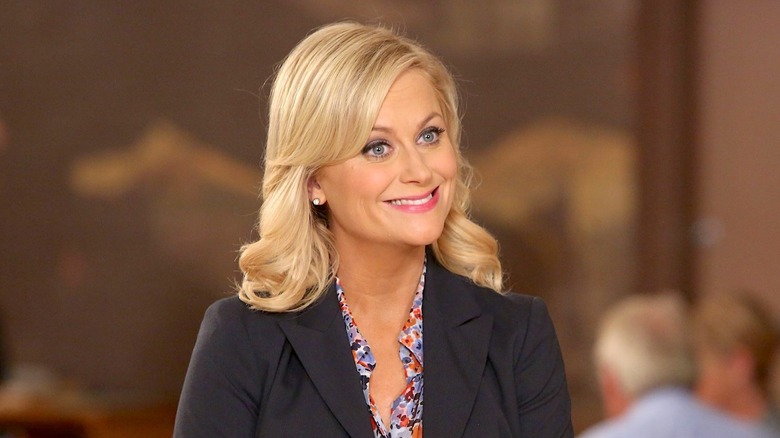
Some of the greatest TV shows of all time didn't get off to the greatest start.
A TV show's first season is essential for setting the template for everything that's to follow (heck, some shows don't even get more than one season), and many of our favorite shows ever have fantastic first seasons, from "Cheers" to "Succession." But occasionally, a show gets off to a rough start in Season 1 — whether it's due to a lack of budget, cast members that don't fit, or a misplaced narrative tone — before finding its voice and becoming an all-time classic.
We here at TVLine are looking back at a dozen beloved TV shows that had forgettable first seasons. Now we're not saying these first seasons are unwatchable, exactly, but they're definitely a far cry from the shows we know and love, at a point before they truly hit their storytelling stride. (Keep going, though! They get great, we promise!)
Read on to see our rundown of the best shows with the worst first seasons, and let us know in the comments if you have any suggestions of your own.
1. The Office
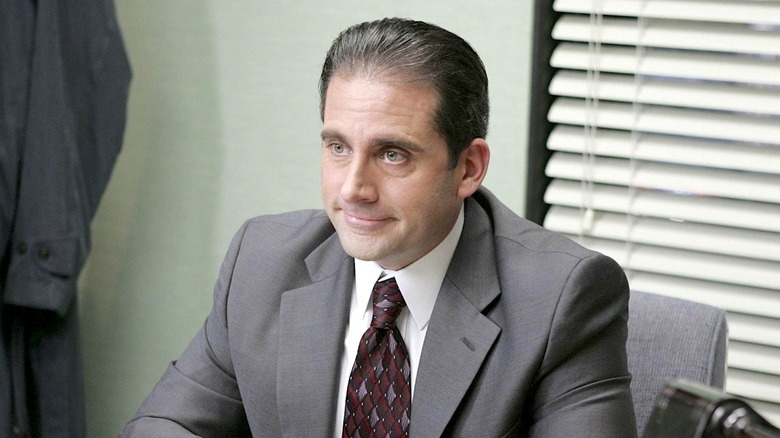
Debuting as a midseason replacement on NBC in 2005, "The Office" was adapted from the U.K. comedy of the same name starring Ricky Gervais, which had won serious acclaim worldwide. (It even won the Golden Globe for best comedy series, the first British show to do so.) So the U.S. version had big shoes to fill... and that may be why it gets off to such a slow start.
The six-episode freshman season has promise, but it clings too closely to the U.K. version, with the pilot directly lifting the script from the U.K. pilot nearly word-for-word. Steve Carell sports a slicked-back hairdo as boss Michael Scott and tries too hard to ape Gervais' performance in the U.K. original, and many of the characters we learn to love in later seasons barely get a speaking role. (Some reviews even likened it to NBC's ill-conceived remake of the U.K. comedy "Coupling.") A few Season 1 episodes do stand out as worthwhile, like "Diversity Day" and "Basketball," but it isn't until Season 2, which kicks off with the instant-classic episode "The Dundies," that the show figures out Michael Scott, unlocks its deep ensemble cast, and becomes the binge-watch delight it is today.
2. Star Trek: The Next Generation
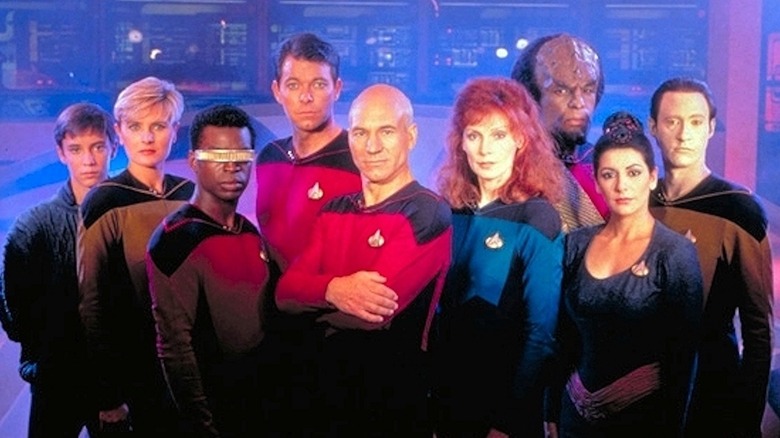
Many "Star Trek" fans were ready to hate "The Next Generation" before it even debuted in syndication in 1987, since it was seen as an attempt to move away from the original "Trek" cast — and the early episodes didn't do much to win them over, to be honest.
The pilot, "Encounter at Farpoint," was well-received and earned a huge audience, but subsequent episodes seem to just take scripts from the original series and reheat them in the replicator. New captain Jean-Luc Picard was considered a wimp next to the more brash Captain Kirk, and cast member Denise Crosby (aka security chief Tasha Yar) asked to be let out of her contract because of how undeveloped her character was. In Seasons 2 and 3, though, "Trek" creator Gene Roddenberry took a back seat, and writers Michael Piller and Ronald D. Moore stepped in, pushing stories in a more sophisticated direction and taking the Enterprise crew to newfound heights. (Plus, Riker growing a beard didn't hurt.)
3. Parks and Recreation
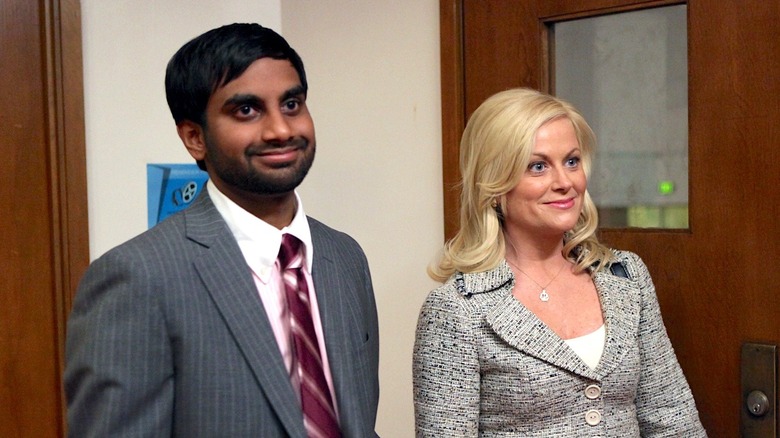
When Amy Poehler's NBC sitcom was first announced, it was billed as a spin-off to "The Office," and though that idea was eventually scrapped, the first season does feel like it's trying too hard to copy "The Office" — especially in Poehler's character Leslie Knope, who is introduced as an oblivious buffoon in the Michael Scott mold. Chris Pratt's Andy is a lazy jerk of a boyfriend at first, and Paul Schneider's city planner Mark Brendanawicz sticks out like a sore thumb.
Thankfully, the producers gave the show a major overhaul in Season 2, making Leslie more of a cheerful optimist and Andy more of a lovable doofus. Most importantly, they sent Mark Brendanawicz packing and brought in Adam Scott as Ben Wyatt, who served as a new love interest for Leslie, along with Rob Lowe as the diabolically upbeat Chris Traeger. From then on, "Parks and Rec" hits on all cylinders, boasting one of the best ensembles in TV history and evolving into an all-time great sitcom.
4. Buffy the Vampire Slayer
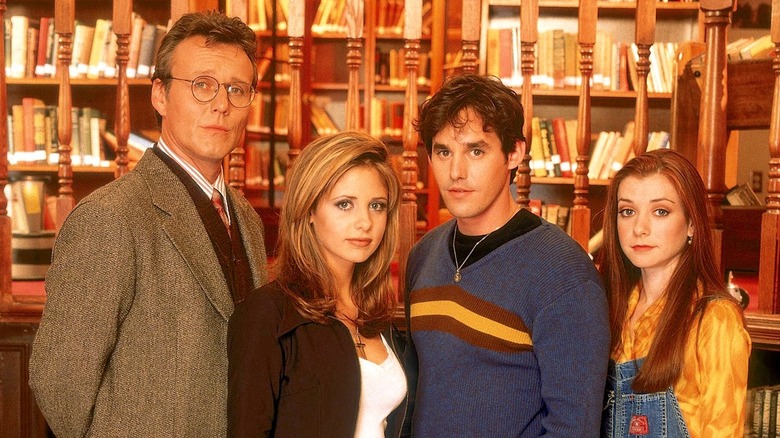
When "Buffy the Vampire Slayer" first debuted on The WB in the spring of 1997, many viewers and critics dismissed it as brainless schlock based on the title alone... and honestly, looking back at the early episodes, we kind of get it.
Series creator Joss Whedon's razor-sharp dialogue is there from the start, but the sight of a high school cheerleader stabbing vampires is a little B-movie horror flick, thanks to some very low-budget special effects. (Like, seriously, go back and watch those episodes again.) In Season 2 and beyond, though, Whedon begins tapping into a deeper mythology, adding serious emotional stakes (get it?) with the doomed romance between slayer Buffy and vampire Angel and bringing in key characters like Seth Green's sarcastic werewolf Oz and James Marsters' bleach-blonde vamp Spike. That's when "Buffy" truly sunk its fangs into our hearts and became the show we love.
5. The Simpsons
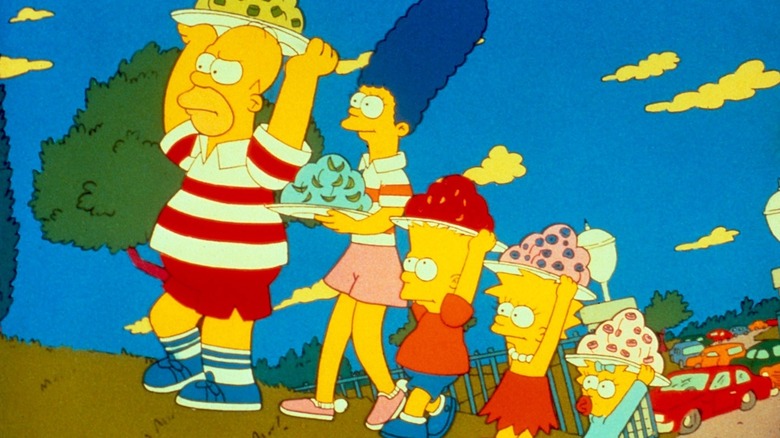
From the start, Fox's animated comedy was groundbreaking television, bringing animation back into primetime and reimagining the typical sitcom family for a new generation. But viewed three decades later, the early adventures of Homer and company are a far cry from the show's peak.
For one thing, the animation is crude, even hard on the eyes at times, and the voices don't sound like the Simpsons we know. Season 1 focuses on pint-sized prankster Bart too often, with Homer more of a beleaguered dad grumbling in the background than the hilarious idiot we'd come to know. Plus, the early episodes try to tug on our heartstrings in clumsy fashion. A few of those episodes, though, do provide a glimpse at what the show could be — Bart takes down Sideshow Bob for the first time in "Krusty Gets Busted," for example — and Season 2 sharpens the satire, with the writing hitting its full stride in Season 3 and never looking back.
6. Justified
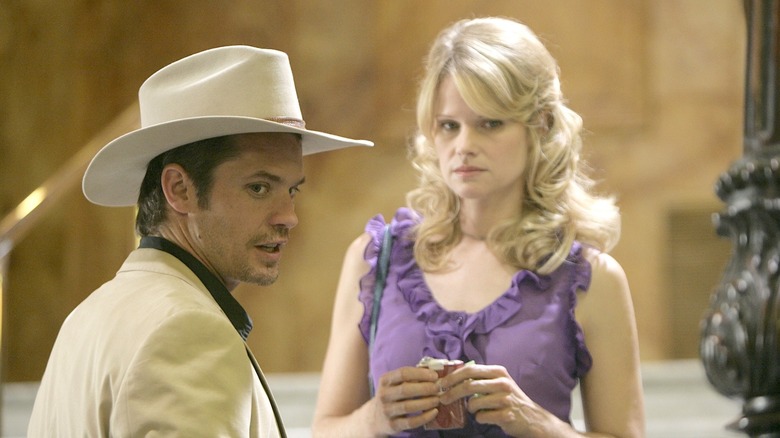
As soon as we saw Timothy Olyphant don that hat as U.S. Marshal Raylan Givens, we were sold on FX's neo-Western. Debuting in 2010, "Justified" follows Givens as he brings old-fashioned justice to his home turf of Kentucky — but you'd be hard-pressed to find a fan who cites Season 1 as the show's best.
It's not as if Season 1 is bad, exactly: It introduces key characters like Raylan's nemesis Boyd Crowder (Walton Goggins) and Raylan's ex-wife Winona (Natalie Zea), and it features plenty of hard-boiled dialogue that honors Elmore Leonard's source material. But it also plays like a standard TV procedural, with a sluggish pace and interchangeable crimes of the week that come and go without much resonance. In Season 2, though, "Justified" steps up its game, bringing in Margo Martindale as mob matriarch Mags Bennett as the season's Big Bad and following a season-long arc that set the template for future seasons to follow. (We have to tip our hat to whoever came up with that idea.)
7. Sex and the City
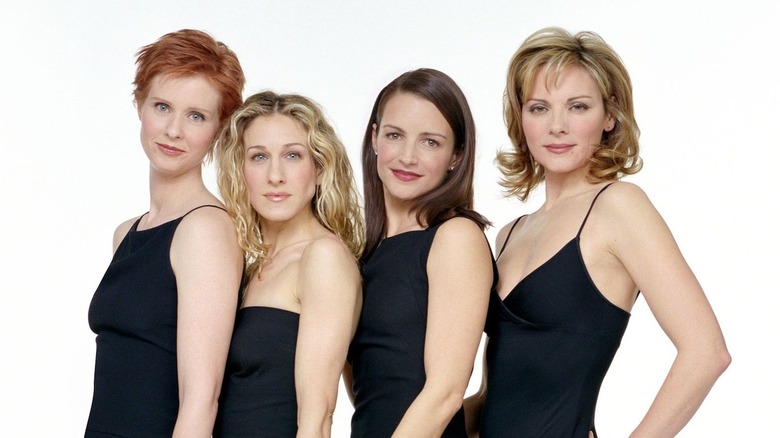
Carrie Bradshaw and her glamorous pals Charlotte, Miranda, and Samantha blazed a trail for sexually frank, women-led comedy when they made their HBO debut in 1998, sharing wild tales of their dating misadventures in '90s New York City. But they did need to iron some wrinkles out of their little black dresses before becoming the icons we know today.
Watching Season 1 now, it looks low-budget and dingy next to the more polished style of later seasons, and it introduces characters like Miranda's hapless ex Skipper that are later dropped without any acknowledgement. (It also employs an awkward storytelling conceit, interviewing random New Yorkers about their sex lives, that the show wisely scraps.) It all feels slight and superficial, and it's not until Season 2, when the show hits upon its signature blend of bawdy sex comedy and heartfelt relationship drama, mainly through Carrie's on-again, off-again relationship with Mr. Big, that the pieces really click into place.
8. Fringe
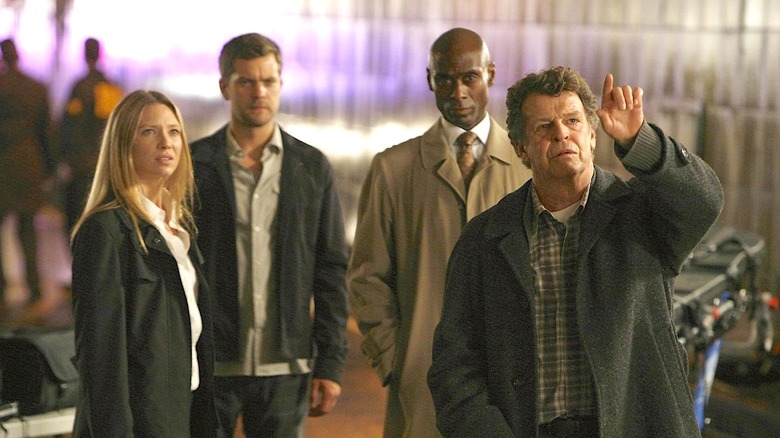
Hailing from "Lost" co-creator J.J. Abrams, Fox's sci-fi series starred Anna Torv as Olivia, an FBI agent who teams up with a scientist named Walter (John Noble) and his son Peter (Joshua Jackson) to use fringe science to investigate unexplained phenomena. It became a cult favorite during the course of its five-season run... but its first season isn't anybody's favorite.
It stumbles out of the gate with a pilot that was deemed "lackluster" by critics, and the early episodes, with their self-contained, mystery-of-the-week format, earned "Fringe" a reputation as an inferior retread of Fox's earlier hit "The X-Files." But starting with the Season 1 finale, featuring guest star Leonard Nimoy, the "Fringe" writers begin weaving in a larger mythology involving a parallel universe, with the actors playing multiple alternate versions of their characters, and fans got hooked, turning the show into one of the most beloved sci-fi TV shows of the century.
9. Seinfeld
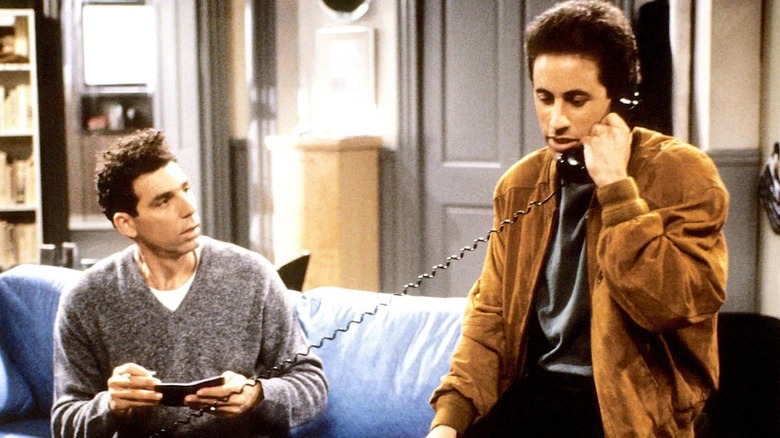
Yes, of course, Jerry Seinfeld's NBC sitcom is one of the greatest TV comedies of all time... but we do have some grievances we have to air about the first season.
With just five episodes, Season 1 doesn't get much of a chance to establish Jerry and his friends as characters, and they haven't quite found their groove yet, with Jason Alexander employing a whiny Woody Allen voice as George and Julia Louis-Dreyfus' Elaine stuck in a weird limbo between friend and ex-girlfriend. (The couch in Jerry's apartment doesn't even look right.) Now we're not saying you need to "yada yada yada" past the whole first season during your binge-watch — Michael Richards' Kramer is still a zany delight from the start — but we peg standout Season 2 episodes like "The Phone Message" and "The Chinese Restaurant" as the point where "Seinfeld" truly goes up a level and becomes the master of its domain.
10. Blackadder
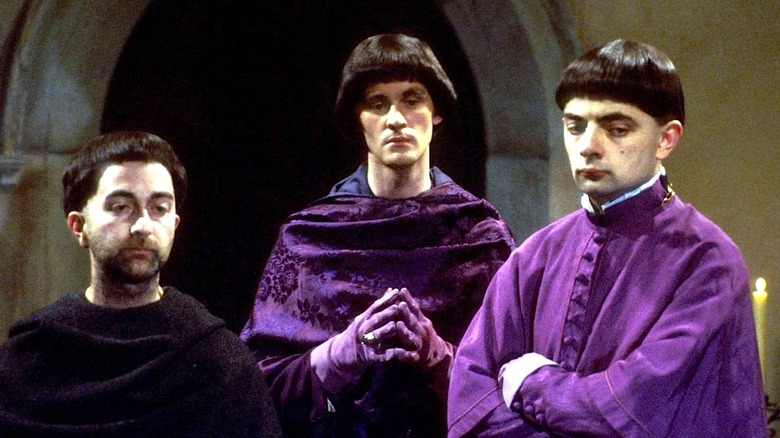
You may not be familiar with this British historical comedy, but you're certainly familiar with two of its stars: Rowan Atkinson, aka "Mr. Bean," as the brilliantly cruel Edmund Blackadder; and future "House" star Hugh Laurie as the dim-witted George. Each season of "Blackadder" takes place in a different historical timeframe — and the first season is generally considered the worst of them all.
For one thing, Season 1 (set during the Middle Ages) casts Atkinson's Blackadder as a simple-minded dope and his servant Baldrick (Tony Robinson) as his intellectual superior, though the later seasons switch that entirely, giving us the show's key comedy dynamic. Laurie doesn't appear in Season 1 at all, either, not making his debut until the following season. The Regency-set Season 3, and Season 4, set during World War I, are absolute comedy classics, with Atkinson, Laurie, and Robinson all in top form. Season 1, though? You're better off just skipping ahead.
11. Halt and Catch Fire
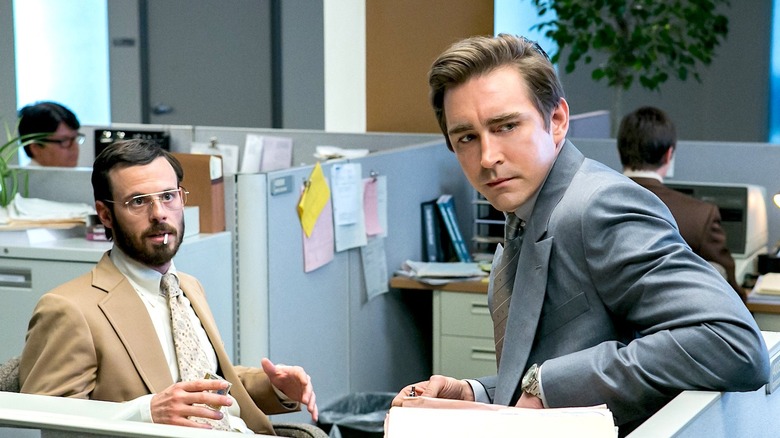
"Mad Men" was just wrapping up its acclaimed run when this drama chronicling the early days of personal computers debuted on AMC in 2014 — and it was easy to dismiss it as an attempt by AMC to replicate the success of "Mad Men," based on its first season.
Lee Pace's slick computer salesman Joe MacMillan comes off like a Don Draper clone in the early episodes, which amble around without much sense of narrative urgency. But in Season 2, the show reboots itself for the better, moving Joe to the background and refocusing on Kerry Bishé's Donna and Mackenzie Davis' Cameron as they launch their own online gaming community, channeling the chaotic energy of a scrappy start-up with something to prove. Critics took note of the upgrade, and positive buzz powered "Halt" to a healthy four-season run, culminating in an all-time great series finale — and proving it was much more than just a "Mad Men" clone.
12. It's Always Sunny in Philadelphia
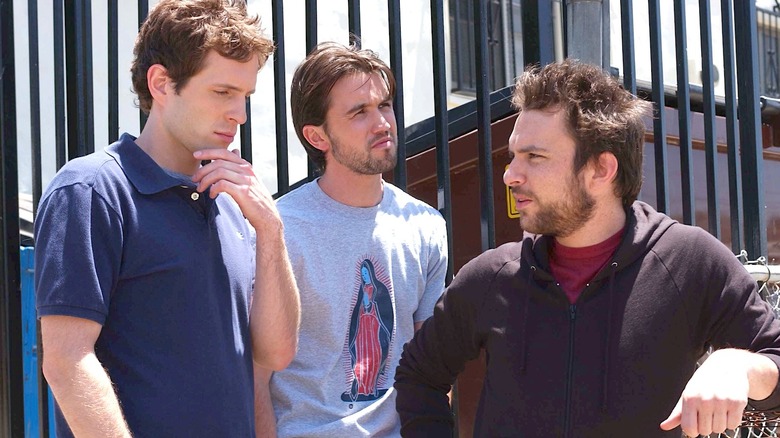
The Paddy's Pub gang has been stomping on polite social norms for a solid two decades now, with the sitcom debuting on FX way back in 2005 (and still going strong, we might add). The first run of episodes, though, might look strange to longtime fans — due to the absence of a key character.
Season 1's seven episodes are pretty much in line with the "Sunny" we love, with Mac, Dennis, Charlie and Dee taking on hot-button topics like racism, abortion, and gun control in gloriously insensitive ways. The show's shoestring budget, though, is evident on screen, and it's just missing something... which turned out to be TV great Danny DeVito, who joined the cast in Season 2 as filthy fraudster Frank. DeVito's no-f**ks-given performance adds an extra layer of outrageousness to the gang's dynamic and kicks "Sunny" into a higher, wilder gear — a gear that it's still cruising in, improbably, to this day.