

15 Best TV Shows Like Breaking Bad
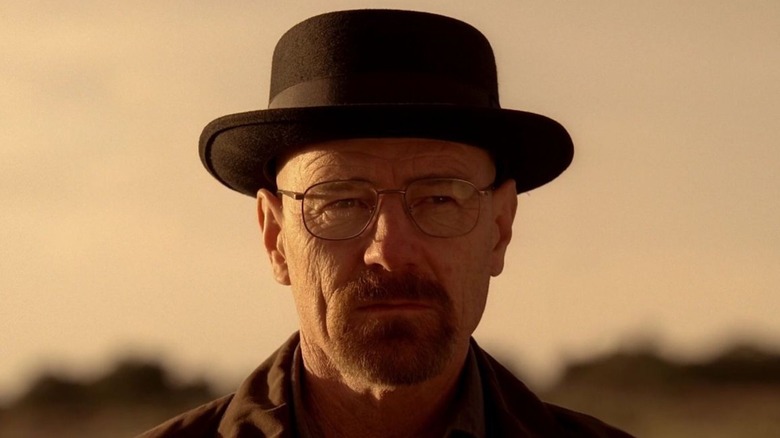
By this writer's estimation, "Breaking Bad" might be the single greatest television show ever made.
Originally airing over five seasons on AMC from 2008-2013, the Vince Gilligan-created show stars Bryan Cranston as Walter White, a mild-mannered chemistry teacher and family man who gets the heartbreaking diagnosis of terminal lung cancer. What does he do with this news? Refinance the house to afford chemotherapy? Double down on quality time with his wife (Anna Gunn) and son (RJ Mitte)? Not quite. Instead, he teams up with former student and current burnout junkie Jesse Pinkman (Aaron Paul) and starts cooking meth, using his chemistry know-how to make the best product on the streets. And as he breaks further and further bad, all hell breaks loose.
If you're a "Breaking Bad" stan jonesing for a new fix, we've got your back. Here are the 15 best TV shows like "Breaking Bad," all rife with criminal organizations, ordinary people pushed to extraordinary circumstances, and a curious combination of bloodshed and black humor.
Barry
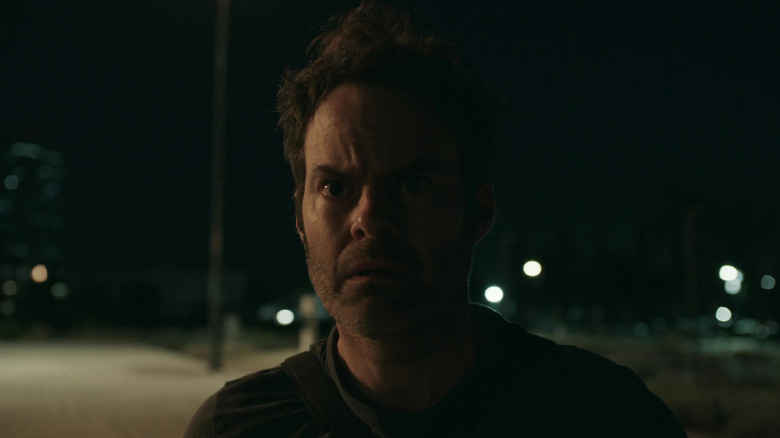
"Breaking Bad" stars a well-known TV comedy actor as a deeply flawed man who descends further and further into a hellish criminal underworld until his life is fully subsumed by darkness and evil. If this very specific path intrigues you, why not try "Barry"?
The HBO show stars well-known TV comedy actor Bill Hader as a hitman who travels to Los Angeles, joins an acting class (taught by the inimitable Henry Winkler), meets an intriguing classmate (Sarah Goldberg), and begins to question all of his life decisions. You could almost title the show "Breaking Good," as Barry tries desperately to reconcile his morally reprehensible actions with the potential for redemption.
But Barry's sins cannot and will not be ignored, and "Barry" depicts some of the most heinous, suspenseful, and downright evil actions and set pieces over four seasons this writer has ever seen in a TV show, helmed with the utmost craft and care. And it does all of this while being consistently laugh-out-loud funny. A marvel!
Better Call Saul
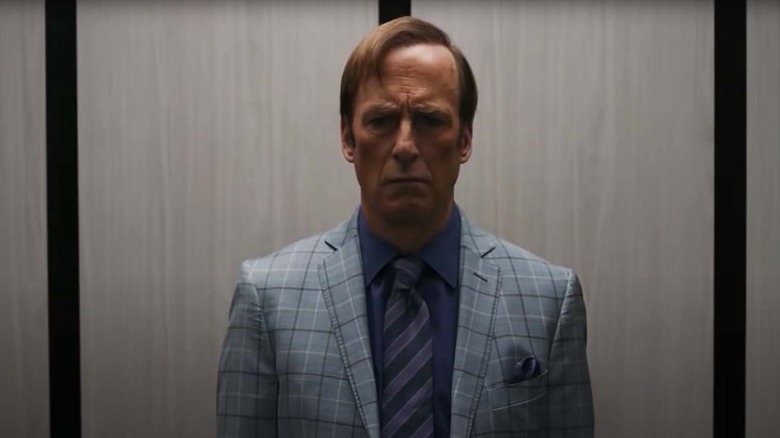
If you're a "Breaking Bad" fan, chances are you've already watched the spin-off series "Better Call Saul." But if you haven't, my goodness, what are you waiting for?
Created by Gilligan and "Breaking Bad" writer-producer Peter Gould, "Better Call Saul" centers on "Breaking Bad" supporting character Saul Goodman, the shady, fast-talking lawyer played by Bob Odenkirk (another well-known TV comedy actor). In the show's various timelines, with events taking place before, during, and after "Breaking Bad," the life of Saul — who we learn used to be one Jimmy McGill — is deepened with care, humor, and tragedy.
Jimmy has always been looked down upon, especially when compared to his sterling older brother Chuck (Michael McKean). But he has undeniable talents and instincts, ones well observed by his confidant-with-benefits Kim Wexler (Rhea Seehorn, in a star-making performance). Can he hone these into an honest life worth living?
Well, "Breaking Bad" fans already know the answer, giving the series an undeniable, classical-feeling power. Some consider this series to be superior to its inspiration, and after you plow through all six seasons, we'll await your verdict.
Claws
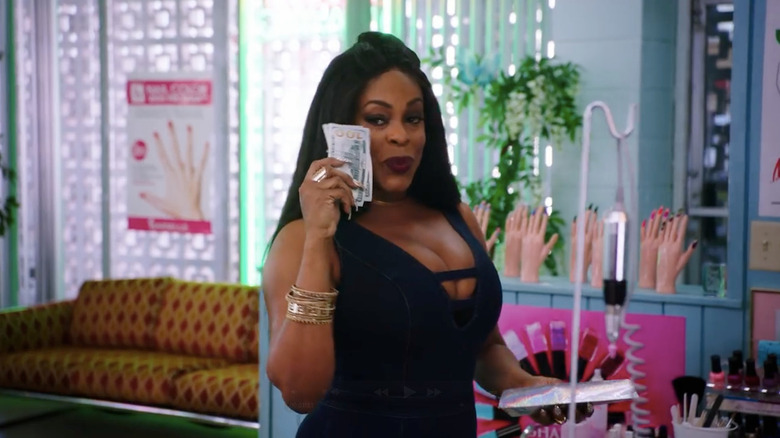
In "Breaking Bad," Dean Norris played Hank Schrader, a DEA agent who served consistently as the show's conscience, or at least its steady arbiter of justice. But in "Claws," the underrated TNT drama, Mr. Norris breaks bad himself.
He plays the delightfully named Uncle Daddy, the head of an organized crime family who comes into conflict with some new criminals in town. You see, Desna Simms (the sensational Niecy Nash) and her female colleagues and friends run a nail salon in Florida... on the surface. But underneath those still waters, they're all money launderers and fixers for a drug mob, trying to earn money and security by any means necessary while staying alive. And as the show progresses, Desna and her crew have to answer some tough questions and make some tough decisions with potentially deadly consequences.
To put it simply, "Claws" is to Florida as "Breaking Bad" is to New Mexico. It makes its locations look simultaneously alluring and queasy, and it moves through its breakneck plotting with humor, edge, and empathy.
Fargo
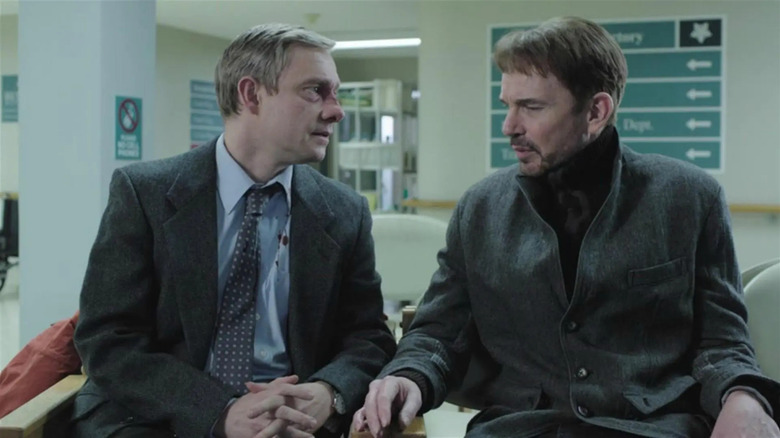
A lot of "Breaking Bad," both aesthetically and thematically, feels inspired by the work of the Coen brothers, the iconic filmmakers who brought us such works as "No Country for Old Men" and "Raising Arizona." So why not explore the wide-varying world of a TV series literally inspired by the Coen brothers?
Noah Hawley developed "Fargo," the FX anthology series, from the Coen brothers' 1996 film of the same name. In each season, regular people fall further and further in over their heads as they meet forces of evil, violence, nature, and an unblinking indifference to the human race's superficial plights and desires.
Each season tells a self-contained story with minor nods to the Coens' film and features a murderer's row (often playing literal murderers) of talent. People like Billy Bob Thornton, Kirsten Dunst, Carrie Coon, Chris Rock, and Jennifer Jason Leigh have all gritted their way through Hawley's gnarly stories.
Good Girls
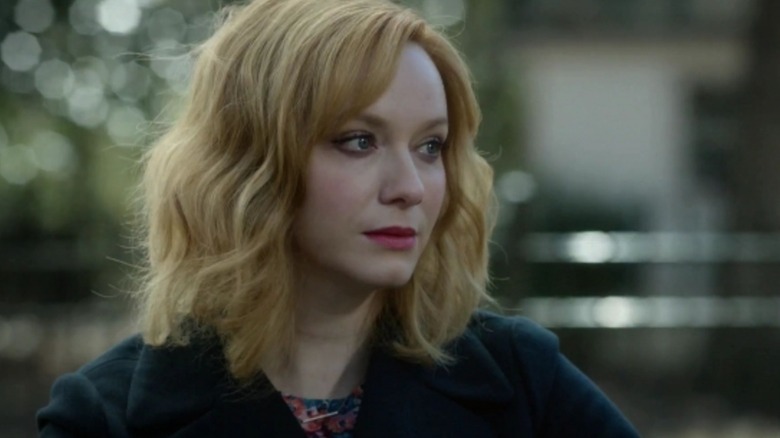
If you dug the relatively lighter, funnier tone of the first season of "Breaking Bad" and are craving a series that follows that style — or if you just need a glass of rosé after the Jägerbomb of "Breaking Bad" — give "Good Girls" a watch.
The crime comedy, created by Shondaland vet Jenna Bans, stars Christina Hendricks, Retta, and Mae Whitman as a trio of friends and struggling mothers who decide to rob a local grocery store for cash. And while their heist is successful, it attracts attention — and, not unlike Walter White, lights a fire of fulfillment underneath the women's suburban ennui. So these so-called "Good Girls" dig further and further into a life of crime, surprising their fellow criminals, law enforcement agents, and family members all along the way.
That's not to say "Good Girls" is a pure lark. As the show moves through its four seasons (cut regrettably short by NBC), things get deeper, stakes get higher, and consequences multiply.
Griselda
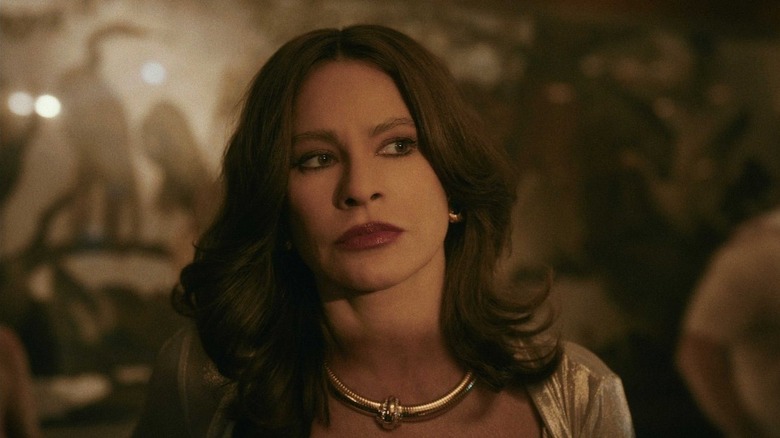
In the Netflix miniseries "Griselda," Sofia Vergara, a well-known TV comedy actor, broke bad in a way most have never seen her before.
Vergara, also a producer on the show, plays the real-life drug lord Griselda Blanco. Superficially, you could describe Griselda's story as "the female Scarface" – she rose through the Miami drug and crime scene in the 1980s with fearsome power, money, and violence. But crime, as we keep learning from the shows on this list, doesn't pay, and Griselda's life crescendos into acts of unspeakable tragedy, even for the shows on this list.
Bryan Cranston had the benefit of five seasons to burrow under the skin of Walter White. But in just six episodes, Sofia Vergara gives a startling performance as this volatile figure, centering the pervasive acts of violence and retaliation with strength, vulnerability, terror, and cold, hard decision-making. While some career criminals preach a moral high ground to justify their actions, "Griselda" shows, over and over, that self-preservation trumps everything.
The Lone Gunmen
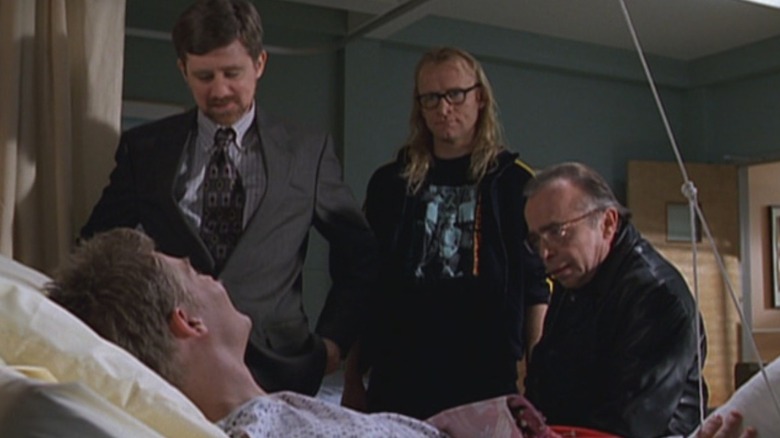
Vince Gilligan cut his creative TV teeth working as a writer and producer on "The X-Files," the iconic Fox series that combined the pleasures of the case-of-the-week police procedural with the imagination of the science fiction and horror film.
In 2001, Gilligan accrued his first TV creator credit, co-creating "X-Files" spinoff "The Lone Gunmen" alongside John Shiban, Frank Spotnitz, and Chris Carter. For those interested in Gilligan's career as a whole, "The Lone Gunmen" is a fascinating and entertaining watch – and one that might give clues to the trippy sci-fi path his new show "Pluribus" might take in future seasons.
The one-season wonder follows a trio of characters, known as the Lone Gunmen, originally debuting in "X-Files" episode "E.B.E." John Fitzgerald Byers (Bruce Harwood), Melvin Frohike (Tom Braidwood), and Richard Langly (Dean Haglund) are countercultural conspiracy theorists who investigate cases with a surprising amount of irreverence and paranoia. The 13 episodes are propulsive and madcap beyond their thrills and chills, highlighting a puckish sense of humor that Gilligan has always possessed.
Narcos
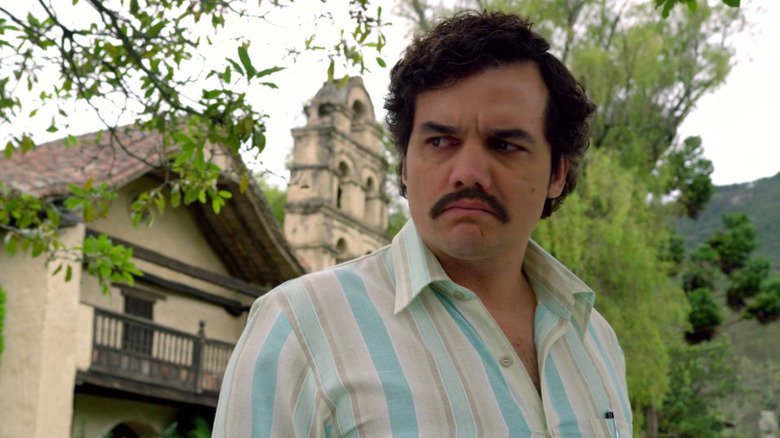
The Netflix crime drama "Narcos" plays, in some ways, as if the hunt for Heisenberg, as led by DEA agent Hank Schrader, was zoomed in on and expanded into its own show. Boyd Holbrook plays our Schrader-adjacent figure, DEA agent Steve Murphy, tasked with bringing down a real-life Heisenberg: notorious drug lord Pablo Escobar (Wagner Moura).
Murphy is paired with DEA agent Javier Peña (Pedro Pascal, in what's arguably his breakout role), and Escobar... well, Escobar has a whole bunch of stuff to deal with. Running one of the largest and most influential drug and crime cartels ain't child's play, and Escobar's constant chess moves provide much of the thrilling juice of the show.
The third season centers on Peña as our new main character in his fight against the real-life Cali Cartel, as led by Gilberto Rodríguez Orejuela (Damián Alcázar), a man interested in taking his cartel in new directions. And if you dig these three seasons, check out the spinoff series "Narcos: Mexico" for three more seasons of thrilling crime drama.
Ozark
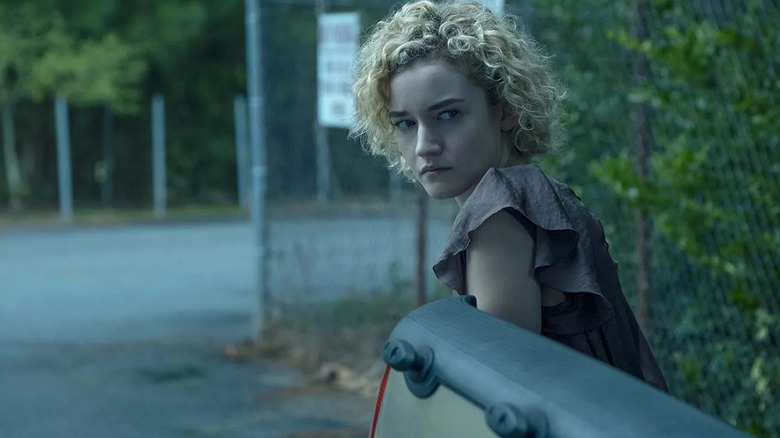
"Ozark" takes the central, tantalizing hook of "Breaking Bad" – what if an average guy turned to a life of crime and got in way over his head? – and plunges it as deep into the depths of moral decrepitude as creators Bill Dubuque and Mark Williams, and showrunner Chris Mundy, are willing to go.
The Netflix series stars Jason Bateman (who also produces and directs many episodes) as Marty Byrde, a financial advisor whose family life is in the toilet. His children don't respect him, his wife (a steely Laura Linney) hates him, and that's all before you factor in his side hustle of laundering money for vicious and violent cartels! As he moves his family to the titular Lake of the Ozarks in a last-ditch attempt to save his skin, he falls in deep with more and more local criminal syndicates, putting everyone in jeopardy.
The show, despite its prestige-ready aesthetics, plays a lot soapier and pulpier than "Breaking Bad," delving into melodrama at a moment's notice. In other words, it's a sick and slick piece of entertainment – and there might be a spinoff coming.
Pluribus
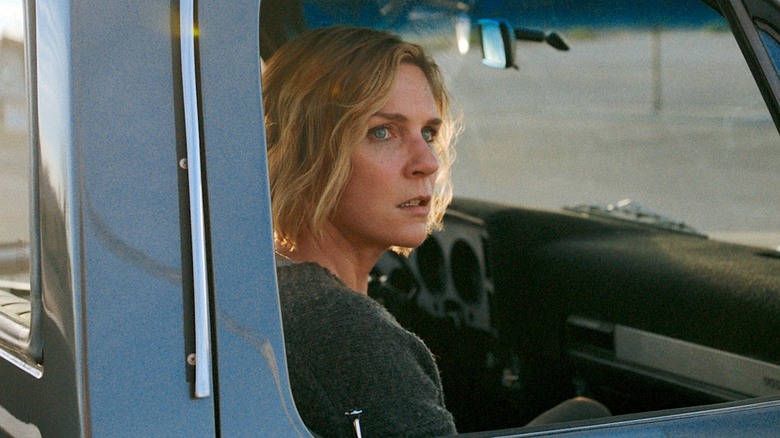
Vince Gilligan fans had reason to celebrate this year: Apple TV threw a bunch of money at the "Breaking Bad" creator to dream up a new series... and he did not disappoint.
A bold and bizarre sci-fi mystery, "Pluribus" weaves together aspects of several of Gilligan's past projects, dropping his "Better Call Saul" leading lady Rhea Seehorn into a wild alien conspiracy straight out of "The X-Files." Seehorn stars as Carol, a disillusioned author who suddenly finds herself as one of a handful of people on Earth who aren't affected when a mysterious alien virus turns the rest of the planet into disturbingly cheerful zealots trying to get her to join their collective hive mind.
It's a huge storytelling swing, and Gilligan is just the sort of writer to take it, layering in plenty of shocking plot twists and bursts of pitch-black humor that "Breaking Bad" fans will appreciate. Anyone who watched "Better Call Saul," too, will appreciate Seehorn's raw and heartbreaking performance here, which might even top her work as Kim Wexler (if that's possible).
The Shield
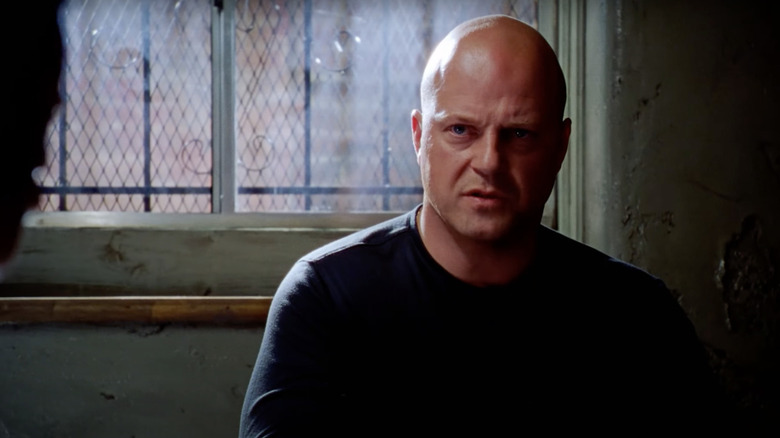
Originally airing from 2002-2008 on FX, Shawn Ryan's "The Shield" centers on Vic Mackey (Michael Chiklis), a character who feels like Walter White and Hank Schrader smushed together.
Vic is the leading detective of a controversial facet of the Los Angeles Police Department known as the Strike Team. They attack what it perceives to be criminal forces by any means necessary, often committing crimes in the process. And Vic is more than willing to slide further and further into corruption, resorting to ugly tactics and moral perversion to solve what he sees as his mission and his calling.
"Breaking Bad" tells a complete story and character arc from beginning to end, a trait it shares with "The Shield," despite that show additionally giving us the pleasures of the usually episodic police procedural. In fact, fans of the "Breaking Bad" series finale might find some interesting parallels in the perfect series finale of "The Shield."
Sneaky Pete
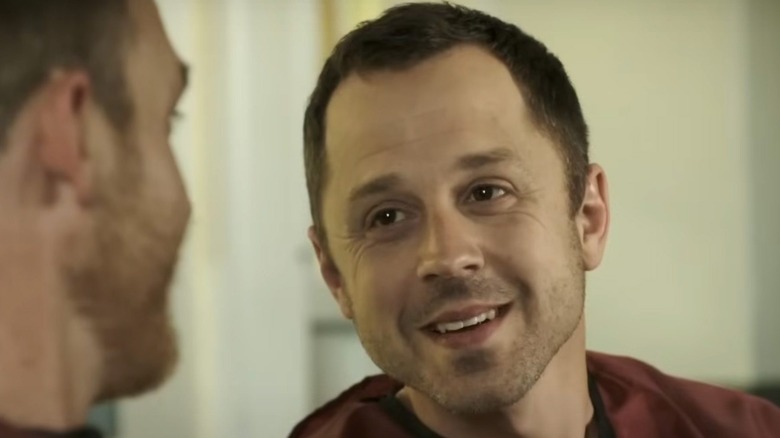
"Sneaky Pete" is a crime dramedy with a curious tone, excellent performances, and a scintillating hook. It's co-created by TV veteran David Shore (including "Battle Creek," which he co-created with Vince Gilligan) and a guy by the name of Bryan Cranston, aka Walter White himself. Cranston also recurs on the show as gangster Vince Lonigan (a play on Vince Gilligan?), but it's more interesting to see how the show represents his creative vision behind the camera, undoubtedly influenced by "Breaking Bad."
The ever-twitchy Giovanni Ribisi stars as Marius Josipović, a career criminal who gets out of prison and finds himself on the run from the many bad actors of his past. Out of desperation, he assumes the identity of his former cellmate, named Pete Murphy, and ingratiates himself into the life of Pete's estranged family.
Complications ensue, all of which walk that queasy and delicious line between absurd comedy and shocking violence. It's kinda like the love child between "Breaking Bad" and that other AMC prestige drama, "Mad Men."
Snowfall
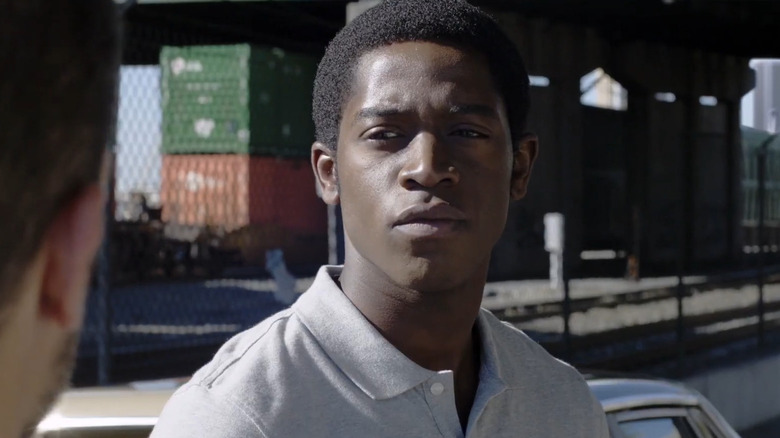
Another FX crime drama about the precarious relationship between criminals and law enforcement agents, "Snowfall" paints a vivid picture of the '80s crack cocaine epidemic in South Central Los Angeles, a period of American history that predominantly affected Black communities.
Damson Idris stars as Franklin Saint, a character with as ironic a last name as Walter White. Franklin works his way up to the top of a Black organized crime outfit called The Family, pushing crack and other drugs on the streets while maintaining power and order in an ever-shifting, ever-volatile market.
Additionally, Teddy McDonald (Carter Hudson) is an undercover CIA agent getting involved in the drug production and distribution game to disrupt the dissemination of communism in Nicaragua. As all of these stories, and many more, begin to intersect and affect each other, the thin line separating "good" from "evil" dissipates entirely, leaving only values like "power" and "money" as the true drugs that power the world.
The Sopranos
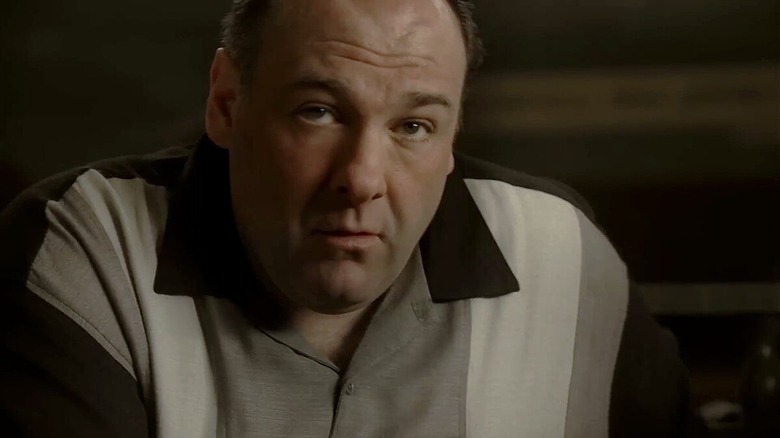
The granddaddy of serialized, character-driven crime shows, centered around the granddaddy of TV antiheroes. There is no "Breaking Bad" without "The Sopranos," and if you haven't paid your respects, now is the time.
Created by David Chase and running on HBO for six seasons from 1999-2007, "The Sopranos" stars James Gandolfini as Tony Soprano, the head of the DiMeo crime family. In and around New Jersey and New York, Tony engages in all kinds of criminal chicanery as he tries to maintain power and control. These are all requisites of the crime genre, all delivered wonderfully.
Where "The Sopranos" remains particularly powerful and influential are its character-driven jaunts. Tony deals with domestic and familial issues, including those with his wife Carmela (the outstanding Edie Falco), and has a spate of mental health issues he sees a therapist for (Lorraine Bracco, also outstanding). The DNA of these highly contrasting issues is plainly observable in the best episodes of "Breaking Bad."
Weeds
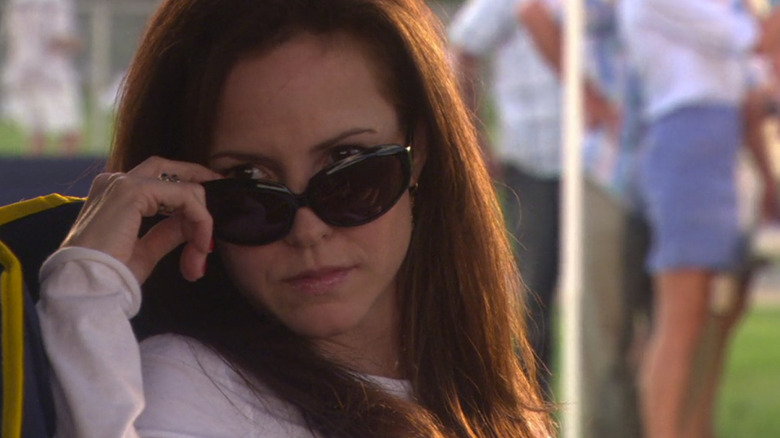
And now, the patron saint of "normal person becomes drug dealer out of financial necessity" shows: "Weeds."
"Weeds," created by Jenji Kohan, stars Mary-Louise Parker as Nancy Botwin, a single mother struggling to stay afloat while raising her two sons (Hunter Parrish and Alexander Gould). What choice does she have but to start dealing marijuana, an activity still seen as verboten when the show originally aired from 2005-2012? Of course, Nancy's new enterprise grows bigger and bigger, leading her down more criminal paths with intense consequences, let alone what it does to her personal and family life.
"Weeds" is probably the funniest show on this list, a pure comedy through and through. And Parker delivers an excellent performance, orienting us throughout the show's sometimes topsy-turvy plot moves with sharpness, versatility, and reserve. The other characters on this show are similarly fluid, often more so than the usually bull-headed characters on "Breaking Bad," making for a gentler, more humane watch throughout its eight seasons.