

Every Law & Order Show, Ranked
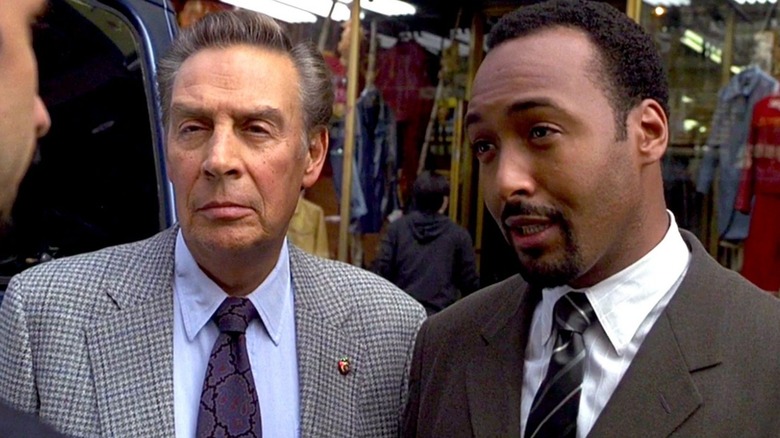
When it comes to network television police procedurals, the enduring gold standard for the genre is "Law & Order." After the original series premiered in 1990, the "Law & Order" has since expanded into one of TV's largest continuing franchises. In addition to inspiring a growing number of spin-offs, the franchise boasts some of the longest-running primetime scripted series in American television history. Each show explores different aspects of contemporary law enforcement, highlighting the professional connection between the police and the legal system.
That said, not every police procedural is created equal. Even a modern television institution like "Law & Order" is bound to have a few misfires across its extensive history. With all of that in mind, we've assembled a ranking of every show produced for the main franchise. Here is every "Law & Order" show ranked, each providing their own twist on the franchise's crime-and-punishment premise.
International remakes and related series
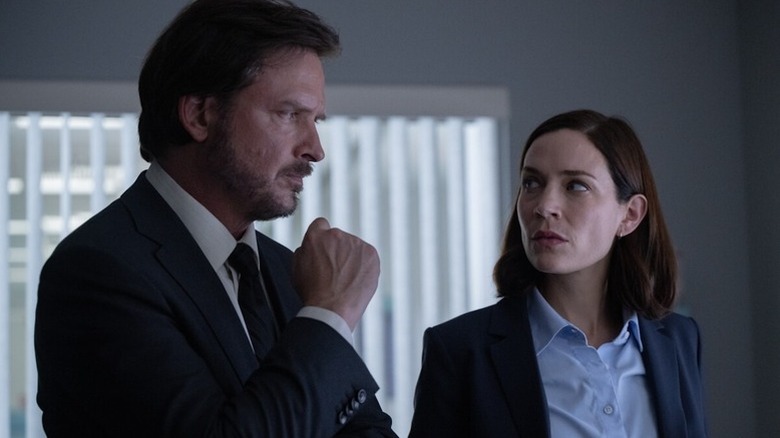
"Law & Order" has expanded its franchise presence to multiple markets outside the United States. This includes several countries producing their own versions of the series and its various spin-offs. Whether it's "Law & Order Toronto: Criminal Intent" taking the franchise's empire to the North or foreign language adaptations of the familiar premise, "Law & Order" has been reimagined internationally. Here are the overseas versions of "Law & Order" ordered by premiere date and country of origin:
-
"Paris Criminal Investigations" (France)
-
"Law & Order: Division of Field Investigation" (Russia)
-
"Law & Order: Criminal Intent" (Russia)
-
"Law & Order: UK" (United Kingdom)
-
"Law & Order Toronto: Criminal Intent" (Canada)
While several of these shows are available to view in the United States, we're keeping this list to the mainline entries produced directly by NBC and Peacock. We're also omitting series that have crossed over with "Law & Order" or related shows that take place in the same universe and sometimes share the same characters. (These include Dick Wolf's Fox cop drama "New York Undercover," the newspaper-set "Deadline" and the ADA Alex Cabot-centric "Conviction"). Simply put, unless it's an NBC/Peacock show that bears the "Law & Order" branding, it didn't make the cut this time.
7. Law & Order: LA
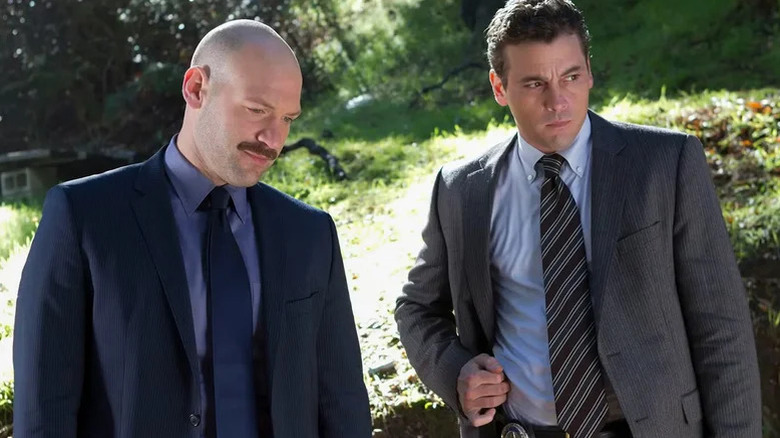
Historically, the franchise has been primarily set in New York City and its surrounding areas, exploring different crimes throughout the city. That makes 2010's "Law & Order: LA" all the more of a bold revamp for the property. In addition to translating the police procedural to Southern California, the spin-off was led by Alfred Molina as Deputy District Attorney Ricardo Morales. After the death of original protagonist Rex Winters (Skeet Ulrich), Morales resigned from his attorney position to become a senior Los Angeles Police Department detective for the remainder of the series.
Beyond its change in primary setting, there was always just something off about the 2010 spin-off series. The producers noticed, leading to "Law & Order: LA" undergoing a creative shake-up in the middle of its run. When this proved to be ineffective, NBC quietly pulled the plug on the show after a single season.
6. Law & Order: Trial by Jury
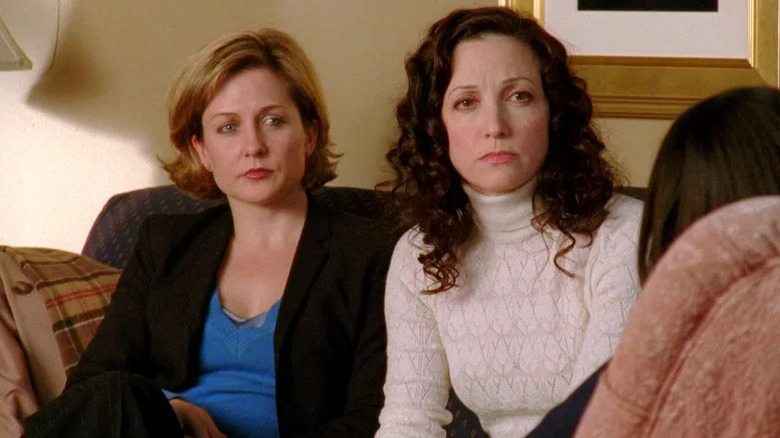
Though legal proceedings and courtroom drama have always been a big part of the franchise, 2005's "Law & Order: Trial by Jury" placed a sharper focus on the lawyers' side of the story. The series' protagonist was Tracey Kibre (Bebe Neuwirth), an assistant district attorney who largely handles homicide cases in Manhattan. Leading the office's Homicide Bureau, Kibre maintained a very close working relationship with her staff and was notably straitlaced in how she viewed the criminal justice system. Among the franchise's familiar faces that appeared in the short-lived series were Jerry Orbach's Lennie Briscoe and Fred Dalton Thompson's Arthur Branch.
"Trial by Jury" holds the dubious distinction of being the first "Law & Order" series to be cancelled. Running for only 13 episodes, it felt like the adventures of Kibre and her team ended just as they started to find their own voice. Neuwirth was reliably good in her role, but audiences just never really got a chance to get to know her and her associates. A curious blip in the franchise's wider history, "Law & Order: Trial by Jury" deserved better — but not enough to earn a higher spot here.
5. Law & Order True Crime
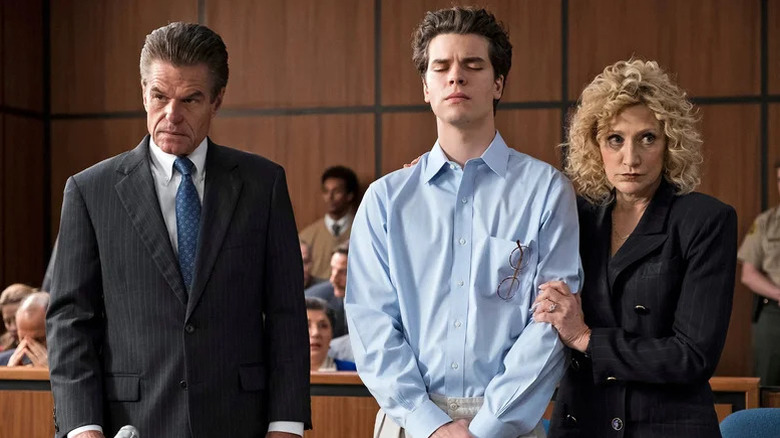
Though "Law & Order" primarily features on episodic stories, the 2017 series "True Crime" opted for a serialized narrative. The entire sole season of the spin-off focused on the murder trial of Lyle and Erik Menendez, who were convicted of killing their parents in 1996. Defense attorney Leslie Abramson (Edie Falco) represents Lyle (Miles Gaston Villanueva) and Erik (Gus Halper) after they're taken into custody in Los Angeles. The situation is complicated by the intense media scrutiny on the case as it unfolds and the circumstances of the Menendez brothers' domestic life comes to light.
"Law & Order" often has proclaimed that its stories are ripped from the headlines of actual criminal cases, but "True Crime" takes this distinction to another level. This show also feels like the biggest departure stylistically, from its season-long story to its Los Angeles setting. What elevates the show above the earlier single season spin-offs is Falco's bravura performance as Abramson, which electrifies every scene she's in. At the very least, "Law & Order True Crime" handles its story better than Ryan Murphy's controversial "Monsters: The Lyle and Erik Menendez Story," which would come years later.
4. Law & Order: Organized Crime
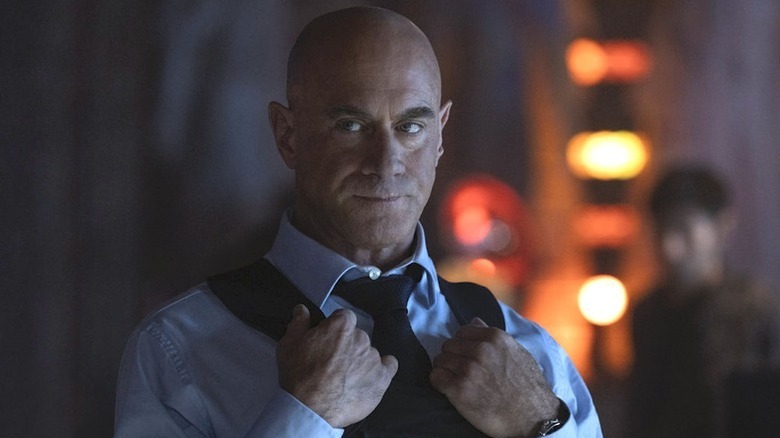
Christopher Meloni made his big return as Elliot Stabler as part of a special crossover with his old series, "Law & Order: SVU," to launch the 2021 spin-off "Organized Crime." Motivated by his wife's murder, Stabler rejoins the NYPD as part of a special police task force formed to combat various organized crime entities in the city. Though occasionally working with his colleagues from "SVU," Stabler mainly works with a new team confronting crime syndicates. He also grows closer with his older brother, Randall (Dean Norris). Though the series started on NBC, it moved to Peacock starting with Season 5.
Right from the opening crossover event, it's a genuine pleasure to see Mariska Hargitay and Christopher Meloni performing opposite each other again. Beyond that, Meloni slips back into the role of Stabler like no time has passed at all, bringing an added fire to the venerable police detective's work. For his part, Meloni has shared what interesting elements he's brought the character this time around.
3. Law & Order: Criminal Intent
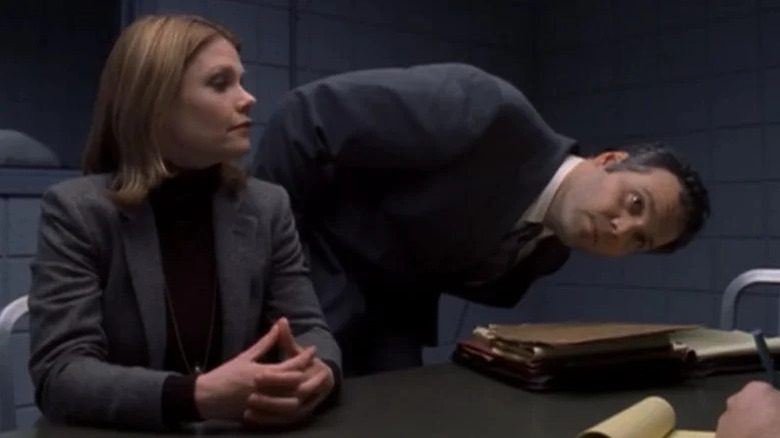
The turn of the 21st century saw the debut of a second "Law & Order": "Criminal Intent" premiered in 2001. The show followed the NYPD's major crimes unit, with an emphasis on high-profile cases impacting prominent figures in the city. As the title suggests, the series focused more on the criminal psychology aspect of the crimes, particularly in regard to the perpetrators' motives. The show's primary lead police detectives were Kathryn Erbe (Alexandra Eames) and Bobby Goren (Vincent D'Onofrio), who delved into the psyches of the crooks that they pursued.
"Criminal Intent" is the darkest "Law & Order" show tonally, often employing an inverted detective format of revealing the culprit before the detectives try to identify and understand them. This is underscored by its tendency for bleaker episode endings and the tortured Goren as the series' emotional core. The show is also the only one in the franchise to boast having the delightfully eccentric Jeff Goldblum as a series regular, albeit only for two seasons. While "Law & Order: Criminal Intent" received a good series finale, in a post-"Mindhunter" world, the format feels ripe for a revival.
2. Law & Order
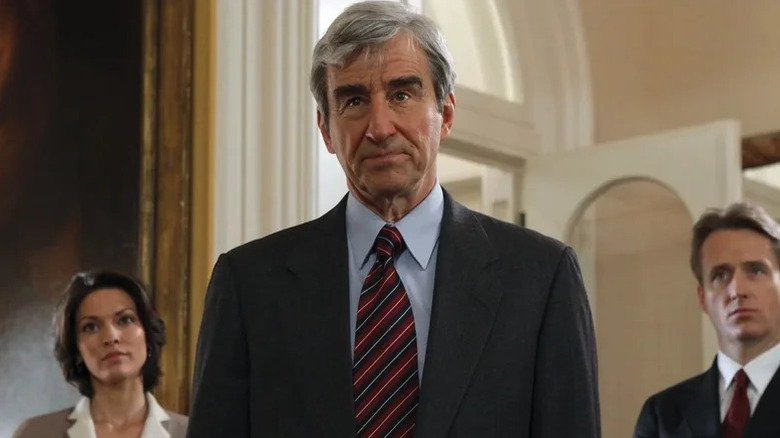
The show that started it all, the original "Law & Order", was created by Dick Wolf in 1990. The series blends police procedural with legal drama, as the New York Police Department works with the district attorney's office on murder cases around the city. Episodes are typically divided into the police investigating a given crime and arresting a suspect in the first half, with the subsequent court case filling the episode's second half. The series ran for 20 seasons before being revived on NBC in 2022, mixing classic and new cast members.
The influence and legacy of "Law & Order" can't be understated, not just in creating a franchise but redefining the police procedural and legal drama genres. Apart from its mix of detective and courtroom drama, the real secret sauce to the show's success is in its casting. The series has always been stacked with veteran character actors, from early-days standouts like Jerry Orbach and Sam Waterston to current stars like Maura Tierney and David Ajala. Reminder: Our ranking is based on overall series quality. If we were just grading on impact, the original "Law & Order" would easily take the crown.
1. Law & Order: Special Victims Unit
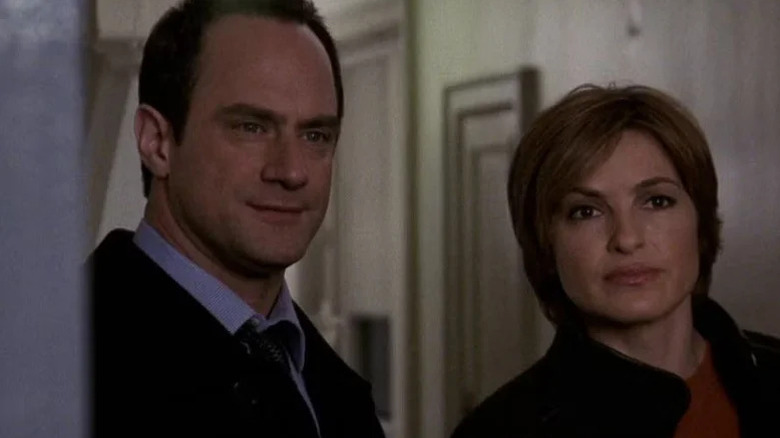
For as enduring and foundational as the original "Law & Order" was and is, "Special Victims Unit" always was going to take the top spot. Premiering in 1999, "SVU" is both the first "Law & Order" spin-off and the longest-running series in the franchise overall. This particular unit in the NYPD focuses on sex-based crimes, with the series mainstay being detective, and later captain, Olivia Benson (Mariska Hargitay). Initially partnered with Elliot Stabler (Chris Meloni), Benson works with her team to bring justice to sex-crimes victims around the city.
Given its premise, "SVU" stands as the most emotionally affecting and nuanced series in the "Law & Order" franchise. The show delves into complicated social issues and raw trauma, emphasizing recovery or, at the very least, a sense of closure in stories that rarely feel exploitative. This approach leads to a deeper investment in the main characters and their dynamics. With so many standout episodes, "SVU" is the clear reigning champion as the best "Law & Order" series in the franchise.