

10 Hit Shows From The '90s That Nobody Talks About Today
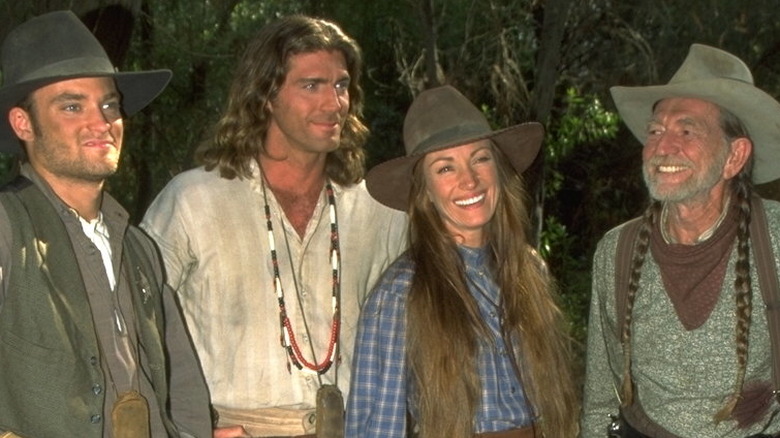
Those who experienced the 1990s are incredibly fortunate. Not only did they see the rise of CGI in films such as "Terminator 2: Judgment Day" and "Jurassic Park," but they also witnessed the peak of network television. This was the era of smash-hit comedies such as "Friends" and "Seinfeld," and dramatic cop series like "NYPD Blue," "Law & Order," and "Walker, Texas Ranger." And if you weren't old enough for sitcoms and crime dramas, you could head over to Nickelodeon to watch "Doug," "Rugrats," or, if your parents would allow it, "Ren & Stimpy."
For pop culture nerds, it was a great time to be alive.
Predictably, not every major sensation from the decade rolled over into the 2000s. For every "Seinfeld" — a series that endures the test of time despite a few controversial episodes — there exists about a dozen forgotten hit TV series waiting to be rediscovered by modern audiences. To help keep these great shows alive in the public consciousness, we've assembled a list of 10 awesome shows from the '90s that nobody talks about anymore.
Northern Exposure (1990-95)
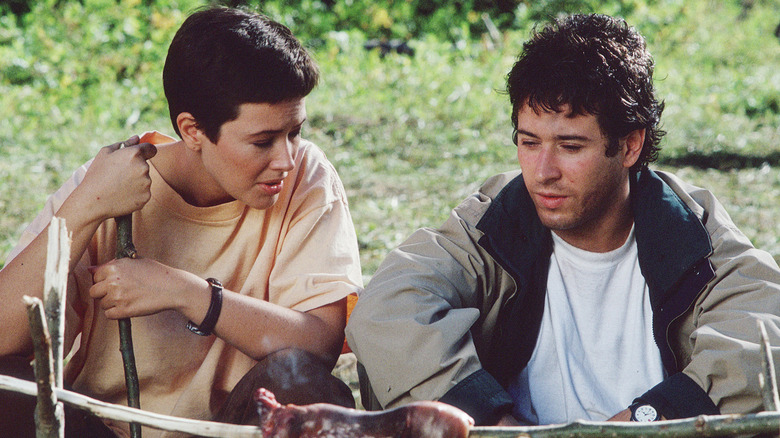
Before prestige TV became a recurring staple in our lives, viewers were treated to "Northern Exposure," a delightful comedy-drama about a neurotic New York City doctor Joel Fleischman (Rob Morrow) who accepts a scholarship to medical school but must repay it by setting up shop in highly remote Cicely, Alaska. The town itself is home to a wildly eccentric group of people, including a philosophical ex-con-turned-radio-host, a capitalist bar owner, a fiercely independent bush pilot, and Native Alaskan characters devoted to spirituality and myth.
Joel is clearly out of his element, but what begins as a classic fish-out-of-water tale gradually evolves into a gentle meditation on identity, community, and belonging. The series is funny without being joke-driven, dramatic without tipping into melodrama, and whimsical without ever feeling corny. It was absolutely brilliant — so much so that it nabbed multiple Emmy Awards, including outstanding drama series.
So why aren't we talking about "Northern Exposure" today? For starters, the series included plenty of licensed music, which long prevented it from streaming. When it finally arrived on DVD, altered music cues dulled the experience. "Northern Exposure" showed up on Prime Video in 2024, so maybe we can start talking about it again now that we can actually see it.
Wings (1990-97)
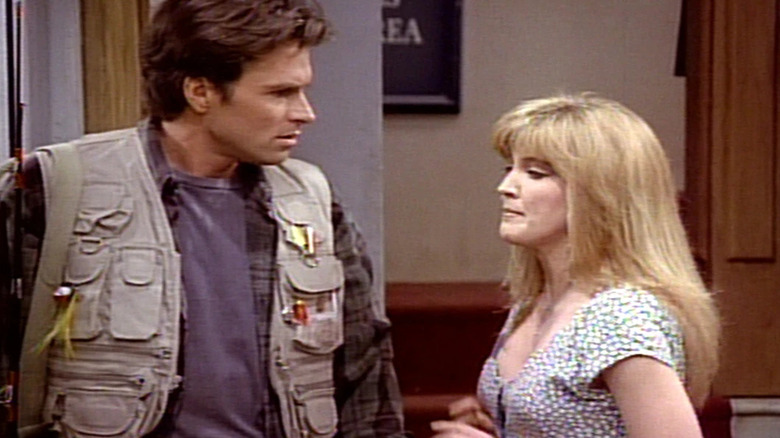
"Wings" is like one of those NBA teams you look back on and realize were absolutely loaded with young talent but somehow never won a ring. Just take a gander at the main cast: Tim Daly, Steven Weber, David Schramm, Thomas Haden Church, and Tony Shalhoub — a literal who's who of up-and-comers who went on to impressive careers over the next several decades.
Look, "Wings" was a quietly enormous hit that held its own during NBC's must-see TV era, airing alongside shows like "Friends" and "Seinfeld" from 1990 to 1997. It was relatively well-regarded by critics and drew millions of viewers. Yet somehow, this low-key workplace comedy set at a tiny airport on Nantucket Island has all but vanished from collective memory.
"Wings" is good, but it's a by-the-numbers sitcom designed to appeal to the broadest possible audience without rocking the boat. The humor is sharp but inoffensive; the storylines are earnest, well-crafted, and pleasant — even the one about a plane crash. Still, even in its heyday, none of it ever seeped into the cultural zeitgeist.
Shows like "Seinfeld" and "Friends" endure thanks to iconic catchphrases, edgy storylines, and instantly recognizable characters. "Wings," for all its strengths, is best described as affable entertainment. You'll laugh, and maybe even tear up, but it's unlikely much of it will linger with you years down the road.
Dr. Quinn, Medicine Woman (1993-98)
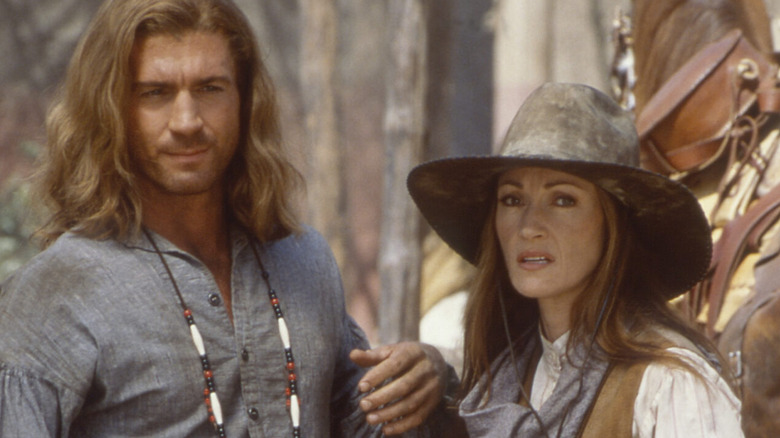
Set in the post–Civil War frontier town of Colorado Springs, "Dr. Quinn, Medicine Woman" follows Jane Seymour's Michaela "Mike" Quinn as she navigates a deeply conservative, male-dominated society. Think of it as an Old West–style medical drama complete with familiar genre tropes filtered through a family-friendly lens. During its mid-'90s run, the series offered earnest, highly accessible weekly entertainment, which explains its multiple Emmy nominations and wins.
Seriously — this show turned Seymour into a full-blown TV icon. (She apparently even lives up to her character's morals now and again.)
Unfortunately, "Dr. Quinn" has also proven to be largely forgettable, fading into obscurity over time. And it's not difficult to see why. Unlike other medical or Western series, it lacks a "cool" factor. Even during its original run, it felt like the kind of show your parents watched. It's unapologetically sincere, steeped in optimism and old-fashioned values with no snark or cynicism in sight. Instead, "Dr. Quinn" is decidedly vanilla-flavored television, and its episodic structure and lack of narrative momentum make it a tough sell in the binge era.
Still, in retrospect, the series was almost radical in its earnestness. It tackles serious issues like sexism, racism, and class divisions, among others, but does so with maturity and restraint. The messaging is clear without ever becoming preachy or inflammatory.
Spin City (1996-2002)
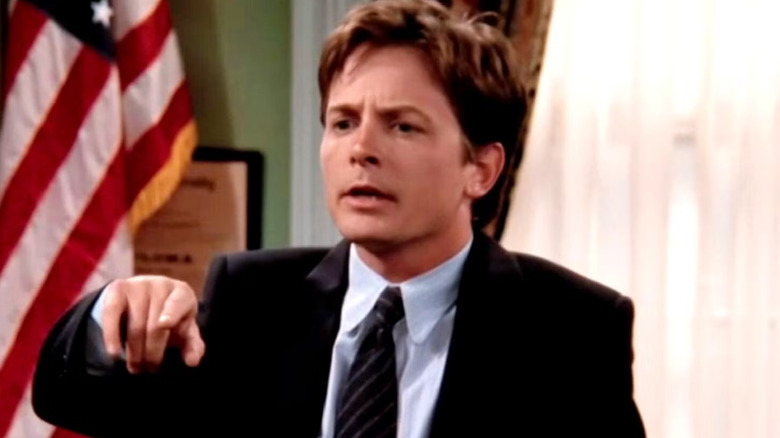
Largely seen as Michael J. Fox's long-awaited return to television following a successful movie career, "Spin City" takes place inside New York City Hall, where Deputy Mayor Mike Flaherty (Fox) deals with the daily stress of keeping an incompetent mayor out of trouble. He spins scandals in a positive direction, juggles office egos, and stops political catastrophes before they explode.
The all-star cast included Richard Kind (who has fond memories of the experience), Alan Ruck, Connie Britton, Heather Locklear, Carla Gugino, and even Charlie Sheen, who stepped in to replace Fox when his health deteriorated. Each brought a quirky energy that amplified the show's already dysfunctional workplace dynamic.
Despite its success, "Spin City" is a largely forgotten piece of '90s television. Honestly, that likely has more to do with its apolitical tone than anything else. While set in a buzzing city hall, the series never pushes its politics beyond a few harmless quips, ensuring it never offends viewers. That restraint helped broaden its appeal at the time, but it also kept the show from leaving a lasting mark.
As constructed, "Spin City" is comfort food, a typical Bill Lawrence sitcom designed to entertain without provocation. It gets the job done, but Fox's early departure coupled with the show's toothless approach to its subject matter ultimately hampered its cultural endurance.
Perfect Strangers (1986-1993)
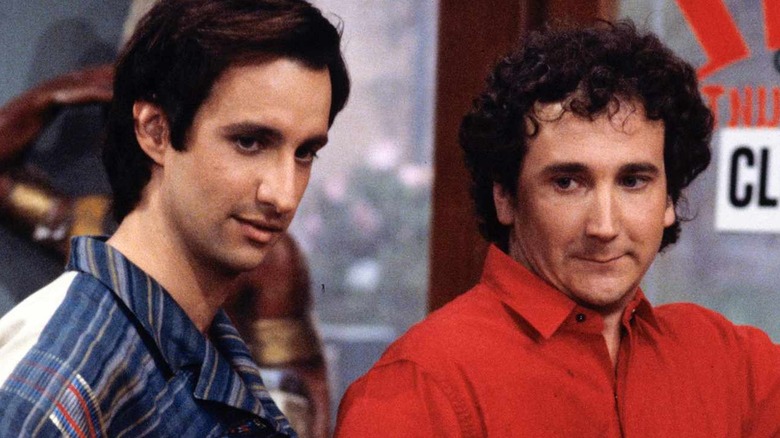
Kids today will never understand the awesomeness that was "TGIF." Every Friday night, ABC aired a block of sitcoms for millions of American families to enjoy — staples like "Full House," "Family Matters," and later "Boy Meets World" and "Step by Step." "Perfect Strangers" was another key member of that lineup. And while it didn't initially debut as part of "TGIF," it eventually fit the programming block like a glove. (Fun fact: "Perfect Strangers" also introduced audiences to future "Family Matters" matriarch Harriette Winslow, played by Jo Marie Payton.)
Alas, while Bronson Pinchot is often remembered for his film roles in "True Romance" and "Beverly Hills Cop," his turn as Balki Bartokomous — the eccentric European cousin of uptight Larry Appleton (Mark Linn-Baker) — is, like the series itself, largely forgotten. Honestly, it makes sense. Like many comedies of its era, "Perfect Strangers" is tailor-made for the late '80s and early '90s. Borrowing cues from "The Odd Couple," this fish-out-of-water tale leans heavily on very broad humor, cultural misunderstandings, Balki's accent, and physical gags.
Unlike sharply written comedies such as "Frasier" or "Cheers," which remain just as effective today as they were during their original runs, "Perfect Strangers" plays best as a time capsule of late-'80s optimism. It's a warm, well-meaning story about friendship that also paved the way for bigger, more enduring hits like "Family Matters."
The Pretender (1996-2000)
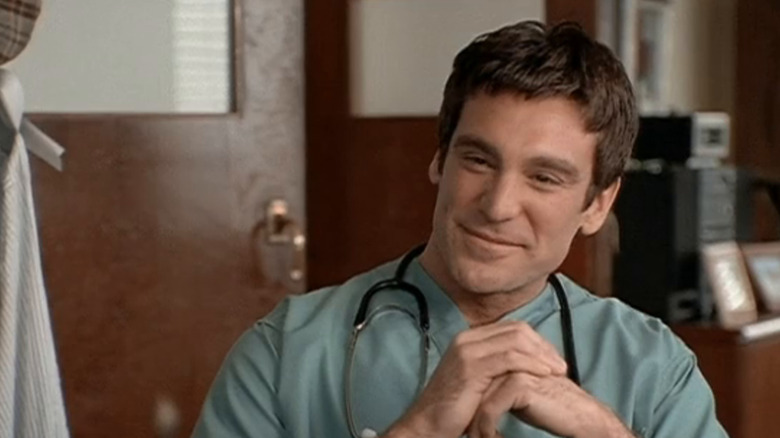
Procedural thrillers were all the rage in the 1990s, especially those built around gimmicky premises. Enter NBC's "The Pretender," a mystery series that everyone seems to have forgotten. The high-concept hook centers on Jarod (Michael T. Weiss), a genius raised in a shadowy research facility known as the Centre where he was trained to use his intellect to solve complex problems. After escaping, Jarod roams the country assuming different guises — doctor, lawyer, pilot, soldier — helping people in danger while staying one step ahead of his former captors.
It's essentially "The Fugitive" with a twist; a near-perfect formula for network television.
Unfortunately, "The Pretender" is also very episodic. Despite some clever mythology, including flashbacks to Jarod's stolen childhood, most episodes are self-contained adventures that grow repetitive when binged. Jarod wanders into a small town in need of help, assumes a new identity, fixes the problem, and disappears once the job is done. Rinse and repeat.
Another reason the series faded from public consciousness is its lack of a satisfying conclusion. After four seasons, the story continued in a pair of middling TV movies that left major plot threads unresolved, frustrating long-time fans. Without a buzzy or rewarding ending, "The Pretender" offers little incentive for audiences to revisit it. Ironically, the premise itself feels tailor-made for a modern streaming reboot or revival — the core idea remains solid and aligns perfectly with audiences raised on antiheroes and long-form mysteries.
Picket Fences (1992-96)
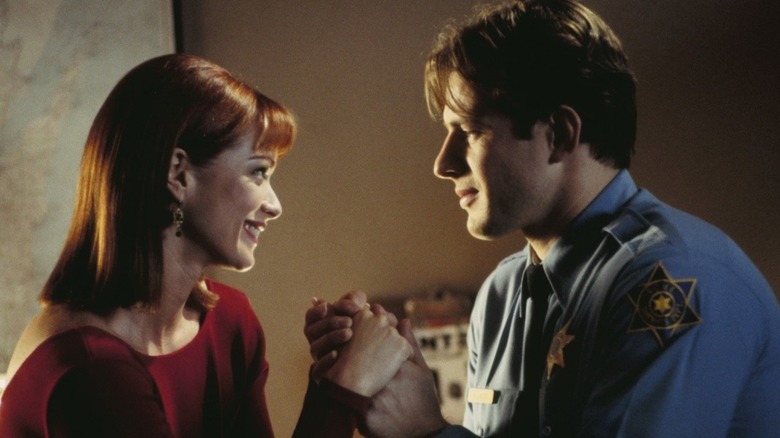
A winner of 14 Emmys and a ratings champ during its run, the cop drama "Picket Fences" is unique in that it found enormous success before being eclipsed by several new police shows that followed. Set in the supposedly quiet small town of Rome, Wisconsin, the mid-'90s series stars Tom Skerritt and Kathy Baker as Sheriff Jimmy Brock and Kimberly Brock, a married couple navigating crime, law, and family life.
Co-starring Zelda Rubinstein (for the first two seasons, anyway) and Lauren Holly, "Picket Fences" likely faded into obscurity for several reasons. First and foremost, you can't find it anywhere. Secondly, it leans heavily on the era's hot-button issues, many of which no longer feel especially urgent. It's also a bit scatterbrained. The series can't always decide whether it's a legal drama, a soap opera, or a satire. It's talky, thoughtful, and provocative, just never in a flashy way. As a result, it exists in a strange limbo between classic network drama and modern prestige television.
In an era defined by hyperbole, playing it safe rarely wins viewers. Aside from that fantasy sequence featuring Lauren Holly in a black bikini presenting a Game Boy and a chocolate cake to a young boy, almost nothing from "Picket Fences" has lived on in the viral realm, especially compared to the cultural afterlife of shows like "NYPD Blue" or "Miami Vice."
Step By Step (1991-98)
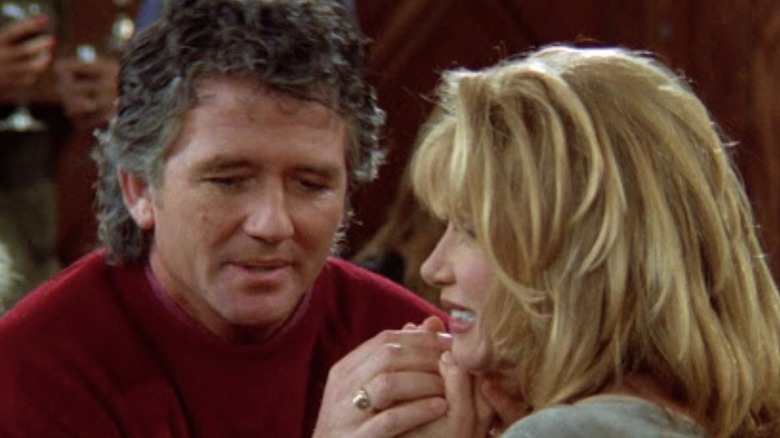
Another TGIF banger, "Step by Step" joined ABC's Friday-night lineup in 1991 and nearly stole the show thanks to its stellar cast, catchy theme song, and simple setup. A modern riff on "The Brady Bunch," the series stars Patrick Duffy and Suzanne Somers as Frank and Carol Lambert, the beleaguered parents of a newly blended family navigating the usual array of parenthood challenges. Over its seven-season run, the kids — played by Staci Keanan, Angela Watson, Christopher Castile, Brandon Call, Christine Lakin, and Josh Byrne — gradually form close bonds despite their initial rivalries.
The series offered easy, family-safe viewing and became a hit. No, Cody (Sasha Mitchell) never rivaled Steve Urkel as a pop-culture touchstone — partly due to Mitchell's real-life legal issues — but the show was strong enough to outlive its era on TGIF, switching from ABC to CBS in its final season.
Yet "Step by Step," like TGIF itself, seemed to vanish almost overnight. Why? The departure of beloved characters like Cody certainly didn't help, while late additions such as Bronson Pinchot's French hairdresser Jean-Luc Rieupeyroux felt like desperate attempts to juice a formula running on fumes. More than anything, the core audience simply grew up and moved on. Shows like "Step by Step" aren't weighty enough to leave a lasting cultural footprint. Sure, it was a blast at the time, but it's a sitcom cemented to a very specific moment modern viewers have little interest in revisiting.
Touched by an Angel (1994-2003)
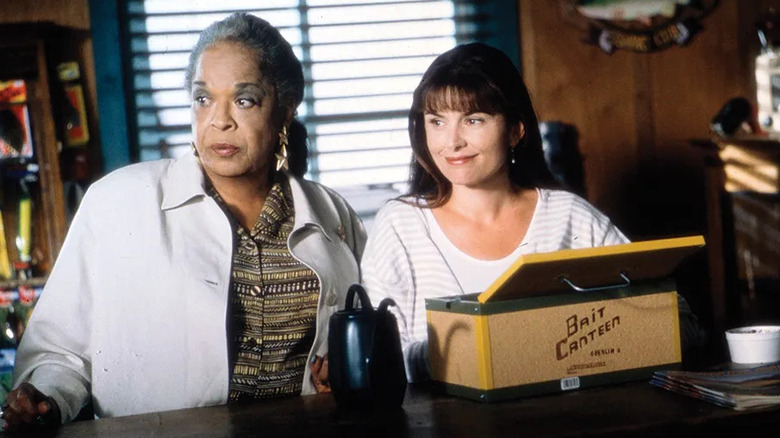
Each episode of "Touched by an Angel" follows angels Monica (Roma Downey) and her mentor Tess (Della Reese) as they're sent to Earth to guide troubled people. No, they don't perform grand miracles or flashy spectacles — just compassion and a bit of tough love.
As cheesy as that premise sounds now, "Touched by an Angel" was huge. At its peak, the series regularly ranked in the top 10. Viewers found comfort in its messaging, reassured by the idea that someone, somewhere, was watching out for them in an increasingly hostile world.
So why did these angels fade from memory? The answer is fairly obvious. While broadly inclusive, the show leaned heavily on Christian theology, making it a tougher sell for modern, secular audiences. (In fairness, it was also a tough sell for secular audiences during the '90s.)
Ally McBeal (1997-2002)
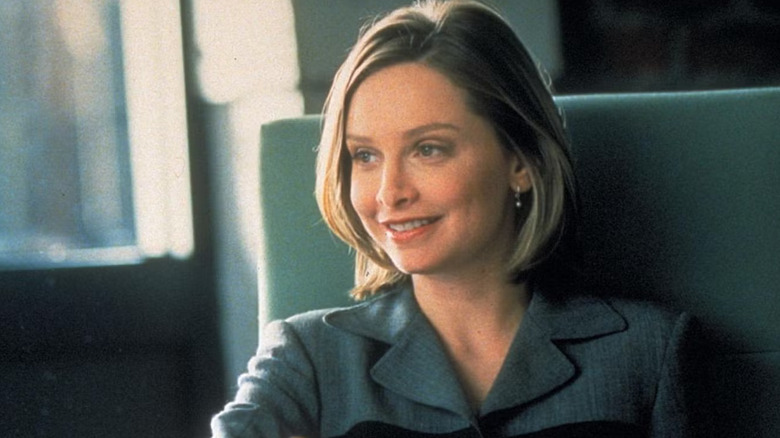
For a hot minute, "Ally McBeal" felt like the biggest show on television. Remember the creepy CGI dancing baby? The surreal, often cartoonish inner monologues? The musical numbers, fantasy sequences, and pop-music needle drops? This quirky comedy was a full-blown cultural phenomenon. It won Emmys and Golden Globes, turned Calista Flockhart into a star, and helped pave the way for absurdist comedies like "30 Rock" and "Scrubs."
Then, after five seasons, the show's time in the sun faded without leaving much of a lasting cultural footprint. The legal dramedy — centered on a brilliant but emotionally fragile attorney — delivered a sturdy blend of courtroom drama and romance. And yet, it's remembered less as a well-written series than as a collection of memorable bits. Ultimately, the very gimmicks that fueled its success ended up overshadowing everything else. Once the hype wore off, it became harder to view "Ally McBeal" as anything more than a messy workplace comedy.
Sure, it was bold, influential, sentimental, and funny. But it also inspired later shows that refined its ideas far more effectively. Then again, after the cast reunion at the 2024 Emmys, we'd be up for more!