

Leave It To Beaver's '80s Sequel Series Was On TV Longer Than You Realized
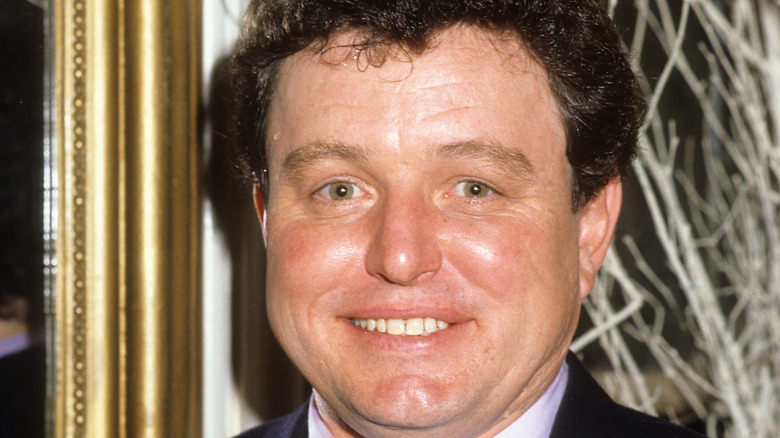
While the late '50s sitcom "Leave it to Beaver" can currently be watched on streaming services like Peacock, Prime Video, and the Roku Channel, its sequel series "Still the Beaver" can't be found on any official streaming service at all. The '80s sequel sitcom, ranked 39th in TV Guide's 2002 list of worst ever TV shows, has a reputation typically only shared by spin-off shows that were canceled after one season. Somehow, it lasted four seasons and over 100 episodes.
"Still the Beaver" first aired as a two-hour reunion movie on CBS in 1983. The special event film reintroduced Theodore "Beaver" Cleaver (Jerry Mathers) as a divorced, unemployed adult living with his widowed mom. TV critic David Bianculli trashed adult Mathers' acting skills and the script's apparent lack of humor. Critic Terry Kelleher didn't hate the TV movie quite as much but still argued that it portrayed adult Beaver too much like an oversized child.
Despite the movie's lukewarm critical reception, it did well enough in the TV ratings that the Disney Channel decided to extend the premise into a sitcom. After premiering in November 1984, "Still the Beaver" was canceled in 1985 despite strong ratings. By early 1986, TBS picked the series up with a 74-episode order and renamed it "The New Leave It to Beaver."
Disney wasn't the first channel to try to kill the Beaver
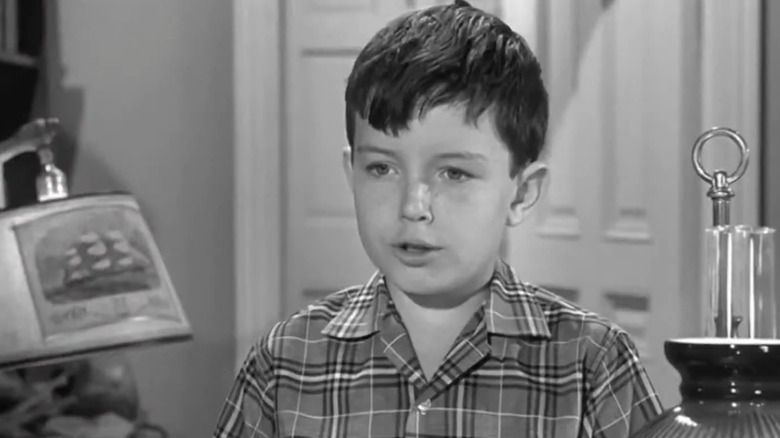
With its move to TBS, Jerry Mathers promised reporters that the show would be "more adult" going forward. He explained to the St. Louis Post-Dispatch that one of the sequel show's Canadian producers, "who had never seen the original series," had pointed out the Disney season's "juvenile" qualities. "I'd say stuff like, 'Gee, Wally, I'm getting a divorce. How can this be happening to me?' The new show won't be like that," Mathers said.
Although some critics never softened on the sequel series, the show still lasted long enough to reach syndication status. The show's surprising longevity mirrored the original series, which had itself been canceled by CBS before switching over to ABC for its next 195 episodes. The original show not only played as reruns for decades, but it became a hit internationally, well-received in the U.K. and Japan.
"It's a milestone really," Mathers said about the original show in a February 1989 interview. "No television series has been revived and then gone on 100 episodes." He expressed high hopes for the sequel series, unaware that it would air its final episode in June of that year: "It's been such a part of my life," he said. "I think it could go on for years."