

5 Times '70s Sitcoms Traumatized Their Audiences
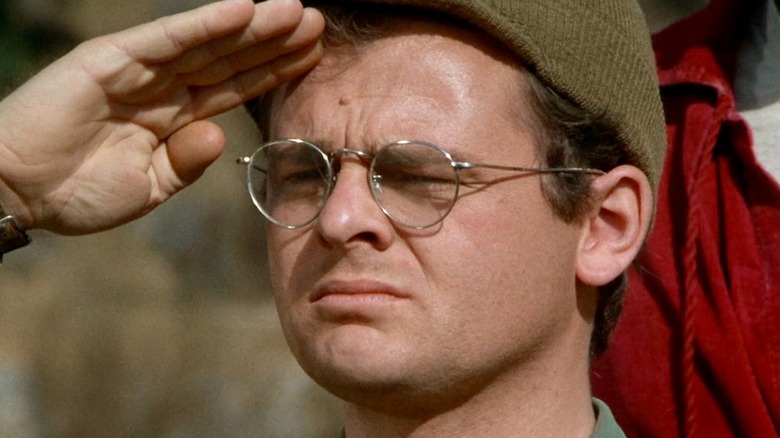
'70s sitcoms weren't always content to simply make audiences laugh. Some writers pushed into increasingly serious territory, taking advantage of the creative room they were given. "We were allowed as much latitude as we could envision," "M*A*S*H" creator Larry Gelbart told The Atlanta Constitution. "Sure, there were differences of opinion, but CBS has been absolutely splendid in letting us do the kind of show we wanted to do."
"M*A*S*H" regularly ventured into unusually dark territory for a sitcom. While some of the show's darkest moments occurred in the '80s and are therefore exempt from this list, rest assured the show offered up plenty of other traumatizing moments to choose from.
And while some darkness was baked into "M*A*S*H" because of its wartime premise, other moments on this list come from shows with a much more lighthearted reputation. '70s viewers tuned into these five episodes expecting to laugh, only to instead be left in tears.
M*A*S*H killed off Colonel Henry Blake
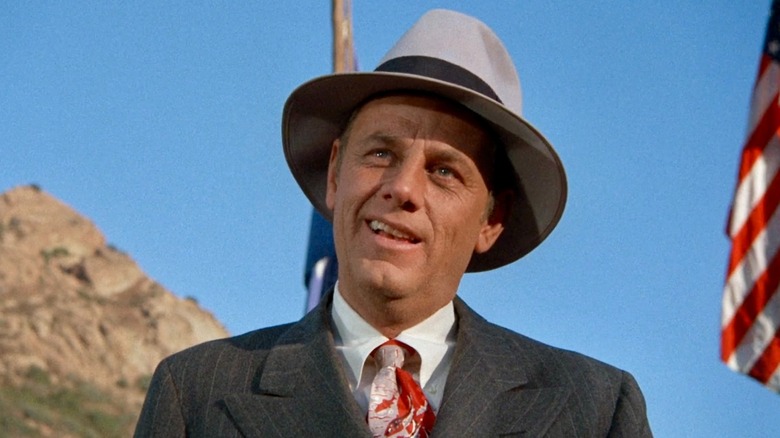
In the Season 3 finale of "M*A*S*H," Lt. Colonel Henry Blake (McLean Stevenson) leaves for home, only for his plane to be shot down. A distraught Radar (Gary Burghoff) announces the bad news to the operating room; the characters are devastated, but the influx of wounded soldiers forces them to keep working.
The sudden death of a major sitcom character was highly unusual at the time, and many fans were not just devastated but furious. "The way the writers got rid of Colonel Blake was unnerving and disgusting," wrote one fan to The Oregonian.
Executive producer Gene Reynolds defended the creative choice, arguing it helped put a face to all the American soldiers who didn't make it home from war. "If we turned on the set we would see 15 people knocked off [in Vietnam]. [Viewers] don't complain about that because it is unfelt violence, it is unfelt trauma. And that's not good," Reynolds explained in the documentary, "Making M*A*S*H." "If there is such a thing as the loss of life there should be some connection. And we did make a connection ... People like Henry Blake are lost in war."
Happy Days put Richie in a coma
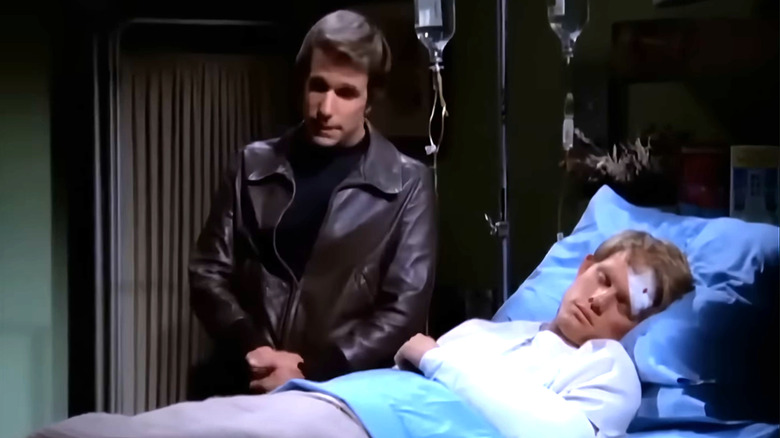
The Season 5 episode of "Happy Days," aptly named "Richie Almost Dies," features Richie (Ron Howard) nearly dying in a motorcycle accident, with Fonzie (Henry Winkler) feeling guilty because he was the one who sold him the motorcycle. Richie spends a chunk of the episode in a coma, and Fonzie breaks down in tears at the possibility he may lose his friend. Richie pulls through and makes a full recovery, but the close call brings out a rare show of emotion from the usually unflappable Fonz.
This is the only episode of "Happy Days" in which Fonzie cries, and the emotional moment was central to the story. "There was a group in Massachusetts who [helped] abused children, who were special cases," creator Garry Marshall told the Television Academy decades later. "They didn't know what to do with them ... They would never show any emotion whatsoever."
One of the doctors in the group asked Marshall if he could write an episode where Fonzie cried, as a way of showing the kids, who viewed Fonzie as a role model, that it was okay to do it. "Some just couldn't take it," Marshall said of the kids' response to the scene. "But it opened the door that we could discuss it with them ... So that is what I think was the most emotional episode."
All in the Family killed off Beverly in a hate crime
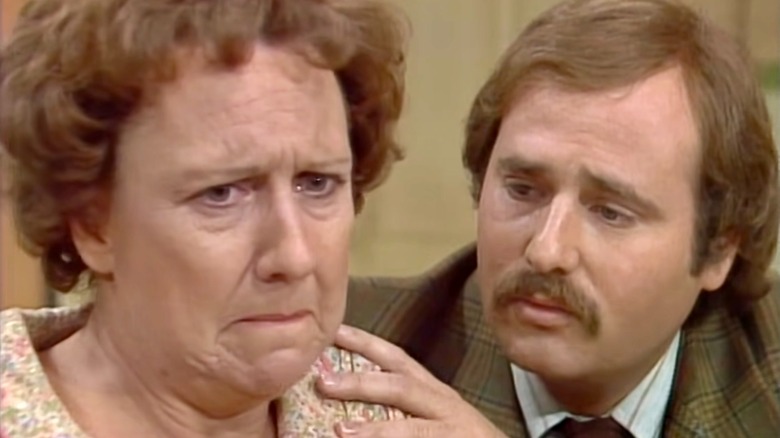
Edith (Jean Stapleton) struck up a warm friendship with drag performer Beverly LaSalle (Lori Shannon) on the groundbreaking, norms-challenging sitcom "All in the Family." That made it all the more shocking in Season 8's two-parter "Edith's Crisis of Faith" when Beverly is murdered in a hate crime. Edith is so devastated by the news that she briefly loses her faith in God.
Beverly's death occurs off-screen, making the revelation itself the episode's devastating turn. One minute Beverly is there, touched when Edith tells her she considers her part of the family, and the next minute she's gone forever. The episode is still often praised for its sympathetic portrayal of Beverly and its depiction of targeted violence against LGBTQ+ people.
The show's creator Norman Lear described this episode as one he was particularly proud of. Talking to The Hollywood Reporter in 2017, he explained, "We must have gone weeks talking about it until a writer innocently asked what would happen to Archie if Edith lost her faith. Suddenly we had it. Archie fell to pieces because so much of who he was depended on Edith's strength."
If you or a loved one has experienced a hate crime, contact the VictimConnect Hotline by phone at 1-855-4-VICTIM or by chat for more information or assistance in locating services to help. If you or a loved one are in immediate danger, call 911.
Good Times killed off James Evans Sr.
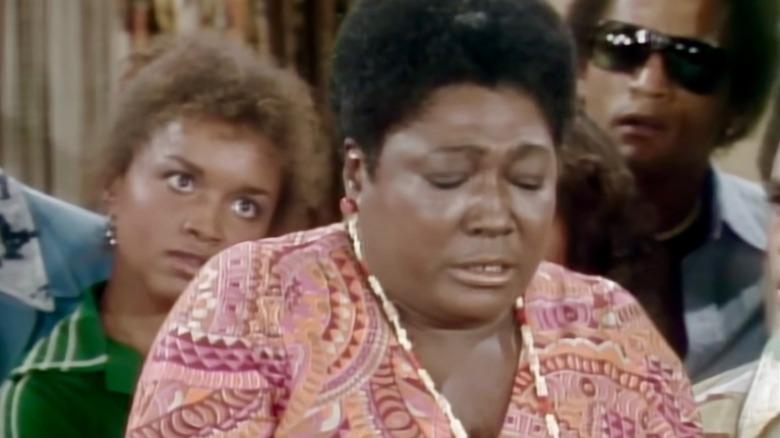
Nearly 50 years before John Amos passed away in real life, his character James Evans was killed off in Season 4 of "Good Times." In the season premiere, "The Big Move: Part 1," James' wife Florida (Esther Rolle) reads a telegram informing her that her husband had been killed off-screen in a car accident. The abrupt death removed the Evans family patriarch and one of the show's central characters following behind-the-scenes conflict between Amos and the writers.
In a 2020 interview for Vlad TV, Amos opened up about why his character died so suddenly: "I felt like I knew more about what a Black family should be and how a Black father would act than our writers. None of whom were Black and their perception ... of what a Black family would be and Black father would be was totally different from mine," Amos said.
All in the Family showed Edith surviving an attempted sexual assault
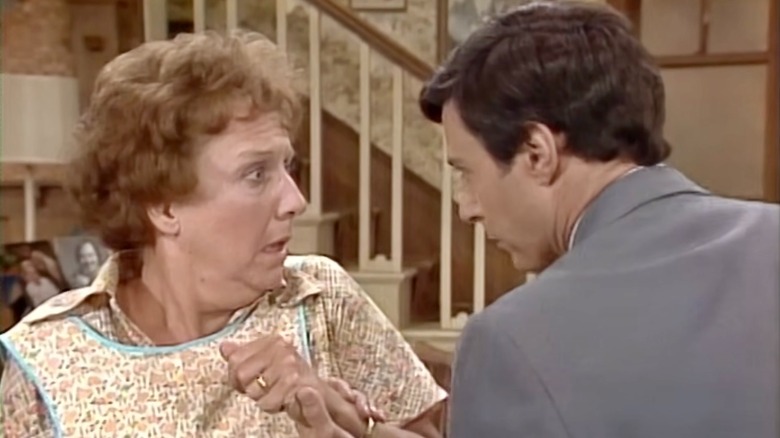
The Season 8 two-part episode "Edith's 50th Birthday" takes a disturbing turn in an early scene. Edith is alone in the house when a stranger (David Dukes) attempts to sexually assault her, while the rest of the Bunker family is next door planning her surprise party. The attempted assault unfolds over an extended scene, prompting some critics to worry the show had gone too far.
"A woman of Edith's age has never been dramatized in this situation of attempted rape," Jean Stapleton told The State. "But the people at the Rape Crisis Center feel this is important because it reflects life."
Norman Lear told The Hollywood Reporter that he and the writers had consulted social worker and activist Gail Abarbanel when writing the episode. Abarbanel later recalled in a UCLA interview how Lear had asked her, "If you could talk to 40-million people about rape, what would you want to say?"
If you or anyone you know has been a victim of sexual assault, help is available. Visit the Rape, Abuse & Incest National Network website or contact RAINN's National Helpline at 1-800-656-HOPE (4673).