

Quote Of The Day By Elisabeth Moss: 'I Think It's Good To Have Different Films For Different Kinds Of People. That's What's Great About Art, Is That...'
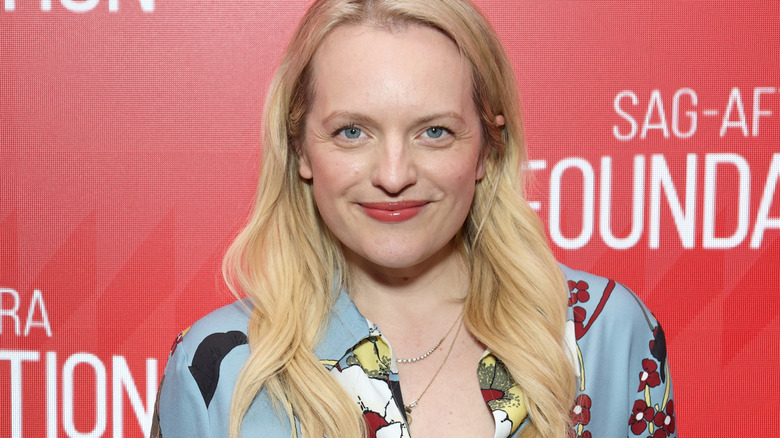
Elisabeth Moss has made an indelible mark on television since her debut in NBC's "The West Wing." The actor went on to earn critical acclaim for her role as Peggy Olson in "Mad Men," and later as June Osborne in Hulu's "The Handmaid's Tale."
While these popular performances catapulted Moss into stardom, she is also known for starring in shows like "Top of the Lake," "Shining Girls," and "The Veil." Moss has also appeared in a string of prominent films, including "Girl, Interrupted," "Us," "The Invisible Man," and "The French Dispatch." The actor has received two Golden Globe Awards and two Primetime Emmys so far. She has also earned several nominations for Critics' Choice Television and Screen Actors Guild awards.
Moss has injected complexity and subtlety into the characters she has portrayed over the years, which is why she is today's quote of the day.
Quote of the Day by Elisabeth Moss
"I think it's good to have different films for different kinds of people. That's what's great about art, is that you're able to open these kinds of conversations. I hope that people understand that. I think it's important that these kinds of films are able to be made."
The above quote is from Moss' 2015 interview with The Talks. When asked about the relevance of stories like "Mad Men," which act as mirrors to our patriarchal society, Moss stated that art exploring such topics will always be a positive.
"I do think it's bad that these issues [such as sexism] are still a problem today, but I actually think that it's good that art is continuing to explore that and is continuing to open that dialogue and open that conversation about it," Moss added.
Deeper meaning of Elisabeth Moss' quote — embrace diverse stories
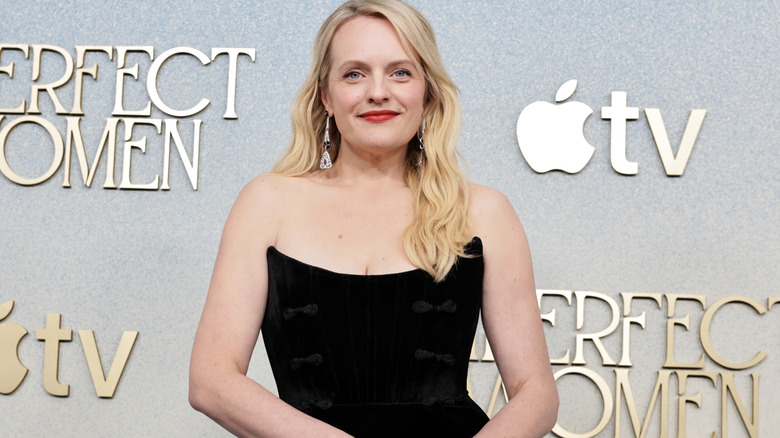
In the aforementioned interview, Elisabeth Moss talks about the impact of her film projects, including the dystopian thriller "High-Rise," which has parallels to "the social class system of the U.K.," and James Vanderbilt's "Truth," which reflects some facets of American politics. Although these films hold space for sociocultural commentary, Moss believes that diverse stories allow people to form their own conclusions.
Although art primarily aims to entertain, any kind of "moral lesson" or meaning-making is subjective and up to the viewer. This is why diverse stories are important, as they allow different kinds of people to arrive at their own truth.
"In the end they're just stories of people ... Sometimes truth is stranger than fiction, and sometimes fiction brings out more of the truth in every day life," Moss concluded.
More quotes from Elisabeth Moss
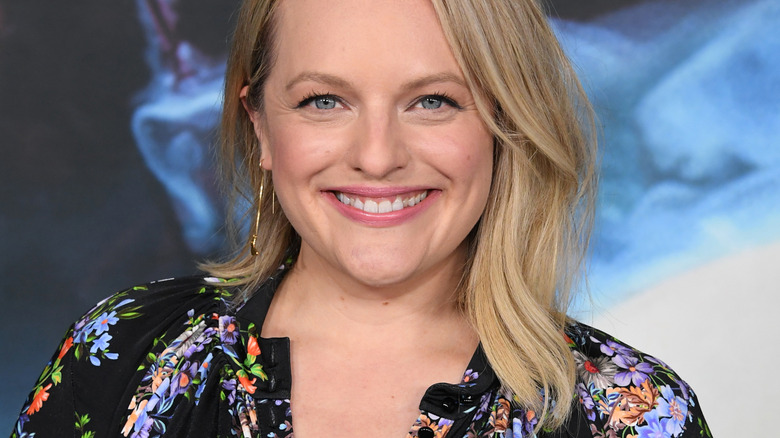
- "The biggest creative challenge at the beginning was playing a character who is essentially forbidden from speaking and from showing her feelings. For me as an actor, that is a fantastic challenge and was the kind of challenge I was up for. Given the construction of the story and the fact that ["The Handmaid's Tale" protagonist June Osborne] can't speak unless she says very specific things, it became really fun trying to figure out when we show the audience what she's thinking and feeling and when she's allowed to say something." — from a 2017 interview with Channel 4
- "When you turn women against each other, it can wreak havoc, because women are very powerful forces, and you can use that power for good or evil. When women support each other, rather than stoning each other to death, it's a game-changer." — from a 2017 interview with Elle
- "One of my goals as a producer is to make stories for women and about women. Until we have equality in this industry, it's important to take action and not let it be just a pipe dream. We need to consciously hire women behind the camera." — from a 2017 interview with The Stylist