

How The Rings Of Power In The Prime Video Series Differ From The Lord Of The Rings Books
Warning: Spoilers for "The Rings of Power" Season 3 ahead!
Season 3 of "The Lord of the Rings: The Rings of Power" premiered with a bang. Four episodes (half the season) dropped all at once, and the Season 3 storyline (which is functioning as a kind of soft reboot for the series) dives right into the action of the War of the Elves and Sauron. A big part of the drama focuses on the Rings of Power themselves. We see characters like Galadriel (Morfydd Clark), Gil-galad (Benjamin Walker), and even Theo (Tyroe Muhafidin) wielding their overpowered jewelry to heal wounds, receive visions, and dominate in battle.
But is that what the Rings of Power actually look like in Tolkien's original source material? Not exactly. The kind of magic we're seeing people wield in "The Rings of Power" is more defined. It's closer to what fans of the fantasy genre might call hard magic. That means the magic operates under a defined system with rules and limitations. The magic in "The Rings of Power" isn't quite as strict as it can get. But in contrast, Tolkien's writings around the Rings of Power lean more toward a soft magic system that doesn't get bogged down in the details.
There's also the fact that written story form always leaves more to the imagination. When you adapt a written story to the screen, you need to depict certain things that can remain unexplained on the page.
What can the Rings of Power do in Prime Video's series?
Showrunners J.D. Payne and Patrick McKay have spent two seasons introducing the majority of the show's titular jewelry. The Season 1 finale gave us the Elven Rings (a sequence that was already out of order from the Tolkien timeline). By the time the Season 2 ending arrived, we also had the seven Rings for the Dwarves and the nine for Mortal Men doomed to die. That just leaves the One Ring to rule them all — which Payne and McKay have confirmed we'll get in Season 3 (although four episodes in, Sauron is still struggling to figure out the magic sauce to get that job done).
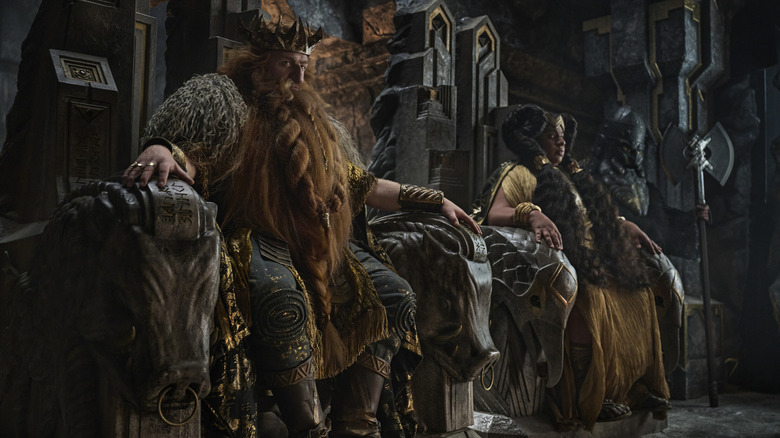
Each race's Rings of Power in the show are doing different things. The Elven Rings are empowering their wearers to literally heal wounds and grant them visions. The Dwarven Rings haven't been worn as much — especially with King Durin IV (Owain Arthur) wisely hiding them. But we saw enough in Season 2 to know they corrupt their wearers. We also saw King Durin III (Peter Mullan) use one of the Rings like a sort of water stick to figure out where to dig to open up shafts of light.
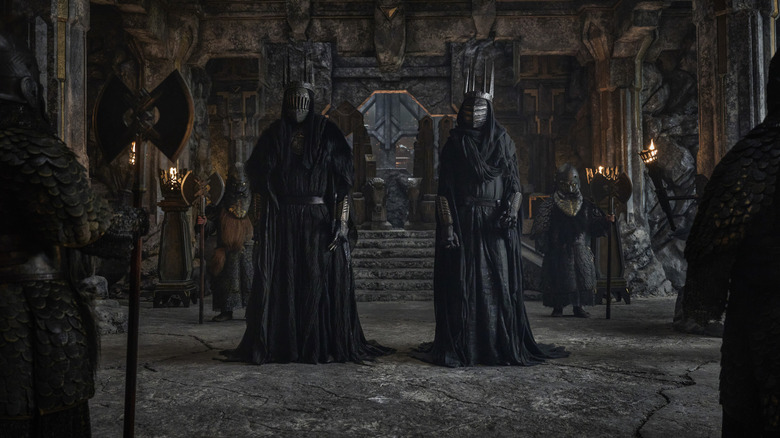
And the Nine Rings for Mortal Men? The first half of Season 3 has already given us a hefty dose of what the Black Riders (or Nazgnagôl as they're called in the show) can do. We've seen men, including young Theo, access supernatural power, making them extremely strong in battle and as fast as Elves.
What do the Rings of Power do in Tolkien's books?
While there are hints of practical side effects of the Rings of Power in the books, Tolkien doesn't explain much. There are moments like Frodo putting on the Ring at Weathertop and seeing other ring-bearers in the spirit world. But for the most part, the Rings aren't used in a practical, noticeable sense. Instead, Tolkien hints that they're busy in the background.
In "The Fellowship of the Ring" book, Elrond (who is a ring-bearer at the time) says, "Those who made [the Elven Rings] did not desire strength or domination or hoarded wealth, but understanding, making, and healing, to preserve all things unstained." "The Silmarillion" summarizes the effect of the Dwarven Rings by saying, "They used their rings only for the getting of wealth; but wrath and an overmastering greed of gold were kindled in their hearts," adding that "it is said that the foundation of each of the Seven hoards of the Dwarf-kings of old was a golden ring." The book adds that the bearers of the Nine Rings for Men "became mighty in their day, kings, sorcerers, and warriors of old. They obtained glory and great wealth, yet it turned to their undoing." It adds that their lives were unending but unendurable, and they could walk in the unseen world as phantoms.
The main takeaway? While we see visual depictions of the Rings of Power in action in the Prime Video series, these are adaptive interpretations of what Tolkien's soft magic descriptions could look like.
The first four episodes of "The Rings of Power" Season 3 premiered on November 11.