

Quote Of The Day By Paul Newman: 'He Treated Me Like He Was Disappointed In Me A Lot Of The Time, And...'
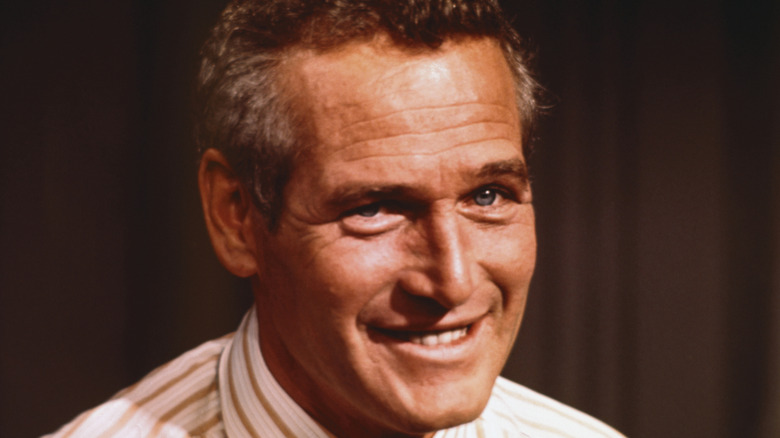
Any conversation about 20th-century movie stars is incomplete without Paul Newman. The acclaimed actor and philanthropist had a background in theater growing up, and his first notable film performance was in "Somebody Up There Likes Me." Then on, Newman went on to star in several projects, including "The Helen Morgan Story," "The Young Philadelphians," and "Exodus."
Newman is best known for his performance as "Brick" Pollitt in "Cat on a Hot Tin Roof," for which he earned the Academy Award nomination for best actor. Other notable projects include "The Hustler," "Hud," "Cool Hand Luke," "Torn Curtain," and "Butch Cassidy and the Sundance Kid." Newman won the best actor Oscar for Martin Scorsese's "The Color of Money" in 1987. He also won the Golden Globe for his 1969 directorial debut, "Rachel, Rachel," in the best director category, along with a best supporting performance win for the HBO miniseries "Empire Falls."
Although Newman's television roles were sparse, he was a celebrity guest star on "The Simpsons" in 2001. Earlier in his career, he also made appearances in projects like "Playhouse 90" and a TV version of "Our Town." Newman also has a voice-acting credit in the popular Pixar film "Cars."
Newman's iconic onscreen presence, combined with his philanthropy, makes him an inspirational figure. This is why he is today's quote of the day.
Quote of the Day by Paul Newman
"He treated me like he was disappointed in me a lot of the time, and he had every right to be."
The above quote is from a retrospective of Newman's life and career by Vanity Fair. This particular quote, sourced from Newman's 1982 interview with Time, is in reference to his father, Arthur Sigmund Newman.
The Vanity Fair piece notes that Newman's relationship with his father was rather distant, leaving Newman "determined to parent his children differently." Unfortunately, reality didn't line up with intent.
While speaking of his son Scott, Newman expressed regret regarding the emotional distance that had inadvertently cropped up between them. "I had lost the ability to help him," Newman said about Scott, although the reasons remain unclear.
Deeper meaning of Paul Newman's quote — Newman shared a complex dynamic with a father who severely underestimated his worth
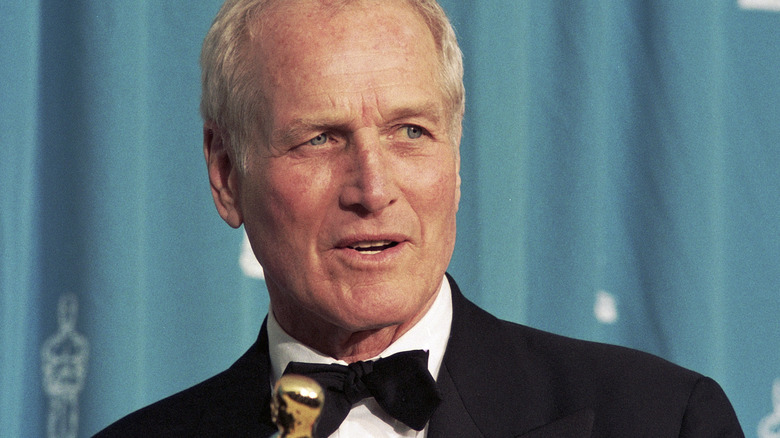
Paul Newman's recollection of his father is pained, as the actor lamented the fact that Arthur Newman never lived to see the overwhelming fame and recognition his son received as a beloved actor and filmmaker. "I think he always thought of me as pretty much of a lightweight," the actor recalled.
"It has been one of the great agonies of my life that he could never know," Newman added, referring to his accomplishments. "I wanted desperately to show him that somehow, somewhere along the line, I could cut the mustard. And I never got a chance, never got a chance," Newman mused.
The hint of self-deprecation in Newman's quote was echoed once again in a 2002 interview (via Irish Examiner). Remembering his father as "erudite and cultured," Newman said: "I think he thought I didn't show much promise in those days, and I tend to agree with him."
More quotes from Paul Newman
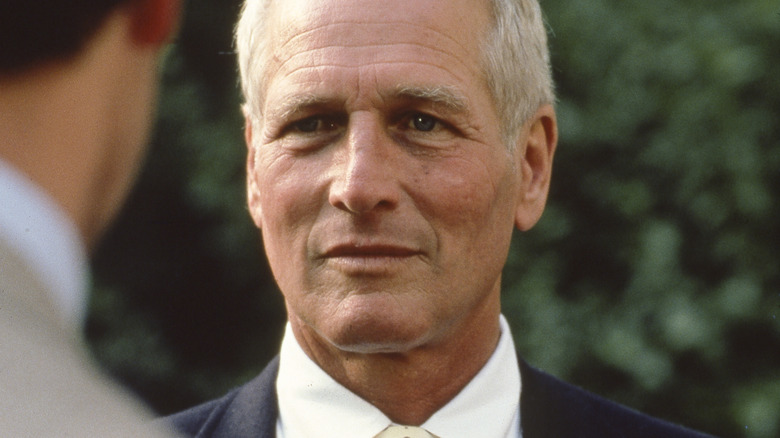
- "[On not accepting too many late-career roles] There are no good scripts out there. [Robert] Redford and I made 'The Sting' 13 years ago. George Roy Hill, Redford and I have been looking for a script to do together for 13 years. We haven't been able to find one that we liked enough for the three of us to be in it together." — from a 1987 interview (via Film 87/IndieWire)
- "The framework of a Western has been so meticulously set up that it's conceivable people won't accept 'Butch Cassidy and the Sundance Kid.' That's Sundance, just like it sounds. Yeah. I mean, there's enough blood in it, but it's a legend, really, and in the course of becoming a legend, the subject of the legend is remembered for great one-liners, but he loses the measure of reality." — from Newman's interview with Roger Ebert (via Esquire)
- "You see, I've always thought that acting isn't a creative profession but an interpretive one: The creator is the one who writes and not those who interpret. And this unjustifiable glorification for those who interpret is ridiculous at best." — from Newman's interview with Oriana Fallaci (via The Film Stage)