

5 Sitcoms That Got Even Better After A Character's Death
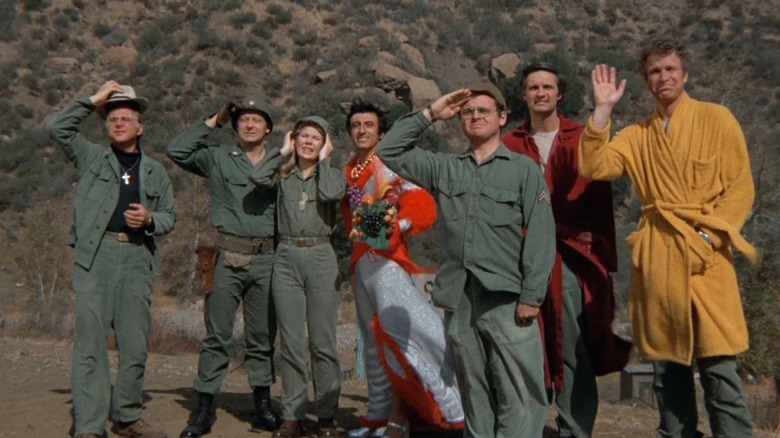
It's not easy dealing with the loss of an actor midway through a show's run. It's hard to know how best to move on and still keep the show going. Over the years there have been several methods showrunners have used, including hiring a different actor to play the same part, like with Darrin on "Bewitched." Or sometimes they opt to create a new character to fill the void left by the departing actor, like when Ashton Kutcher appeared after Charlie Sheen was fired from "Two and a Half Men." Then there are cases where producers opt to simply lean on the remaining cast and move on, which is what "The Office" ultimately did when Steve Carell left the show.
There's also the matter of how to handle a character's departure from the show. Some get to ride off into the sunset with dignity while other characters are killed, never to return again. The subject of death can be tricky, especially when it comes to sitcoms, but if handled properly it can open the door to a fresh angle. While it doesn't happen often, there are some examples out there. Here's our top five sitcoms that actually improved following the death of a beloved character.
The Hogan Family
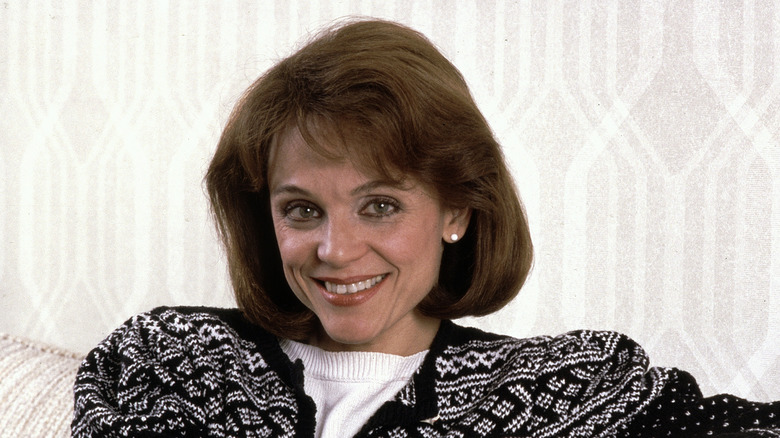
In the '80s, family sitcoms were all the rage. The idea was simple: Find a well-known actor or comedian to play one of the parents, surround them with kids and a loving partner, and you have a recipe for a solid sitcom. Such was the case on "Valerie," which centered around Valerie Harper, who had gained success on "The Mary Tyler Moore Show" and the spin-off "Rhoda."
The show got off to a decent start finishing in the top 40 in each of its first two years. That was when Harper decided to ask for more money and creative control in the show, which led to her being fired and her character killed off-screen in a car accident at the start of Season 3. That season the show was retitled "Valerie's Family: The Hogans" and Sandy Duncan was brought in to play Valerie's sister-in-law to look after the three children.
With Duncan standing in as the mother figure for the family, the ratings took off. Season 3 was the highest rated of the entire series, and when the show returned for Season 4 it was renamed again as "The Hogan Family." The chemistry Duncan had with the children was undeniable, and as the focus of the show shifted to the kids the audience continued to grow. When people reminisce about the show today, it's likely these later seasons are what they're referring to.
Cheers
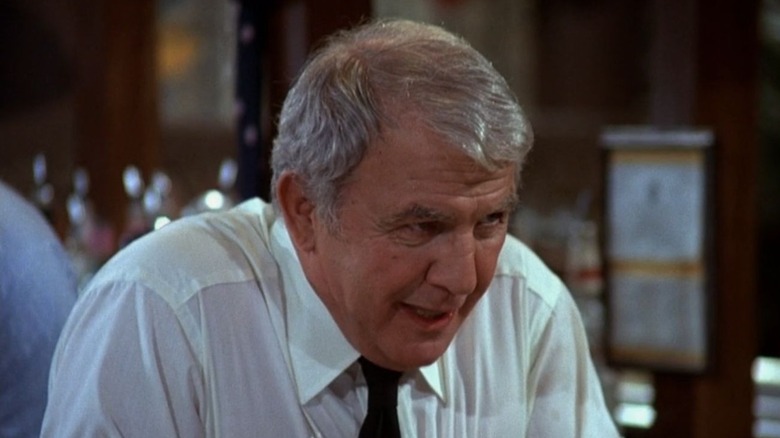
Some character deaths are written into the show to explain a departure, but others have a more sobering, mournful reason. For the first three seasons of "Cheers," Sam Malone was joined behind the bar by his former baseball coach, Ernie Pantusso. Coach was a lovable, easily confused bartender who would occasionally drop a pearl of wisdom or two. He was a solid part of the ensemble the creators were building. Unfortunately, the actor playing the part, Nicholas Colasanto, passed away midway through the third season.
The show opened Season 4 with a tribute to Coach to honor his passing, and to introduce his replacement, a new face to the world of acting by the name of Woody Harrelson. Harrelson played Woody Boyd, who had been pen pals with Coach and ended up taking over his bartending position. While the show undoubtedly could have still been a success with Pantusso in the cast, bringing in Harrelson drastically changed the dynamic. Adding a younger cast member picked up the pace of the show and gave the writers more avenues to explore. In the end, both characters would become some of the best characters on the show. Harrelson would end up staying on for the remaining eight seasons of "Cheers," and by the time the show wrapped up, he was already well on his way to becoming a Hollywood star.
Parks and Recreation
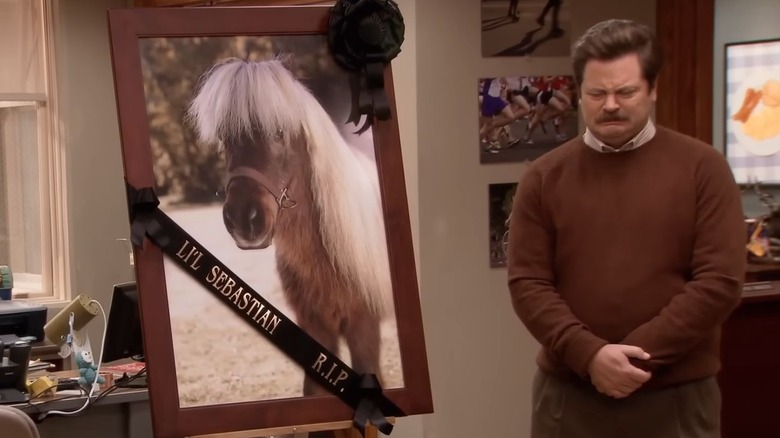
While not exactly a full-time cast member, fans of "Parks and Recreation" will undoubtedly remember Li'l Sebastian fondly. The miniature horse first galloped into our hearts in Season 3 when Leslie found a way to secure his appearance for the Harvest Festival. Li'l Sebastian has attained rock star status in Pawnee for reasons that no one is exactly sure about, but nevertheless he draws big crowds everywhere he goes. Sadly, later that same season Li'l Sebastian made his way to horsey heaven and passed away of natural causes.
His death led to an over-the-top memorial service that the entire town shows up for highlighted by the debut of Andy's tribute song, '5,000 Candles in the Wind,' which became a recurring joke on the show for its remaining four seasons. While the death of Pawnee's favorite animal didn't fundamentally change "Parks and Recreation," it did serve as a signal that the show had most definitely found its groove.
The first two seasons of "Parks and Recreation" are solid, but unspectacular. Season 3 brought Ben Wyatt and Chris Traeger into the mix, which improved cast chemistry dramatically and set the show up for larger success down the road. That third season was a marked improvement over the first two, but the seasons following Li'l Sebastian's death were arguably the show's best.
South Park
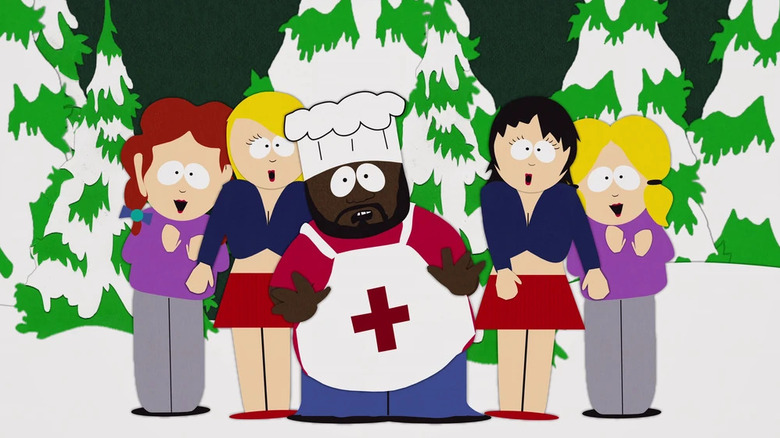
In the history of television there may not be any character that was killed off as brutally, yet hilariously, as Chef was on "South Park." For nine seasons, Chef (voiced by Isaac Hayes), was the voice of reason in the town and the person the children went to time and time again for help answering all their questions. He was one of the more popular characters on the show during those early days, until controversy struck both the show and Hayes.
The Season 9 episode "Trapped in the Closet" featured a brutal, satirical takedown of the Church of Scientology, of which Isaac Hayes was a member. Not long after the airing of that episode, Hayes announced he was quitting the show, claiming the creators had gone too far. Their response? A Season 10 episode centered around Chef leaving South Park to join an organization that brainwashes its members. At the end of the episode, Chef catches on fire, falls down a ravine, is impaled by a branch, and eaten by a mountain lion, amongst other things.
Chef's death didn't itself impact the greatness of "South Park," but it did mark a turning point for the show. Satire has always been a large part of what the show is all about, but since that fateful episode they've moved away from the shock value of cursing kids and leaned far more into their brilliant takedowns of anyone and everyone.
M*A*S*H
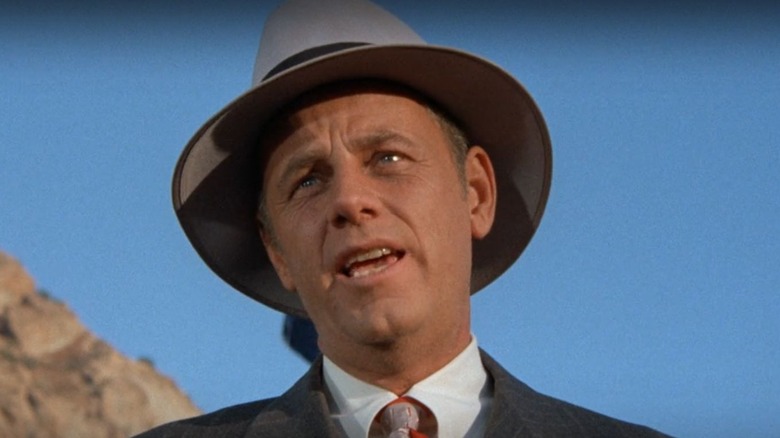
Some character deaths are explained in passing while others become focal points of entire episodes. And then there's the death of Colonel Henry Blake in the Season 3 finale of "M*A*S*H." It was a gut punch like no other show had yet delivered. Blake was the comical leader of the 4077th played by McLean Stevenson, and he'd finally been given his discharge. The episode features a tearful on-screen goodbye with the cast and you're led to believe that's the end of it, but in the final scene Radar announces Blake's plane has been shot down, stunning audiences and cast members alike.
The show's creators said they wanted to use Blake's exit from the series to make a statement about the casualties of war, and that statement became one of the most powerful the series ever delivered. Of course, losing a character like Henry meant an adjustment to the cast was in order. Enter Harry Morgan, a gruff older actor brought in to be the new man in charge as Colonel Sherman Potter.
The Henry Blake seasons are wonderful, no doubt, but they lean a little too far into absurdity at times. When "M*A*S*H" was at its best, it was combining comedic moments with gut-wrenching sadness or uplifting moments of hope. Those combinations happened more frequently once Potter took over. "M*A*S*H" would have been a well-remembered sitcom if Henry Blake had been there the whole time, but it became legendary after he left.