

12 TV Stars Who Returned To Television After A Failed Movie Career
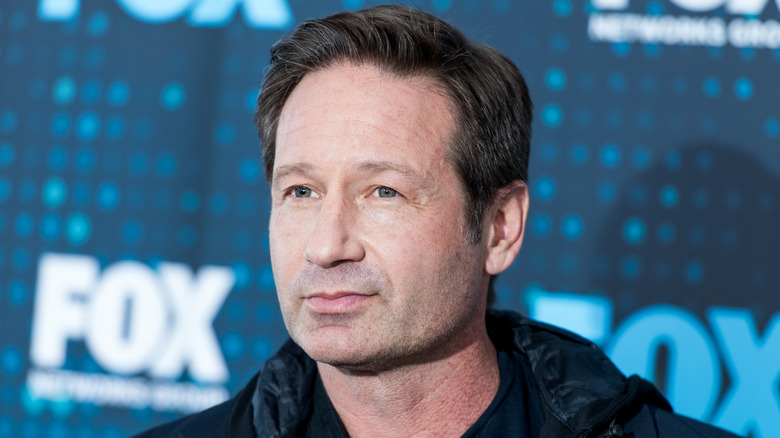
These days, the line between "movie star" and "television actor" can look pretty blurry — major Hollywood figures like Zendaya, Pedro Pascal, Amanda Seyfried, and Ethan Hawke do prominent work in both film and television on a routine basis. But it didn't always used to be this way. Denzel Washington, Bruce Willis, George Clooney, and Will Smith — who all came to prominence on primetime in the '80s and '90s — pretty much abandoned television completely once their cinema careers took off.
Movie stars still generally enjoy more respectability and financial opportunities than their small-screen counterparts, but for TV actors, the incentives to jump to the more prestigious medium were even greater decades ago. However, the transition could be risky and difficult. Thankfully for these onetime would-be movie stars, they were welcomed back into living rooms after a rude dismissal from cineplexes.
David Caruso
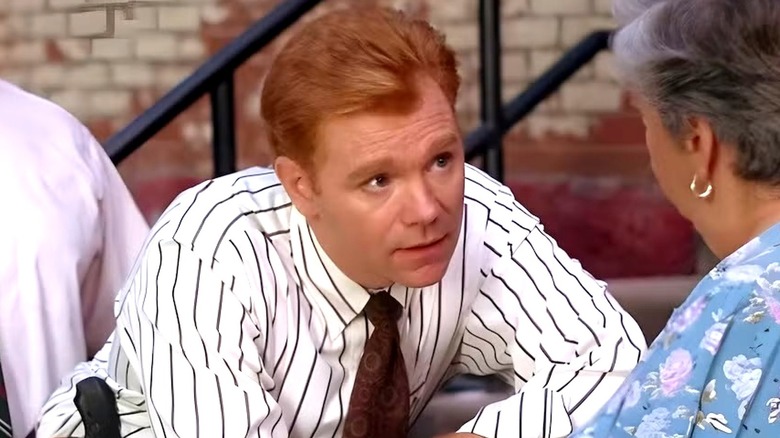
David Caruso is the patron saint of TV stars who failed to make it in the movies. He got his big break in 1993, landing the lead role of Detective John Kelly in ABC's "NYPD Blue." With a gritty, down-and-dirty style viewers weren't used to seeing on broadcast TV, "NYPD Blue" turned out to be a surprise hit. But then Caruso dumped "NYPD Blue" only four episodes into the second season — reportedly, his coworkers did not miss him.
"He wanted to be a movie star," executive producer Steven Bochco wrote in his memoir "Truth is a Total Defense." "His plan was to alienate the writers, producers, and his fellow castmates in hopes that we would dump him from the show."
Caruso tried to parlay his TV fame into movies and even got top billing over bona fide stars Nicolas Cage and Samuel L. Jackson in 1995's "Kiss of Death." Alas, that title turned out to be apropos, as he was apparently a kiss of death as a box office leading man. Caruso eventually landed a comeback TV gig on CBS' "CSI: Miami" in 2002. This time, he stuck around for the entire 10-season series before its cancellation in 2012.
David Duchovny
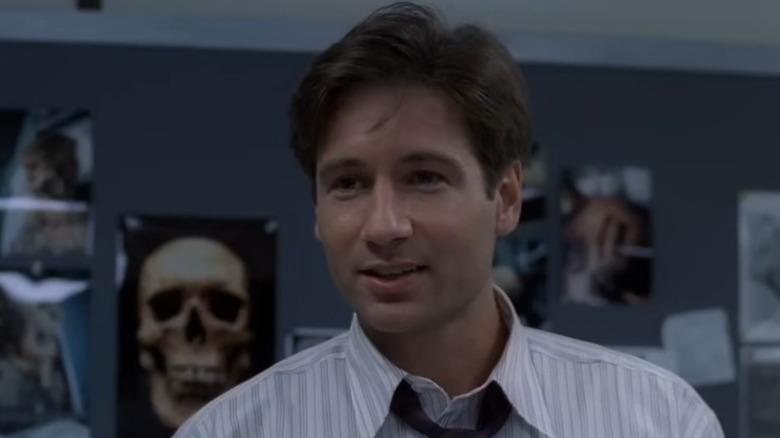
Due to its mix of procedural style, "monster of the week" formula, and world-building mythology, "The X-Files" was an unusual show that required an uncommon lead star. David Duchovny fit the role of Special Agent Fox Mulder — a paranoid conspiracy theorist and gifted investigator — perfectly, helping to make "The X-Files" a genuine cultural phenomenon in the 1990s. The sci-fi sensation got so big during its original 1993 to 2002 run that it spawned a successful film: 1998's "The X-Files: Fight the Future."
Duchovny significantly reduced his presence on "The X-Files" after Season 7 due to financial disputes with the Fox network, among other factors. If he hoped to escape the shadow of Mulder's spooky primetime adventures, a string of early-to-mid 2000s flops – including "Return to Me," "Evolution," and "House of D" — may have discouraged this notion. Duchovny returned to TV in 2007 as the sex-addicted novelist Hank Moody in "Californication," and later as Mulder in the two-season revival of "The X-Files" in 2016.
Ted Danson
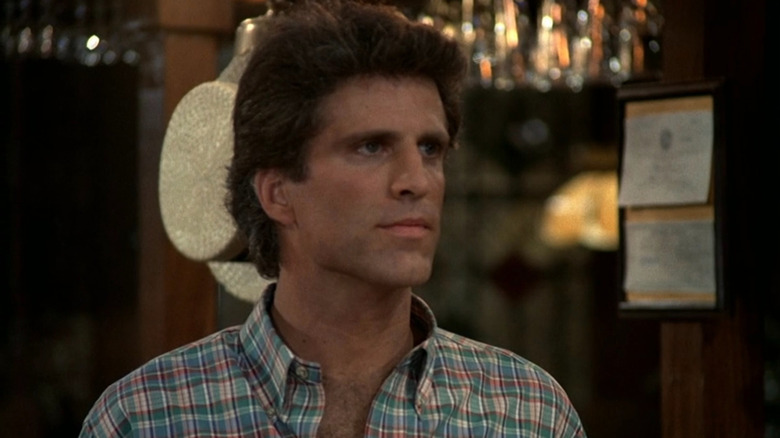
Ted Danson played Sam Malone, the skirt-chasing smart-aleck bartender on NBC's "Cheers" from 1982 to 1993. Despite starring in 1987's highest-grossing film, "Three Men and a Baby," Danson remained on "Cheers." He went on to play lead roles in 1989's "Dad" with Jack Lemmon, Ethan Hawke, and Kevin Spacey; the 1990 sequel "Three Men and a Little Lady"; "Made in America" with Whoopi Goldberg at the height of her star power in 1993; and 1994's "Getting Even with Dad" with Macaulay Culkin post-"Home Alone" mega-stardom.
Some of these projects made money, but none came close to the box office bonanza of the first "Three Men ... " movie. Meanwhile, negative reviews undermined the case for Danson as a serious cinematic leading man. By the end of the '90s, Danson was back on TV as a curmudgeonly doctor in CBS' "Becker" for six seasons. He's had a string of TV hits since then, including "CSI" on CBS, NBC's "The Good Place," and Netflix's "A Man on the Inside."
Alexis Bledel
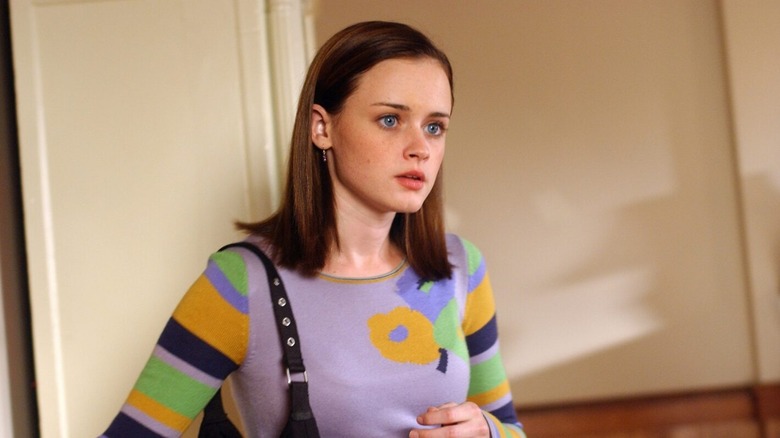
For millions of millennial TV viewers, Alexis Bledel became their imaginary surrogate sister on The WB's "Gilmore Girls" where she played Rory Gilmore from 2000 to 2007. She had a few film hits released in 2005 while "Gilmore Girls" was still on the air, staying on-brand with "The Sisterhood of the Traveling Pants" and playing against type in the R-rated "Sin City" based on Frank Miller's edgy comic books. Both films did solid business. But for whatever reason, Bledel's post-"Gilmore" film endeavors largely consist of barely-seen projects with sub-6.5 IMDb ratings.
Bledel replaced a spiraling Amanda Bynes as the lead in 2009's "Post Grad"; she starred in 2010's inexplicable erotic police thriller "The Kate Logan Affair"; she joined Saoirse Ronan and James Gandolfini in the 2011 assassination romp and baffling missed opportunity "Violet & Daisy"; we could go on. Whether Bledel was playing characters similar to Rory or different, her TV fans didn't follow her to theaters. "Gilmore Girls" returned for the Netflix revival miniseries "A Year in the Life" in 2016, and Bledel has done far better as an ensemble player in Hulu's "The Handmaid's Tale."
Scott Bakula
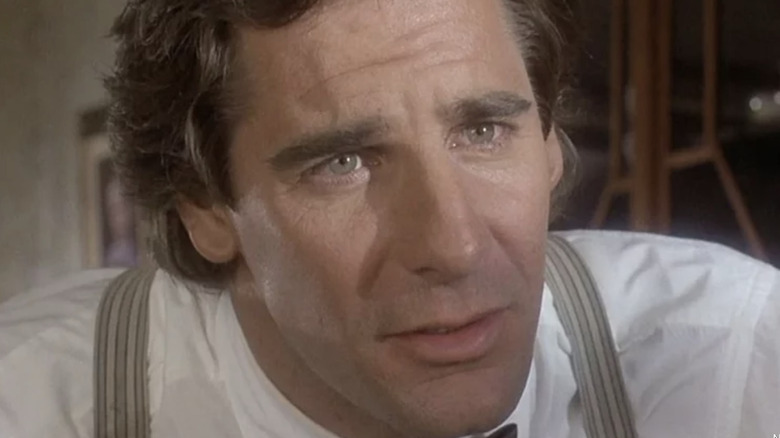
"Quantum Leap" sounds like the kind of high concept show that could maybe succeed on a relatively niche platform like Syfy or Apple TV today. The fact that it had a five-season run from 1989 to 1993 during primetime on NBC speaks to the everyman likability of its star, Scott Bakula. As scientist Sam Beckett, Bakula played a man trapped outside of time, forced to "leap" into the body of a new person each week with the assistance of his holographic advisor Al (Dean Stockwell).
The original "Quantum Leap" worked, but Bakula's movie career was a different story. His film resume is a string of made-for-TV, straight-to-video, and supporting parts, with his biggest hit being a small role in the Oscar-winning "American Beauty." On TV, Bakula returned to sci-fi with "Star Trek: Enterprise" (2001-2005) and led "NCIS: New Orleans" (2014-2021). Later, Bakula made a "very difficult decision" to not return for the 2022 "Quantum Leap" reboot.
Aaron Paul
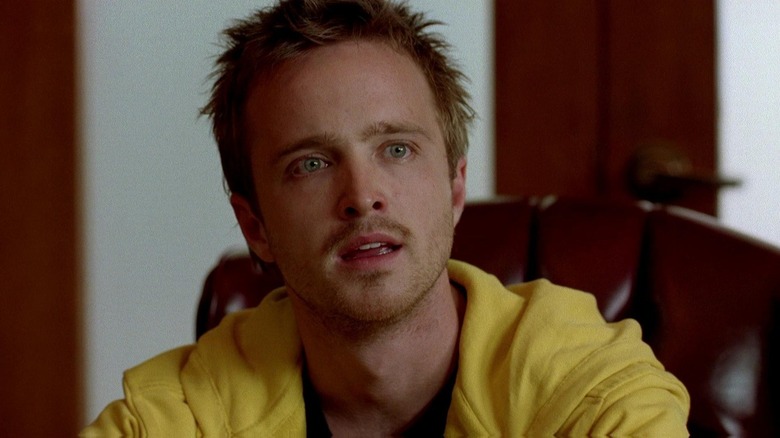
As Jesse Pinkman, Aaron Paul played America's favorite junkie sidekick on AMC's "Breaking Bad" from 2008 to 2013. A leading candidate for the Mount Rushmore of the greatest TV shows ever is bound to cast a shadow over any actor's career.
That said, Paul's carved out a niche for himself starring in direct-to-VOD projects, and he's been a steady hand in the supporting cast of multiple big-budget action romps. But as a name above the title in theatrically released movies, Paul's had an unremarkable run. "Need for Speed," a 2014 racing game adaptation, made money overseas but didn't hit in the U.S. The 2015 literary family drama "Fathers & Daughters," co-starring Russell Crowe and Amanda Seyfried, probably looked like a terrific idea on paper but didn't pan out that way.
Meanwhile, Paul's TV career never really slowed down, with steady work as a voice actor on Netflix's "BoJack Horseman," a stint on HBO's "Westworld," and returns as Jesse Pinkman in "Breaking Bad" spinoffs including the Netflix movie "El Camino" and AMC's "Better Call Saul."
Julianna Margulies
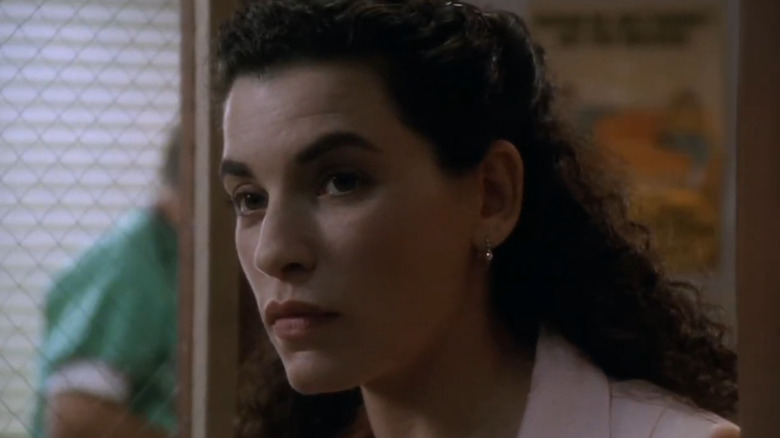
George Clooney was a massive success story coming out of "ER," but not everybody can be Clooney. Onetime "ER" regular Noah Wyle drifted toward movies after his run on the NBC medical drama, fell short of Clooney-like grandeur, but won Emmys for his post-"ER" endeavors on the small screen ... which is all very impressive, except Julianna Margulies technically did it all first.
Margulies was a leading cast member on "ER" for the first six seasons as Nurse Carol Hathaway and left in 2000 despite being offered nearly $30 million to stay. She didn't avoid TV completely during the following years — her TNT miniseries "The Grid" with Dylan McDermott aired in 2004, and she famously played a heroin-addicted realtor in Season 6 of "The Sopranos." But in the time between "ER" and her return to prominence as a TV lead with CBS' "The Good Wife" in 2009, Margulies' most notable film project was handedly 2006's "Snakes on a Plane" — remembered much more for a hilarious Samuel L. Jackson meme than its box office or critical marks.
Tom Selleck
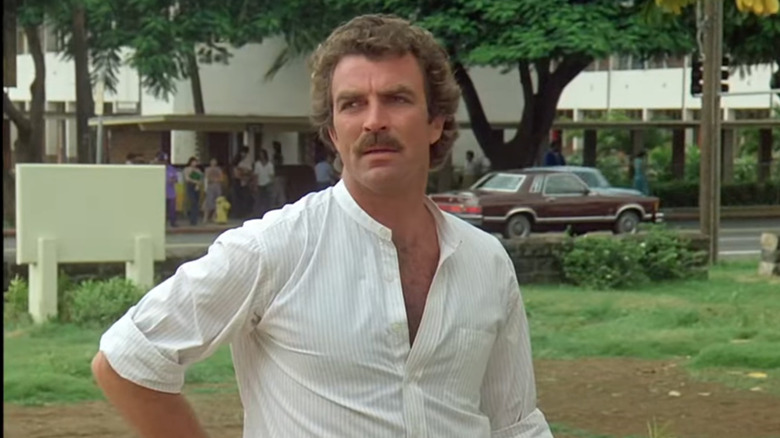
Tom Selleck has one of the most famous mustaches in Hollywood history, and he was one of the biggest TV stars of the '80s as the titular "Magnum, P.I." on CBS. Also, he was almost cast as Indiana Jones in "Raiders of the Lost Ark" but his "Magnum" schedule kept him from taking the part. However, the show didn't keep Selleck from other movies — most notably the highest-grossing movie of 1987, "Three Men and a Baby."
Selleck's other film work didn't do anywhere near as well. To cite two high-profile stumbles released in 1992: There's "Mr. Baseball," a film that assumes Selleck interacting with Japanese people is inherently funny; and "Folks!," a screwball family comedy that depicts Selleck without his mustache. However, as one of the most reliable butts-on-the-couch draws in television, Selleck has nothing to be ashamed of. His body of work includes nine "Jesse Stone" movies and 14 seasons on "Blue Bloods" (2010-2024).
Jessica Biel
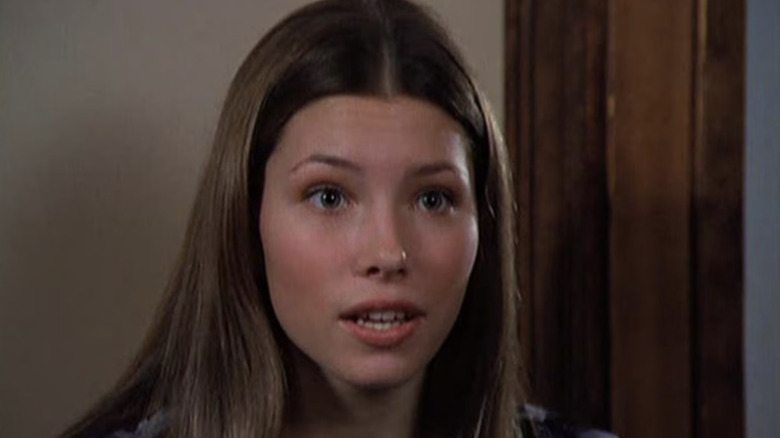
Jessica Biel got her break playing big sister Mary Camden in "7th Heaven," which ran for 11 seasons on The WB from 1996 to 2007. However, Biel was only a main cast member for the first six seasons. According to an interview with E! News, she left the family-friendly show because she constantly "butted up" against the "limitations" and "boundaries" of her role.
Biel's run at the cineplexes had its moments — for instance, the 2002 dark sex comedy "The Rules of Attraction" directed by Roger Avary was a modest box office draw. Alas, Biel's attempts to cross over into action stardom ("Blade: Trinity" in 2004, "Stealth" in 2005, and "The A-Team" in 2010) fell flat. She returned to small-screen success in USA Network's "The Sinner" and the limited series "The Better Sister" on Prime Video, among other projects. Proving you can go home again, Biel is developing a "7th Heaven" reboot as of this writing.
Taylor Kitsch
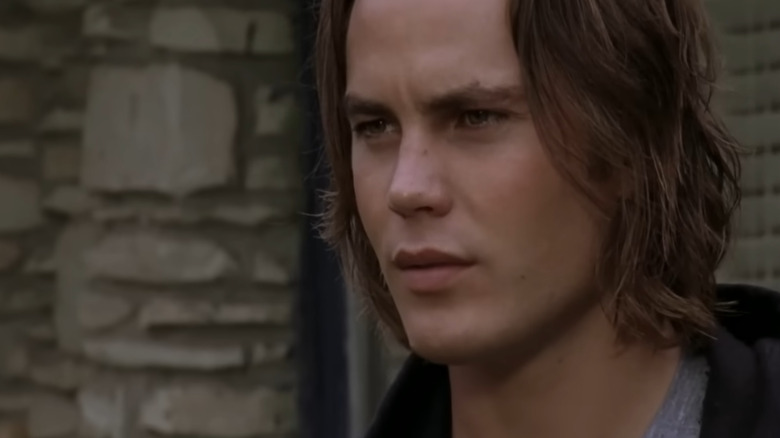
Hollywood tried to make Taylor Kitsch a movie star, and you can't blame the business for seeing something in the guy. Kitsch played the smoldering football star Tim Riggins in all five seasons of "Friday Night Lights" from 2006 to 2011, which was well received by critics and fans. We cannot say the same about Kitsch's career in sci-fi and action movies.
He had the misfortune to play the titular hero in 2012's infamous box office bummer "John Carter." That year also saw the release of "Battleship," another financially disappointing movie with Kitsch in a prominent role. Worse yet: A few years earlier, he played Gambit in one of Marvel's least beloved cinematic sojourns, "X-Men Origins: Wolverine."
These days, Kitsch has fared better since returning to TV with a string of mini-series, including Netflix's "American Primeval" and "The Terminal List" on Prime Video.
Kirstie Alley
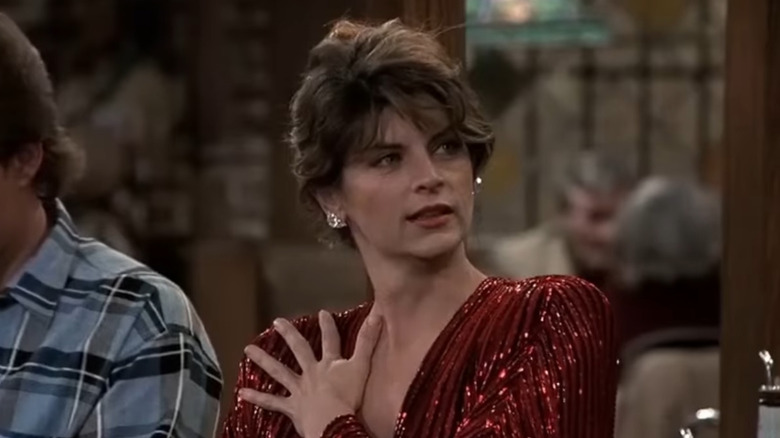
Technically speaking, Kirstie Alley had a successful film career, it was just primarily confined to one franchise: the talking-baby-centric "Look Who's Talking" trilogy.
When Shelley Long left "Cheers" after five seasons, Alley came on board as Sam Malone's new romantic interest and comic foil, Rebecca Howe, in what turned into her breakthrough role.
Alley — who passed away in 2022 — stuck with "Cheers" until its final season in 1993, despite her successful starring role in 1989's "Look Who's Talking." Turns out that was a sound strategy, as the first film nearly made $300 million worldwide, while its two sequels combined made only a fraction of that.
Following "Cheers," Alley led a few high-profile flops, including 1995's "Village of the Damned" opposite Christopher Reeve and 1997's "For Richer or Poorer" with Tim Allen. Her return to TV was more successful, most notably starring in three seasons of "Veronica's Closet" from 1997 to 2000.
Don Johnson
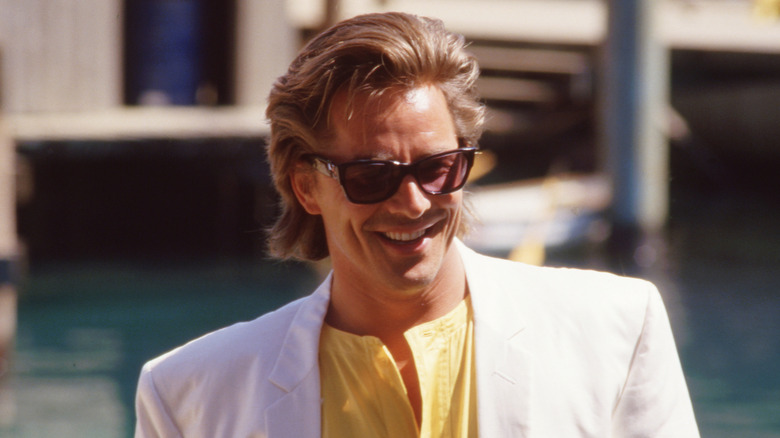
Don Johnson became a household name for playing TV cops (and his high-profile Hollywood marriage to Melanie Griffith) but was not as successful at becoming a movie star in between his career-defining roles. Johnson was the quintessence of cool in the 1980s for his breakout role as Detective James "Sonny" Crockett in Michael Mann's "Miami Vice," which ran for five seasons from 1984 to 1990 on NBC. Just about six years later Johnson was back on TV again, starring at the titular "Nash Bridges" on CBS, which ran for six seasons from 1996 to 2001 — even longer than "Miami Vice."
In between, Johnson starred in a string of duds. Ever seen 1991's "Paradise"? What about 1993's "Born Yesterday" or "Guilty as Sin"? Didn't think so. While Johnson never connected with moviegoers as a leading man the way he did on TV, he has had a successful career as a supporting actor in films after "Nash Bridges," most notably with scene-stealing roles in "Django Unchained" in 2012 and "Knives Out" in 2019.