

5 Forgotten Sitcoms That Were Adapted From Hit Movies
Some of the biggest shows of all time originally began as movies, with beloved stories from the silver screen being adapted for TV. Hit movies like as "M*A*S*H" and "What We Do In The Shadows" inspired TV shows that have stood the test of time and maintained a growing fanbase. Some might even say that the series "The Dukes of Hazzard" has surpassed the film that inspired it ("Moonrunners") in terms of popularity.
However, for every smash hit sitcom spawned from a popular piece of cinema, there are a handful of failed series that don't come anywhere near the same acclaim as the original version of the story. Whether it's the miscasting the leads, uninspired writing, or completely severed tie with the filmmakers who made it all happen in the first place, there are simply so many TV comedies based on successful movies that end up being forgotten.
Now, despite the fact that we'll be taking about some of the biggest films of all time, many will question the existence of these shows. But after doing some extensive research, we can assure you that these are in fact real. So let's take a walk down memory lane together as we examine some failed TV adaptations of hit movies, shall we?
Fast Times
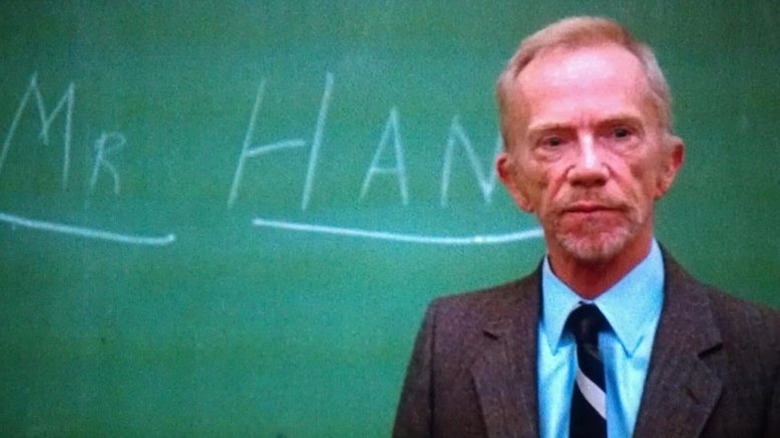
"Fast Times at Ridgemont High" is a seminal coming-of-age film from director Amy Heckerling and writer Cameron Crowe. Rather than following the trends of teen sex comedies of the time that featured screwball gags and gratuitous nudity, the 1982 feature presented a more realistic approach to teenagers navigating the treacherous waters of sex, love, and growing up. In addition to putting young stars like Sean Penn, Judge Reinhold, Phoebe Cates, and Jennifer Jason Leigh on the map, the film also featured other future stars such as Nicolas Cage, Eric Stolz, and Forest Whitaker in supporting roles.
Hoping to capitalize on the buzz generated by this insightful and genuine portrayal of the youth culture of the 1980s, CBS thought the best way to bring this story to their audience would be with a sitcom. While Heckerling was attached as a producer and Crowe was a creative consultant on the series, the creators of "Fast Times" thought they could turn up the crude humor, turn down the authenticity regarding teen relationships and problems, and still end up with a successful run on broadcast television. Instead, characters like Jeff Spicoli, Linda Barrett, and Brad Hamilton were reduced to caricatures of their big screen counterparts.
"Fast Times" only lasted for seven episodes between March 5 and April 23, 1986. While the target demographic may have been intrigued by Claudia Wells in her first project after "Back to the Future" or Oingo Boingo's opening theme song, those things clearly weren't enough to entice them to stick around.
The Karate Kid
"Cobra Kai" celebrated great acclaim during its six-season run on YouTube Red and Netflix by taking the comedic premise of a redemption arc for the villain of "The Karate Kid" and using that nostalgia to address universal issues associated with growing up. However, the show — starring William Zabka, Ralph Macchio, and an impressive young ensemble — wasn't the first time that Daniel LaRusso took his crane kick to television.
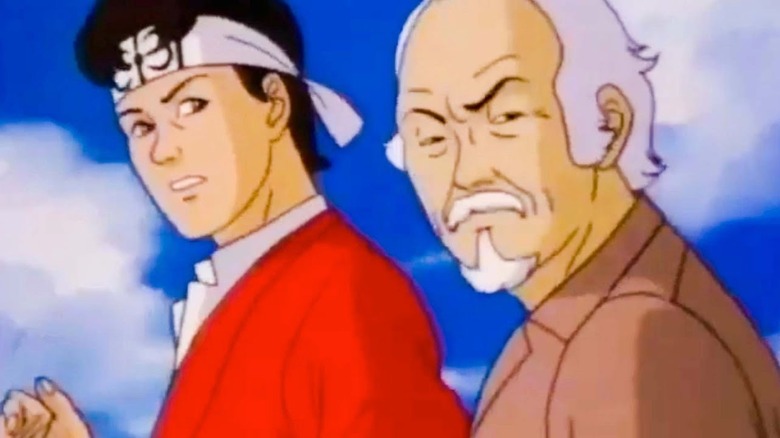
Like many popular live-action movies throughout the 1980s and 1990s, such as "Back to the Future," "Bill & Ted's Excellent Adventure," and "Beetlejuice," "The Karate Kid" received the animated series treatment in 1989. Airing as part of NBC's Saturday morning cartoon lineup for children, the show took Daniel-san and Mr. Miyagi out of karate tournaments and inserted them into a mystical globe-trotting adventure. The show followed the duo as they searched for a magical shrine that was taken from Okinawa. Naturally, as they encountered various villains who wanted to use this ancient relic's powers to serve their own nefarious purposes, there was plenty of opportunities to show off some martial arts action.
Though they planned for 65 episodes, "The Karate Kid" only lasted for one 13-episode season. But while no original cast members from the movie joined the project to voice their characters, at least Pat Morita provided some narration as Mr. Miyagi for the last few installments.
My Big Fat Greek Life
Families are a staple of the sitcom genre. From "Leave It To Beaver" to "Who's The Boss?" to "Full House" to "Modern Family," there have been countless family comedies since there is always a wealth of material to explore. So when CBS was looking for a brand new TV family to share with the world during their 2003 season, they turned to IFC Films' award-nominated rom-com "My Big Fat Greek Wedding" for inspiration.
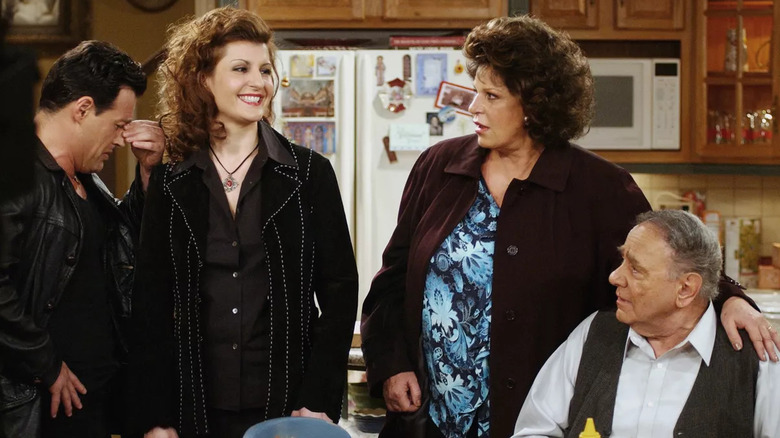
Together with Sony Pictures Television and Tom Hanks' Playtone Productions, Nia Vardalos brought the Portokalos from their celebrated stint on the big screen to find new success on the small screen with "My Big Fat Greek Life." The production was even able to secure the majority of the cast from the film to reprise their roles on the TV series. The one major exception was John Corbett, who played the non-Greek husband Ian Miller in the movie opposite Vardalos' Fotoula "Toula" Portokalos. Instead, Steven Eckholdt stepped into the role for the sequel series, which also changed the names of newlyweds Toula and Ian to Nia and Thomas Miller for some unknown reason.
In the end, the indie darling about the freshly married Chicago couple navigating old school cultural traditions in a modern world failed to make the same connections with the TV audience. While Vardalos' semi-autobiographical movie was endearing and charming, the sitcom version was corny and only mildly amusing. It only lasted a total of seven episodes before low ratings led to the show's cancellation. Although, this wasn't the end of the franchise. The eccentric Greek family would move back to theaters and release two more movies.
Ferris Bueller
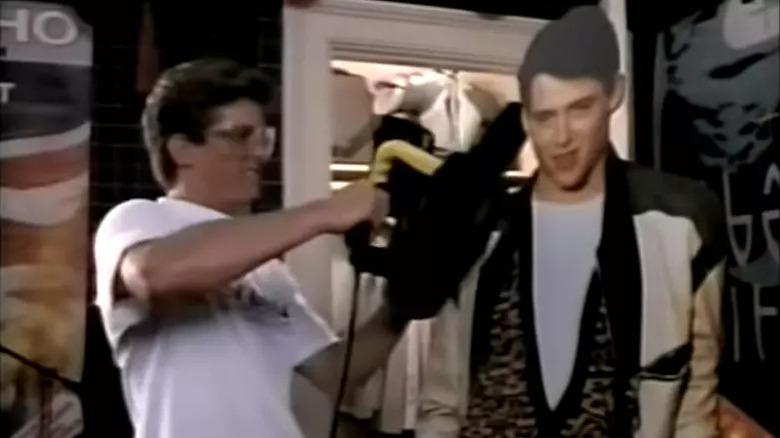
Just four years before she joined the cast of "Friends" and became one of the biggest sitcom stars of all time, Jennifer Aniston starred in NBC's "Ferris Bueller" as the titular teen's sister Jeannie. But unlike the fan favorite series about 20-somethings in New York City that ran for 10 years, the show based on the iconic John Hughes film was poorly received and only lasted for 13 episodes.
Just like the Matthew Broderick version of the character, Charlie Schlatter's Ferris is a popular high school student who typically gets what he wants, no matter how outlandish or seemingly impossible. He also frequently breaks the fourth wall to address the audience. In the series premiere, Bueller uses one of those moments to reveal that the show isn't a continuation or an adaptation of the movie. Instead, as he cuts up a cardboard cutout of his cinematic counterpart with a chainsaw, he shares that he is the "real" Ferris Bueller who inspired the events of the film. Cameron is still his best friend, but Sloane is actually a new student who has yet to fall for the big man on campus. And rather than taking a day off to galavant around Chicago, Ferris and his pals go to class at Ocean Park High in Santa Monica, California.
Since "Ferris Bueller's Day Off" was a cultural, critical, and financial hit, the Peacock network must have thought that the name recognition alone was enough to bring in viewers. In reality, the TV Ferris lacked the charm and innocence that connected the movie Ferris with his legions of fans.
Uncle Buck
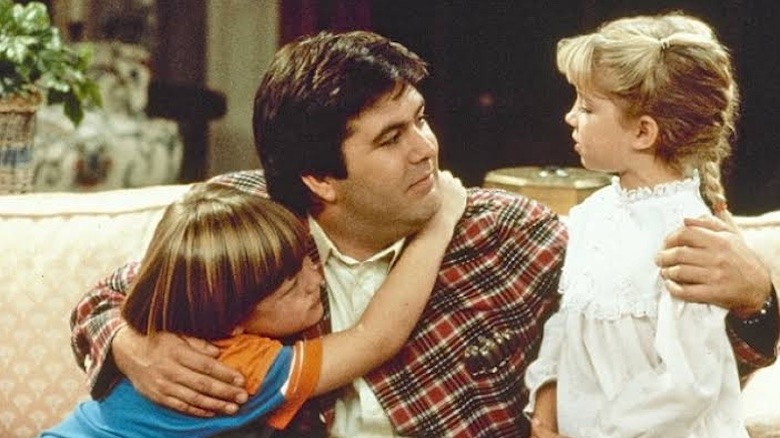
Whenever John Candy and John Hughes collaborated on a project, it was a good time. From "National Lampoon's Vacation" to "Planes, Trains, and Automobiles" to "Home Alone," the legendary actor and filmmaker tandem always managed to make us laugh while they pull on our heartstrings. "Uncle Buck" was certainly no different. Even though Candy portrayed an irresponsible bachelor that often succumbed to his vices, he still came through for his family in his own special way when they needed him most. Honestly, compared to "Ferris Bueller," this sounds like a sitcom adaptation could actually work. And yet after two attempts at bringing Buck Russell to the small screen, it was just not happening.
The first adaptation came in 1990. After the film found success at the box office in 1989, CBS tapped writer Tim O'Donnell to develop "Uncle Buck" into a sitcom for them. With experience writing on "Diff'rent Strokes," "Growing Pains," and the "Archie Bunker's Place" spinoff "Gloria," he seemed like a good pick to steer the ship with stand-up comedian Kevin Meaney as Buck. But after the show started by having Buck become the kids' guardian after their parents died in a car accident instead of having them travel out of town, the vibes were simply off. Due to declining ratings, the network only aired 16 of the 22 episodes that were filmed.
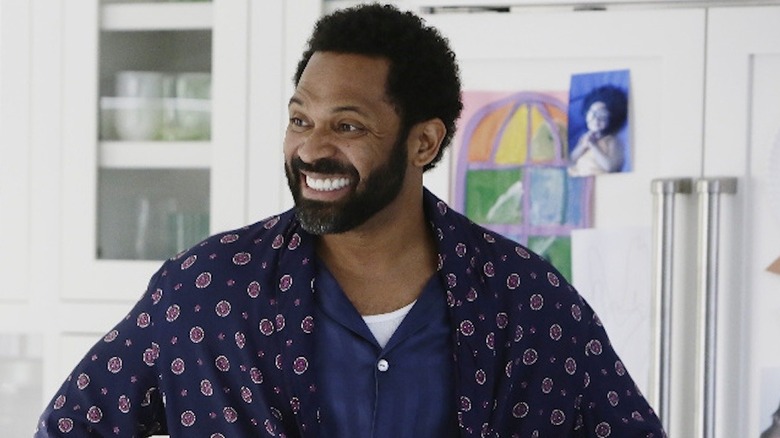
The second "Uncle Buck" series came to ABC in 2016. Starring Mike Epps of "Next Friday" and "The Hangover," this version of the character was far less likable than the previous iterations. While he is known for being unconventional, Epps' Buck seemed borderline creepy rather than endearing when it came to this adaptation.
After two failed attempts to successfully develop an "Uncle Buck" sitcom, let's hope that the Buck finally stops here.