

15 Most Frustrating TV Finales Of The 2010s, Ranked
Create a series finale that's memorable for all the wrong reasons and you'll never live it down. Showrunners on Emmy-winning shows who got too cute, too bold, or too self-indulgent have learned this lesson. There is no exact blueprint for creating a great finale, but it's best practice to avoid annoying or frustrating your target audience. Alas, sometimes it can't be helped.
The series on this list prove that last point, but overall, they're still among the best shows of the 2010s. They elevated the medium, set the tone for what has followed ... and stumbled a little at the end. Their finales aren't necessarily all bad, but they all have warts and frustrating moments that challenged fans to look past weird choices impacting their favorite characters and stories. This is the land of the unearned conclusions, unrecognizable plot twists, unfulfilled potential, and underwhelming acts of fan service.
15. Girls
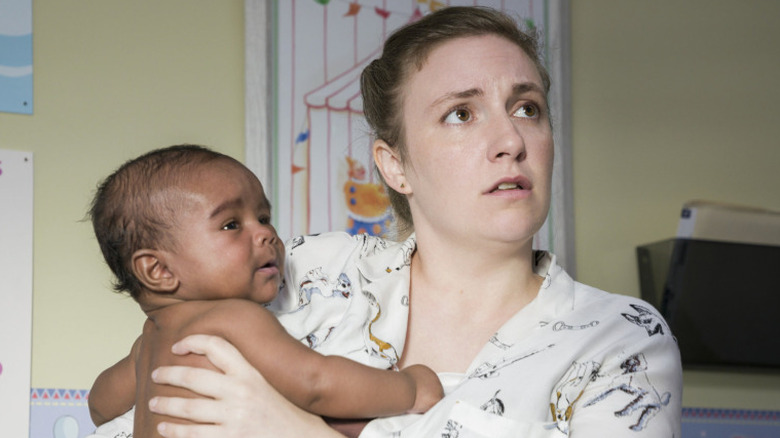
The "Girls" finale's biggest challenge may have been that the show had to compete with itself. The penultimate episode, "Goodbye Tour," functions perfectly as a series finale in its own right. It's both wistful and harsh in places — specifically, in the bathroom when Shoshanna (Zosia Mamet) puts a hard stop on the friend group. The slow-motion look around an engagement party Hannah (Lena Dunham) wasn't even invited to feels like a memory being captured. It's the end of a chapter in the characters' lives that could resonate with its viewers as they go through some of the same bittersweet endings in their own relationships and scary beginnings with new jobs and stages. How do you top that?
To be fair, "Girls" gave it a valiant shot, fast-forwarding five months to Hannah's new life outside the city as a mom with a hyper-focused Marnie (Allison Williams) in tow. This new chapter is so distinct from everything that came before it that it feels like more of a necessarily succinct postscript. And while it ends everything with sobriety and growth for what lies ahead, it also leaves so much unsaid about the future for Hannah, Marnie, and the evolving nature of their friendship. That's a bold choice, but something that might be frustrating for those who favor clarity over ambiguity in their endings.
14. Mad Men
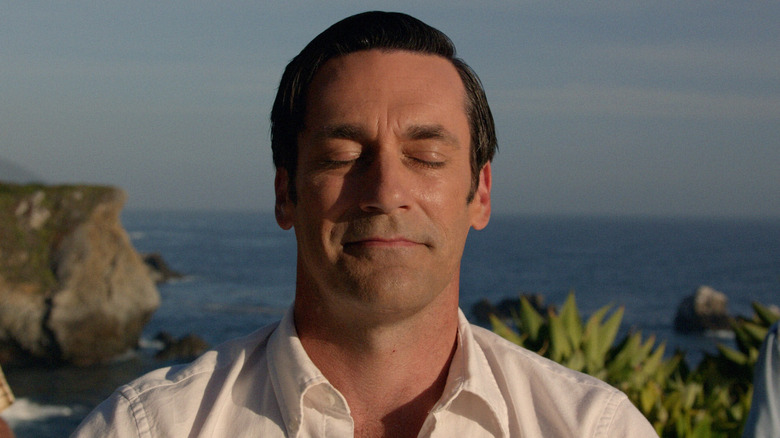
The final season of "Mad Men" sought to humble Don Draper (Jon Hamm). He loses his creative swagger, his wife, and his company's operating autonomy. When he realizes he's just one in a room full of creative directors at the new mega-agency that absorbs his old firm, he hits the road. There, he finds dead ends, hollow thrills, reminders of his failures, and allusions to what he could have become had he not stolen the Don Draper name years earlier.
Brought to his knees in the finale by the weight of it all, Don comes back from the edge at the last second with a mid-meditation epiphany that seemingly leads to a legendary Coke ad. In giving him that final triumph, the writers undermine the trajectory of the final season, its odyssey of pain, and the idea that even someone as formidable as Don Draper couldn't evade the undertow brought on by the shifting tides of the late '60s. Instead, the fantasy of indulgent creatives everywhere takes us home: No matter the transgression, great ideas heal all.
13. House
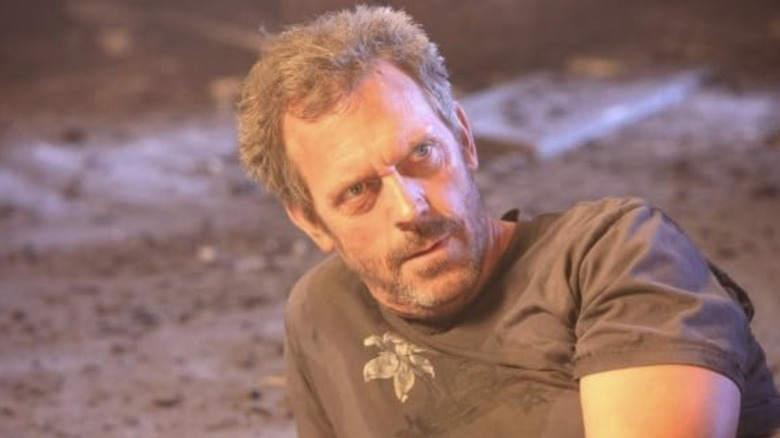
Across eight seasons, Dr. Gregory House (Hugh Laurie) proves to be a genius diagnostician and a world-class jerk who abuses painkillers and terrorizes patients, colleagues, and bosses. That contrast, and the character's flair for unique insults, helps explain the audience's affection for him. In the series finale, however, it seems as though his life-saving medical prowess won't be enough to save him from a prison sentence over a parole violation or the pain from the looming loss of his only true friend, Dr. James Wilson (Robert Sean Leonard), who has only months to live.
Unsurprisingly, the character, who lives to challenge rules and pre-determined outcomes, doesn't handle the confluence of consequences well. Lying next to the dead body of a patient who has overdosed on heroin in a burning building, House confronts the apex of his self-destructive tendencies, debating ghosts and other figments of his imagination as to whether he wants to live or die. In the end, he splits the difference, faking his own death to go on a motorcycle adventure with Wilson until the literal end of the road. A bromantic gesture? Sure, but it strains credulity, minimizes the importance of House's addiction to solving medical mysteries, and nudges fans toward contemplating a destructive and sad ending for House once he's alone.
12. Community
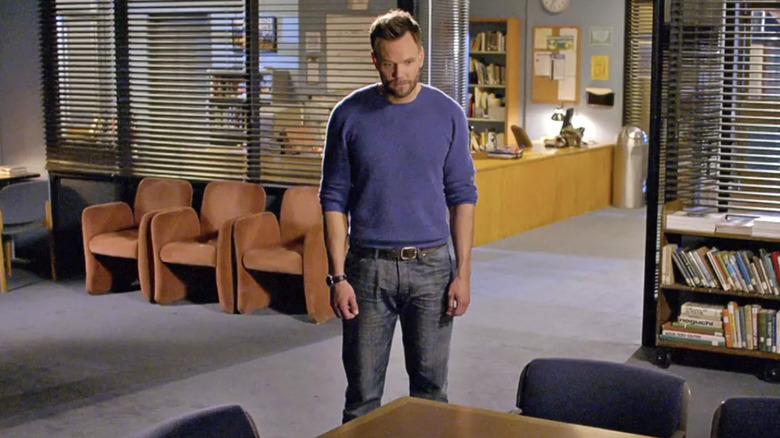
"Community" fans were used to contemplating endings — Dan Harmon's take on higher education was on the cusp of cancellation just about the entire time it was on the air. They had already seen the departure of Donald Glover and Chevy Chase, with Yvette Nicole Brown only appearing in a limited capacity for the final season. Harmon had been fired after Season 3 and then rehired after the creatively lacking fourth season. And the show had moved from NBC to Yahoo! Screen. When the time came to close another season with no assurances about the future, Harmon and company created something with send-off elements. Unfortunately, that effort failed to meet the expectation of a big creative spectacle on par with the show's high-concept hits.
Instead, the final episode of "Community" leaned into a hyper-meta concept that felt more concerned with being smart than being funny or memorable. Partly serving as a treatise on the lame ways shows choose to linger long after their expiration, the show indulged in a series of fake takes on what a Season 7 could look like without putting much energy into what it should look like.
By episode's end, Harmon had squeaked out a solid bit on growing up and letting go as some members of the remaining core group move on with their lives while others stay in place. But with few laughs, the relatively low-key finale felt sadder than fans may have expected. More than a decade later, they're still waiting for the (definitely happening) #AndAMovie to put an appropriate cap on things.
11. Dollhouse
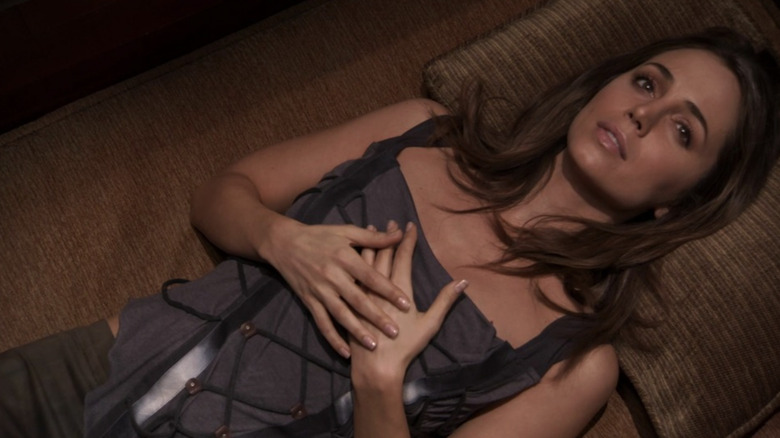
There are similarities between Joss Whedon's short-lived sci-fi series "Dollhouse" and "Severance." They share a focus on mysterious corporations deploying mind-altering tech that allows a break between body and consciousness. But despite an interesting premise in which "dolls" are loaded with different personalities to take on various missions and roles, "Dollhouse" never connected with a large enough audience to sustain a long run and Fox canceled it near the end of its second season. It didn't get a very satisfying conclusion.
Despite the creative team getting enough notice to deliver a proper sendoff, the finale only had the chance to fully land with part of the audience. If you were a super fan who purchased the first season on DVD or went to the Dollhouse panel at San Diego Comic-Con in 2009, then you saw the unaired 13th episode, which functioned as a prelude to the series finale, "Epitaph Two: Return." If you didn't, there may have been some confusion as the show jumped ahead more than 10 years to a world plunged into chaos by the Rossum Corporation and its tech.
The finale did a good job providing Fran Kranz's programmer character, Topher, a hero's sendoff while giving Eliza Dushku's Echo a measure of peace. But the speedrun toward the end and through the show's voluminous mythos resulted in a last act that felt incomplete.
10. Weeds
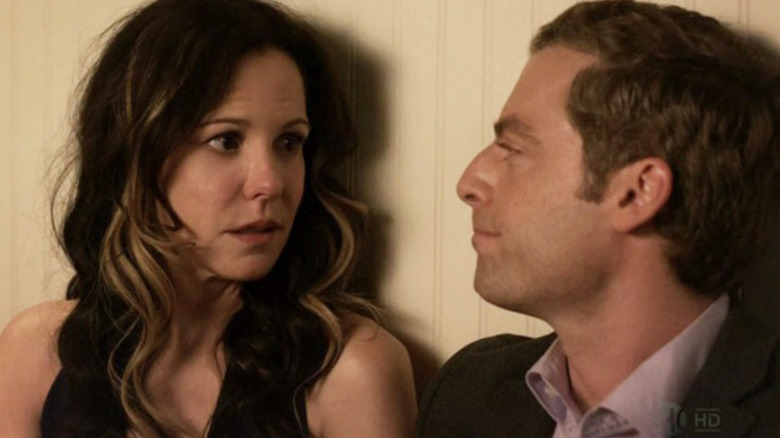
"Weeds" was never afraid of change. Creator Jenji Kohan shook up the Botwin family and criminal organization numerous times across eight seasons, forcing them to navigate drug tunnels, a prison sentence, murder attempts, and more than a few ill-advised romantic hookups along the way. For the series finale, the show jumps ahead about eight years into a world where more money equals new problems for Nancy Botwin (Mary-Louise Parker) as she navigates a burgeoning legal weed empire and incoming empty nest angst.
The time jump is a general series finale staple that's going to come up a few times on this list. While it gives writers the chance to focus more on the pursuit of finality, it can also mute the impact of big character changes. "Weeds" ends in a fitting place for Nancy as she realizes that keeping her family going was a job, well... done, and that she can let go and move on. But the space between Nancy and Andy's (Justin Kirk) surprising and scarring tryst prior to the time jump and his eventual reappearance in her house near the end of the finale needs more than exposition is able to provide, especially considering they shared the show's most enduring relationship.
9. Castle
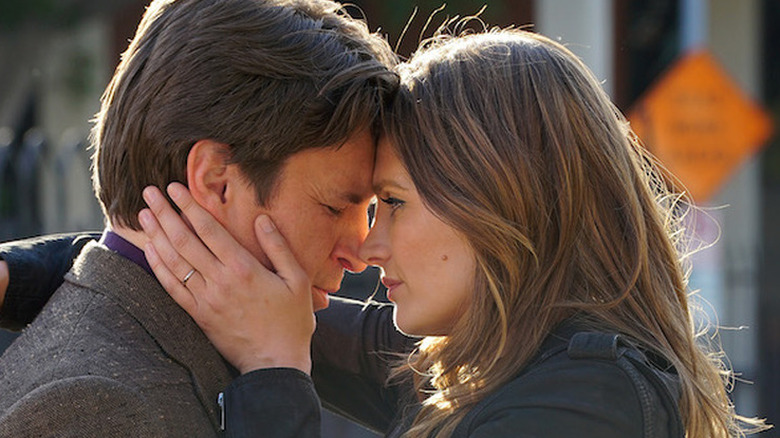
On the surface, "Castle" had a perfectly nice parting moment. Following what was supposed to be the (violent) end of the eighth season, the show jumped seven years ahead to give fans a happy glimpse of Richard Castle (Nathan Fillion), Kate Beckett (Stana Katic), and a gaggle of kids happily gathered around the kitchen table. The problem is that was a break-glass-in-case-of-cancellation happy ending tacked onto the finale after ABC decided to pull the plug on a ninth season of "Castle" that may have been completely unrecognizable.
While Fillion's character was set to survive the shooting that immediately preceded the cheery look ahead, Stana Katic's Beckett wasn't invited back for the planned Season 9. The official reason given at the time was budget cuts, though that did little to quiet the persistent rumors about on-set turmoil. This soft reboot would have not only wiped away the co-lead and central dynamic of the show, but it also would have surely impacted the tone of the sometimes lighter-than-your-average procedural series as it switched focus to Castle's certain grief and likely hunt for Beckett's killer.
Not wanting to commit to such a tricky switch, ABC moved on and later pivoted to "The Rookie" with Fillion and Season 8 "Castle" co-showrunner Alexi Hawley. But while everything likely worked out on ABC's balance sheet, fans of "Castle" got cheated out of the more thoughtfully constructed send-off that a show with that many years surely warranted.
8. House Of Cards
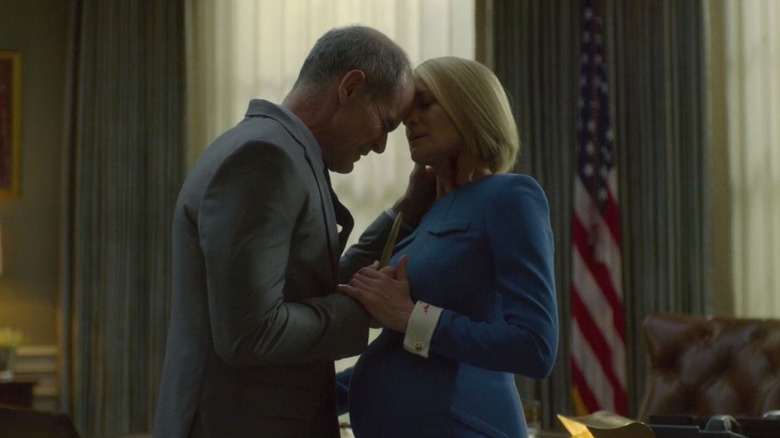
It's surprising that we even got a sixth season of "House of Cards." After series star Kevin Spacey was accused of sexual misconduct, the series shut down production and seemed to be in real jeopardy of never starting up again. Instead, producers rallied, firing Spacey and cutting his Frank Underwood out of the series, rewriting the final season to focus entirely on Robin Wright's ascendant President Claire Hale Underwood.
Under atypical conditions, Wright shines as her character fights to maintain her hold on power while weathering challenges from foreign rivals and attacks inside and outside her administration. This includes Frank's old chief of staff, Doug Stamper (Michael Kelly), who becomes an existential threat to Claire's presidency.
When the show ends with Doug telling Claire he killed Frank to protect the legacy they had built together, it's a reminder that the final season of "House of Cards" is worse off when it lingers on Frank's ghost. When Claire turns Doug's letter opener back on him and kills him, it feels like the show is finally escaping Frank ... just in time for the final credits.
7. Heroes

"Heroes" debuted when comic conventions were reaching new levels of popularity and everyone was letting their geek flags fly. A broadly accessible superpowered show with clear "X-Men" influences, "Heroes" seemed like it was going to be a massive genre hit for years to come, but it fell to Earth quickly.
It's one thing to build a world and set up a plan; it's another to sustain it amidst upheaval. Season 2's episode order got cut due to the 2007 writer's strike, keeping "Heroes" off the air for nine months before Season 3. Unfortunately, absence did not make hearts grow fonder. Ratings for Season 2 were already down and that trend continued in Season 3, prompting the firing of two producers and more panic. By Season 4, the show had fallen to 75th in total viewers.
The best chance "Heroes" had at an impactful reinvention may have come at the end of what was an otherwise forgettable series finale. After wrapping an uninspired season-long arc with the heroes — including a Peter Petrelli (Milo Ventimiglia) and Sylar (Zachary Quinto) team-up — defeating evil carnival ringleader Samuel Sullivan, Claire Bennett (Hayden Panettiere) reveals to the press that superpowered individuals exist. Not an original concept, but something that could have given the show a creative spark. Unfortunately, the tease of "a brave new world" wasn't enough, and NBC pulled the plug on the show in a final disappointment for the shrunken fanbase.
6. True Blood
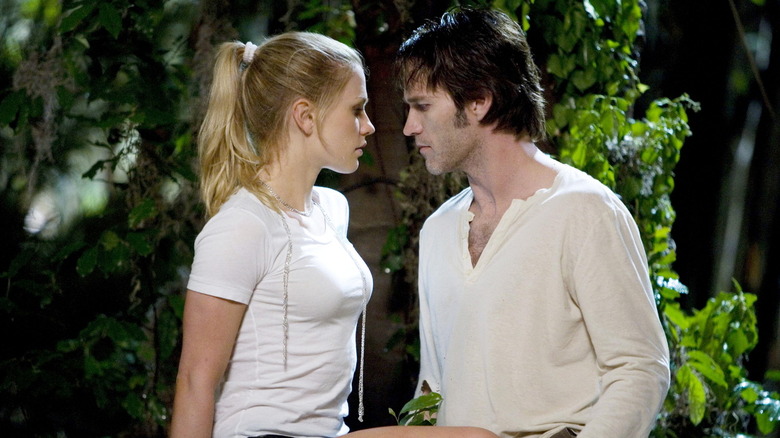
"True Blood" was a fun swirl of fangs, faeries, and flesh. Created by Alan Ball ("American Beauty" and "Six Feet Under") and launching the mainstream careers of Alexander Skarsgard and Joe Manganiello, the show capitalized mightily on the heat from its myriad supernatural lust stories. That's why it's so surprising that, save for the capture and torture of Sarah Newlin (Anna Camp), the final episode of "True Blood" feels so tame.
The episode doesn't lack emotional bite. There's Jessica (Deborah Ann Woll) and Hoyt's (Jim Parrack) wedding, and Sookie (Anna Paquin) resisting Bill's (Stephen Moyer) desire for her to give up her faerie magic to kill him before sadly staking him to partly honor his request. But everything resolves far away from the bloody power struggles and wickedness that fans had come to expect.
Everyone not turned into a pile of goo or a drinkable commodity gets a simple, sappy happy ending, bathed in light and calm with a family feast straight out of Norman Rockwell. While it's nice that the residents of Bon Temps get to a semblance of normality and peace, it still feels incredibly off seeing Sookie wind up with some random dude. Was it right for the character and the show to resist the urge to pair her with someone familiar? Perhaps, but it still feels like the ending for an entirely different show, causing the finale to land awkwardly.
5. Veronica Mars
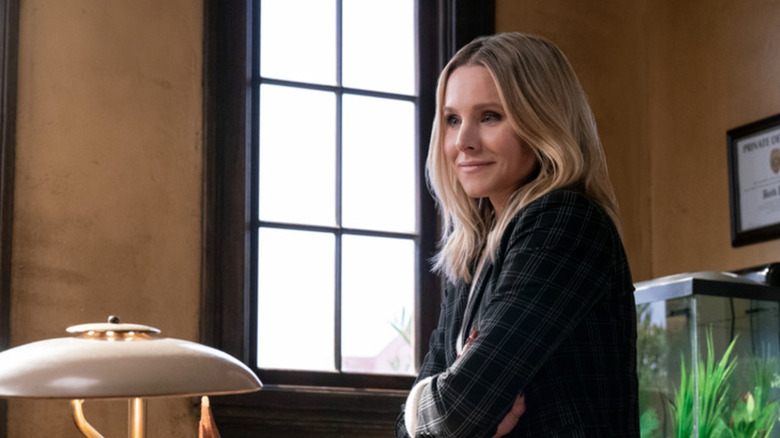
Winning raves as a teenage super-sleuth, Kristen Bell's Veronica Mars navigates a savage high school experience with murderous mysteries to solve. The show earned such a dedicated fandom that creator Rob Thomas (and the cast) were able to crowdfund a "Veronica Mars" movie seven years after the series wrapped. In 2019, five years after the movie, the show returned for a fourth season. A massive win for the affectionately named "Marshmallow" fan base? For sure, but the takeaway might be to be careful what you wish for.
In what we now know to be the unintended (likely) series finale, Veronica (Kristen Bell) figures out that there's a bomb waiting to go off in her car seconds before it claims the life of her husband, Logan (Jason Dohring). Afterward, a modest time jump shows Veronica working on herself and her grief before heading out of a now gentrified Neptune. For fans who weren't ready to say goodbye to Logan or accept anything but a happy ending for the determined detective, it's a bitter final act.
Was it necessary? As Thomas told TVLine back in 2019, killing Logan was done to try and evolve the show away from its "teenage soap" roots and enhance the prospect of future seasons as a more hard-boiled mystery. But while Thomas' creative impulse was sound, the resulting backlash to the way it was done likely played a part in dimming the prospects of another season.
4. How I Met Your Mother
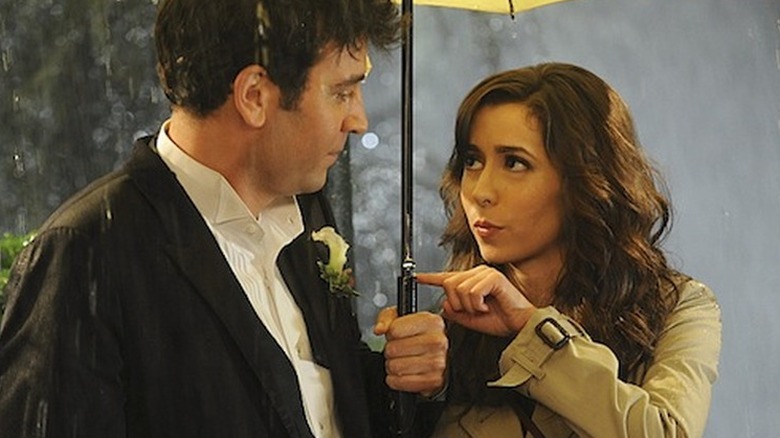
"How I Met Your Mother" teased the reveal of its main character's eventual partner and the mother of his children from the start. But after nine seasons, pairing Ted (Josh Radnor) with someone new after so much time spent developing the main ensemble felt like a sure disappointment. Apparently, showrunners Carter Bays and Craig Thomas recognized this early on and built a way out. Yes, we'd meet the eponymous mother, but that wouldn't be the end.
Bays and Thomas pulled off what probably felt like an all-time sitcom send-off surprise, casting Cristin Milioti before deploying the ever-popular time jump. They then killed her character and dissolved the marriage between Robin (Cobie Smulders) and Barney (Neil Patrick Harris). In doing so, the path was clear to get to Robin, Ted, that blue French horn, and a feeling that the show hit the wrong note.
On paper, the "How I Met Your Mother" finale should have worked. Fans got the pairing that seemed right from the beginning. It just took so many steps to get there, burning through the Robin and Barney relationship, before ending with a big moment that may have landed better if fans had more time to actually enjoy seeing Robin and Ted together again. Just think, how would the show's legacy be regarded if they had included the deleted scene that showed Robin's lingering feelings for Ted or if the finale had been longer, questions Thomas contemplated in a 2025 TVLine interview.
3. Dexter
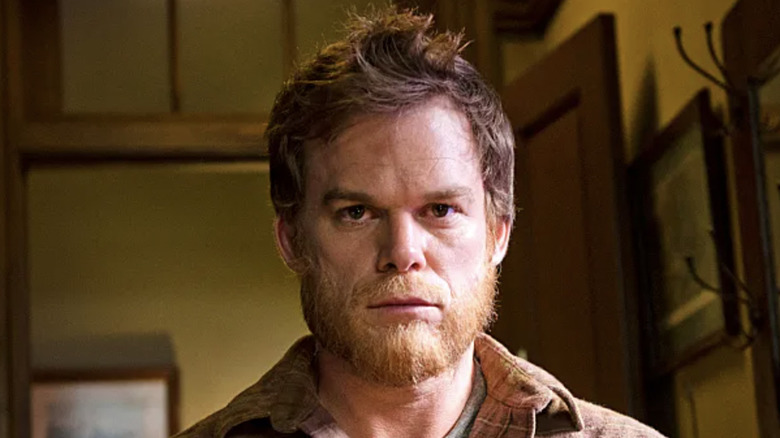
The carrying tension of "Dexter" came from the constant threat that the Miami-based blood-spatter expert and part-time vigilante killer might get caught. After eight seasons of being pushed to increasingly extreme acts to stay out of prison, the character and show were both ready for an ending. The writers responded by throwing everything at the wall — a hurricane bearing down and Dexter (Michael C. Hall) trying to escape Miami with his son and Hannah (Yvonne Strahovski), all while his sister, Deb (Jennifer Carpenter) fights for her life in a hospital bed.
The solution to unwinding all of those potential endings? A sharp turn that sees Dexter fake his own death and escape to an isolated life as a logger. No one had that on their bingo card, and the absurdity of that choice has made the "Dexter" finale infamous. It can be argued, however, that "Dexter" didn't seem likely to lean into its main character facing capture or some kind of happy ending in the sun. One way or another, Dexter probably needs to head into that hurricane. At least keeping him alive allowed the series to become one of the most mined pieces of IP this side of "Star Wars" with its multiple spinoffs ("Dexter: New Blood," "Dexter: Original Sin," and "Dexter: Resurrection"). Now that was surprising.
2. Game Of Thrones
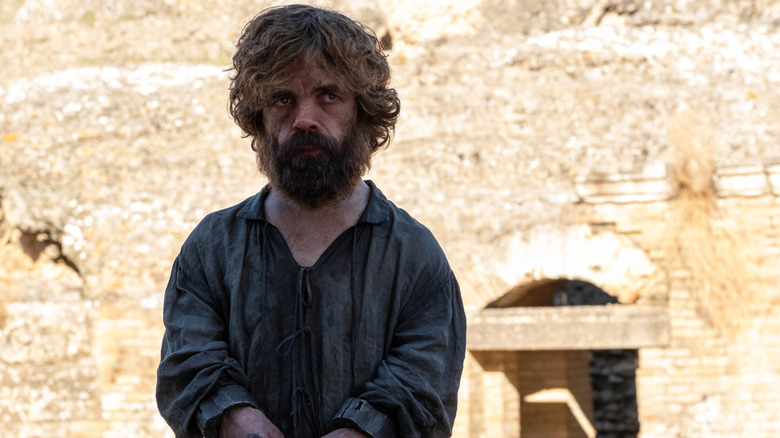
Few shows manage to leave both a cultural footprint and a crater where they crashed down to Earth. "Game Of Thrones" was a gargantuan hit for HBO, playing off the roadmap drawn by George R. R. Martin's "Song Of Ice And Fire" books. But then, showrunners David Benioff and D.B. Weiss ran out of storylines from Martin's books and the good graces of a vocal portion of the fanbase near the end of its eight-season run.
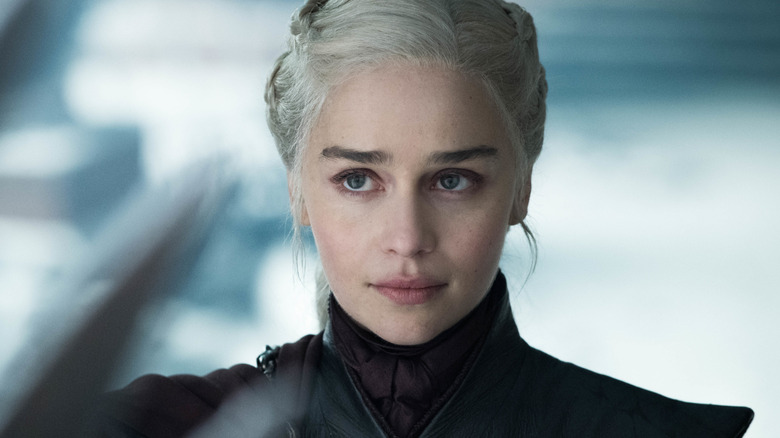
The series finale cemented the legacy of the show's middling final season with two polarizing choices. First, they finished the work of turning the heroine from the books and the show's early seasons (Emilia Clarke's Daenerys Targaryen) into a tyrant who goes literal scorched Earth on King's Landing before getting run through by Jon Snow (Kit Harington). Then they sidestepped popular picks for who would occupy the charred Iron Throne. Following a journey that never felt as front and center or compelling as the journeys of more prominent characters, Bran Stark (Isaac Hempstead Wright) just didn't have the juice or broad fan support.
Acceding to fan demands isn't a requirement when it comes to landing a finale. But the negativity that comes with going in the opposite direction of fan service apparently burns as long as wildfire. Like "Dexter," however, "Game of Thrones" is getting the chance to have its overall franchise legacy influenced by its spin-offs.
1. Lost
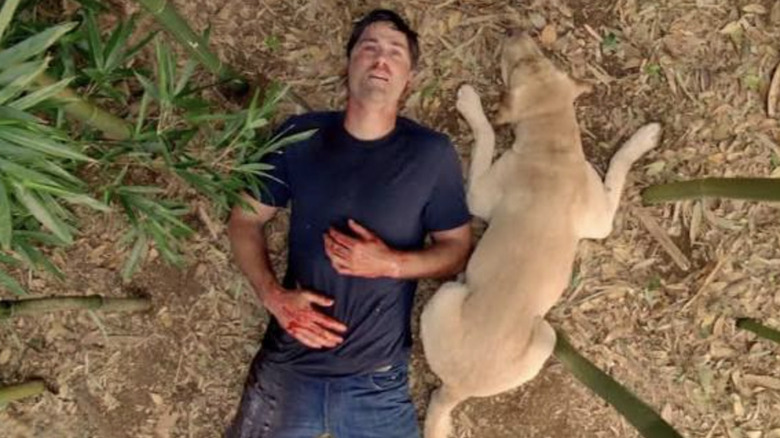
Was a satisfying series finale even possible for a show like "Lost"? Built with layers upon layers of mysteries, timelines, and mythology, showrunners Damon Lindelof and Carlton Cuse may have had too much to unwind at the end. The two-part finale shows they didn't really try. Instead, they seemed to prioritize delivering an emotional payoff for the show's characters while leaving many questions unanswered. Unfortunately, with a show like "Lost," some viewers cared as much about those mysteries and what it all was supposed to mean, seeing the island as the most vital character of all.
The way "Lost" was packaged, as a deep, giant puzzle filled with clues, also impacted the mixed response to the finale. In the absence of definitive answers, fans speculated on their own. And in a way, that has helped to keep the show alive (and popular on streaming), inspiring curiosity from a new generation. That second life is even more impressive when you consider the lack of spin-offs or sequels. Maybe a frustrating finale doesn't have to be a legacy death sentence, after all.