

15 Best HBO Shows Of The 2010s, Ranked
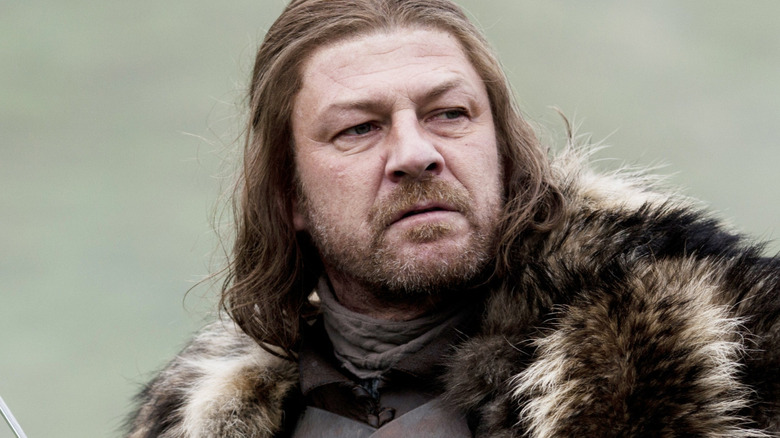
If HBO helped set the parameters for the Golden Age of Television with its early-2000s masterpieces, the network's 2010s output similarly reflects a trend of its era — namely, the broadening scope of what great television could be, with "prestige TV" no longer operating as shorthand for a couple of ultra-acclaimed shows, and instead referring to the appetite for quality and innovation that became the tonic of the whole industry.
The best HBO shows of the 2010-2019 period run the gamut from quiet humanist dramas to dark antihero thrillers to riotous comedies, sometimes simultaneously. The story they tell, collectively, is the story of a flourishing medium acquiring the confidence to take greater and greater risks, and thereby yielding unquantifiable rewards. Here is a ranking of the 15 best HBO shows of the 2010s to prove it, with only seasons aired within the decade itself being considered.
15. True Detective
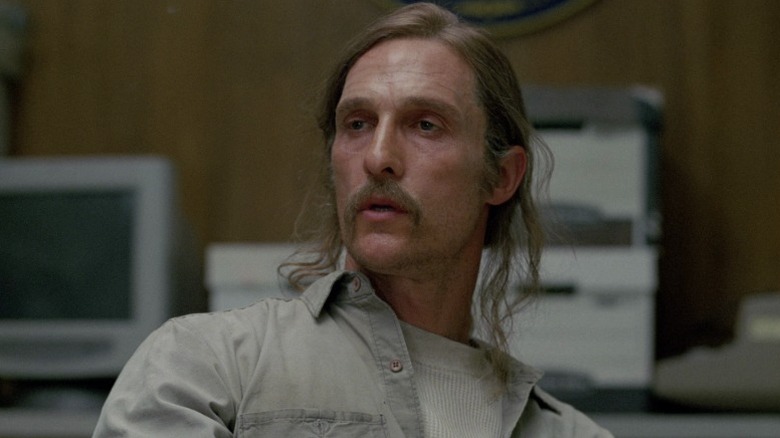
Created by Nic Pizzolatto, "True Detective" began its life as a miniseries in 2014, and immediately staked its claim as one of the most momentous TV events of the decade. The Cary Joji Fukunaga-directed first season, starring Woody Harrelson and a mid-renaissance Matthew McConaughey as two former police detectives and partners who get summoned to recount the events of a 1995 murder investigation, became nothing short of a cultural phenomenon. Three more star-studded seasons with independent stories followed, all centered around troubled police officers cooperating to solve grisly small-town crimes.
If only the first season existed, the show would be significantly higher up on this ranking; as it happens, not all four seasons of "True Detective" quite managed to recapture the originality, addictive writing, cinematic grandeur, and startling poetic brio of that first year, with the second season in particular standing out as largely a dud. Even so, it's one of the defining HBO shows of the decade, and Seasons 3 and 4, while different beasts from the first, have plenty of their own merits.
14. Big Little Lies
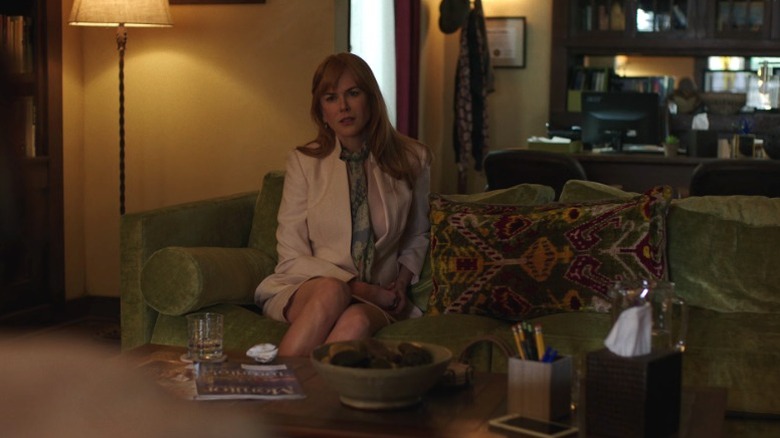
No other 2010s show found a more delicate midpoint between frothy soap-opera intrigue and burrowing, psychologically rich, cinematically charged depth than "Big Little Lies." Created by David E. Kelley as an adaptation of the eponymous Liane Moriarty novel, the 2017 series enlists Nicole Kidman, Reese Witherspoon, Zoë Kravitz, Shailene Woodley, and Laura Dern to bring to life the platonic ideal of a primetime melodrama, following five mothers in sun-baked Monterrey, California whose intertwined lives are recounted to the police by nosy neighbors during a murder investigation.
Much like "True Detective," it's a show that would be higher up on this list if it had remained as a one-and-done miniseries; the original, Jean-Marc Vallée directed season is just about impeccable. But the second season of "Big Little Lies," handsomely helmed by Andrea Arnold yet reportedly marred by behind-the-scenes drama and a handful of narrative redundancies, is not quite up to the same standard. Still, at its best across both seasons, it's a propulsive feat of multi-perspective character drama featuring some of the network's strongest acting, writing, and editing ever.
13. Barry
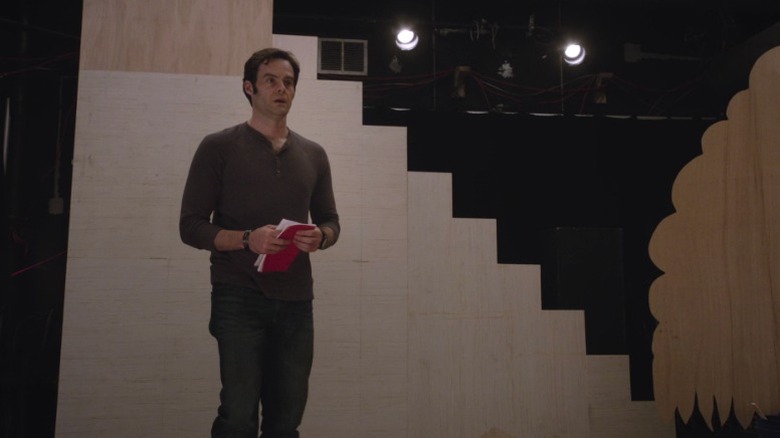
Created by Alec Berg and Bill Hader, "Barry" stars Hader himself as Barry Berkman, a highly skilled contract killer who winds up in an acting class in Los Angeles during an assignment, and discovers a passion for the dramatic arts. He begins to devote himself to acting under the stage name "Barry Block," while struggling to put his hitman days behind him and keep them a secret from his new friends and acquaintances.
The rare show that fully lives up to the "comedy-drama" label, somehow balancing absurdist satire and zany Looney Tunes humor with shocking emotional darkness and nerve-racking tension, "Barry" gives Hader and fellow castmates like Sarah Goldberg, Stephen Root, and Henry Winkler the opportunity to sink their teeth into impressive, tonally tricky roles; over the course of its four seasons, it grows from a spiky, fascinating genre oddity into one of the finest character studies of our time. The only reason it's not higher on this ranking is that we're only counting the two seasons that aired in the 2010s, during which the show was still in the process of coming into its own — but even those seasons are TV of the highest caliber.
12. Game of Thrones
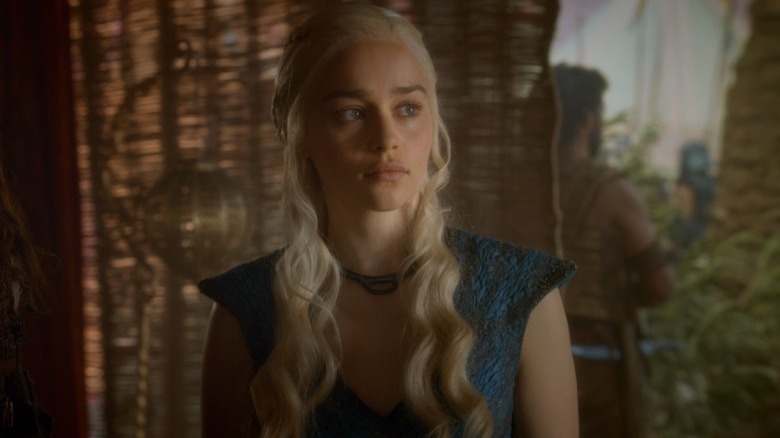
There was a point in time at which it seemed not only possible but inevitable that "Game of Thrones" would go down as the greatest TV show ever made. No television production had ever mobilized culture, sparked discussion, and rewritten the rules of the medium to quite the same extent as HBO's tentpole medieval fantasy series, which leveraged the sprawling ensemble drama and fine-grained realpolitik of George R. R. Martin's "A Song of Ice and Fire" novels into a searingly intimate, relentlessly gripping war epic with some of the most mind-blowing spectacle ever committed to the small screen.
As tends to be the case with world-shattering media phenomenons, however, "Game of Thrones" eventually began to buckle under the weight of its own success. Following four practically perfect seasons, the series' back half started sacrificing logic for all-out action, culminating in one of the most embarrassing final seasons of any show ever. Given how substandard if not straight-up bad it was for nearly half of its existence, it can't really rank alongside HBO's unimpeachable masterpieces of the decade; even so, "Game of Thrones" was the defining television series of any network in the 2010s, and, at its best, it was as good as anything in TV history.
11. Sharp Objects
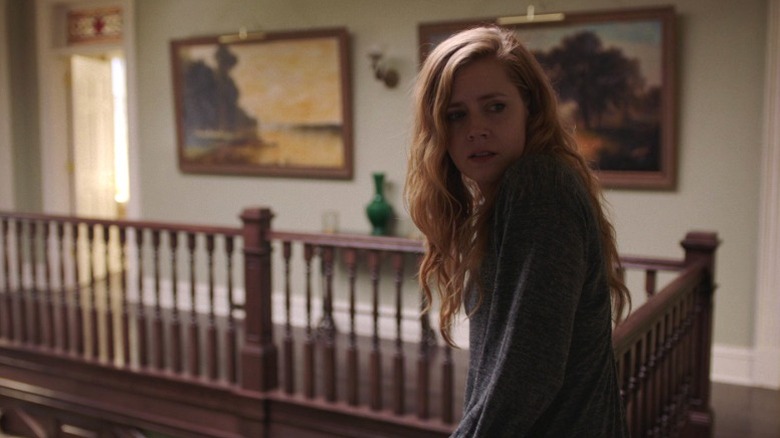
The past decade and change of television has been peppered with novelistic stories about journalists and investigators looking into gruesome mysteries and gradually seeping in their darkness; bolstered by streaming wars, a true-crime content boom, and similar tides in the publishing industry, the "psychological crime thriller" became pretty much a genre unto itself. And one could argue that it has yet to be outdone by "Sharp Objects," a 2018 HBO miniseries that took the genre to its final, stomach-churning consequences.
A never-better Amy Adams stars as Camille Preaker, a crime reporter and barely-functioning alcoholic with a grueling family history. When her sleepy hometown of Wind Gap, MO is rocked by the murder of two teen girls, she is dispatched by the St. Louis Chronicle to cover the ongoing investigation from a personal perspective. The show, created by Marti Noxon from the eponymous Gillian Flynn novel, charges into its protagonist's fractured mind so thoroughly and fearlessly that it transcends glossy entertainment; as Camille gets slowly pulled back into the history of pain and trauma she left behind in Wind Gap, "Sharp Objects" forces the viewer to feel in their bones every pang of horror and nausea in its dovetailing tales of past and present violence.
10. Treme
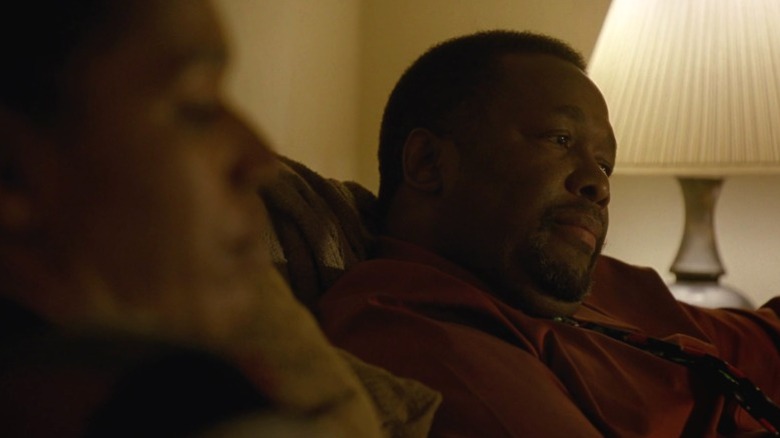
Few TV auteurs could have managed to come up with a worthy follow-up after creating "The Wire," but David Simon managed it. In 2010, Simon and Eric Overmyer launched "Treme," a music-laden ensemble drama that matched "The Wire" in its sociocultural sharpness and in the complexity of its character tapestry, yet differed markedly from it in its style and narrative focus.
On "Treme," an incredible cast convenes in real New Orleans to tell a story about ordinary people struggling to rebuild their lives in the aftermath of Hurricane Katrina. Balancing a warm, gentle, unhurried tone with Simon's signature command of densely-interlocked plotting, it's an endlessly rewarding dramatic confection in which the big feelings are always earned, and the splashes of local color — from the food to the musical performances to the Mardi Gras celebrations — are all the more dazzling for being steeped in stringent authenticity and genuine affection.
9. Looking
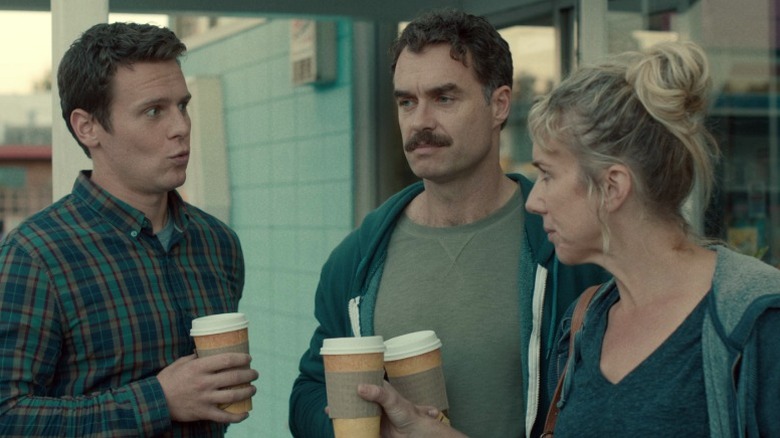
Created by Michael Lannan and directed by an all-star lineup of indie cinema luminaries (led by Andrew Haigh, but also including Jamie Babbit, Ryan Fleck, Joe Swanberg, and Craig Johnson), the short-lived "Looking" follows Patrick (Jonathan Groff), Agustín (Frankie J. Alvarez), and Don (Murray Bartlett), three friends dealing with the romantic, sexual, professional, and existential trials of life in San Francisco.
The same quiet, intimate, deeply vulnerable sensibility that became Haigh's signature in movies like "Weekend" and later "All of Us Strangers" is on full display across the two seasons of "Looking." The show subscribes to the classic "friend group in the urban jungle" format of other HBO cornerstones, with plenty of droll humor and romantic pandemonium to go along with it, but what singles it out is the tenderness and unflinching clarity with which it captures shades of American gay life in the pivotal mid-2010s.
8. Girls
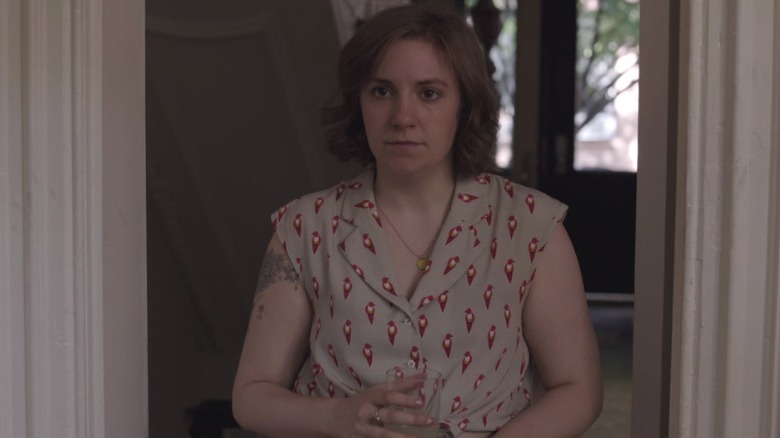
From its ingeniously broad title onward, "Girls" took it upon itself to confound expectations. Packaged as a "generational snapshot" of what it was to be a twentysomething woman in the 2010s, supposedly trained on common denominators of millennial experience, the Lena Dunham-created dramedy was really a highly specific account of the passions, blunders, and neuroses of four very particular people. The lives of Hannah (Dunham), Marnie (Allison Williams), Jessa (Jemima Kirke), and Shoshanna (Zosia Mamet) didn't exist in representation of their generation, but in conversation with it — and what an enthralling conversation it was.
Loved and maligned in equal measure for its fearless cartography of white Brooklynite solipsism, the show was a cultural centerpiece of its time, turning on a dime from scathing to bizarre to infuriating to painfully relatable in ways that never failed to hold the public spellbound and get everybody talking. And the presence it continues to have nearly a decade on from its conclusion, still being rewatched and meme'd and debated to an extent most currently-airing series can only dream of, is a testament to the blistering brilliance and tough generosity of its writing. Say what you will about it, "Girls" struck a chord.
7. Chernobyl
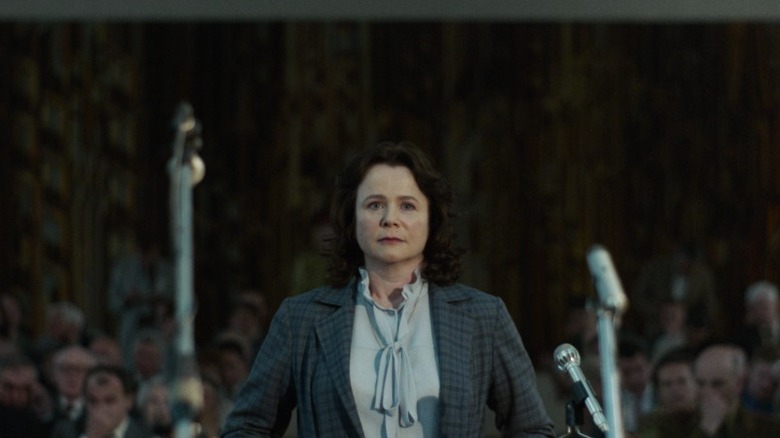
Told in five parts, all of them directed by Johan Renck and written by Craig Mazin, the HBO and Sky Atlantic miniseries "Chernobyl" managed the improbable feat of becoming a massive audience success with a sizable cultural footprint despite being, for all intents and purposes, an unflinchingly unpleasant watch. In a way, this speaks to the craftsmanship of Mazin and Renck, who manage to locate propulsive human drama and gripping political intrigue in the aftermath of the 1986 Chernobyl nuclear accident without once diluting or sensationalizing the weight of its tragedy.
Significantly fictionalized but largely focused on real-life historical figures, the series uses each of its five chapters to examine a different facet of the story of Chernobyl: The excruciating first hour charts the slow breakdown of failsafes leading up to the explosion, followed by episodes chronicling the Soviet government's scramble to contain further damage as the radiation spreads to neighboring areas, and culminating in a white-knuckle trial in which the layers of negligence that led to the disaster are finally laid bare. In each of those moments, "Chernobyl" is as harrowing and emotionally painful to experience as it is intellectually galvanizing.
6. Insecure
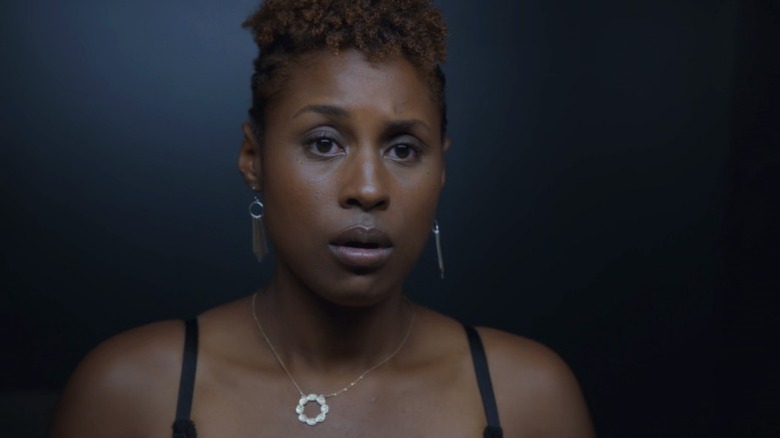
The choice of title for "Insecure" might have been the most pointed of any TV show in the 2010s: In a media landscape that was and is loath to treat Black women as complete human beings and take an interest in their complexities, individualities, and vulnerabilities, here was a show that made warts-and-all humanity its guiding principle. Created by Issa Rae and Larry Wilmore, and starring Rae and Yvonne Orji as best friends Issa Dee and Molly Carter, "Insecure" broke stereotypes of demographic representation while simultaneously finding fine-grained, deeply authentic humor and pathos in the overlooked experiences of said demographic.
While largely focused on Issa and Molly's romantic travails, with maybe the most realistically knotty relationship writing and the most biting dating-world commentary of any millennial show, what cinches the show's greatness is its sheer effectiveness as a buddy sitcom. Poring over textures of twentysomething Los Angeles life that few shows before or since have stopped to really look at, "Insecure" procures more gems of goofy absurdist comedy and character-specific eccentricity per episode than most shows manage across whole seasons, and thereby sustains five years' worth of elite-level romcom craft that makes the most of both the "rom" and the "com."
5. Succession
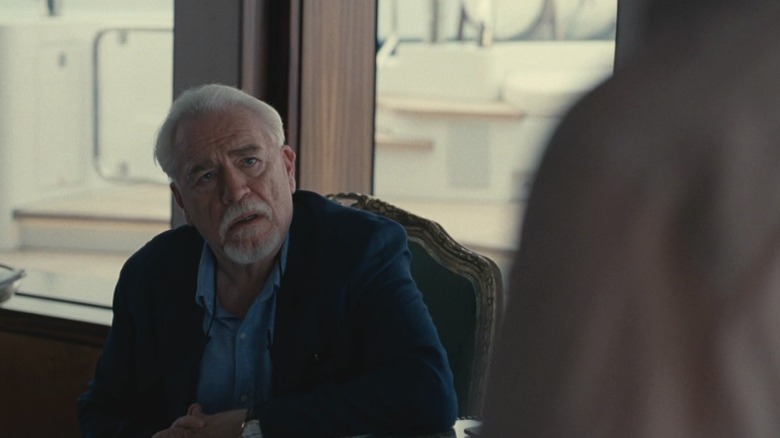
If all four seasons and 39 episodes of "Succession" were counted for this ranking, it would be in serious contention for the #1 spot. Following its beginnings as a frantic live-action cartoon about the hilarious amorality of the ultra-rich, the Jesse Armstrong-created series gradually developed into an epic of power, vice, and familial resentment that emerged inarguably as the defining HBO drama of the post-"Game of Thrones" world.
Even before it was going full throttle and jogging its four-year body of work into the TV tragedy of its time, however, "Succession" was already plenty extraordinary. In its more comedically-inclined early going, it located the impossible, exhilarating crosspoint between Shakespeare and "Arrested Development," and then ran with it to places that grew more stunning by the episode. By the Season 2 finale, aired in October 2019, it defied comprehension that such a snarky and madcap Wall Street satire could also be such a masterclass in earnest dramaturgy; the flight it took in its back half was only the logical progression.
4. Veep
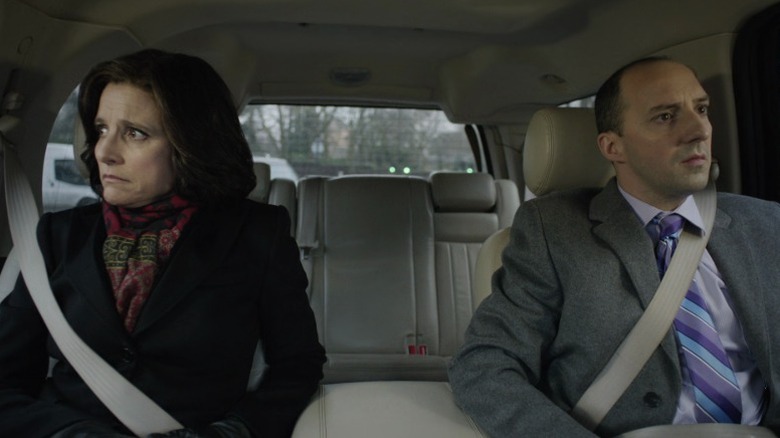
With apologies to "House of Cards," the greatest show about American politics in the 2010s was not the one that dramatized it as a site of masterful Machiavellian calculations, but the one that never even took it seriously enough to let any pretense of evil genius flourish. The characters on "Veep" are desperate, childish, sniveling idiots, always too busy covering their own rears to commit to long-term machinations, and less prone to bone-chilling imperial monologues than to haikus of colorful profanity. And that's what makes them such a hoot to watch.
The best HBO sitcom ever made follows U.S. Vice President Selina Meyer (Julia Louis-Dreyfus) and her bumbling staff as they gnaw around the edges of the D.C. power machine, with fidgety documentary-style cinematography ever pushing into their sweat drips and microexpressions of panic. It's one of the funniest shows of all time, so precise in its recombinations of farcical, satirical, verbal, and physical humor that the punchlines run into each other without rest. And its outlook on the workings of the White House may just be the most unsparingly clever of any show ever.
3. Olive Kitteridge
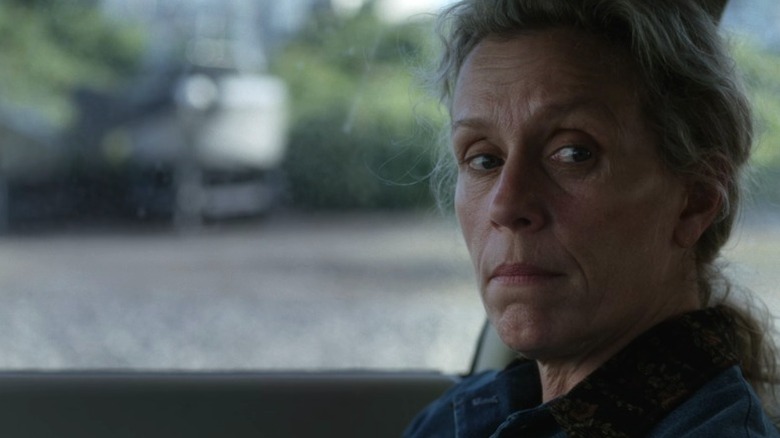
The best HBO miniseries of the 2010s is "Olive Kitteridge." Adapted entirely by Jane Anderson from the acclaimed Elizabeth Strout novel, and directed with cinematic depth of focus by American indie darling Lisa Cholodenko, this four-part 2014 masterpiece centers Olive (Frances McDormand), a retired schoolteacher in the fictional coastal Maine town of Crosby, and her kind pharmacist husband Henry (Richard Jenkins).
Like the novel, the TV version of "Olive Kitteridge" uses Olive's tough-loving personality and quiet, contemplative life as an entry point into Crosby's rich community, offering intimate accounts of the loves, worries, fears, regrets, and ineffable burdens of a variety of residents over the course of 25 years between the '80s and the 2000s. The result, aided by one of the most impressive ensemble casts ever assembled by HBO, is unspeakably affecting: Even while largely divested from traditional plotting, the show manages to offer a comprehensive compendium of the joys and sorrows of the human condition as colored by the passage of time, hitting upon moments of such sublime poetry that it's hard not to beam with awe even through the tears.
2. Enlightened
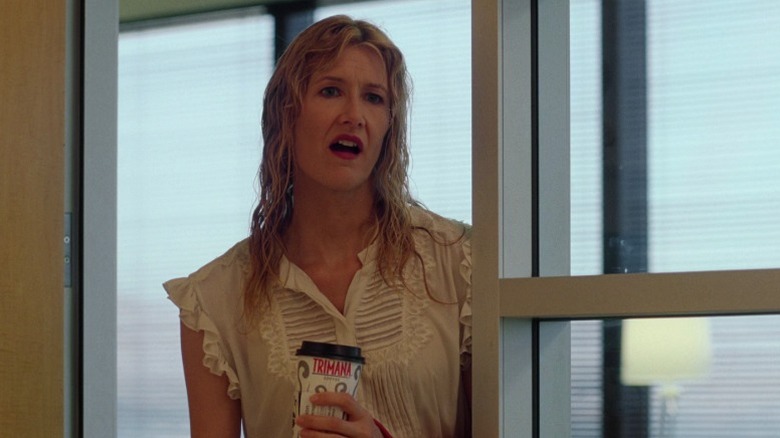
The question of what it means to live a good life and do right by others has seldom been explored with more thoroughgoing curiosity than on "Enlightened." Created by Mike White, the short-lived but enormously acclaimed series has a premise that would seem to invite "The White Lotus"-esque satirical snark: Overstressed office worker Amy Jellicoe (Laura Dern) has a spiritual awakening during a two-month stay at a holistic mental care facility, and comes home determined to change her ways and make the world a better place.
Although White certainly finds plenty of wry comedy in Amy's situation, however, "Enlightened" gradually reveals itself to be a more-or-less fully earnest show — and therein lies its genius. As Amy attempts to rebuild her relationships and address the cascade of personal calamities that landed her in rehab, she realizes that her newly-acquired sense of altruistic purpose entails going to war with Abaddon Industries, the shadowy megacorporation where she works.
"Enlightened" thus becomes a masterpiece of system-crashing humanism, which gives careful, masterfully-written consideration to the inner lives of a host of incredible characters, and then parlays its love for those characters into a blistering critique of the ways in which modern society is failing its people. There's never been anything else on TV like it.
1. The Leftovers
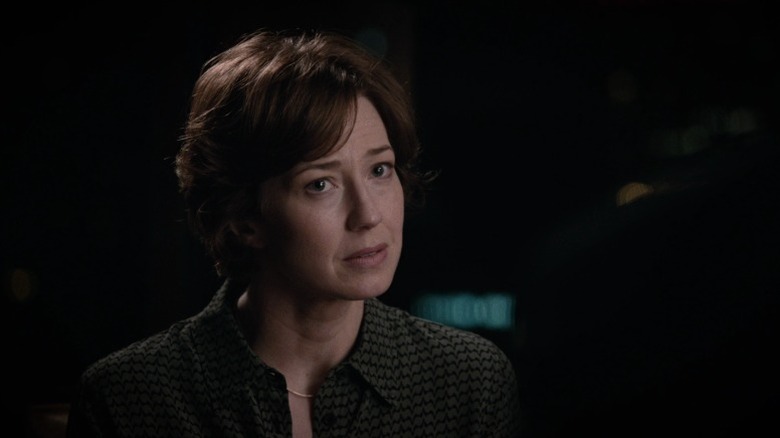
The best HBO series of the 2010s is the one that threw all rules and all caution to the wind. Created by Damon Lindelof and Tom Perrotta from the latter's eponymous novel, "The Leftovers" has the kind of sturdy high-concept premise that mystery thrillers build entire runs on solving: On October 14, 2011, 140 million people around the world vanish into thin air at the exact same moment, with no apparent cause or explanation, never to be seen again. But, instead of cracking open puzzle boxes, "The Leftovers" lets the mystery be.
Although the characters are certainly concerned with the question of what spurred the Sudden Departure and whether it can ever be reversed, the show very much isn't: The point of "The Leftovers" is to explore the way humanity copes with a senseless, incomprehensible tragedy that defies all existing rules of faith, science, philosophy, and grief management. In its willingness to barrel into the darkest, deepest recesses of that subject through the perspective of characters every bit as eccentric and mesmerizing as they are virtuosically developed, it's a show that fulfills the very essence of what TV storytelling can be. It only ran for three seasons, but the fact that those seasons exist at all is a wonder.