

10 Most Disappointing Netflix Adaptations (So Far)
There are very few feelings in entertainment that are better than learning one of your favorite books, plays, or comics is getting an adaptation on a major streaming platform. After years of loving something that's flown under the radar, along comes an opportunity for that story to be brought into the mainstream for everyone to enjoy. Plus, if an adaptation is well-received, it's great to feel vindicated for liking something way before it was cool to do so. However, the sad truth is that for every big hit adaptation like "Bridgerton" or "Percy Jackson and the Olympians," there are a handful that missed the mark completely.
Ever since it came along and changed the way people consume television, Netflix has scooped up some cherished stories and given them the high-budget adaptation treatment, only to have critics and fans alike react with an emphatic "No thank you." Here are just 10 disappointing Netflix adaptations.
Iron Fist
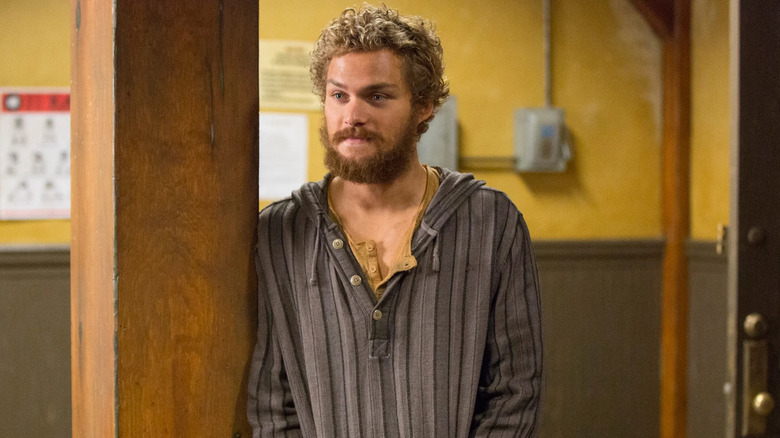
After Netflix announced martial arts master Iron Fist was joining Daredevil, Jessica Jones, and Luke Cage in getting live-action TV shows leading to a larger team-up series, Marvel fans were understandably excited. That's why it was such a colossal disappointment when "Iron Fist" proved to be a very low-energy, unfaithful adaptation of the comics. A lackluster and timid performance by star Finn Jones made the show that much more painful to watch.
It was clear that no one was taking this adaptation as seriously as the other Netflix Marvel shows. Eventually, Iron Fist became a punchline in the Marvel Cinematic Universe, and even among his fellow members of the Defenders. Despite poor reception, his adjacency to those characters has given him a second chance on Disney+ through the upcoming "Daredevil: Born Again" Season 3, but it's possible the damage is already done.
Pieces of Her
The downfall of "Pieces of Her" can perhaps be attributed to pacing. It's one thing when you're reading the novel of the same name by Karin Slaughter, but for the TV show, flashback sequences can feel like a narrative cop-out at best, or an agonizing departure from the main plot at worst.
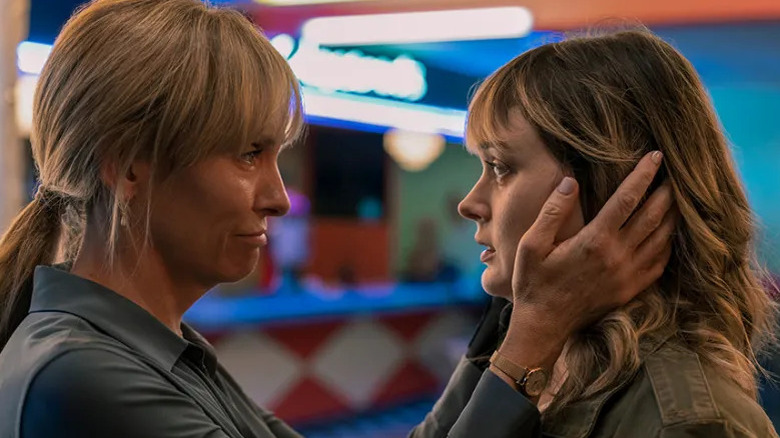
"Pieces of Her" has an amazing hook. A mother and daughter are caught in a public mass shooting, and the mom, played by Toni Collette, demonstrates a level of heroism that shocks her adult daughter. That moment lays out a puzzle that the remaining episodes have to solve. It does so through lengthy expository dips into the past that make the viewer feel like the story is happening at random rather than unraveling coherently before them. Further proof that the show doesn't know how to parse out the events of Slaughter's novel is the fact that episode runtimes get bigger as the show goes on, with the premiere clocking in at a tight 44 minutes compared to the finale being over an hour.
Ultimately, critics found Collette's performance to be the only worthwhile thing in this series, as the narrative struggles to find its footing and bring the events from the page to the screen in a way that was enjoyable or even logical.
Ratched
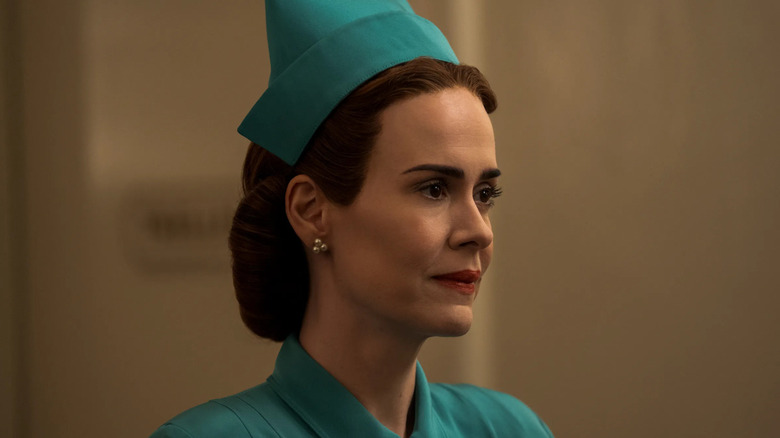
Ironically, the Netflix TV series "Ratched" is a poor prequel to a universally beloved book-to-film adaptation: "One Flew Over the Cuckoo's Nest." Anyone who saw that film was likely left fuming at the obnoxious and downright troublesome character of Nurse Mildred Ratched, played in the film by Louise Fletcher but substituted here by producer Ryan Murphy's frequent collaborator Sarah Paulson. The character is responsible for most of the reprehensible things our heroes go through in the movie, so it wasn't a bad idea to pitch an origin story explaining why she is the way she is.
However, TVLine's "Ratched" review notes that the entire series felt like a rejected concept for an "American Horror Story" season. What could have been a thought-provoking character exploration that starts with a villain and works backwards to someone the audience can sympathize with became Murphy's usual cavalcade of shocking, over-the-top melodrama that favors flashy moments over anything of real substance.
Scott Pilgrim Takes Off
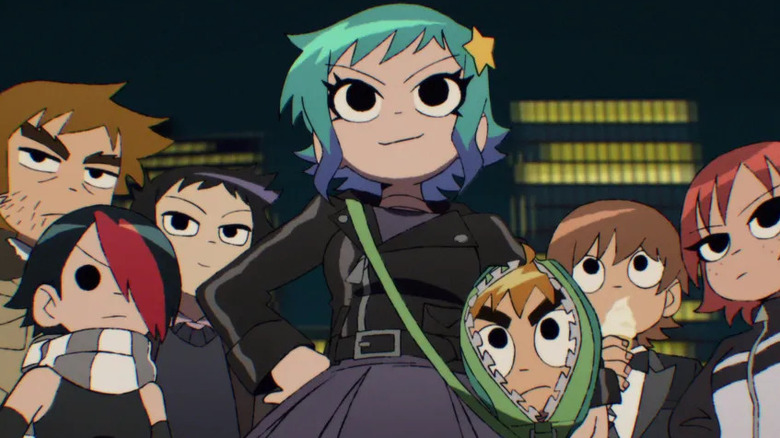
Years after Edgar Wright's "Scott Pilgrim vs. the World" became a beloved cult classic, Netflix announced an animated series titled "Scott Pilgrim Takes Off," with the film's cast reprising their roles as voice actors. Given that the characters began their life as illustrations, the source material lends itself well to animation — and there's probably significant overlap between "Scott Pilgrim" fans and anime fans. But the TV show is not simply an animated retelling of the graphic novels.
Instead, creators Bryan Lee O'Malley and BenDavid Grabinski decided to give the show a massive twist, breaking from the storyline and creating an alternate reality version of the comics-slash-movie, complete with a character basically writing and producing Wright's movie from within the show. The goal was to play with the very idea of legacy sequels, reboots, and even live-action adaptations. It's not a bad show — in fact, many "Scott Pilgrim" fans think it's terrific. But other fans — those inexplicably hoping for an unimaginative retread of the same story from the movie — were less than thrilled with "Scott Pilgrim Takes Off."
Cowboy Bebop
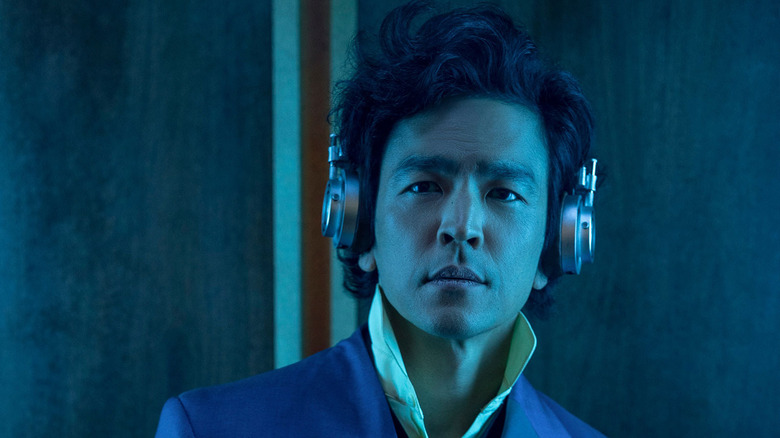
It can be difficult to adapt anime to live-action. Not only are there cultural differences between Japanese storytelling and what hits with U.S. viewers, but fans of the source material are often pretty intense. While shows like "One Piece" prove it can be done, Netflix's 2021 adaptation of "Cowboy Bebop" is a good example of what not to do.
The show, which follows a group of outer space bounty hunters in a Western-noir-inspired setting, is fun enough, with great action sequences and a talented cast. However, its desire to be a faithful adaptation of the anime makes it afraid of innovation. The more anime fans watched the live-action "Cowboy Bebop," the more they found themselves wondering why they weren't just watching the original anime rather than this somewhat hollow impression.
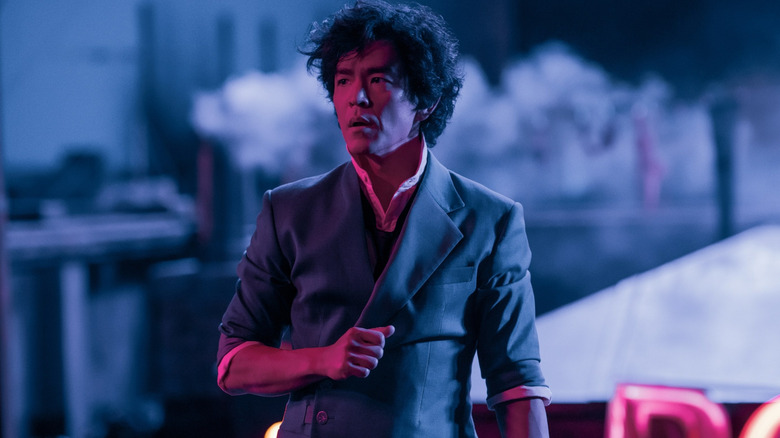
John Cho does a great job playing Spike Spiegel and handling the lighthearted violence and gore the fight choreography demands. The reason this show makes this list is that its efforts to be the anime cause it to fall short because, try as it might, it's simply not "Cowboy Bebop." There are some genuinely good moments, but they're easy to miss alongside the many others that don't do the source material justice.
The Chilling Adventures of Sabrina
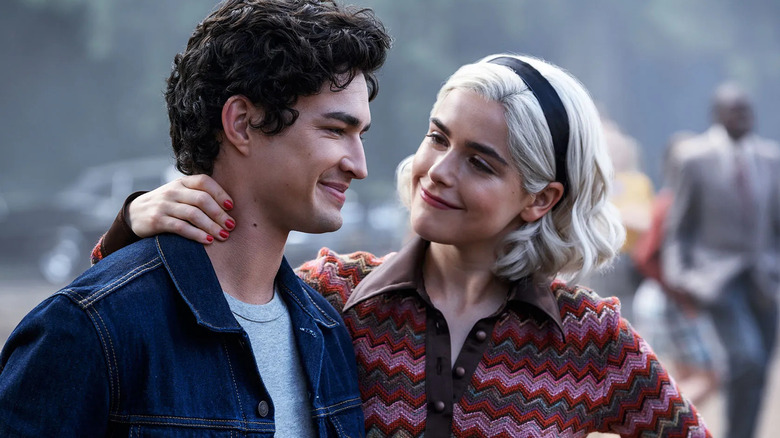
Hot on the success of the CW series "Riverdale," taking 1960s Archie Comics and somehow adapting them into a provocative teen thriller, Netflix made "The Chilling Adventures of Sabrina," based on a lighthearted spin-off comic in the "Archie" universe.
The show follows a young witch who is coming of age and must decide to pursue life as a full-blown witch or keep one foot in the world of mortals. Netflix's adaptation is very dark and takes place in a universe rife with warlocks, witches, sex, and other mystical creatures. Overall, this show about teens featured a lot of adult content that ultimately made it struggle to hit a target audience.
Additionally, the characters were based on bubbly and fun comics, and the Melissa Joan Hart-led sitcom "Sabrina the Teenage Witch" solidified the perception that Sabrina Spellman is a comedic family-friendly character. However, the Netflix show is anything but that. The show was well-done but lacked the laughs of its predecessors in a way the turned off casual viewers.
Fullmetal Alchemist Trilogy
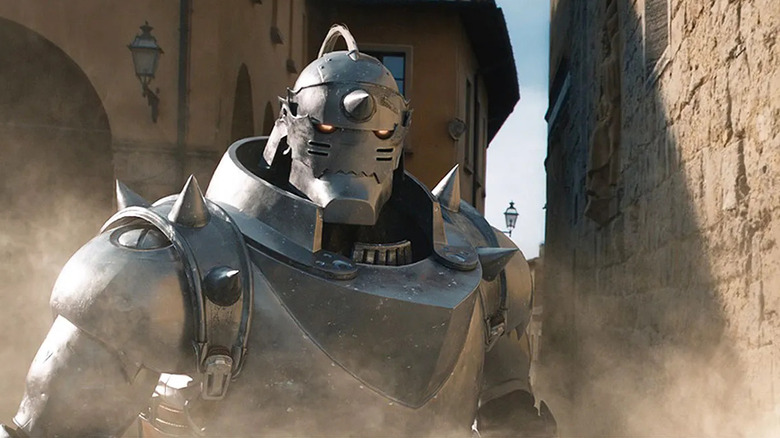
Starting in 2017, Netflix and Warner Bros. produced a live-action adaptation of "Fullmetal Alchemist," an ambitious task considering the original anime's dedicated fanbase. Sadly, this adaptation fell short of expectations. Despite getting three films — two of which were released in quick succession — fans of the source material couldn't help but notice there was something off about the story of the Elric brothers.
The story follows two brothers who embark on a dangerous mission to resurrect their mother through a process called alchemy. Both the movies and the anime take place in the aftermath, where one brother has lost limbs and another has lost his entire body due to the consequences of that quest. The original show is a fantastical romp through a magical world. However, once that setting was realized through CGI and live-action performances, it came off as a parody of itself rather than a faithful adaptation.
That all said, there are a handful of bright spots languishing among the three films. Additionally, the trilogy avoided the whitewashing criticism that similar anime adaptations of the time faced by hiring an all-Japanese cast.
Dead Boy Detectives
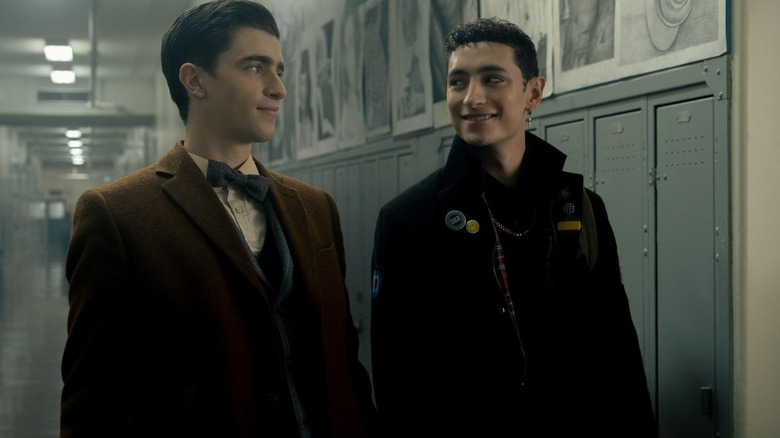
Based on Neil Gaiman's characters, "Dead Boy Detectives" isn't hard to watch like some other disappointing Netflix adaptations. The series takes place in the same universe as Netflix's other Gaiman adaptation, "The Sandman." However, short of a couple of brief cameos by Kirby Howell-Baptiste's Death and Donna Preston' Despair of the Endless, the show has very little connection to the larger "Sandman" or DC universe.
A lot of that may have to do with the series' troubled production. "Dead Boy Detectives" began its life as a spin-off to the HBO Max series "Doom Patrol." In fact, the titular characters got their start in a backdoor pilot in "Doom Patrol" Season 3.
Behind Her Eyes
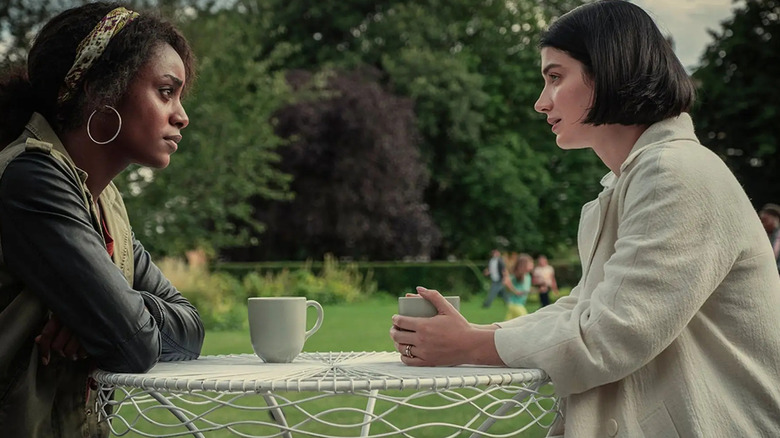
In 2021, Netflix adapted "Behind Her Eyes" into a six-part miniseries. Based on the 2017 novel of the same name by Sarah Pinborough, the show follows a single mother caught in a torrid affair with a married man. However, it's the secrets of his wife and her ability to literally astral project that give this strange adaptation life on the screen, filled with twists and turns — although, "overfilled" may be a more apt description.
The TV adaptation simply languishes for several episodes of dull, slow-paced exposition before a myriad of surprising twists come out of nowhere to tie up the story in a tight, albeit underwhelming, way. By the time a viewer spends six hours of their life with "Behind Her Eyes," the finale does its best to fatigue them with a lot of flash and very little substance.
In short, the time investment it takes to get into the meat of what the show has to offer turns out to not be worth it, as disturbing and surprising as the "Behind Her Eyes" ending may be.
Daybreak
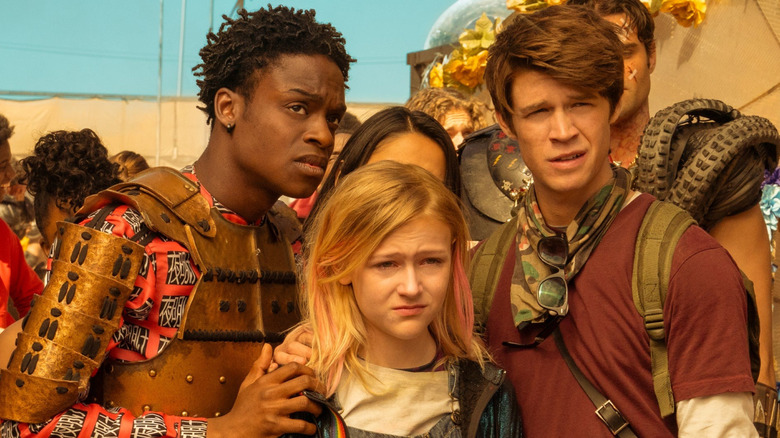
Despite being canceled at Netflix after just one season, "Daybreak" is a pretty creative show — which it had to be because it holds almost no connective tissue to the source material that it's based on. The comic book by Brian Ralph is a very subtle, self-contained story about the human relationships that develop in a situation as impossible and hopeless as a zombie apocalypse. Netflix's adaptation throws a lot of that out the window in favor of a flashy, character-driven romp through a post-apocalyptic wasteland.
Instead of following our main character through the many complexities of human connection, the show offers a cavalcade of high-school archetypes run amok and turned up to 11 against the backdrop of the end of the world. High school jocks are now a tribe of sadists, cheerleaders are Amazonian warriors, and a race of zombie-human hybrids terrorizes the Mad Max-like wasteland of Glendale, California.
If "Buffy the Vampire Slayer" taught us anything, it's that the supernatural can be used as a great metaphor for growing up. "Daybreak" has quite a lot of that, and some of it is done really well. However, the show offers nothing that hasn't been done before, and fans of the source material were immediately struck by what little connection the show had. While a true adaptation of Ralph's series might not make for great TV, it doesn't make what fans got any less of a disappointment. Although the comics remain, "Daybreak" the show isn't going beyond Season 1.