

5 Best PBS Kids' Shows Of The '70s, Ranked
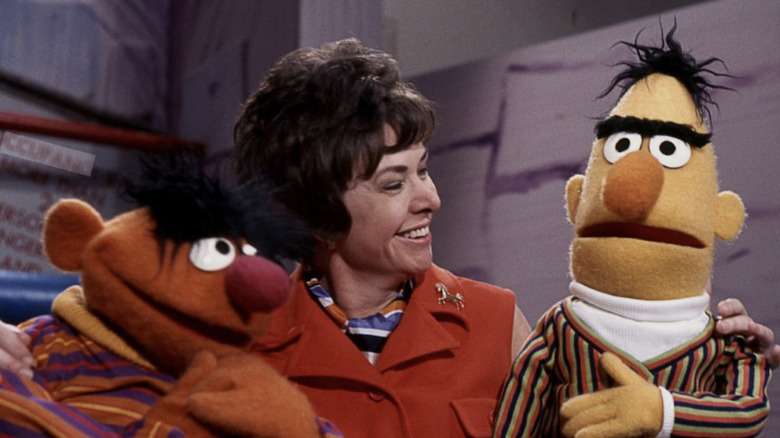
As a 50-plus year standard bearer for TV programming geared towards educating and entertaining audiences of all ages, PBS has built-in cultural relevance. The 1970s in particular not only served as the foundational decade for the network, but also for some of the best kids' shows around. Known for introducing subject matter in really creative and intuitive ways, the shows broadcasted on PBS pioneered methods to help kids understand themselves and the world around them. And this was long before PBS Kids was officially its own brand. While they each have had different lifespans, the impact of these five PBS kids' titles from the '70s continue to reverberate in homes and on the airwaves.
5. Villa Alegre (1973-1981)
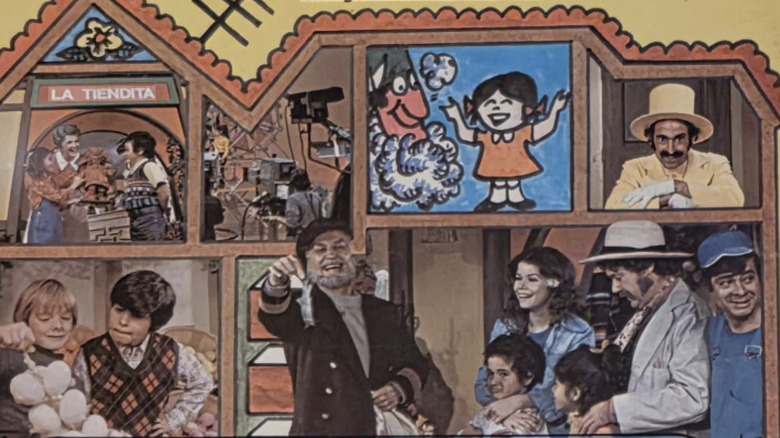
"Villa Alegre" would likely be considered bold today, but the first national English-Spanish bilingual educational series in the U.S. was really comfortable in its own skin. Produced by Bilingual Children's Television, "Villa Alegre," meaning Happy Village, debuted on PBS in 1973. It was designed to introduce English to Spanish-speaking kids and Spanish to English-speaking kids through bilingual educational segments. Each episode would center music and a theme involving self-acceptance or empathy while fostering relations with Hispanic cultures.
Staying true to what's become a staple of children's programming on PBS, "Villa Alegre" also featured the use of puppetry, with marionettes designed by the legendary Bob Baker. What made this Peabody Award-winner a stand-out among other titles was its seamless integration of languages. If a segment involved two characters speaking to one another, one would speak English while the other responded in Spanish –- the kind of immersive quality kids appreciate in shows. Though "Villa Alegre" ended in just short of 10 years, its influence exists today in shows like Nickelodeon's "Dora the Explorer."
4. Big Blue Marble (1974-1983)
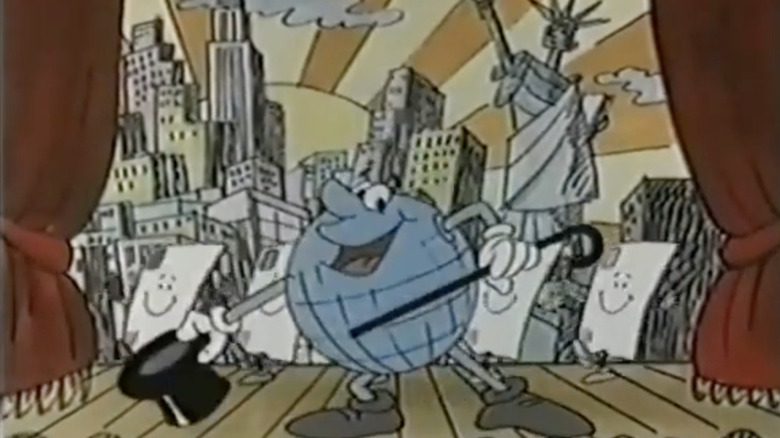
"Big Blue Marble" was a half-hour documentary-style show with some scripted segments. It featured two kids from different parts of the world (usually one from the U.S. and another from elsewhere) and introduced facts about their cultures, histories, and ecologies. The show's title was derived from the famous 1972 Apollo 17 photograph of Earth taken from space –-implying that our home, when seen from that perspective, has no borders. Produced by a pre-"Star Trek" Rick Berman, "Big Blue Marble" aired for nine years on PBS, winning a Peabody Award and multiple Daytime Emmy Awards.
As a unique interactive component to the show's theme of global connection, it was particularly well-known for its Pen Pal Club — a segment featuring an animated globe character named "Bluey." The segment encouraged kids to write letters to the show in order to be paired with a pen pal from somewhere else on the globe. Today, former viewers gather in online communities to reconnect, reminisce about old episodes, and see if they can track down one of their long-lost pen pals.
One community member on the "Big Blue Marble" Pen Pals Facebook group shared how the show led to an in-person meeting with their pen pal. "Got my Pen Pal from Big blue marble also in 1976," they wrote. "[He's] from Kenya and [I'm] from the Caribbean. Upon my retirement in 2023 I visited him and it was like visiting family."
3. The Electric Company (1971-1977)
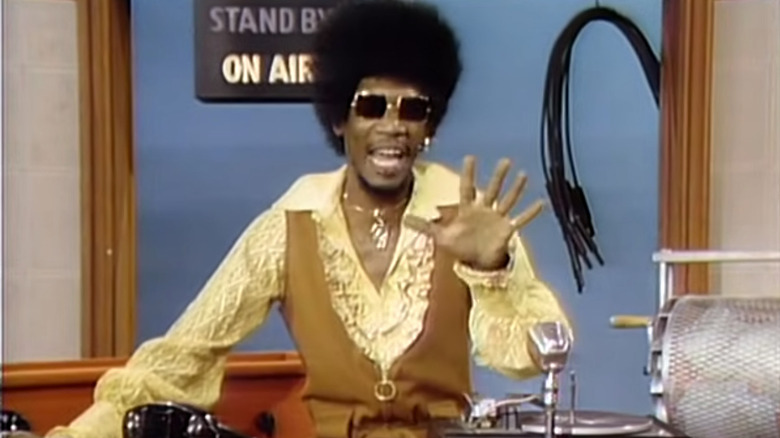
This multi-Emmy Award-winning instructional kids' series was known as "Sesame Street" for older kids for good reason (actually, a couple of good reasons). First, it was produced by Children's Television Workshop (now Sesame Workshop) –- the same team behind "Sesame Street." Second, the show shared a framework of teaching grammar and reading skills to elementary-age kids through music and sketch comedy. Leaning into a variety show format, the cast members portrayed multiple recurring characters who would introduce funny ways to learn phonics and punctuation during segments. There were also plenty of crossover appearances with recognizable characters like Big Bird, Oscar the Grouch, Grover, and others.
"The Electric Company" featured a stand-out cast of talents, including EGOT (Emmy, Grammy, Oscar, and Tony award winner) Rita Moreno and (then-unknown) Morgan Freeman. The show also boasted notable voice appearances by comedic legends Gene Wilder and Joan Rivers in the animated superhero spoof segment "The Adventures of Letterman."
Its original run aired for only six years on PBS, but it was beloved by educators, producing a whopping 130 episodes per season (totaling 780) and a companion print magazine. The Sesame Workshop produced a modern revival of "The Electric Company" that ran from 2009 to 2011, with contributions from Lin-Manuel Miranda. While the reboot is decorated in its own right, the original '70s kids' show remains the standard.
2. Mister Rogers' Neighborhood (1968-2001)
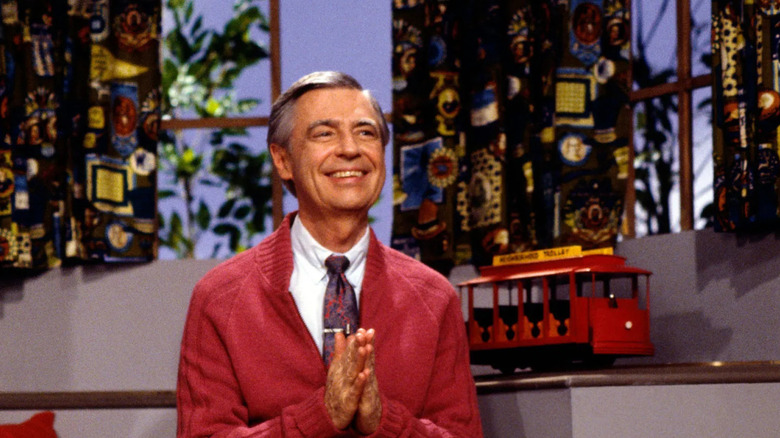
Who didn't love our neighbor Mister Rogers? As one of the only '70s PBS kids' shows that actually preceded the network, "Mister Rogers' Neighborhood" had a 33-year run. But it's one of the most highly recognized and respected kids' shows of any era due to its introductions of emotional understanding, self-acceptance, empathy, and imaginative play. Staying in theme with PBS, the show featured music, special guest-appearances, and memorable puppet characters. But it was really well-known for the gentle and welcoming demeanor of its host, who, in addition to being a staunch philanthropist, would spend time each day breaking the fourth wall to speak directly to viewers. With his trademark wardrobe change and comforting songs shared at the beginning and end of each episode, some adults who grew up watching the show even refer to it as one of the first versions of ASMR.
"Mister Rogers' Neighborhood" was groundbreaking during the '70s for its cultural and philosophical influences — particularly around the idea of what it means to be a neighbor to all. One of the show's most revered moments came during a 1969 episode when Rodgers shared space in a wading pool with a Black character on screen, which was a huge defiance of lingering segregation during that time.
Both Rogers and the show collected a boatload of accolades over the years, including a 1999 Television Hall of Fame induction for Rogers. But the show's legacy stretches across much of children's programming today, including with the PBS KIDS spin-off "Daniel Tiger's Neighborhood."
1. Sesame Street (1969-Present)
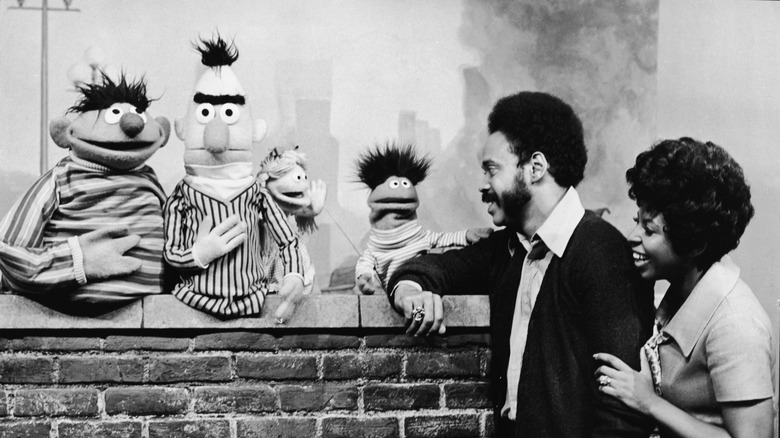
The closest thing we have to an undisputed king of kids' shows, this decades-spanning series is revolutionary for its combination of education, puppetry, characters, and lasting impact. "Sesame Street" may have originally been aimed at disadvantaged inner-city preschoolers, but its reach spread well beyond class and age. Kids could engage with a program that fostered early learning and reinforced relational skills. And adults could tune in to watch a guest celebrity tap into their inner child during one of many delightful segments. Fun fact: James Earl Jones was actually the first celebrity to record a segment for the show, while Carol Burnett was the first to appear in an episode.
The groundbreaking nature of "Sesame Street" was as unique in the '70s as it was inspirational — from its urban setting and segments covering diverse subject matter, to human and puppet characters interacting as if it's normal. And the on-screen magic of "Muppet performer" Jim Henson (he hated the term "muppeteer") and team led to characters like Big Bird, Bert and Ernie, Oscar the Grouch, and others becoming household names.
The first episode of "Sesame Street" aired on PBS on November 10, 1969 and became an instant hit, winning its first Peabody Award that year. During the '70s alone, the show won four Daytime Emmy Awards for outstanding achievement in children's programming. Still airing new episodes on PBS KIDS to this day, its legacy is set as the most honored and longest-running children's television program in American history.