

5 Classic '70s Kids Shows That Helped Educate Generation X
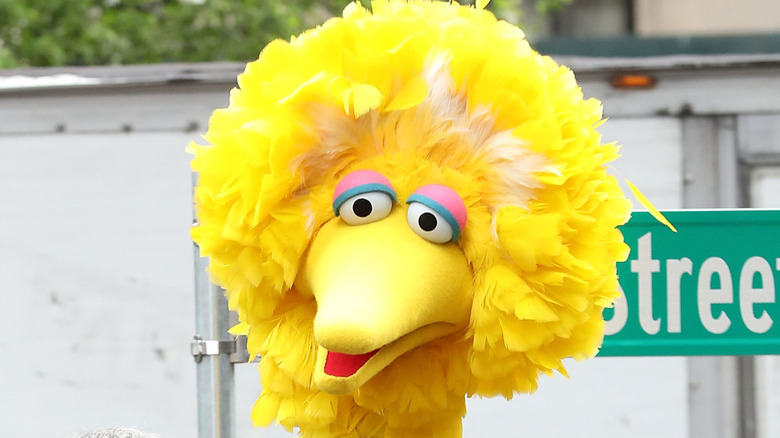
Let's face it, if you're a member of Generation X, your education wasn't strictly confined to a classroom. In fact, a good portion of it likely came from television, thanks in part to a huge push in education programming during the '70s. That push led to some groundbreaking television that was weird, wild, and enjoyable. While making education fun seems like a no-brainer these days, it was a pretty revolutionary concept 50 years ago.
While plenty of children's shows tried to work some educational content into each episode, only a few of them managed to stick with us our entire lives. We all now know how a bill becomes a law, we're all aware that it's a beautiful day in the neighborhood, and we can belt out "C is for Cookie" at the drop of a hat. These are the five shows that most helped educate all us Gen Xers out there.
The Electric Company
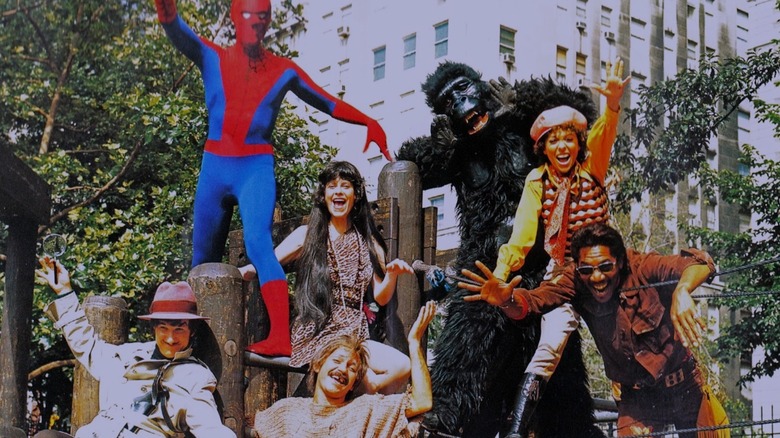
"Hey you guyyyyyyyyyys!"
If you can hear that quote playing in your head, then you most definitely remember "The Electric Company" (or really love "The Goonies.") Every episode started with a disembodied voice screaming at you. What came next was a dazzling mix of bright colors, funky grooves and one of the most talented casts ever assembled for children's television.
"The Electric Company" debuted in 1971, a creation of Children's Television Workshop. The intent was to create a show that kids could watch after they outgrew CTW's other series, "Sesame Street" (more on that show later). The cast featured Rita Moreno, Bill Cosby, and Morgan Freeman, among other cast members who had stage and improv experience. The goal was to target elementary school students with humor and over-the-top performances — and it worked to perfection. The original version of the show ran for six seasons and a staggering 780 episodes.
Those who grew up with "The Electric Company" will remember songs about grammar, including the Tom Lehrer song "Silent E", and those close-ups of two people staring at each other, each sounding out a part of a word before saying it together in unison, among other recurring sketches. It was a very groovy way to learn about reading, indeed.
ABC Afterschool Specials
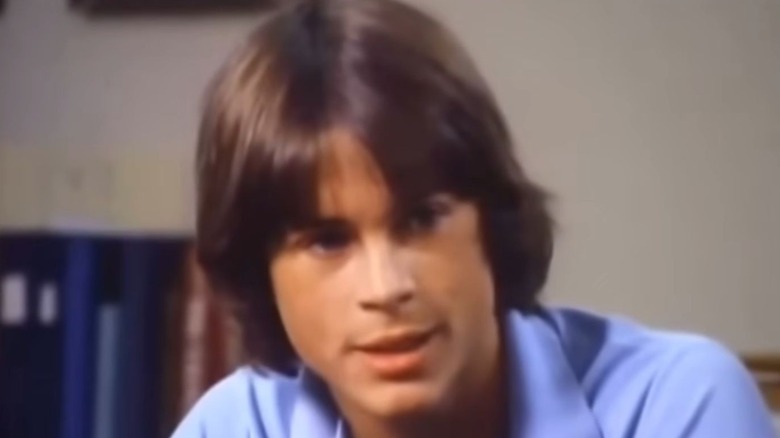
Not everything in the '70s was fun and games. Sometimes, we needed to learn about serious — often taboo — topics that schools and parents were afraid to touch. Enter the "ABC Afterschool Specials" series, which started in 1972 and continued on through the '90s. Each episode was a mini-movie tackling subjects like marijuana use, teen pregnancy, assault, running away from home, and basically every other danger that a child could possibly worry about.
Scores of future stars appeared on the series, including Rob Lowe, who played a teen trying to win custody of his child in "Schoolboy Father," and Michelle Pfeiffer and Val Kilmer, who co-starred in "One Too Many" about the dangers of drunk driving. To call the writing on these specials heavy-handed is a huge understatement. Trying to watch them today without laughing is nearly impossible, but back in the day, these were as serious as children's programming could get. It became a valuable tool for parents who didn't know exactly how to bring these issues up, and if they sat down and watched an episode with you, you knew it had to be serious business.
Schoolhouse Rock!
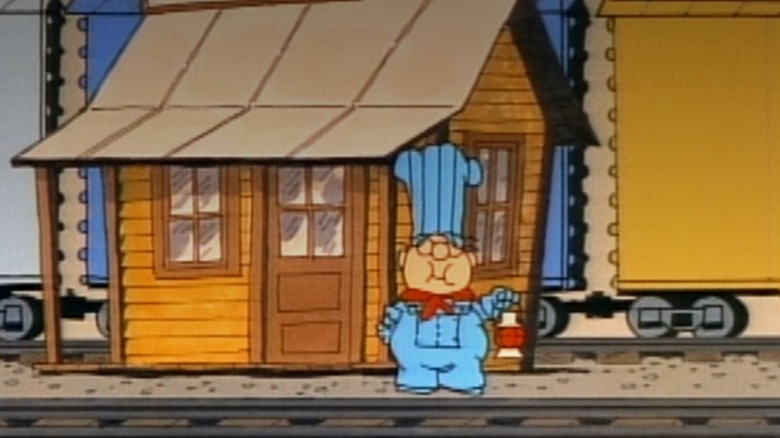
It's ironic that one of the most recognizable and memorable educational programs of all time was never supposed to be a television show at all. Thankfully, that's where "Schoolhouse Rock" ended up. What started as an idea to help the son of an advertising executive remember multiplication tables became a national phenomenon. The first season dealt exclusively with multiplying single-digit numbers, followed by a season of grammar lessons including "Conjunction Junction," which virtually every child of the '70s could probably sing on demand even today.
Future seasons dealt with science and the history of America, which is where we learned the fate of a lonely old bill sitting there on Capitol Hill. Each episode was essentially a music video combining catchy tunes with animated characters. The result was so successful, it's been used in classrooms everywhere for decades, introducing later generations to the same earworms we grew up with. The show was revived in the '90s and again in the 2000s, but the newer episodes didn't quite have the staying power that the original videos did.
Mister Rogers' Neighborhood
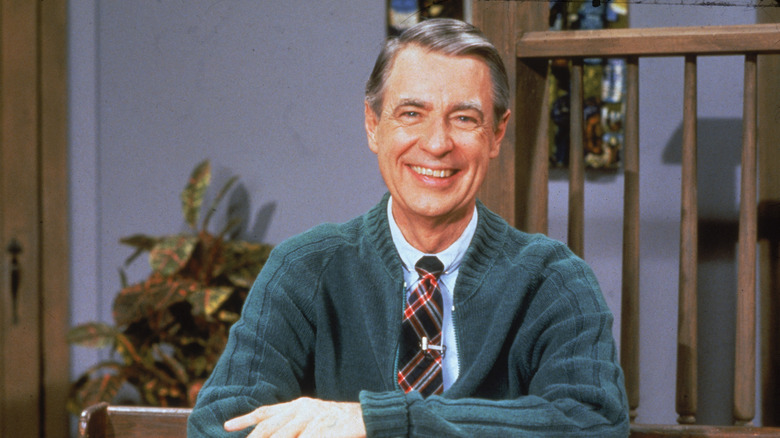
We're now approaching legendary status with these shows. You'd be hard-pressed to find a Gen Xer that doesn't at least know what "Mister Rogers' Neighborhood" is, let alone one that doesn't remember the show vividly. His calm, low-key demeanor was the perfect vehicle for the lessons he was teaching, and boy were there a lot of them. From being a good friend, to inclusivity, and dealing with strong emotions, Mister Rogers helped multiple generations of children feel better about themselves by teaching lessons that would last a lifetime. That said, not every lesson was a winner, and even Rogers found a few of his shows on a list of episodes banned after backlash.
While the series actually first started in Canada in the '60s, it was when Rogers relocated to Pittsburgh and launched the show in America that it really took off. "Mister Rogers' Neighborhood" ran for a staggering 31 seasons and produced over 900 episodes, including specials. In every episode, Mister Rogers would speak directly to the camera, creating a sense that he was holding a private conversation with just you. He was endlessly fascinated with learning about how things were made, what jobs people had and what people had to say. That fascination got us interested as well. It takes a special person to get children interested in how crayons are made in a factory, and Fred Rogers was definitely special.
Sesame Street
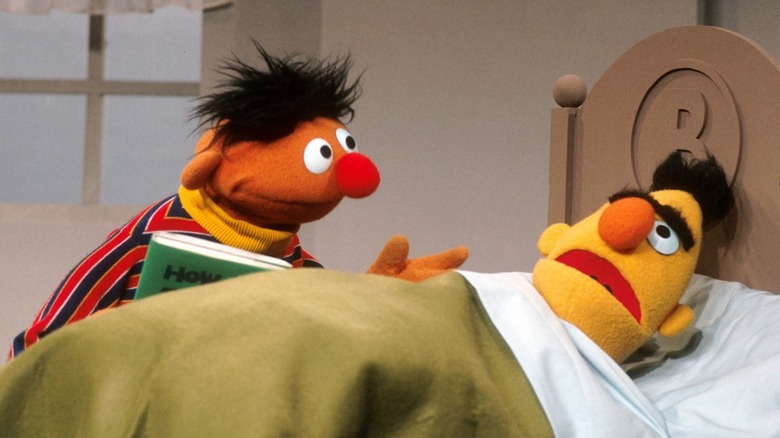
Debuting in 1969 and still churning out new episodes today, "Sesame Street" is the standard by which all other educational programming should be judged. The show is an endless collection of cartoons, sketches, and storylines that not only teach letters and numbers, but emotional well-being, too. The blend of Jim Henson's Muppets, live performers, animated shorts, musical numbers, and short educational videos keeps audiences coming back year after year. To date, there have been over 4,700 episodes produced, with more on the way after finding a new home on Netflix.
"Sesame Street" created so many iconic memories for Generation X it would be impossible to list them all. From the antics of Bert and Ernie, to Oscar's grouchiness, Bob's sing-alongs, and Big Bird's endless attempts to get everyone to see Mr. Snuffleupagus, everyone who grew up in the '70s has a favorite moment from this show. Even though the series has undergone countless cast additions, losses, and format changes, "Sesame Street" continues to do what it's done so well for over 50 years: Find a fun and creative way to teach children everything they need to know.