

5 Most Influential Sci-Fi Showrunners In Television History, Ranked
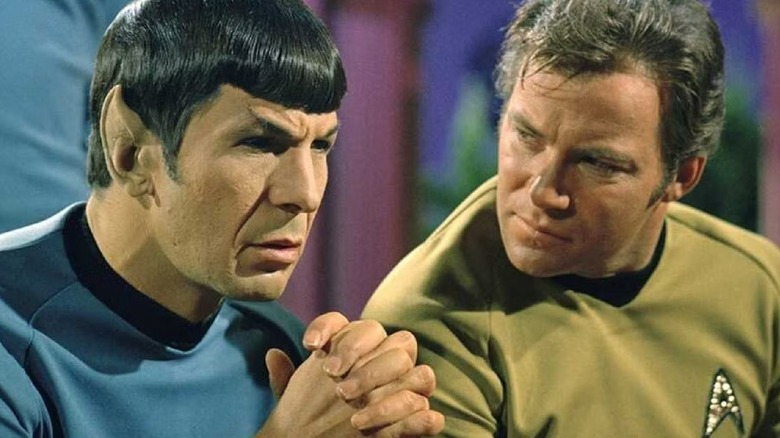
One of the best things about sci-fi television is how different or unique each story can be, but the genre wouldn't be where it is today without the influential showrunners who changed television history. These pioneering elders provided a stable foundation for the genre, which contemporary trailblazers built upon by introducing radical new ideas. Some science fiction legends immortalized themselves by introducing storytelling conventions that challenged the norm. Others created decade-defining series that are synonymous with sci-fi itself, and a few proved that the genre can be a serious form of literary art.
While popularity and longevity are definitely important metrics to measure influence, there are many important figures in the space that most have not even heard of. Ultimately, the evolution of science fiction was the collective effort of more than just five showrunners. However, without these five creators in particular, the genre itself would have been a far cry from what it is today, and sci-fi might not be nearly as cool as it is.
Chris Carter
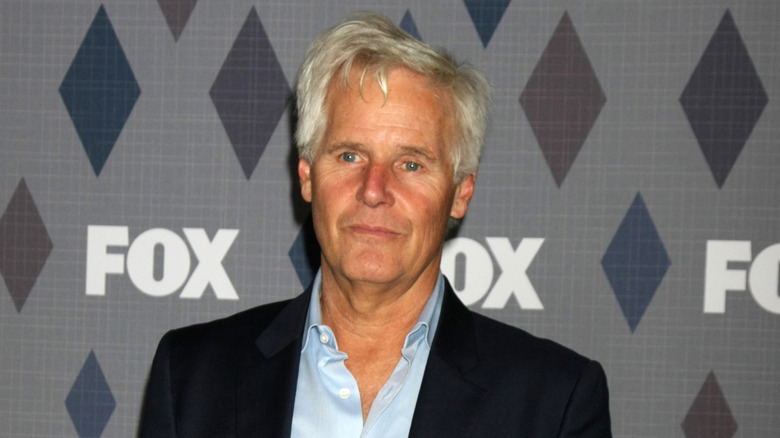
"The X-Files" is one of the defining shows of the 1990s, and its impact on pop culture and fandom is undeniable. The series operated on an episodic and serialized format, with disturbing monster-of-the-week episodes gradually building up to a larger narrative about government conspiracies and extraterrestrial existence. This approach allowed the story to attain a much larger audience, where new viewers didn't have to keep up with the mythology, but long-time fans were rewarded with expansive lore. "The X-Files" holds up, but what makes it and Chris Carter's showrunning so influential is that it was one of the first shows that successfully maintained an internet fandom.
The timing with the expansion of the World Wide Web was, of course, crucial, but the reason "The X-Files" generated such a massive buzz online was that its deep mythology and mystery allowed for consistent conversations between fans. Fan culture is now one of the defining aspects of today's television and movie landscape. Besides Carter's impact on how audiences interact with shows and on serialized lore, he also served as the mentor to "Breaking Bad" and "Pluribus" creator Vince Gilligan, who was a writer on the show. Through "The X-Files," Chris Carter completely changed the nature of fandom and story structure on TV.
J. Michael Straczynski

The heroes journey to a new location or face a new conflict, solve the challenge, and the story is resolved. Episodic storytelling was the norm. This worked since viewers could simply put on a show and follow along easily without needing prior knowledge. It worked especially well in syndication since episodes could be rerun in any order. However, J. Michael Straczynski broke the mold and designed an unconventional show that operated like a novel, planning a five-year narrative in advance. His vision for a complete story was groundbreaking, not because he was the first to do it, but because "Babylon 5" was an early example of a mainstream sci-fi show that utilized this storytelling style.
Unsurprisingly, he faced pushback from executives because they didn't think audiences had the attention span for a long, continuous story. The show proved that audiences can follow an ambitious serialized story. Straczynski's forward-thinking led to two of the biggest sci-fi shows adopting the format of "Babylon 5." Speaking with Creative Screenwriting in 2016, the showrunner shared: "I got an email from the folks at 'Battlestar Galactica' saying that they wanted to do a multi-year arc based off what we did in 'Babylon 5.'" From there, history was made and the space opera's influence on the medium can be felt to this day.
Nigel Kneale
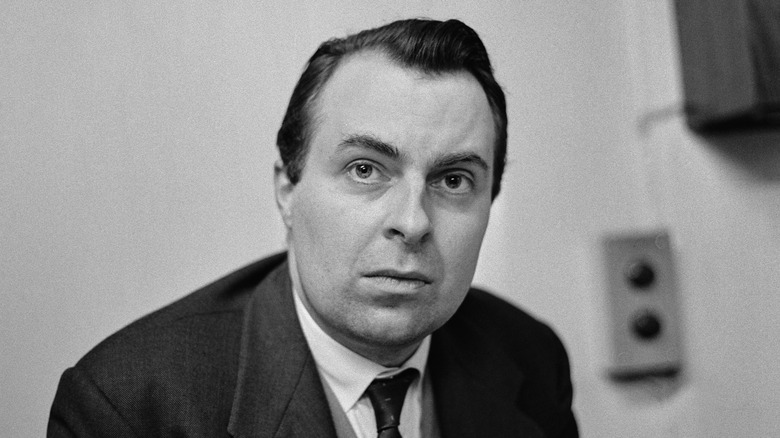
While he wasn't classified as a showrunner at the time, it is important to understand that Nigel Kneale's prolific career predates the word itself (which was only coined around the late 1980s). He exercised great control over his work and was heavily involved in most stages of production, which is basically what a showrunner does. Most of all, Kneale is simply one of the most important figures in British television and sci-fi in general. "The Quatermass Experiment" was the BBC's first original adult science-fiction drama, and could not have worked without Kneale at the helm.
The 1953 show's main influence is that it was an early example of a sci-fi show aimed at adult audiences, contrasting with the zeitgeist of sci-fi aimed at children and made for entertainment purposes. An intelligent series that tackled themes of scientific experimentation, government censorship, and more, "The Quatermass Experiment" is credited as one of the inspirations for "Doctor Who." "Black Mirror" creator Charlie Brooker cited Kneale's legendary drama as one of his principal inspirations, and the protagonist, Bernard Quatermass, is considered the first television hero in Britain. Nigel Kneale's "The Quatermass Experiment" proved that science fiction could be made and engineered for a larger demographic.
Rod Serling
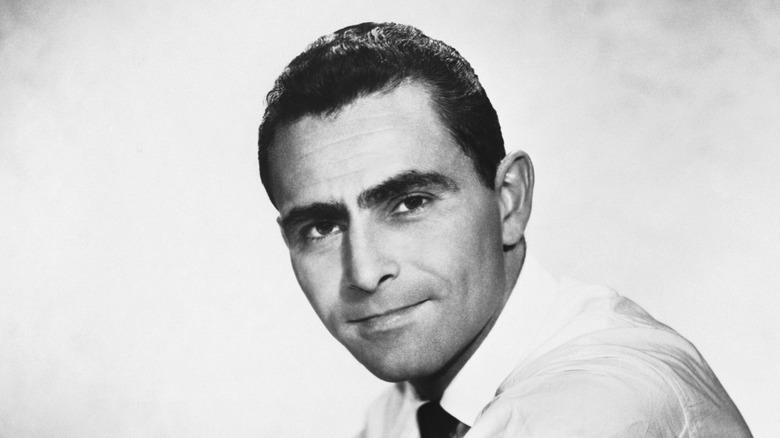
The power of sci-fi was on full display in the hands of "The Twilight Zone" creator Rod Serling. In an age of commercial pressure and advertiser interference, Serling managed to circumvent the censorship he had faced through sci-fi. He made the genre a vehicle for social commentary and philosophical discussion that would have otherwise been flagged by the conservative suits. Since he used fictional governments when discussing authoritarianism and used allegories to depict racism (although the show never hesitated to be direct), he managed to create mainstream sci-fi while maintaining his creative integrity and mostly avoiding corporate interference.
Serling legitimized science fiction as a possible avenue to discuss contemporary issues, although he was not the first. Shows influenced by "The Twilight Zone" include "Black Mirror," "Severance," and "Inside No. 9," as well as creators like Jordan Peele, George R. R. Martin (who wrote five episodes of "The Twilight Zone" revival), and many more. One of the best anthology series and a pillar of speculative fiction, Serling's masterpiece not only shaped what sci-fi could look like but also platformed prominent creators such as George Clayton Johnson ("Ocean's Eleven") and Earl Hamner Jr. ("The Waltons").
Gene Roddenberry
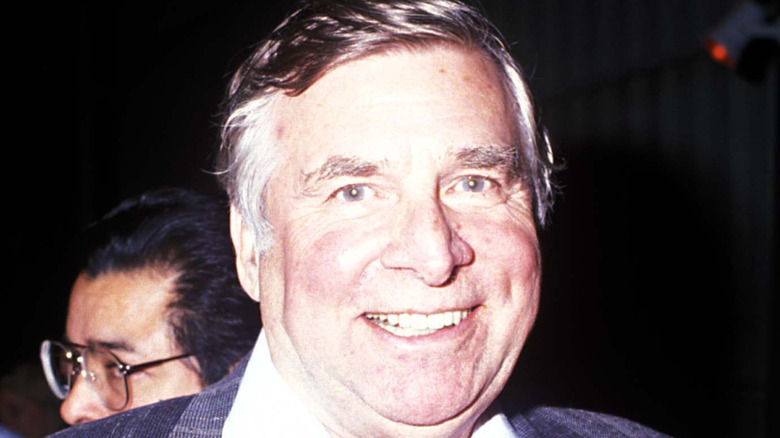
Any list discussing the sci-fi creators that fails to mention Gene Roddenberry is automatically invalid. Creating one of the most iconic and influential sci-fi franchises already made him a visionary, but his influence lies beyond just the popularity of "Star Trek." Similar to Rod Serling, he used the genre to bypass network censorship, creating stories that addressed nationalism, prejudice, violence, and war.
Roddenberry's vision of an optimistic, post-scarcity future, as well as the incredible diversity of adventures in the original "Star Trek," raised an entire generation of Trekkies, giving us a distinct picture of what sci-fi could be. The show was so ahead of its time when it came to characters as well, featuring a diverse multicultural cast that was in line with the story's hopeful future. It also had one of the earliest interracial kisses on television. Roddenberry's ingenuity didn't show only when it came to crafting new planets and interesting conflicts, but also in his vision of humanity with dignity also resonated deeply with audiences.