

All 5 George R.R. Martin-Written Twilight Zone Episodes, Ranked
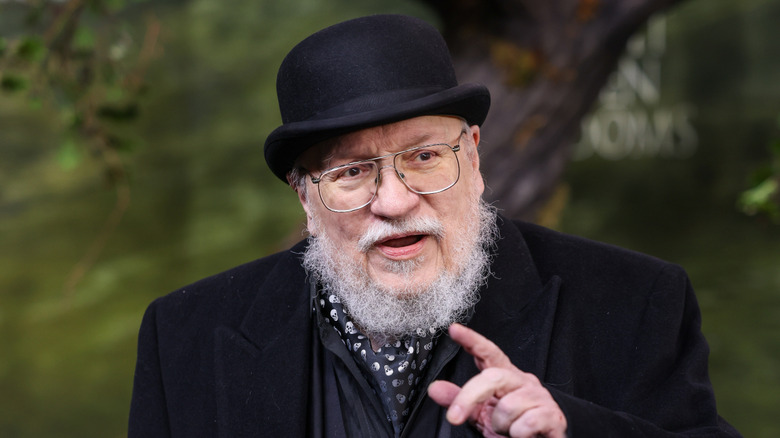
Long before George R. R. Martin's sprawling fantasy world was adapted into the TV shows "Game of Thrones," "House of the Dragon," and "A Knight of the Seven Kingdoms," he was writing scripts for the first of three revivals of "The Twilight Zone." During the show's 1980s run, Martin earned multiple credits across its first two seasons, including several "teleplay by" and "written by" episodes, along with work as a story editor.
The five stories that Martin wrote for "The Twilight Zone" are largely in keeping with the franchise's template, featuring relatable characters dealing with bizarre events, and most culminate in the signature "Twilight Zone" twist at the end. We watched all five and ranked them based on the strength of the premise, the impact of the climactic twist, and the most memorable lines he wrote. All five are available to watch on YouTube, and we'll link to each one below.
5. Lost and Found
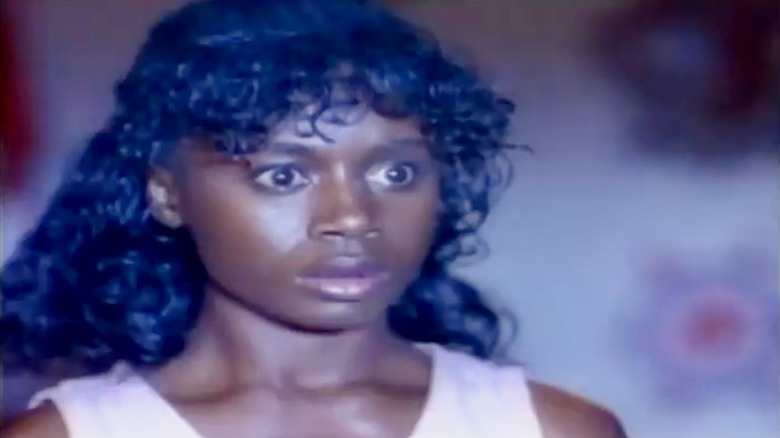
"Lost and Found" was the second of three segments in "The Twilight Zone" Season 2, Episode 4; George R. R. Martin based his teleplay on a 1978 short story by Phyllis Eisenstein. With a runtime of just over five minutes, "Lost and Found" is the shortest segment in the series' history, and the entire story takes place in the dorm room of college students Jennifer (Akosua Busia) and Kathy (Cindy Harrell).
A recent spate of missing items turns out to be the bumbling work of time travelers from the year 2139 (Raye Birk and Leslie Ackerman). The pair say they are curious about Jennifer because she will someday be the "first president of Earth," but they don't stick around long. Brevity proves to be the segment's fatal flaw; there's simply not enough time to deliver on its potentially interesting premise. We never learn enough about the future world to give the twist any real weight, nor does Martin provide any meaningful background on Jennifer.
4. The Last Defender of Camelot
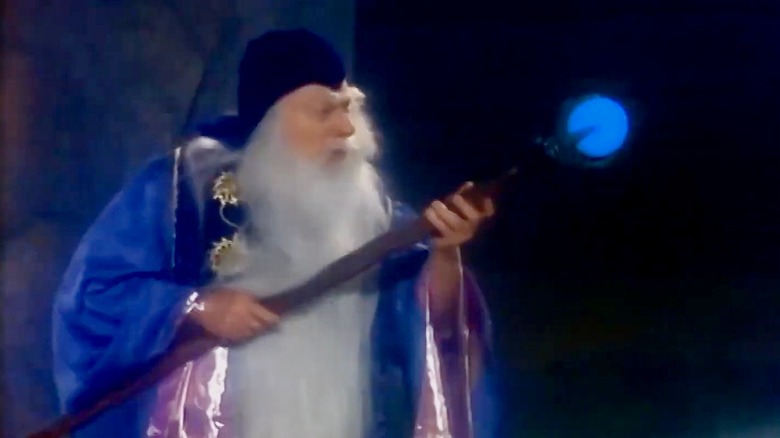
"The Last Defender of Camelot," based on a short story by Roger Zelazny, was the second of two segments in Season 1, Episode 24 of "The Twilight Zone." It stars Richard Kiley as Sir Lancelot du Lac and Norman Lloyd as the wizard Merlin, both of whom have survived roughly 1,000 years thanks to Merlin's magic. The segment's climax sees Lancelot ultimately defeat Merlin by breaking his staff, but the stakes and surprise value are minimal.
Kiley's Lancelot gets most of George R. R. Martin's best lines in this segment, including a lament of "what did we build with centuries of blood and widows' tears?" and a reference to Merlin as "just an old man who slept too long and dreamt too hard." While Lancelot delivers a steady stream of weighty dialogue, enchantress Morgan Le Fay (Jenny Agutter) and a street punk named Tom (John Cameron Mitchell) provide a few chuckles to lighten the load.
3. The Toys of Caliban
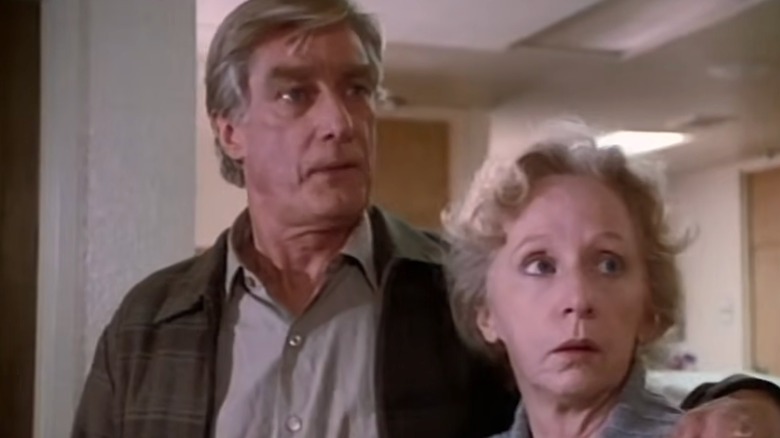
"The Toys of Caliban" filled all of Season 2, Episode 5 of "The Twilight Zone," leaning more toward horror than science fiction. The episode stars David Greenlee as developmentally disabled teenager Toby Ross. Richard Mulligan and Anne Haney play his overwhelmed parents, Ernie and Mary, and we soon learn he has dangerous supernatural powers alongside his complex care needs.
His particular "superpower" is a fascinating concept that George R. R. Martin brings to life in the teleplay, based on Terry Matz's short story. Martin paints Toby as simultaneously adorable and terrifying, and the twist at the end would make Rod Serling proud. The story is captivating from start to finish, but the Ross family's grim situation makes this episode hard to truly enjoy.
2. The Once and Future King
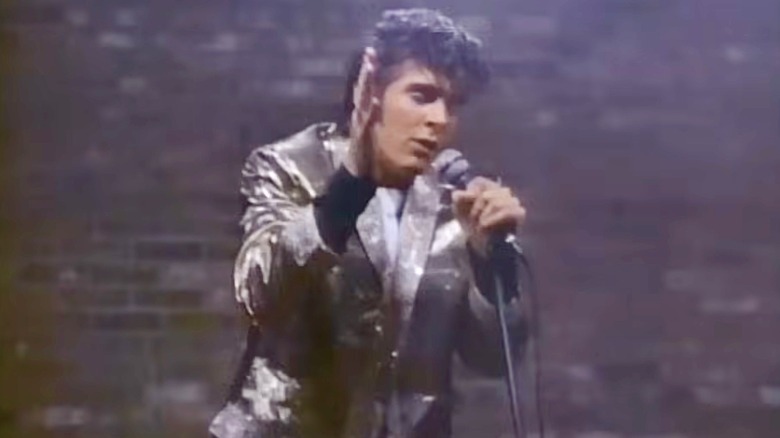
"The Once and Future King" was the first half of Season 2, Episode 1 of "The Twilight Zone," based on a story by Bryce Maritano. The segment stars Jeff Yagher as Gary Pitkin, an Elvis Presley impersonator who feels trapped in his show business persona. One of the most poetic lines goes to the episode's narrator, who calls Gary the "restless subject of a dead king named Elvis Aaron Presley." Martin weaves a Presley song title or two into the dialogue, but works a bit harder to paraphrase a few lines from "Hound Dog" elsewhere in the script.
The episode takes a sharp existential turn when Gary travels back to 1954 and ultimately takes over Elvis' life. Yagher plays both men, and as Gary ruminates on the life he took from Elvis, he reflects, "I wonder if it would have come out different if I hadn't stolen his life ... Maybe he would have been a better king than me. Maybe there wouldn't have been no king at all." The episode's closing narration concludes that Gary "tried to play a blood debt in sequins and B movies," but leaves viewers to decide whether that debt is truly cleared.
1. The Road Less Travelled
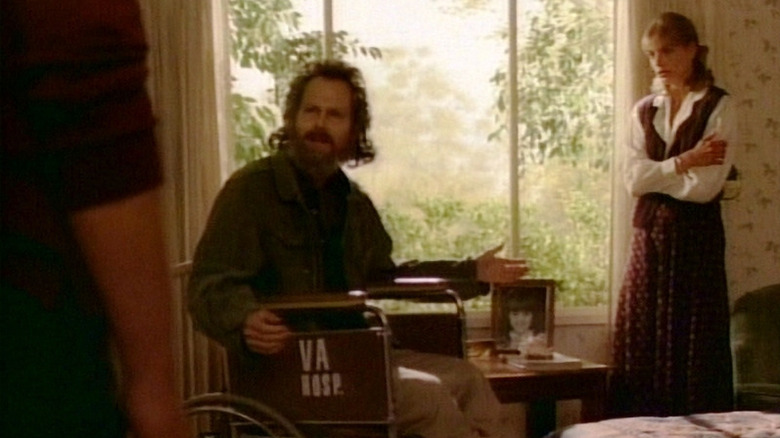
George R. R. Martin took a different approach to split timelines for "The Road Less Travelled," which filled Season 2, Episode 7 of "The Twilight Zone." The Wes Craven-directed episode stars Cliff DeYoung as Jeff McDowell, a married father of one who had previously fled to Canada to escape the Vietnam War draft. The story begins with Jeff and his family discovering a strange man in their house.
The man reveals himself to be an alternate version of Jeff who went to war and returned an amputee; many of the episode's strongest lines go to this hardened counterpart. At one point, he suggests that his experience in Vietnam made him curious about other possible life paths, adding, "I guess I just wondered myself here." In another moment, he asks Jeff, "Are you dreaming me, or am I dreaming you?"
The fascinating premise is elegantly carried to an unexpectedly mystical conclusion, culminating in one of the episode's most poetic passages: narrator Charles Aidman's closing lines. "We make our choices, and afterwards wonder what the other road was like. Jeff McDowell found out, and paid the toll. A lesson in courage and cartography from the map makers of the 'Twilight Zone.'"