

The 15 Best TV Shows Of The 1970s, Ranked
We may receive a commission on purchases made from links.
When it came to television in the 1970s, the times were a-changing — and not a moment too soon.
During the decade, the television industry saw significant shifts in response to evolving cultural sensibilities. While sitcoms remained a staple in scripted programming, the humor started to become edgier and unafraid of bringing in more dramatic elements. Show settings moved from largely rural environments and communities to an increasing number of stories set in major cities. And groups that were long marginalized finally started to receive positive and prominent representation on-screen in the network's biggest shows.
Many of the shows that debuted in the '70s continue to hold up years later, while offering a fascinating glimpse into cultural norms during that period. With all of that in mind, here's our ranking of the 15 best TV shows of the '70s, standing the test of time and continuing to entertain audiences decades later.
15. The Bob Newhart Show
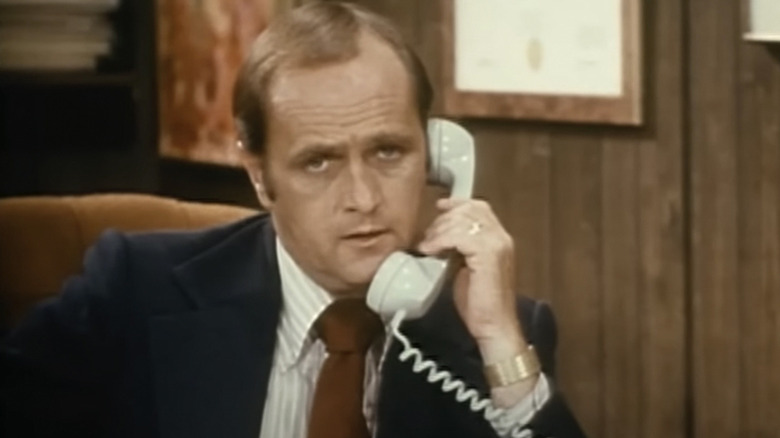
Long before the introduction of Frasier Crane, television audiences had Bob Hartley, the protagonist of 1972's "The Bob Newhart Show." Played by Newhart, Hartley was a psychologist based out of Chicago, living with his loving wife, Emily (Suzanne Pleshette). Much of the show revolved around Hartley's interplay with his recurring patients and family, with all their individual foibles. The patients would often be treated in group therapy sessions, forming strong comedic dynamics between them as the show progressed.
Newhart had been a stand-up comic before starring on "The Bob Newhart Show," and the series utilized those talents well, particularly in Hartley's phone conversations. Between this and a fantastically complementary ensemble cast, the sitcom was firing on all humorous cylinders for virtually its entire run. Newhart followed up the '70s series with another CBS show, simply titled "Newhart," in 1982, giving him another iconic TV show role with surprising connections to his previous series. A consistently funny sitcom that capitalized on Newhart's understated comedic style, "The Bob Newhart Show" was a reliable comfort show.
14. Good Times
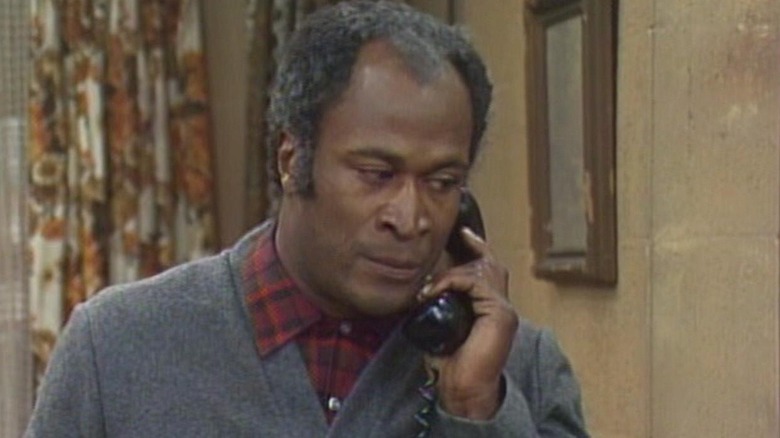
One of the biggest sitcoms of all time was "All in the Family," which spawned a whole family of spin-offs across its run. One of these included "Maude" which, in turn, created its own spin-off with 1974's "Good Times." The show followed married couple Florida (Esther Rolle) and James Evans (John Amos) who lived in inner-city Chicago with their three children. The show dealt with serious issues, informed by the Evans family's financial status and race relations of the era.
Like several shows on this list, the early seasons of "Good Times" were its strongest, maintaining the tonal balance that set the series apart from its contemporaries. Even as the show shifted its focus to its breakout character J.J. Evans (Jimmie Walker) and a more decidedly comedic tone, it held a strong appeal. "Good Times" received an adult animated reboot on Netflix in 2024, but it didn't measure up to the original series despite an all-star cast. One of the biggest spin-offs of the '70s, "Good Times" provided a more grounded family sitcom than its flashier contemporaries.
13. Little House on the Prairie
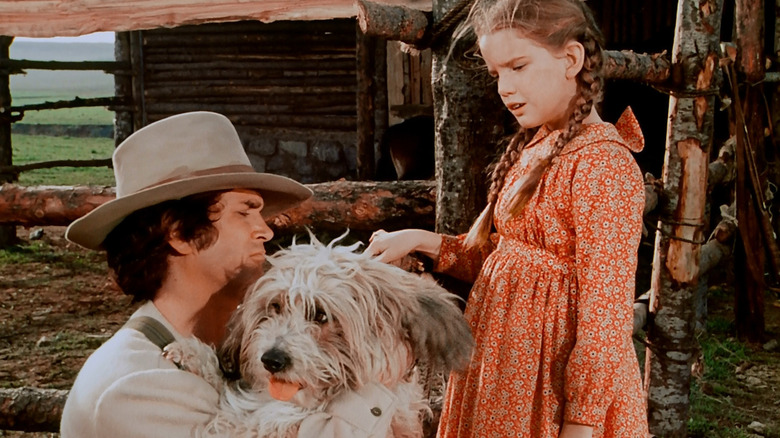
Westerns were in steady decline, both in television and in the cinemas, throughout the '70s, with longstanding genre shows like "Gunsmoke" and "Bonanza" finally ending. One Western that debuted and thrived during the decade was "Little House on the Prairie," adapting Laura Ingalls Wilder's autobiographical book series. The series followed Charles (Michael Landon) and Caroline Ingalls (Karen Grassle) as they moved with their family to Minnesota in the 1870s. Charles and Caroline raised their children, facing the challenges of life on the frontier together as a family.
Premiering in 1974, "Little House on the Prairie" ran for nine seasons until 1983, really giving audiences the portrait of a family growing up. The rustic, slice-of-life charm to the show never abated, avoiding the episodic action and mayhem that were expected of the Western genre on television. This distinction gave the show an enduring coziness that elevated it above the cheesier execution of its contemporary series "The Waltons." With a "Little House on the Prairie" reboot ordered at Netflix, hopefully these qualities will remain in a retelling of the 19th-century family saga.
12. The Six Million Dollar Man
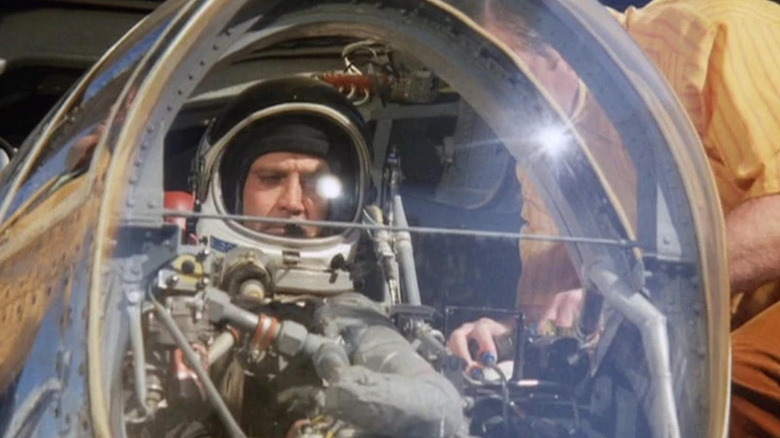
Another genre in a state of flux during the '70s was science fiction, but the sci-fi show that rose above its contemporaries was "The Six Million Dollar Man." The 1973 show opened with astronaut Steve Austin (Lee Majors) horrifically maimed by a test flight gone wrong. Determined to not only save his life, but significantly enhance his capabilities, the government rebuilt Austin's body with advanced cybernetics, giving him a range of superhuman abilities. With his new lease on life, Austin worked for the Office of Scientific Intelligence as a secret agent, putting his powers to good use on global missions.
"The Six Million Dollar Man" was a more accessible episodic sci-fi show compared to similar series of its era like "The Incredible Hulk." A lot of that came from Majors' easygoing swagger as the titular hero, with half the fun lying in whatever incredible abilities Austin would display next. The show received a spin-off in 1976 with "The Bionic Woman," which led to a crossover between the two cybernetically enhanced heroes. Powered by Majors' charm and an instantly recognizable power-up sound effect, "The Six Million Dollar Man" was '70s sci-fi at its TV best.
11. Happy Days
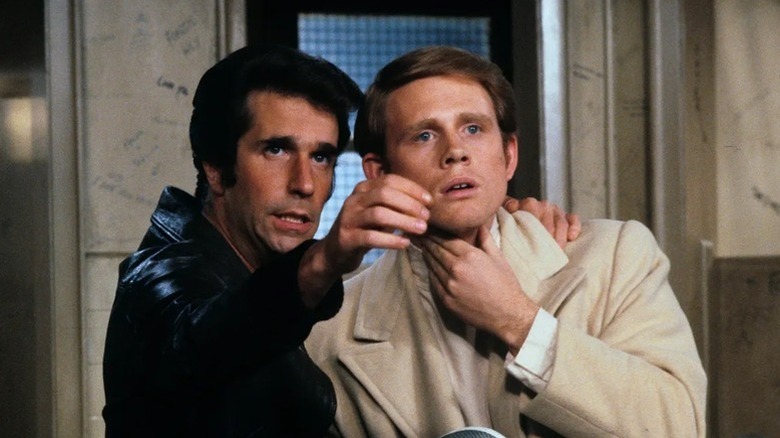
While an increasing number of sitcoms featured more mature stories in the wake of "All in the Family," the period piece "Happy Days" turned back the clock. Set in a Milwaukee suburb during the late '50s and early '60s, the show centered on the Cunningham family, following teen protagonist Richie Cunningham (Ron Howard) as he and his friends advanced through high school into young adulthood. Among Richie's friends was the community's local greaser heartthrob Arthur Fonzarelli (Henry Winkler), an effortlessly cool figure with a heart of gold.
As Fonzie's popularity grew, "Happy Days" became a show that changed its premise, shifting more of its focus to its leather-jacketed scene-stealer. What didn't change were the wholesome vibes that reflected the series' more innocent depiction of Midwestern America in the mid-20th century. Those period piece aesthetics gave the show a timelessness, from its sock hops and drive-ins to the gang hanging out at their local diner. A classic slice of television Americana, "Happy Days" gave the medium one of its most beloved icons in Fonzie, running for a full decade.
10. Charlie's Angels (1976)
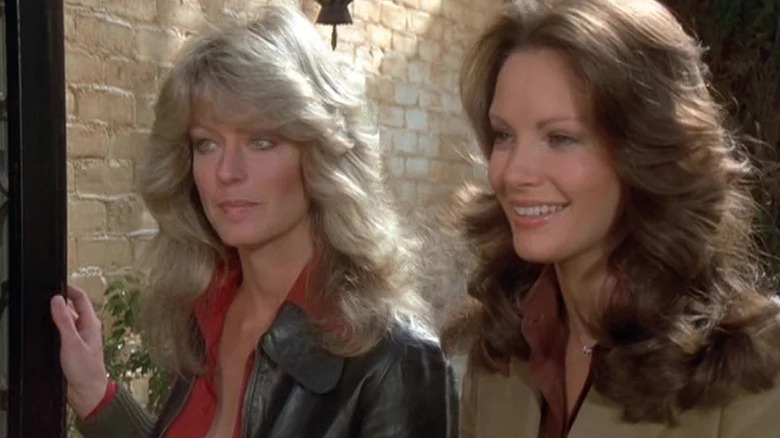
If there ever were a '70s show that stylishly captured the decade's aesthetic sensibilities, it was "Charlie's Angels." Premiering in 1976, the series followed three women working for a private detective agency in Los Angeles, each possessing their own set of skills. The unseen Charlie Townsend (John Forsythe) gave the Angels their assignments, often involving them systematically dismantling various criminal operations. As the show progressed through its five-season run, the Angels would periodically rotate out with new actors, though the original lineup is still its most iconic.
One of the most breezily fun shows from the '70s, "Charlie's Angels" relied a lot on the charm of its lead actors. Fortunately, even with the semi-regular recasting, the Angels had plenty of charisma to spare, giving the show more to stand on than its expected sex appeal. Subsequent attempts at recapturing the franchise's appeal have been met with varying degrees of success, but the original "Charlie's Angels" masterfully balanced camp, action, and sensuality to craft a show that could only thrive in the '70s.
9. Sanford and Son
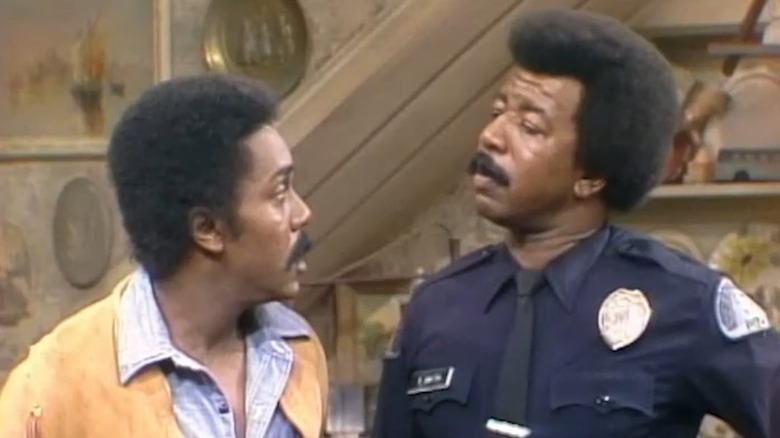
The British sitcom "Steptoe and Son" was adapted into the American show "Sanford and Son" in 1972. The series starred Redd Foxx as Fred Sanford, who ran a junkyard in Los Angeles with his son Lamont (Demond Wilson). Much of the show's humor came from Fred's irascible personality and his comedically charged dynamic with Lamont. After the show's conclusion in 1977, two attempts at a continuation series were made, with "Sanford Arms" in 1977 and "Sanford" in 1981, but neither series was a success.
So much of the appeal of "Sanford and Son" came from Foxx's comedic performance, and the show wisely leaned into that rather than any attempts at drama. Plus, the series' theme song was composed by Quincy Jones and went on to become one of the best TV theme songs of all time. Effortlessly enjoyable, "Sanford and Son" offered plenty of laughs as one of the strongest sitcoms of the decade.
8. The Rockford Files
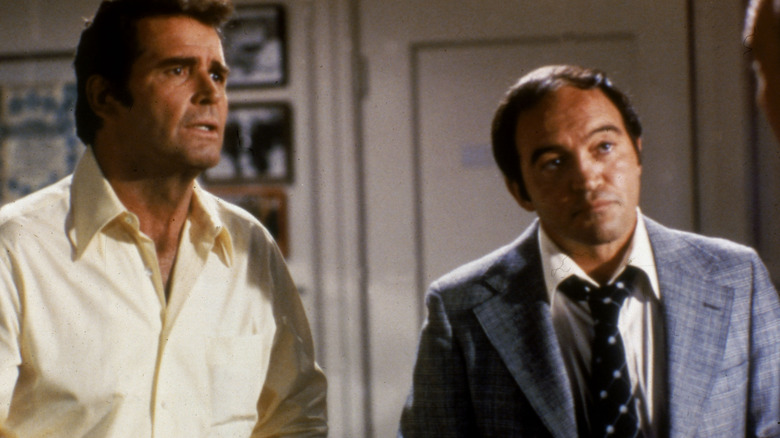
James Garner channeled his everyman charm to great effect on the big screen for years before starring as Jim Rockford on "The Rockford Files." Rockford was a private investigator based out of his mobile home in Malibu, which doubled as his makeshift office. Taking on a variety of cases, the character relied on his wits rather than his fists whenever he could. Rockford maintained a tenuous relationship with the local police, though they did acknowledge and begrudgingly respect his inherent crime-solving skills.
"The Rockford Files" really highlighted Garner's acting talents; Rockford was casually cool, even as his hard-luck lifestyle made him a perpetual loser throughout the series. That only underscored those everyman qualities and distinguished him from other crime show protagonists of the era. One of the best detective TV shows ever made, "The Rockford Files" was a showcase for Garner's easygoing charisma.
7. The Mary Tyler Moore Show
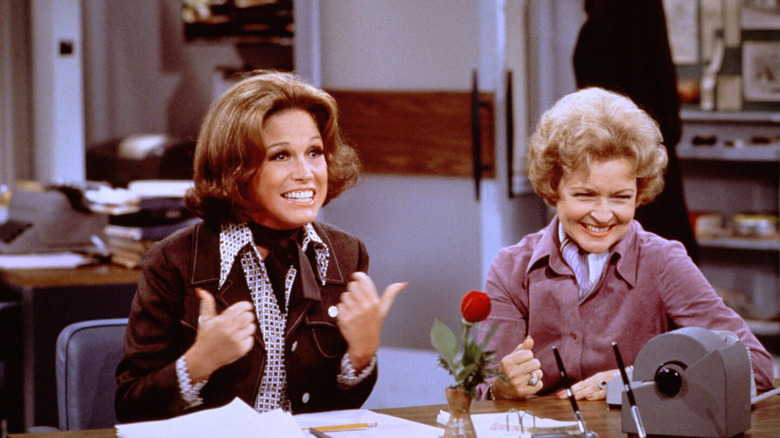
After her memorable role on "The Dick Van Dyke Show," Mary Tyler Moore took center stage with the aptly titled "Mary Tyler Moore Show." Moore starred as Mary Richards, the producer of a news television show in Minneapolis, working with an eclectic news team led by Lou Grant (Ed Asner). She faced the challenges of being a woman working in a male-dominated workplace in the '70s, and ultimately more than proved herself in the newsroom. The show also detailed Mary's personal life, including her friendship with her neighbor Rhoda Morgenstern (Valerie Harper).
"The Mary Tyler Moore Show" was one of those sitcoms that never played down to its audience, smartly written and trusting viewers to follow along. By featuring slightly older characters, the humor came from a more mature place, and the drama wasn't as flippant. Matching Moore was a solid ensemble cast, including Asner, Harper, Cloris Leachman, and Ted Knight, with several characters receiving their own spin-offs. Throughout her entire celebrated career in film and television, Moore's most memorable TV role was starring in the show named after herself.
6. The Jeffersons
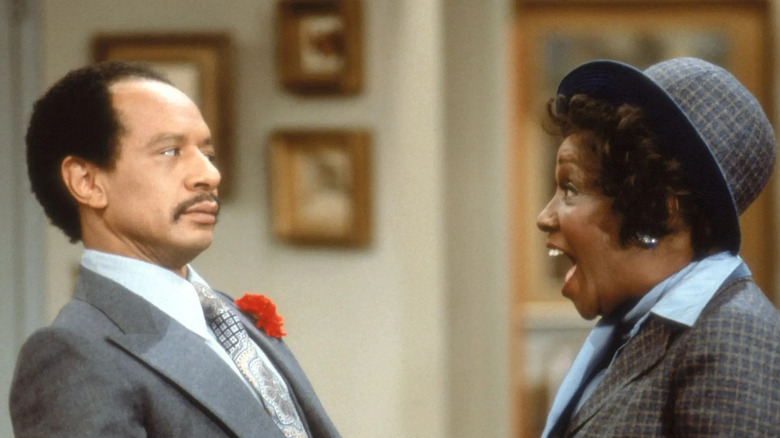
After being introduced in "All in the Family," recurring characters George (Sherman Hemsley) and Louise Jefferson (Isabel Sanford) moved on up to their own sitcom, "The Jeffersons." Premiering in 1975, the show opened with George's dry-cleaning business growing successful enough for him and Weezy to relocate from Queens to the affluent Upper East Side of Manhattan. Joined by their son Lionel, played in different seasons by unrelated actors Mike Evans and Damon Evans, the Jeffersons got used to their quirky neighbors. Over the course of the series, their neighbors grew and changed, while Lionel went through his own marital problems, but George and Louise's love stayed strong.
Something that can't be overstated and may be lost on audiences today is how important "The Jeffersons" was. No other series on television at the time provided a stable portrait of Black excellence at the same level as this show, which ran for 11 seasons. George and Louise Jefferson were financially successful, maintained a loving family, and lived on their own terms — while still bringing the laughs, of course. One of the best TV spin-offs of all time, "The Jeffersons" quietly made television history through its titular family.
5. Columbo
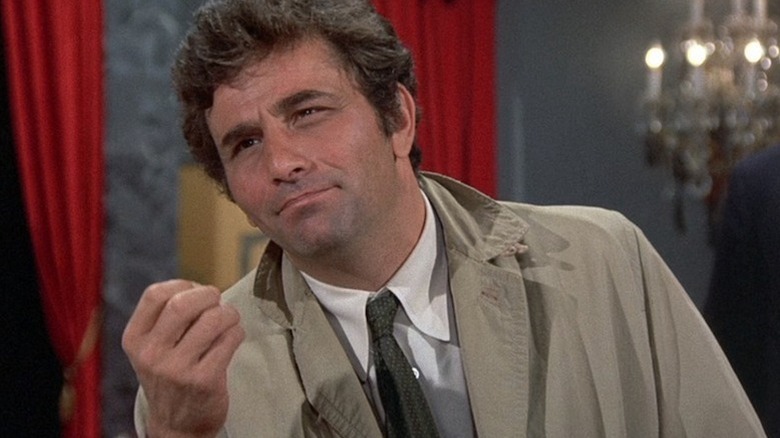
Is there a detective who originated on television that is more enduringly iconic than Peter Falk's Frank Columbo? After being introduced in TV movies in 1968 and 1971, the fan-favorite sleuth later headlined his own series, which premiered in 1971. A police homicide detective based out of Los Angeles, Columbo maintained an unassuming persona, often dressed in a wrinkled tan trench coat. This concealed his unmatched prowess as a crime-solver, outsmarting the culprits until he surprised them with irrefutable evidence of the murders they committed.
There are few crime shows as supremely comfy and cozy as "Columbo," no matter the decade. Part of the thrill is that the culprit was revealed to the audience at the start of many episodes, with viewers watching how Columbo figured out each crime. Paired with Falk was a parade of celebrity guest stars, often in the role of the killer, squaring off in a battle of wits with Columbo. Currently available to watch for free on Tubi, "Columbo" was a longstanding foundation for the television detective genre.
4. Roots
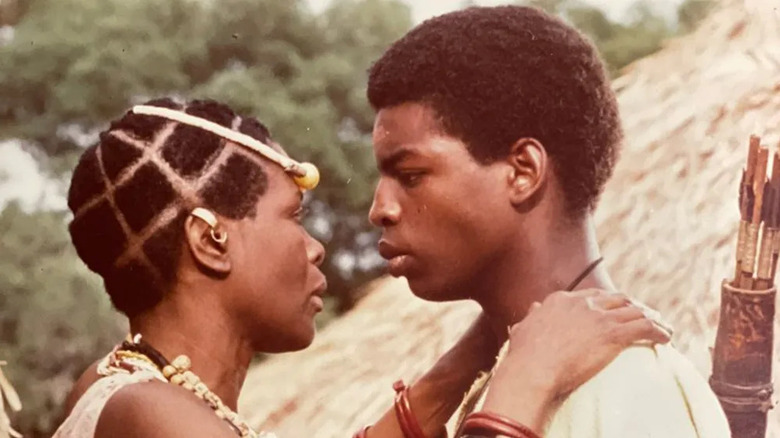
Alex Haley's best-selling 1976 historical novel "Roots: The Saga of an American Family" was adapted into a limited series in 1977. The adaptation chronicled the story of Kunta Kinte, an 18th-century West African who was enslaved and brought to America, where he was sold to work at a Virginian plantation. The narrative advanced over the next several generations, following Kunta's descendants, who endured their own ordeals in slavery. The story was told through the 19th century, including the years shortly after the American Civil War and abolishment of slavery.
"Roots" was an event when it premiered in January 1977 and a major success for the limited series format. LeVar Burton and John Amos both did stellar jobs capturing Kunta Kinte at different stages of his life, quietly maintaining his dignity in the face of injustice. They were joined by a fantastic ensemble cast, including Maya Angelou, Cicely Tyson, and Ed Asner, that brought this sweeping saga to life. A harrowing examination of slavery through the perspective of one family, "Roots" was the best limited series from the '70s.
3. Saturday Night Live
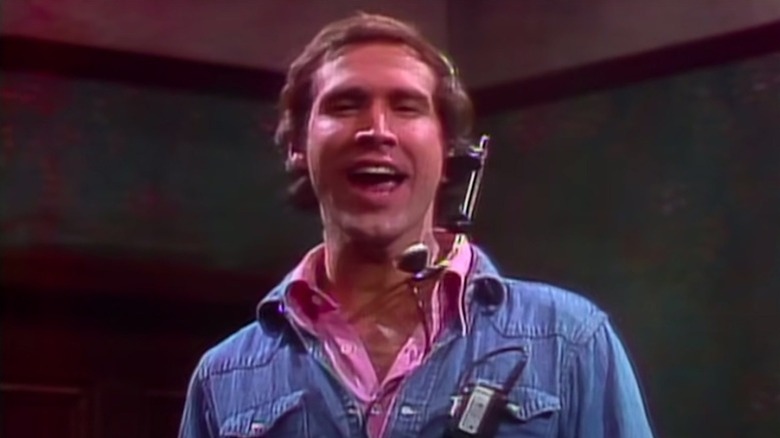
The only show on this list that's still running today, "Saturday Night Live" has become a television institution. Premiering in October 1975, the show features a set of comedy skits led by the Not Ready for Primetime Players. The rotating cast is joined by a celebrity guest host, and at least one musical guest each episode, getting in on the fun. The brainchild of producer Lorne Michaels, "SNL" has kept the variety show format alive while occasionally pushing the boundaries of television comedy, particularly in its early days.
Since its debut, "SNL" has helped usher in countless comedy icons to the world, including Eddie Murphy, Dan Aykroyd, and Tina Fey. Every fan has their own favorite era of the series, but the ensemble from the '70s has been practically deified as its best. As with any show of its length, there are awful "SNL" episodes we wish we could forget, but overall, the show maintains a winning average. Just based on longevity and cultural relevance alone, "SNL" deserves a spot on this list, but it has consistently brought well-earned laughs, too.
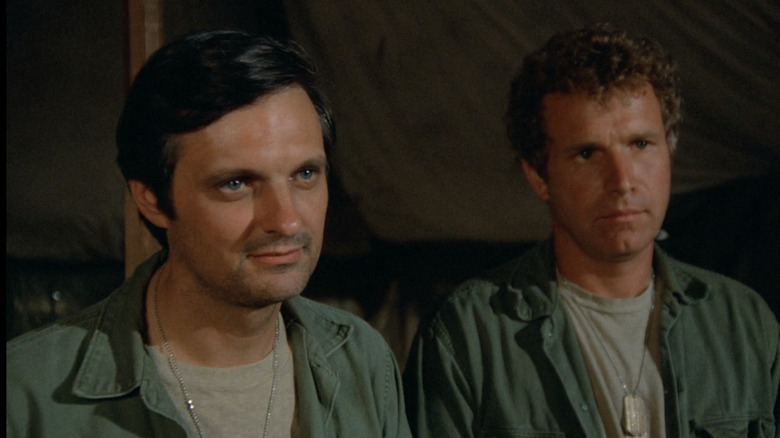
2. M*A*S*H
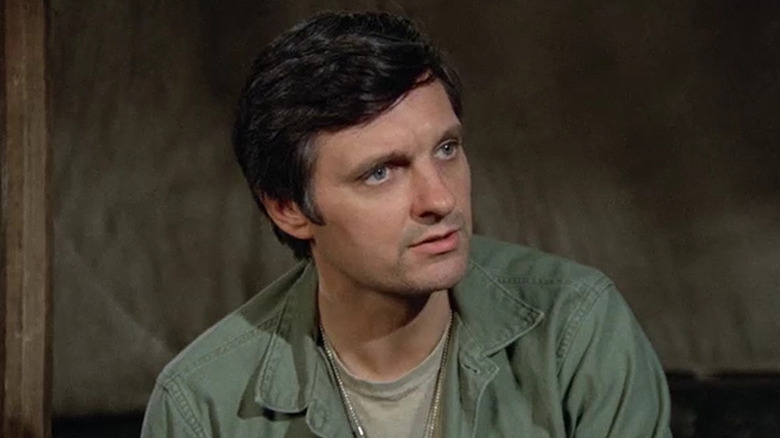
After being adapted into a successful 1970 comedy movie, Richard Hooker's novel "M*A*S*H" was turned into a sitcom in 1972. Detailing the activities of a mobile army surgical hospital during the Korean War, the series largely centered on the irreverent Benjamin "Hawkeye" Pierce (Alan Alda). Despite his flagrant disregard for authority and cheeky personality, he was a gifted surgeon and carried a strong conviction about the war's moral cost. Hawkeye was joined by a group of other memorable American military characters over the course of the war, each dealing with the conflict's immense pressure in their own way.
"M*A*S*H" blazed a trail for how well sitcoms could incorporate prominent dramatic elements, rather than just sticking to screwball comedy as it did in its early seasons. This was primarily delivered by Alda's multifaceted performance, but many of the other main actors brought a vulnerable humanity to each of their respective characters. Running for 11 seasons, the show really grew with the times, reinventing what a sitcom could be and advancing the characters' arcs accordingly. Fans have been toasting to "M*A*S*H" for more than 50 years since its debut, a testament to the sitcom's enduring legacy.
1. All in the Family
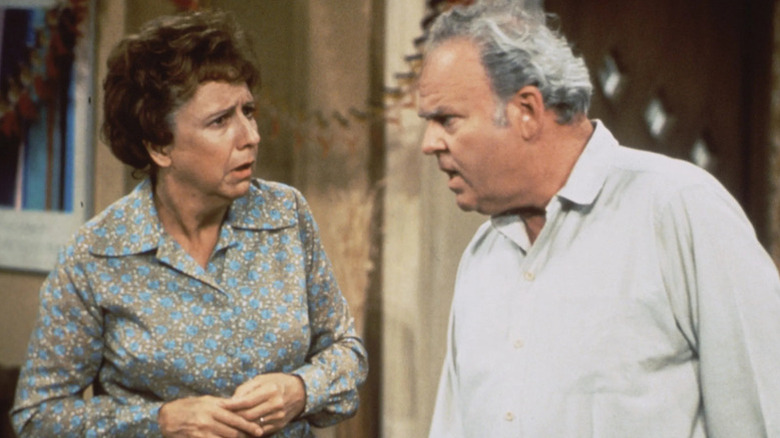
One creative figure behind many of the shows on this list is Norman Lear, who created many successful sitcoms throughout the '70s. This includes the 1971 series "All in the Family," itself an adaptation of the British sitcom "Till Death Us Do Part," transposed to a family in suburban Queens. Family patriarch Archie Bunker (Carroll O'Connor) was an outspoken bigot, espousing contemporary conservative views in the face of changing cultural norms. Archie's stance was challenged by alterations to the neighborhood, the evolving times, and the views of his daughter Gloria (Sally Struthers) and her husband Mike Stivic (Rob Reiner).
If "M*A*S*H" captured the evolution of the American sitcom from a wartime perspective, "All in the Family" did so from a quintessentially domestic one. Archie and his arc throughout the series encapsulated the changes in viewpoints and voices rising nationwide during the show's run, never quite redeeming Archie but softening his stance somewhat. The series served as a launching point for numerous spin-offs, including the previously mentioned "Jeffersons," carrying its legacy well into the '80s. The best TV show Lear ever created, "All in the Family" was both a comedy classic and a groundbreaking piece of television Americana.