

How Rhoda's Creators Accidentally Got The Mary Tyler Moore Show Spin-Off Canceled
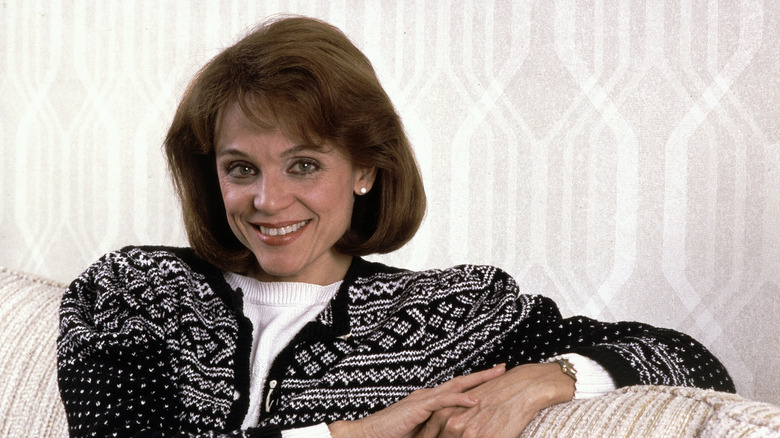
The '70s sitcom "Rhoda" boasted high viewership from its first episode, while Episode 8, "Rhoda's Wedding," had the second-highest viewership of any TV episode at the time. The first season of the "Mary Tyler Moore Show" spin-off was so successful, CBS was already looking at one of its characters, Rhoda's sister, Brenda Morgenstern (Julie Kavner), for yet another series.
The biggest indication of how unstoppable "Rhoda" seemed was the pay dispute between lead actress Valerie Harper and CBS. While Harper would be fired from her later show, "Valerie," in an attempt to negotiate for better pay, she successfully strong-armed the network into boosting her salary from $10,000 to $17,500 a week between seasons 1 and 2 of "Rhoda." Viewership slipped in Season 3, however, after the writers made one big controversial decision: They destroyed Rhoda's marriage, under the belief that it would lead to funnier storylines.
"We painted ourselves into a corner creatively," one of the producers told the Dispatch about the first two seasons. Harper herself later told the Herald-Times that the network had heavily restricted the sort of storylines married Rhoda could have. The show was barred from writing about "sex, double entendre, or sophisticated comedy," Harper said, adding, "When the producers agreed to the separation, the writers immediately had a dozen good story ideas." The couple separated in the Season 3 premiere, although it would take another 17 episodes before Valerie's husband Joe (David Groh) officially left the show.
Rhoda's writers thought a divorce would help the show
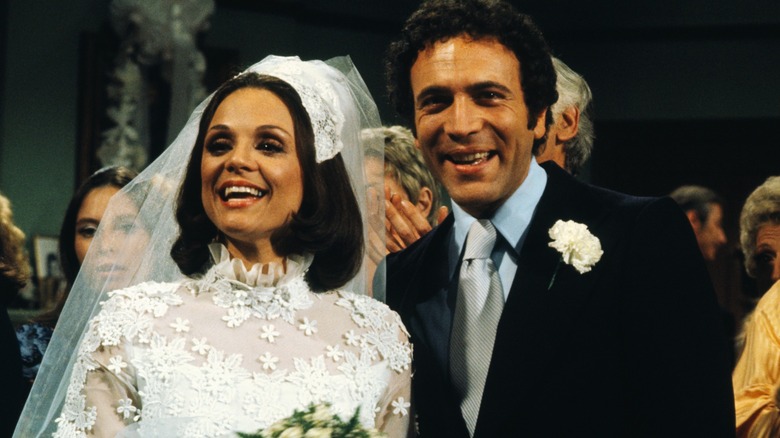
As the show built up to David Groh's departure, viewers begged the writers to change course. "There's been a lot of mail opposing a divorce," Groh remarked early into Season 3. A month later, he recalled to the Atlanta Constitution being accosted by female fans, who told him, "You bum. Why did you leave her?"
Charlotte Brown, a writer and co-producer for the series, told the Cleveland Press that the fan mail had been "50-50 in favor of a divorce," and claimed that the negative responses had been most severe in the first few episodes of the season. "We thought we lost a lot of Rhoda's vulnerability when she got married," Brown said. "After the viewers saw more of the shows this season, they wrote back to use to say they understood what they we were trying to do."
Brown promised viewers that the writers would decide whether to split the couple up for good over the Christmas break, and on January 30, 1976, "The Ultimatum" aired and Groh was officially off the show. "I personally don't feel our ratings slump had anything to do with the separation," Brown told the Chicago Tribune. She pointed out that the first half of the season had aired on Monday nights, surrounded by "kids shows" like "The Little House on the Prairie." Now that "Rhoda" had moved to Sunday nights in early January, Brown said, "our ratings have been very good."
Rhoda never returned to the ratings highs of Seasons 1 and 2
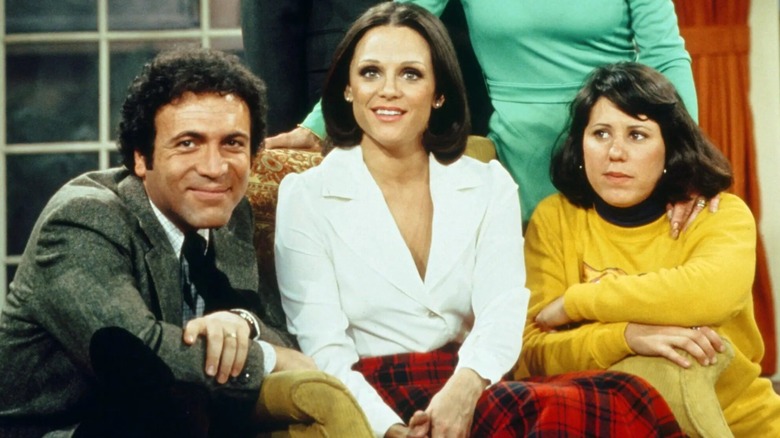
With Rhoda fully embracing her post-marriage life, Season 4 did enjoy a slight ratings bump. Critics attributed part of this to Rhoda's mother, Ida (Nancy Walker), returning to the show; She had missed out on Season 3 to star in her own "Happy Days" spin-off series. Still, on average, Season 4 raked in about 14.7 million views compared to Season 1's 18 million. Then, viewership plummeted at the start of Season 5 and the show was soon cancelled.
Charlotte Brown attributed the Season 5 ratings drop to CBS moving their show to Saturday, as well as a general shift in viewers' taste towards low-brow humor. Valerie Harper, however, later agreed with the consensus that it was the divorce that hurt them most: "We lost a lot of viewers because of Rhoda's separation," she said. "We had some touching letters from women who said if Rhoda didn't make it, neither would they."
Meanwhile, David Groh was publicly annoyed with the writers' decision even back when Season 3 was airing. As the season wrapped up, he recalled to the Associated Press how he'd told the writers, "I think you're making a mistake, you're tampering with something that shouldn't be tampered with. You can jazz up a show in other ways, bring in a couple of good characters ... But they said, 'No, we've made a decision. That's the way it's going to be.'"