

5 Best TV Crime Drama Showrunners Of All Time, Ranked
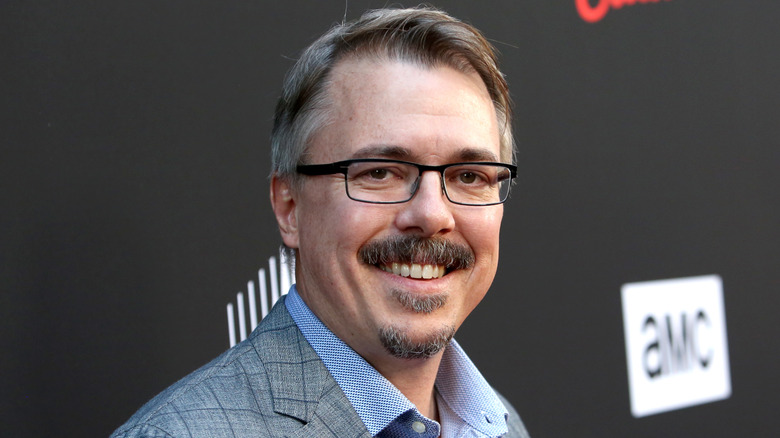
Crime dramas offer the perfect blend of suspense, puzzling investigations, and psychological intrigue. A good showrunner will amp the stakes from start to finish, leading audiences to root both for detectives piecing the clues together and the antiheroes driving the narrative.
In an era when several crime dramas release every month, it's hard to bring fresh stories that also invite viewers to think critically. The showrunners featured on this list have each contributed to the genre in significant ways, either making gripping TV shows about complex criminals or completely redefining the procedural format. David Chase, for instance, unpacked a mobster's mental health journey in a context rarely explored before "The Sopranos" aired. David Simon, meanwhile, used his extensive background as a crime reporter to provide a fresh sociopolitical perspective on crime that resonated with the city of Baltimore.
Whether it was by bringing a unique and nuanced take on crime or breathing new life into the case-of-the-week format, here are five storytellers who ran some of the best crime dramas of all time.
5. Nic Pizzolatto
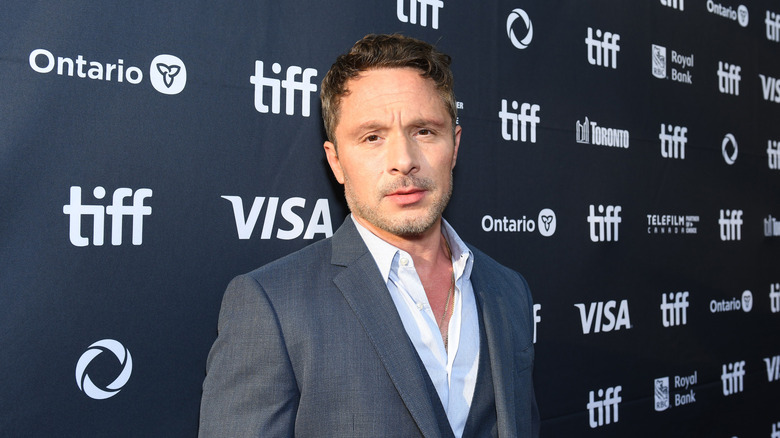
Nic Pizzolatto had only written two episodes for television before creating the prestigious crime drama "True Detective," becoming the primary showrunner for the first three seasons of the anthology series. The HBO original was inspired by a novel idea that he had but later scrapped. Pizzolatto revisited it during the summer of 2010 and later pitched the series to HBO with two Hollywood heavy-hitters already attached.
Season 1 of "True Detective" remains a staple of the genre, with Woody Harrelson and Matthew McConaughey playing a detective duo investigating a ritualistic serial killer. Pizzolatto struck gold with his first attempt at writing for TV, bringing a noir feel and philosophical dilemmas to the forefront. Although Season 2 had an underwhelming reception, receiving a 47% rate of approval from critics on Rotten Tomatoes, the showrunner proved his ability to craft compelling murder mysteries without relying on tropes or regurgitating what worked in "True Detective" Season 1. Pizzolatto is arguably one of those responsible for bringing a cinematic approach to TV and convincing big Hollywood names to explore the small screen. The concept of eight-episode seasons wasn't common before "True Detective," either, marking another way in which he broke the norms of the medium.
Season 3 garnered significantly more positive reviews than its predecessor, focusing on a detective (Mahershala Ali) determined to crack a case that spanned several decades. Instead of honing in on a mismatched detective pairing, Season 3 dove deeper into how the consequences of one investigation can last for years. The series' fourth season, "True Detective: Night Country," might have been intriguing, but there's nothing quite like the show as it was when Pizzolatto was at the helm.
4. Dick Wolf
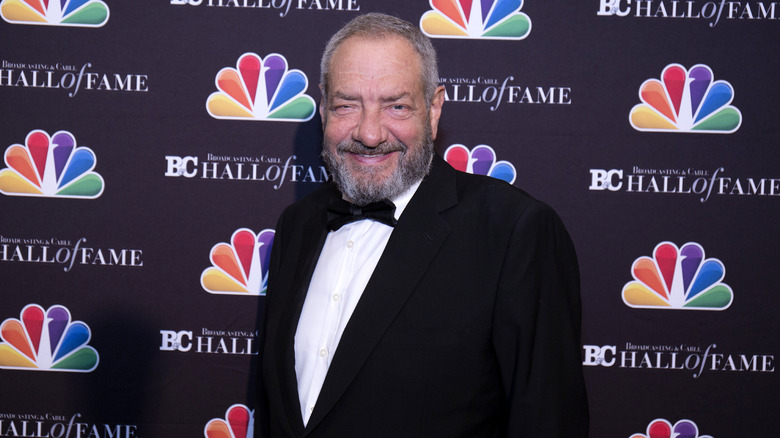
When it comes to showrunners with the most longevity on TV, Dick Wolf is in a league of his own. After working as an ad executive for Benton & Bowles, where he honed his skills as a storyteller and marketing strategist, Wolf transitioned to screenwriting. Some of his earlier credits include "Hill Street Blues" and "Miami Vice," with the latter allowing him to become a co-producer. Soon enough, Wolf made strides in network TV by developing a roster of procedural series. "Law & Order" is the second longest-running network drama in TV history, behind its spin-off, "Law & Order: Special Victims Unit." Both shows were created by Wolf, along with the "Chicago" franchise and "FBI."
Wolf came up with an intriguing two-part formula for his procedural crime dramas, with detectives gathering clues in the first portion of an episode and the trial taking place in the latter half. And this approach seems to have been a hit with viewers: Across every season of "Law & Order," just a small handful of episodes score below a 7 rating on IMDb.
Wolf is also known for drawing inspiration from the headlines, bringing a layer of authenticity to his productions. According to Emmy-winning executive producer Arthur Forney, who has worked with Wolf on several shows, a whole team is dedicated to finding cases and ensuring that they're presented to the public truthfully. This attention to detail is part of what allows Wolf's stories to stand out in the world of broadcast television, even today.
3. David Simon
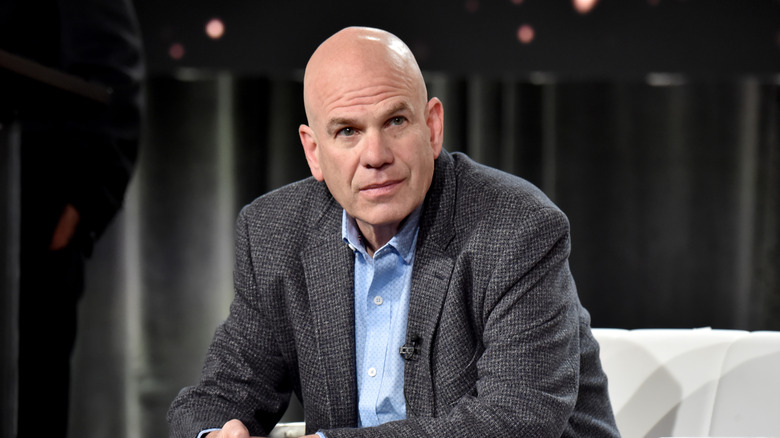
David Simon made his name crafting shows that focus on the social implications of crime, with his storytelling prowess on full display in dramas such as "The Wire," "We Own This City," and "The Deuce."
For instance, "The Wire" is much more than a series about crime; rather, it portrays the systemic barriers that influence violence, the drug trade, and the social divide in Baltimore. What made it revolutionary was that it demonstrated that a TV show could impact the social order, as it became a mirror to deep-seated community issues. Simon also developed his own formula for a purposeful finale: At the end of every season of the series, a montage sequence lays out the main characters of the previous episodes and invites viewers to ponder on their fates.
"We Own This City" similarly dives into police corruption and how the authorities who are supposed to protect communities from harm can further injustice. Simon's background in crime reporting allows his TV shows to be rooted in reality, which is part of the reason why several of his productions stand the test of time.
2. Vince Gilligan
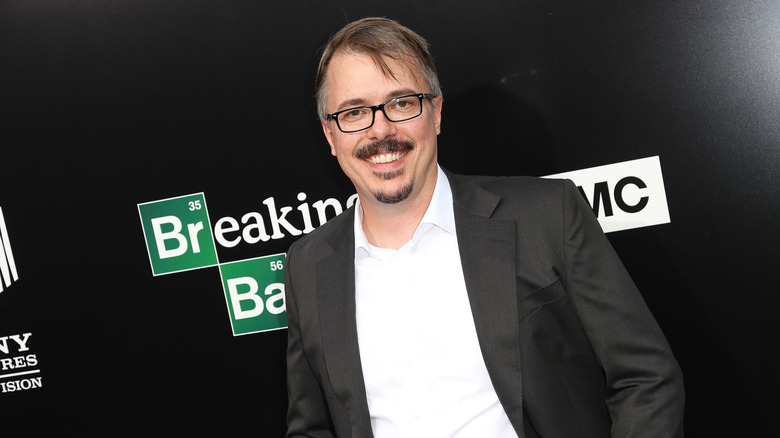
Vince Gilligan's latest hit series, "Pluribus," might not be a crime drama, but he certainly has a strong track record in the genre. Gilligan was a writer on "The X-Files" before creating the groundbreaking series "Breaking Bad" and its equally captivating spin-off, "Better Call Saul." What makes both series so compelling is how carefully they depict the progression of Walter White (Bryan Cranston) and Saul Goodman's (Bob Odenkirk) moral downfall.
Although many viewers will disagree about which of the two TV shows is better, there's no denying that Gilligan created two fascinating character studies. The showrunner and his writers' room achieved this by mapping out every scene based on character motivations and an idea-vs-action framework. For example, on "Breaking Bad," writers were given index cards to build a scene brick by brick and ensure that every beat and twist was warranted.
Gilligan also set himself apart from other showrunners by making sure that each episode began with a teaser of what's to come, giving viewers a reason to watch and promising them that their time won't go to waste. Few showrunners approach crime dramas with this level of detail and intelligence, making Gilligan stand out even among the greats.
1. David Chase
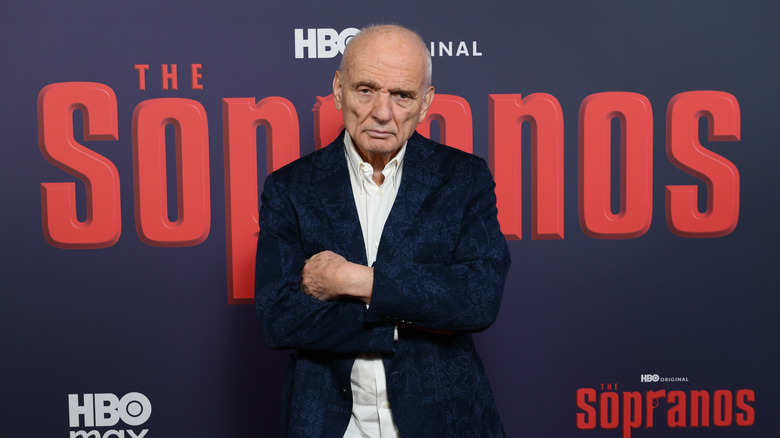
Any list of the greatest showrunners of all time would be incomplete without David Chase, creator of "The Sopranos" — arguably the blueprint for prestige TV. If Walter White was a superb antihero, it was only because Vince Gilligan took a page from Chase's exceptional work developing Tony Soprano (James Gandolfini). Having his protagonist attend therapy sessions and discuss his problematic agenda brought a duality to his arc, giving viewers glimpses of Tony's humanity while constantly reminding them of his flaws.
Chase took risks with "The Sopranos." HBO was in its early stages, and the network was unsure about having Tony kill a mob informant in Season 1 for fear that the audience would stop tuning in. Taking these risks paid off in the long run, however, with "The Sopranos" cementing HBO's status as a hot spot for prestige TV. The network began breaking viewership records during its run, and audiences now continuously revisit the crime drama over and over. By 2020, the series still had a healthy following, with HBO reporting (via GQ) a 179% increase in viewership thanks to streaming. In the end, "The Sopranos" ran from 1999 to 2007; the show won 21 Emmys, and raised the bar for what was possible on television.