

15 Everybody Loves Raymond Episodes To Skip On A Rewatch
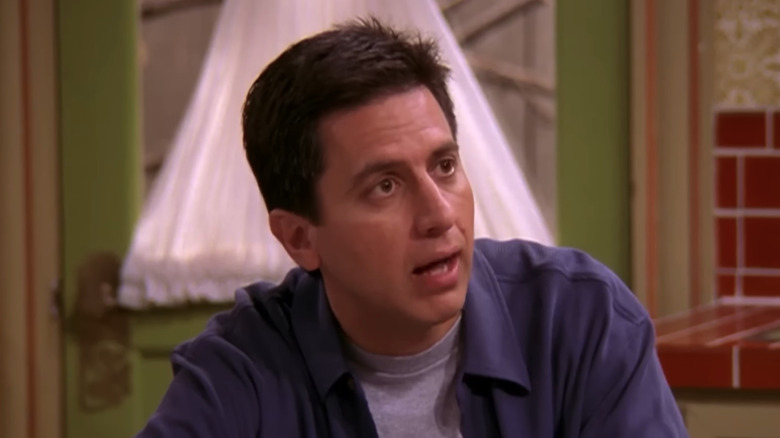
"Everybody Loves Raymond" is one of the best sitcoms of the '90s. And yet, this remarkable show occasionally hit a speed bump or two on its way to greatness. Like every television series, "Everybody Loves Raymond" has its highs and lows, memorable episodes and forgettable episodes. None are outright terrible, but sometimes you could see the writers clearly spinning their wheels, particularly in the later seasons when they had used up a majority of their ideas.
Viewers may not recall these throwaway chapters after a first watch. Before you dive into a rewatch, check out this list of episodes that don't require a second viewing. Again, none are absolutely awful. Some even feature a memorable scene or two, but you honestly don't miss anything by skipping them either.
In fact, brushing past these episodes arguably makes for a smoother viewing experience since you get to hone in on the best the sitcom has to offer. So, sit back and enjoy this list of 15 "Everybody Loves Raymond" episodes to skip on a rewatch.
I Wish I Were Gus - Season 1, Episode 3
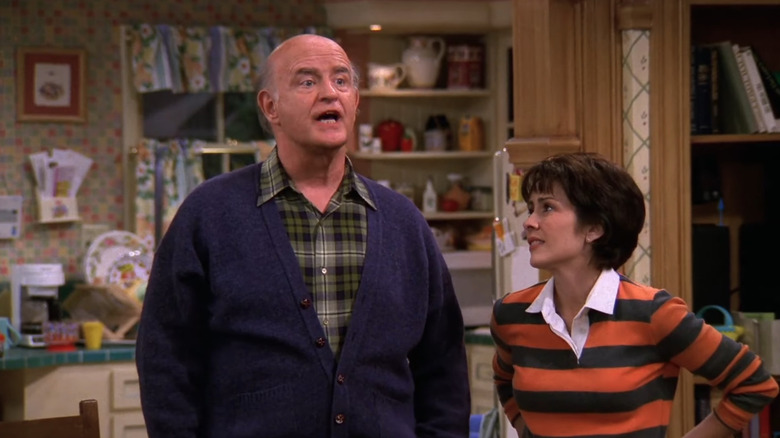
"I Wish I Were Gus" has one big thing going for it: Jean Stapleton as Aunt Alda, who works incredibly well as a rival to Marie (Doris Roberts). The gag of Ally (Madylin Sweeten) drawing a Hitler-esque mustache on Geoffrey (Sawyer Sweeten) is funny, and since the episode takes place at a funeral, the main cast has plenty of excuses to behave horribly. Robert (Brad Garrett), in particular, gets to make some funny noises that offset the moody atmosphere.
The biggest gripe is that the episode introduces a bunch of family members who never appear again, namely, Aunt Alda. This isn't an Uncle Leo situation where a relative pops up for a brief cameo and vanishes for a season or two. We literally never see any supporting players from this episode again, which makes the whole thing feel completely disposable on a second viewing. It also veers a little too closely to "Full House" territory, where everyone learns a cheesy moral lesson, a far cry from the more cynical tone the series would eventually perfect.
Standard Deviation - Season 1, Episode 4
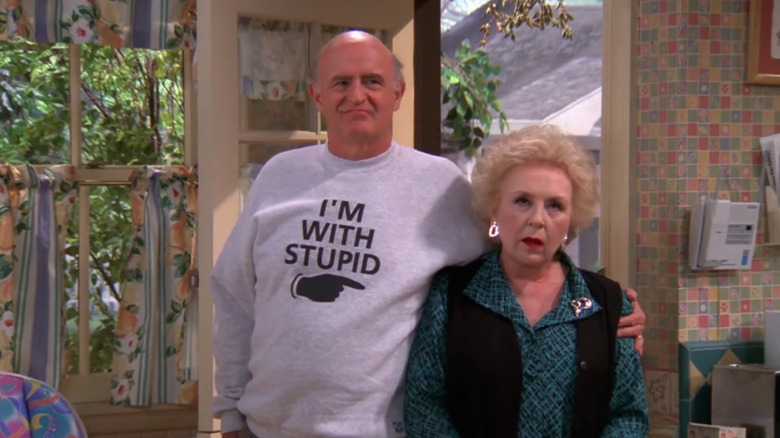
The setup for "Standard Deviation" is solid: Robert gives Debra (Patricia Heaton) and Ray (Ray Romano) an IQ test, and they argue over the results. Ultimately, the episode takes a microscope to Ray and Debra's marriage, mirroring some of the best episodes from later seasons.
Unfortunately, despite some funny moments with Robert, the episode feels too watered down. At this stage, Ray and Debra are simply too nice to each other. We see hints of Debra's snarky demeanor peeking through, but the real Debra is still hidden beneath a normal housewife facade. The series is mostly about an average couple dealing with eccentric relatives, not a frustrated wife dealing with an insecure husband.
Later seasons take this same basic concept and approach it from a much meaner, stranger, and funnier perspective. Of course, skipping "Standard Deviation" means missing the hilarious moment when Debra slams a bowl of ice cream onto Ray's groin, along with the infamous "No" gag between Ray and Debra. It's not completely disposable, but later seasons have sharper examples of this very episode.
Frank, the Writer - Season 1, Episode 6
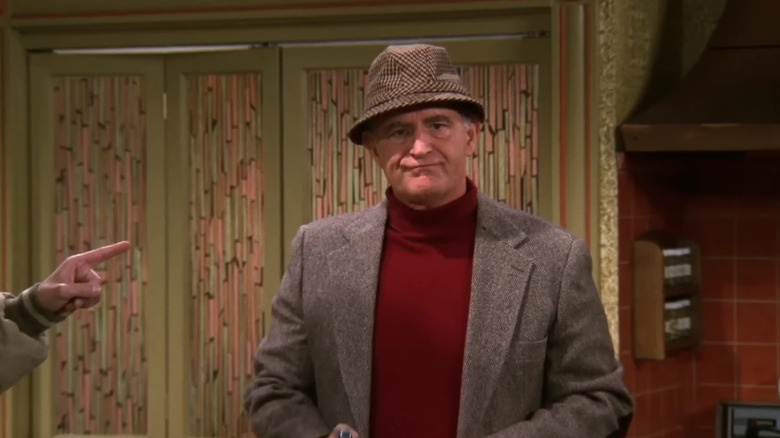
"Frank, the Writer" is another example of an episode giving a character a random personality trait specifically to serve one story. In this case, we learn that Frank secretly yearns to write like Ray. Suddenly, the father-son dynamic flips on its head. After all these years, Frank desperately wants his son's respect.
Sure, the idea works within this single episode, but the writers never circle back to any of the traits Frank displays here. By the next episode, he more or less resets to ornery old Frank, constantly complaining about Marie, insulting his sons, and doing little more than watching television. The Frank we see in "Frank, the Writer" feels like an earlier draft of the character — more well-rounded and unique, perhaps, but not nearly as much fun.
The cloying finale only makes matters worse. And since nothing that happens here is ever referenced again, the episode doesn't really require a second viewing.
Win, Lose or Draw - Season 1, Episode 9
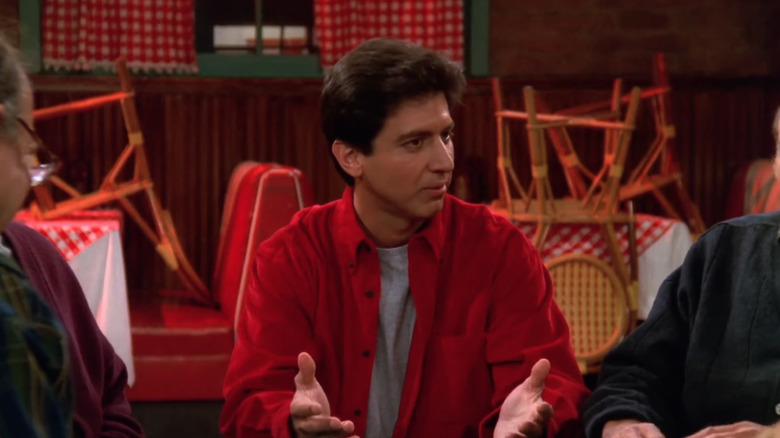
"Win, Lose or Draw" marks another chapter in the Ray/Frank dynamic. Here, Frank asks Ray to join him at a poker game with his buddies. Naturally, the game goes awry when Ray gets a little too cocky and winds up owing his dad a lot of money.
The episode works overall and exposes some of the deep-rooted resentment lingering within the Barone family. We get some heartwarming closure between father and son, a funny scene in which Robert tries to play good cop/bad cop, and even learn that Marie has saved over $40,000 for a rainy day.
But nothing here moves the characters or family dynamic forward. Even the heartfelt finale feels like one step too far, considering it doesn't alter Ray and Frank's relationship in any way, shape, or form. On top of that, later-series Frank would never willingly give up money he won from Ray, further separating the softer tone of Season 1 from the rest of the series.
The Car - Season 1, Episode 15
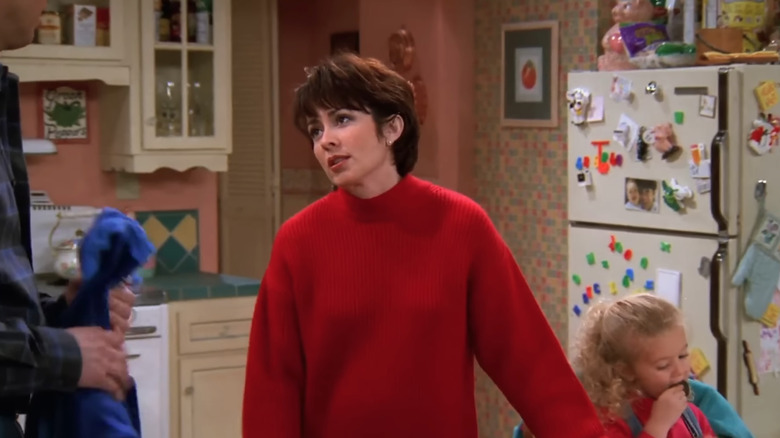
Our final Season 1 entry, "The Car," likewise presents something that seems important but ultimately proves inconsequential to the series. For 20 minutes, Ray makes a big deal about an old car he purchases from his dad — specifically, how he got "lucky" for the first time in the vehicle. Much of the episode is spent watching Raymond bask in the nostalgia of his youth. In truth, the whole affair is surprisingly touching. And then no one talks about it again.
Even in subsequent episodes that hone in on Ray's rebellious youth, he never brings up the cherished relic, or the girl he supposedly ran the bases with. Also, while Ray's youthful flashbacks don't exactly present him as a super stud, they do tend to contradict later episodes that paint him more like a teenage loser who was essentially a hopeless romantic until he met Debra.
Civil War - Season 2, Episode 13
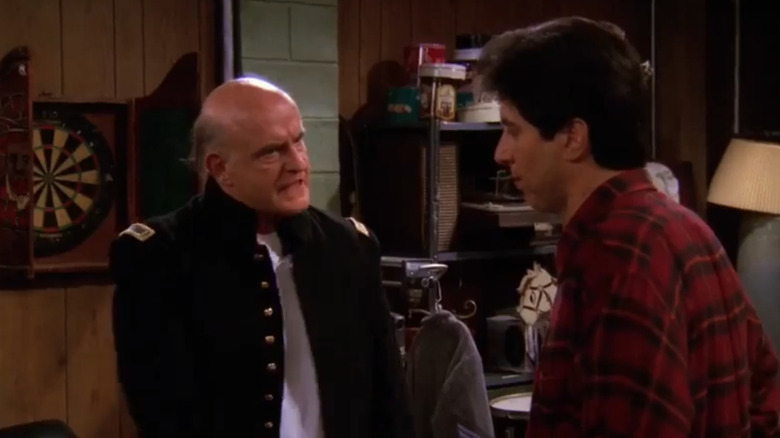
"Civil War" was always a bit wonky. It feels like a writer came up with a bonkers "what if" scenario and then built an entire episode around it. What if ... Frank and his pals were Civil War reenactors? Okay? And then we designed another Frank/Ray story around the gimmick? Uh, sure.
Funny enough, this would work if the series revisited the idea each season. Like, if Frank and sons had an annual Civil War excursion that allowed us to see how much their relationship had evolved. Instead, it's a manufactured scenario designed to give us a standalone episode with all the guys. It comes across as a silly one-off rather than a unique look at the Barone boys, and also seems a little out of character for a typically reserved family that shies away from social occasions.
Overall, the episode is amusing but perfectly skippable if you're eager to get into the meat of the series.
The Sitter - Season 3, Episode 3
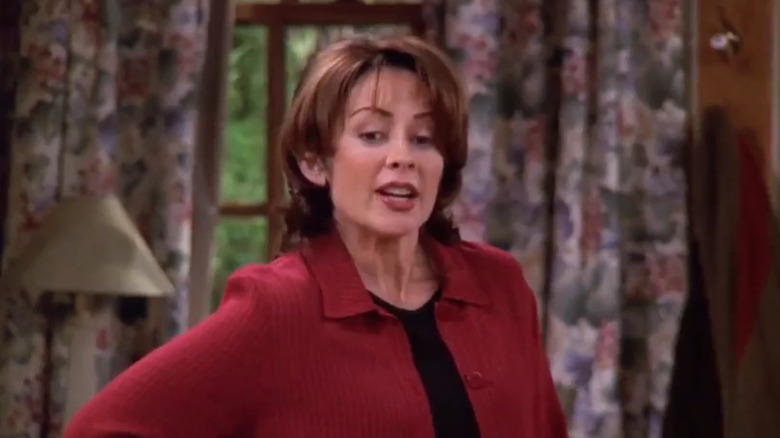
In a similar vein, "The Sitter" introduces a funny concept, spends 20 minutes reinforcing its importance, and then never touches on it again. Here, Ray and Debra find an amazing babysitter who alleviates their day-to-day stress involving the kids. Naturally, Marie feels shunned after being passed over, while Debra gets jealous when her children want to spend more time with the babysitter than with her.
In the end, nothing works out for anyone. The highly sought-after sitter winds up with another family, Marie realizes the kids are too rambunctious for her, and Debra's insecurities prove unwarranted. Yes, it's kind of funny, and it does offer some insight into the Barones' chaotic lifestyle.
Still, it's a little hard to believe there's only one reliable teenager in town who can babysit. And since the show never brings up the problem or its solution again, we can assume this is merely another scenario the writers designed specifically for this episode. Skip it and move on to better ideas.
Pet Cemetery - Season 5, Episode 5
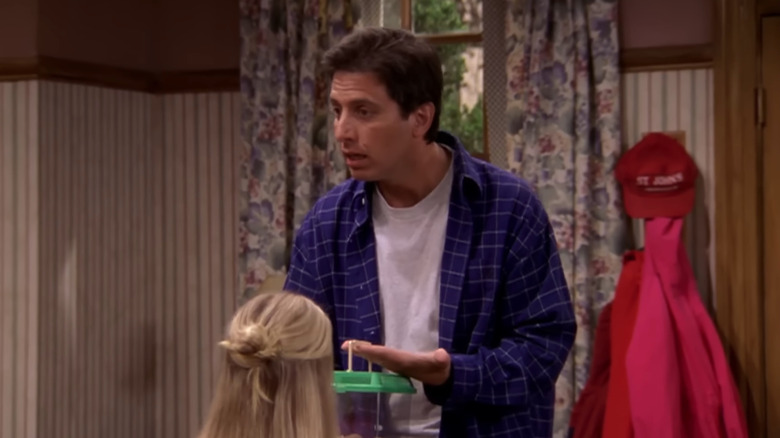
"Pet Cemetery" is irksome, largely because its central joke feels suspiciously similar to one from another piece of content. Anyone who has ever seen the horror film "Poltergeist" will recall the moment in which Carol Anne (Heather O'Rourke) loses her pet bird. She and her mother go through a long, dramatic burial process where the young girl sheds some tears and lays her pet to rest. Then, without missing a beat, she blurts out, "Can we get a fish now?" It's a funny joke that spans roughly five minutes of a two-hour movie.
"Everybody Loves Raymond" essentially recreates this scenario and stretches it across 20 minutes, replete with nearly the same punchline. Everyone gets super emotional over a dead hamster and spends a lot of time trying to find the proper emotion during a drawn-out funeral. Then, once everything concludes, Allie asks for a dog.
There are plenty of funny moments, but since we never hear about the hamster before this episode, and the family doesn't end up with another animal, you can breeze right through this one on a rewatch. Or just watch that scene in "Poltergeist."
Odd Man Out - Season 6, Episode 3
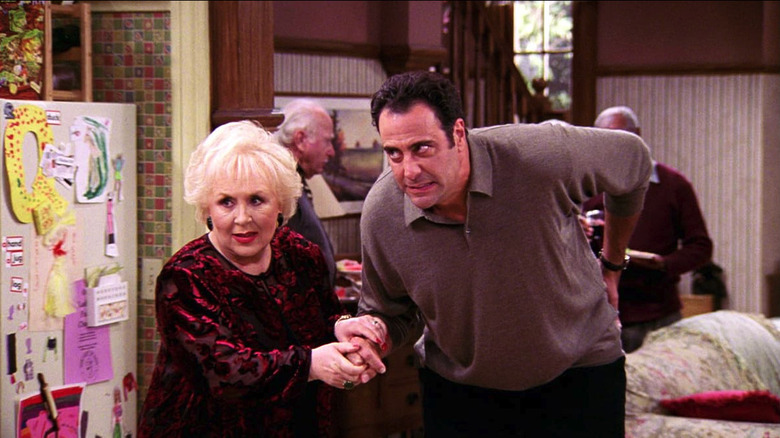
Jumping ahead to Season 6, "Odd Man Out" throws us a curveball: After all these years of bemoaning Marie, Frank harbors surprisingly strong feelings for her that surface when she spends a little too much time with another man.
The biggest issue? We've explored the couple's bizarre relationship several times before this point. We know that, despite their constant insults, the pair are inseparable. And since Marco (David Proval), Marie's new companion, never reappears, it feels almost pointless to introduce a new character specifically to disrupt their marriage for a few minutes.
Also, by the very next episode, Frank and Marie reset and go back to their usual antics. In short, having Marie run around with another man is a really heavy concept to introduce without any lingering consequences. We get that "Everybody Loves Raymond" follows a sitcom formula, but this feels like too significant a premise to discard so quickly. If anything, it deserved a two- or three-episode arc to fully explore the ramifications. No wonder it ranks among the 10 worst episodes of "Everybody Loves Raymond."
Ray's Ring - Season 6, Episode 4
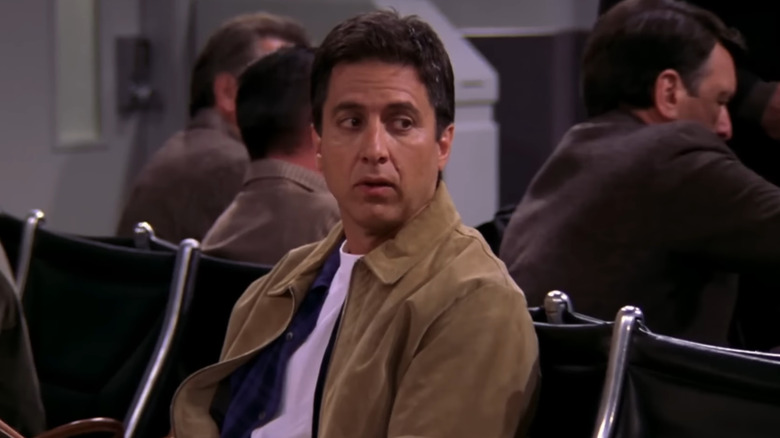
In "Ray's Ring," Ray, well, loses his wedding ring and then gets a confidence boost when a woman hits on him. Of course, he makes the mistake of bragging to Debra, who then tries to get even by removing her ring and wandering around the supermarket.
It's all relatively harmless, and that's essentially the episode's biggest problem. No, it's not a bad piece of television, but there's also nothing really special about "Ray's Ring" either. Which is a shame because the premise sets up what should have been one of Ray and Debra's greatest arguments — his sudden ego clashing with Debra's surprising insecurity. Talk about a role reversal!
Instead, the writers keep this one light and never fully dive into the conflict. And then we're meant to believe that no other man is interested in Debra? This is definitely a strong skip, if only because it doesn't land its tremendous setup.
The Annoying Kid - Season 7, Episode 8
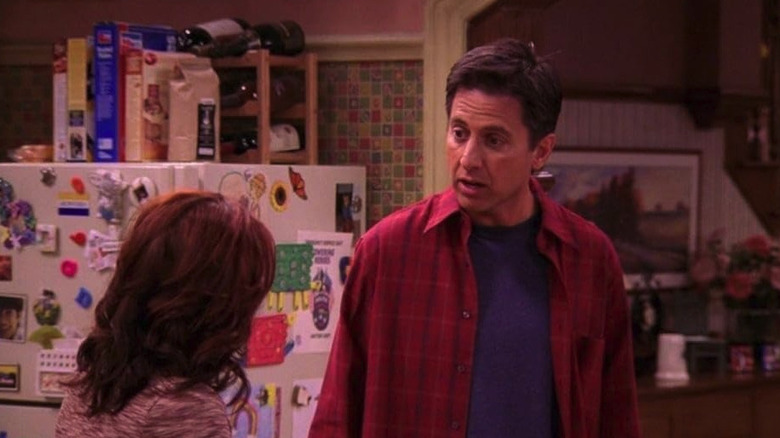
Later seasons of "Everybody Loves Raymond" struggle to build structure, resulting in a lot of disjointed standalone episodes that feel more desperate than endearing. "The Annoying Kid" falls into this camp, relying on a broad premise that pales in comparison to the episodes around it.
Raymond and Debra become friends with a new couple. The problem is that Ray can't stand their son, creating a conflict that threatens his newfound relationship. Cue a handful of scenes of Ray squaring off against a bratty kid.
To his credit, Ray Romano makes the premise work, giving us an angrier, more agitated version of his character that we don't typically see. Despite these flashes of brilliance, the episode still feels like filler and lacks the biting observations that make "Everybody Loves Raymond" an all-time sitcom. In truth, this is the type of episode that would feel right at home in a show like "According to Jim."
Home From School - Season 8, Episode 3
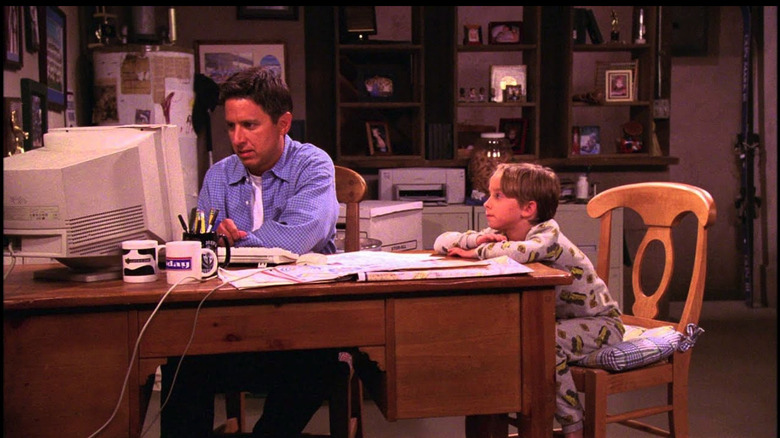
"Home From School" is another skippable, kid-centric episode that simply doesn't work. "Everybody Loves Raymond" is at its best when it hones in on the adults. Whenever it pivots to the (admittedly adorable) kids, the whole tone of the show feels ... off.
To be fair, there's a decent parenting observation lurking underneath the episode, specifically in Ray and Debra's different approaches to their respective roles. Uniquely, this is a rare instance where Ray actually comes out ahead, which certainly makes it worthwhile.
The reason it's skippable? Michael. After eight seasons, we don't know enough about Ally, Michael, or Geoffrey to care about any character development. Even when we learn that Michael might be faking his illness to stay home from school, it induces little more than a shrug.
All that said, "Home From School" weirdly offers a perfect example of what makes "Everybody Loves Raymond" stand out among even the best TV shows like it. It's a rare instance where this otherwise splendid series comes too close to a generic sitcom, making you appreciate the other episodes even more.
Party Dress - Season 8, Episode 15
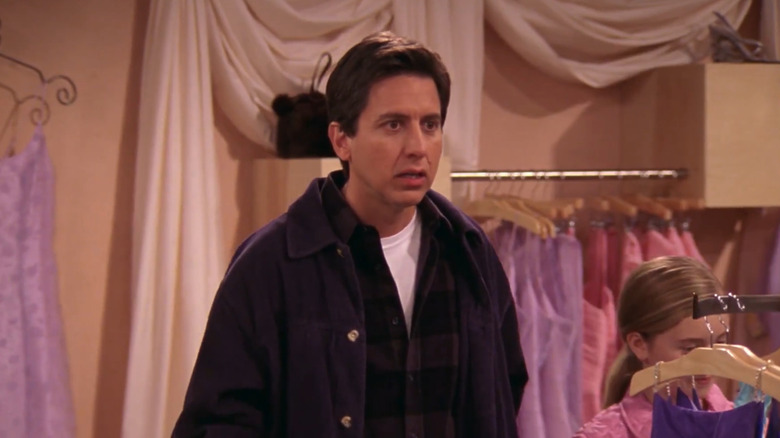
"Party Dress" is another episode centered around Ray's kids. Here, Ally wants an expensive dress for a friend's birthday party. Ray and Debra fight over money — he thinks it's ridiculous to spend so much on a piece of clothing, while she is far more sympathetic.
In the end, Ally just wants to fit in with the other girls. Yawn. Look, we're in Season 8 here, and suddenly Ray is dealing with his teenage daughter? What is this, "Dawson's Creek?"
For all its brilliance, "Everybody Loves Raymond" often stumbled over itself, trying too hard to please everyone. No one watched the show for its awkward dramatic beats or to glean some sort of moral lesson from its characters. We tuned in to watch the adult Barones argue over very real adult problems, very rarely arriving at any sort of resolution. Kind of like life.
Granted, Ray and Debra's money squabble does strike a chord. Too bad the Ally stuff weighs it all down.
The Faux Pas - Season 9, Episode 11
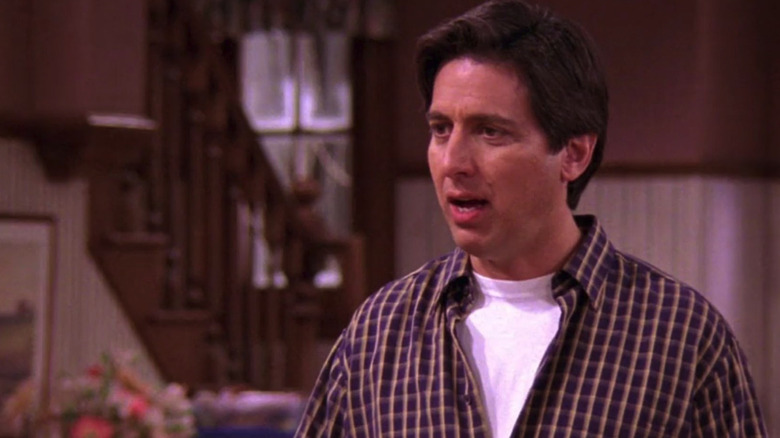
Here's the gist of "The Faux Pas": On its own, it's a funny, Ray-centric episode that confirms all his weird quirks, insecurities, and occasional juvenile behavior. We get a rundown of his worst mannerisms after he makes a comment that ruffles some feathers. It's funny.
The issue is that by Season 9, the show has explored all this old material countless times. When "Everybody Loves Raymond" was really cooking early on, every episode seemed to present a unique character trait or flaw and then dissect it with absolute precision. Eventually, all good things must come to an end, and it's clear that the writers are struggling to cover new ground.
Again, there's nothing wrong with "The Faux Pas," but if you're rewatching, you can easily zip past this episode without missing anything you don't already know. Somehow, the talented "Everybody Loves Raymond" cast makes it all work, but after nearly 200 episodes, you'd think our characters would have made some steps toward improvement.
Tasteless Frank - Season 9, Episode 12
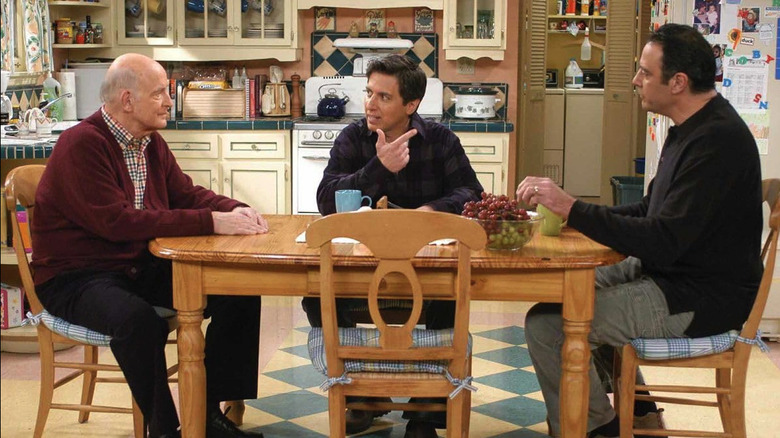
"Tasteless Frank" works as a standalone entry, giving us a Frank-centric episode with a fun little twist: The medicine he's been taking prevents him from tasting food, thus robbing him of his one true joy.
Like much of Seasons 8 and 9, "Tasteless Frank" gets close to producing fascinating material. Since we're only four episodes from the series finale, this was a chance to discuss how many of our beloved characters were growing older. Something poignant, coated in the series' trademark humor.
Instead, the writers come up with a few funny set pieces but refuse to let go of the well-established formula. And since we only have four episodes to go, this smacks of a missed opportunity and an unusual waste of time.
But that's sort of the problem with the later "Everybody Loves Raymond" seasons. They come across as echoes of the show at its peak. Sure, they're funny, and it's always a blast to hang with the Barones, but it's clear everyone was ready to move on. We just wish the episodes leading to that terrific finale had hit a little harder.