

5 NBC Sitcoms That Helped Define '80s Television
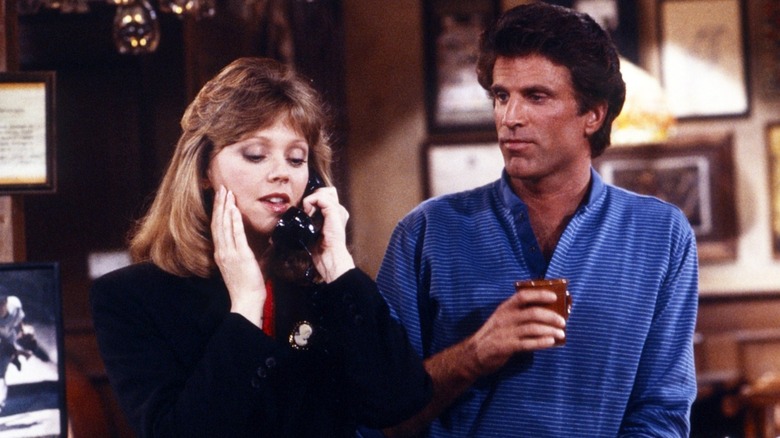
The 1980s were a pivotal decade for not just TV, but for NBC specifically. At the start of the decade, the network had been trailing behind its major rivals, CBS and ABC. In the 1980-1981 season, NBC managed to get only one series ranked in the top ten rated shows of the season — "Little House on the Prairie" in the number ten slot — while CBS had seven top-ranked shows and ABC ranked two. By the 1985-1986 season, however, NBC ran five of the top ten highest-rated shows, and it continued dominating in the ratings for the rest of the decade.
By the '90s, the network was running circles around ABC and CBS, to the point where it became difficult to remember a time when they weren't the ratings champ. Much of NBC's '80s success came down to its sitcoms. The network greenlit a series of bold, innovative shows that challenged a lot of conceptions about what a sitcom could even be. Some of the best shows from later decades can trace their roots to the five NBC sitcoms on this list.
The Cosby Show (1984-1992)
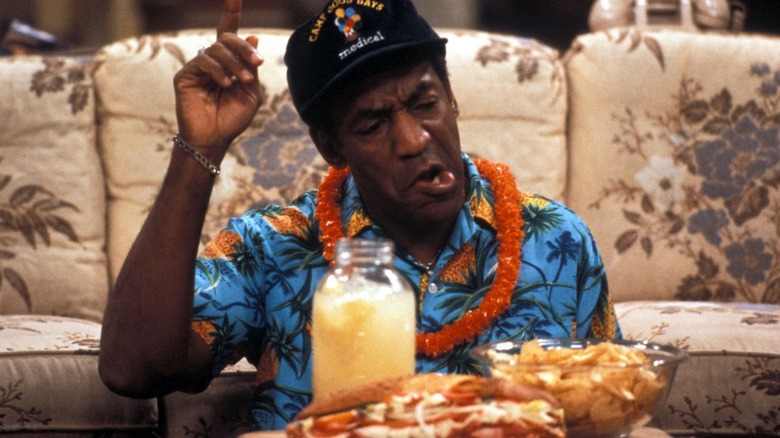
Bill Cosby's many crimes make the series extremely difficult to go back to these days (understandably so), but "The Cosby Show" was a groundbreaking sitcom in the 1980s. The series helped prove that stories about Black characters could not just find mainstream success, but become some of the biggest shows on television.
"The Cosby Show" was a hit from day one and had an approach that other networks would take notes on. It took the wholesome well-off white family unit of shows like "Leave it to Beaver" and based it around a less "conventional" type of family instead. The series still embraced conservative family values (a reversal of the more subversive trends that defined '70s sitcoms), but did so with a much more diverse cast than the shows that defined the '60s.
"The Cosby Show" presented its cast as classy, well-adjusted, and successful. This led to some criticisms that the family wasn't "black enough," reported the Philadelphia Inquirer in 1985, but the idea that being happy and successful is antithetical to being Black proves exactly why the sitcom was so important in the first place.
Night Court (1984-1992)
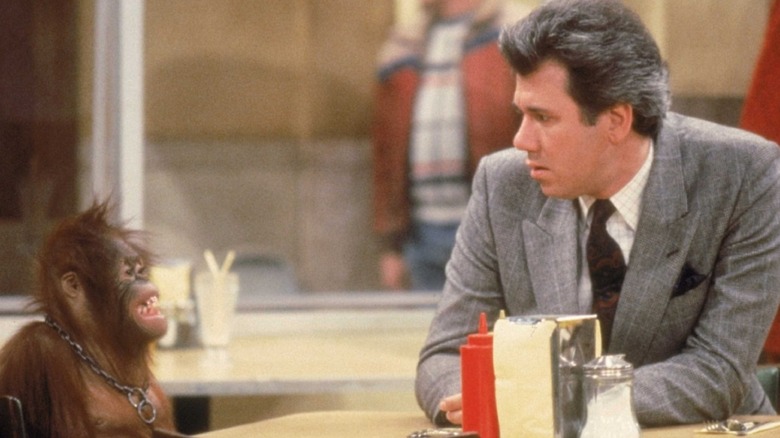
"Night Court" continued the "Cheers" tradition of the work-based sitcom, this time focusing on the night shift at Manhattan courtroom with an optimistic judge and a smarmy, aggressive prosecutor. Whereas "Cheers" was smart and dialogue-focused, "Night Court" was broad and absurd with its gags. The former proved that work-centric sitcoms could be classy; "Night Court" proved they could be ridiculous and still command strong viewership.
The show's influence can be seen with "It's Garry Shandling's Show," a meta-absurdist comedy that premiered in 1986 and shared "Night Court's" willingness to thumb its nose at sitcom conventions. You can also see its influence in "Sledge Hammer!" This sitcom, beloved by Clint Eastwood, was a late-'80s procedural cop comedy that featured a lot of the same character archetypes from "Night Court."
This show was never as critically acclaimed as the other entries on this list, but it did stick around for a long time in the public consciousness. There's a reason, after all, why the recent "Night Court" revival series lasted three seasons despite being nowhere as good as the original.
Family Ties (1982-1989)
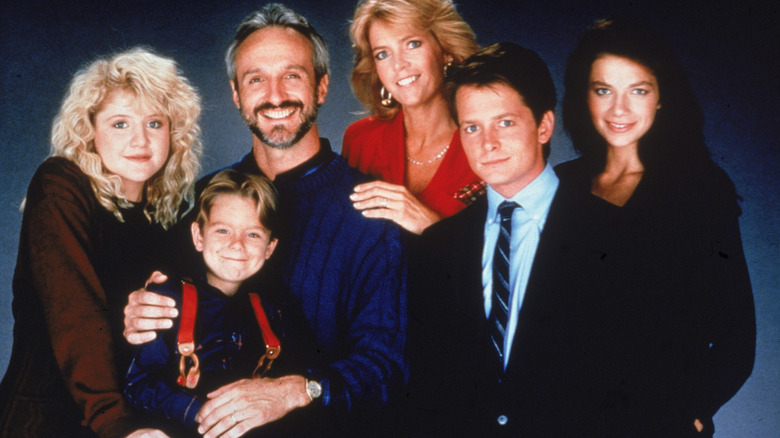
This 1982 series served as a fun spin on the '70s sitcom "All in the Family." Instead of conservative parents feuding with their liberal kids, "Family Ties" focused on ex-hippie liberal parents clashing with their Reaganite son, Alex (Michael J. Fox). The sitcom exemplified the general return to "family values" of '80s television, trading away the countercultural tone of the '70s and embracing the new political landscape.
Its impact on the wider culture could be seen most clearly with the popularity of Alex, the series' most conservative character. In a 1989 New York Times article declaring the sitcom one of the most influential shows of the decade, Alex was described as "greed with the face of an angel." Showrunner Gary David Goldberg may not have intended it this way, but "Family Ties" was one of many '80s shows to help make materialism look cool.
The Golden Girls (1985-1992)
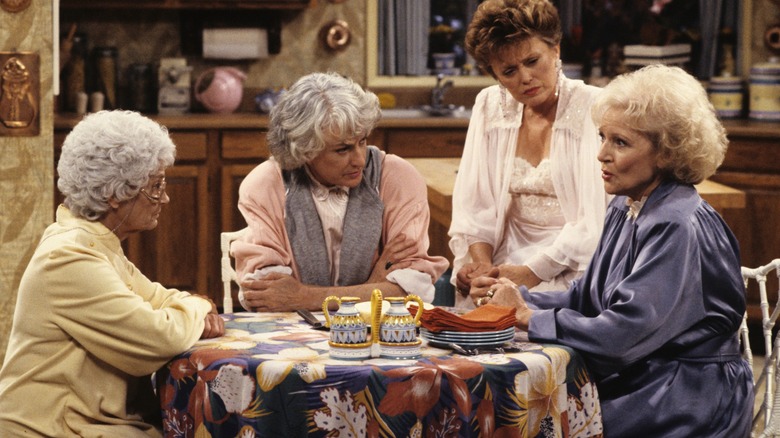
Like with "The Cosby Show," this Miami-based sitcom helped prove that sitcoms could still be successful even without a traditional white male lead. All four of the show's leads were women, but that didn't stop it from being an instant ratings hit.
The more subtly influential part of "The Golden Girls," however, is its ensemble format. Storylines were split evenly among the main cast, making a sharp contrast to other popular sitcoms where there was one clear protagonist in the spotlight. The success of "The Golden Girls" would pave the way for "Designing Women" a year later, another series that tackled social issues starring an ensemble cast of four women.
"The Golden Girls" was hardly the first-ever ensemble sitcom, but it did help the format grow more popular. Come the '90s, sitcoms like "Seinfeld" would split storylines fairly evenly among the cast (especially after Jason Alexander complained about being left out of an episode) and the main characters on "Friends" had their screentime balanced. Sitcoms with one strong lead would still exist, of course, but this '80s series helped prove there was another way to do things.
Cheers (1982-1993)
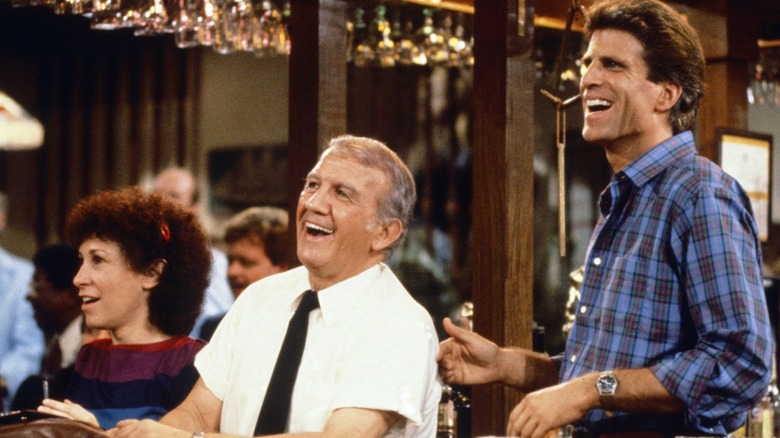
"We want[ed] to be in the sophisticated-adult-comedy business," recalled Michael Zinberg, a development executive at NBC, in a 2012 "Cheers" retrospective for GQ. "Cheers" was particularly well-known for its patient, sharp writing. "They had written this smart, intellectual story," recalled one of the show's directors, Will Burrows. "I'd never seen anything like that on TV before—just guys sitting around, talking."
Sam (Ted Danson) and Diane's (Shelley Long) relationship is a slow-burn storyline told patiently over the course of more than 100 episodes. TV shows of all genres have been trying to capture their magic ever since. "It was a sweeping narrative," said "Cheers" writer/producer Sam Simon. He explained that, because of the success of the "Cheers" writers' long-term thinking, "Producers [nowadays] sit down with the network at the beginning of the year and talk about the arc of the show."
"Cheers" was one of the smartest-written shows of its time, and it set every episode entirely inside a cozy Boston bar without ever feeling cramped. It was not the first sitcom to feature a will-they/won't-they romance between its male and female leads, but it was the first one to pull it off so smoothly.