

All 6 Seasons Of HBO's Girls, Ranked
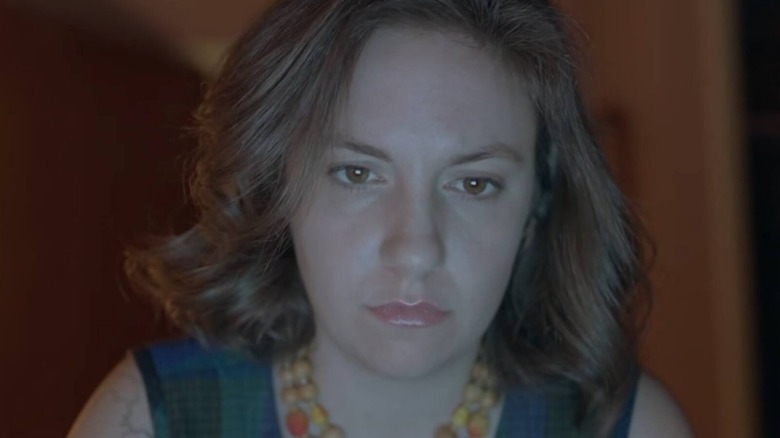
You simply cannot talk about excellent HBO shows, millennial entertainment culture, or truly noteworthy coming-of-age stories without talking about Lena Dunham's "Girls." The series, which premiered on the cable network in 2012, left an indelible mark on pop culture. While it has seen its fair share of controversy, there's no denying the show's massive impact in television. Needless to say, it only felt right to rank all six seasons of the generational series.
Every season of "Girls" is extremely solid, so admittedly we've given ourselves one difficult task. Each season has its highs and its lows — as well as so many memorable characters, which we ranked from least to most annoying — so there are justifications for each season as to why it would deserve any particular slot. Across the series, each season maintains a sense of crushing, fleeting, and sometimes euphoric realism. Sometimes that feels really bad, as it should in the context of the show's narrative, and sometimes it feels incredible — and while that feeling might dictate how some audience members feel about the seasons, there's a really strong sense of character growth in the show's most difficult moments that can't be ignored.
That being said, we did our best in representing both the best and the not-as-great moments that make each season worthwhile — though some seasons are more rewarding than others. See how we ranked each season of HBO's "Girls" before the show returns next year.
6. Season 4
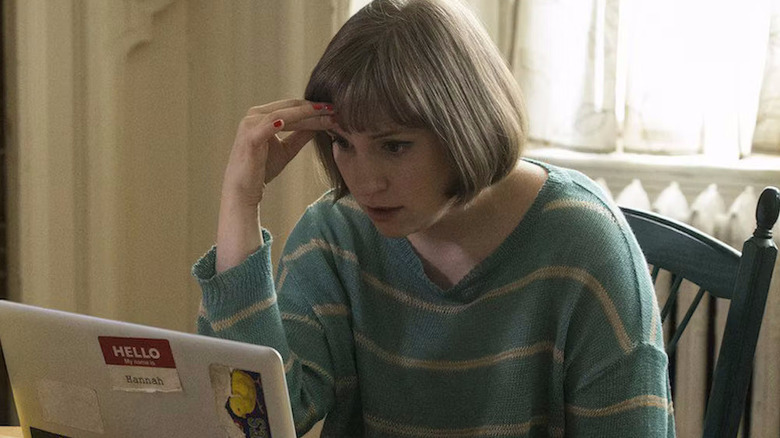
We did say that every season of "Girls" is good — but frankly, Season 4 is the most annoying and boring of the seasons, simply because the time lead character Hannah Horvath (Lena Dunham) spends at the Iowa Writers Workshop starts as promising and becomes too grating to be effective. This is the season where Hannah gets accepted into the prestigious writing program, which bolsters her confidence and starts eroding her relationship with her boyfriend, Adam (Adam Driver).
Her experience in the program might be one of the only times the show doesn't entirely hit the nail on the head, though some of its satire does ring very true to the perception of writers. The crafting of Hannah's Iowa trajectory doesn't ruin the message it intends to send about what she discovers about writing in her time there, but the writing and performances err a smidge too far into the realm of camp and parody to hit the introspective heights the season strives for.
Hannah's isolation from her network in New York — Adam and her friend group — is a crucial step in her character development, especially when you consider that it's one of the first times she has the space to consider life on her own terms without the input of her circle. It's an important moment in her arc that carries her through the rest of the season, and we wouldn't have it without the choice to go down the Iowa narrative road.
5. Season 2
To be clear: Season 2 of "Girls" totally rocks. It's undoubtedly a ton of fun, and it capitalizes on the fun the show established in Season 1 as much as its controversies. But it's coming in low on this list because it doesn't make strides to push the characters to actually start changing just yet. Between Hannah's whimsical cocaine stint and her questionable hookup with Jessa's (Jemima Kirke) stepbrother, for example, this is the season that feels like your friends making the same mistakes once again — and in real life, that can get old. So, your mileage may vary. If you enjoy the fun version of the show, it's all heavy hitters. If you like when the show challenges itself to look in the mirror, it might be too much of a Season 1 rehash to you.
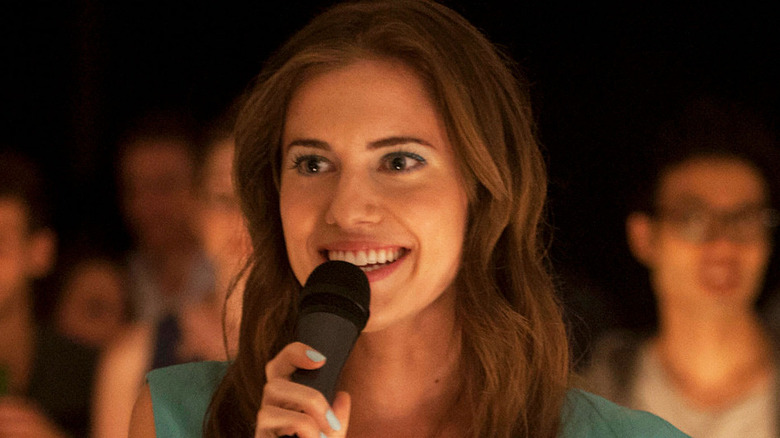
Still, there are many strong moments throughout Season 2 that can't be denied. Hannah goes through the rough onset of her previously dormant OCD, while Adam attempts to make sense of a life without her. That leads to the particularly biting and sharp episode "On All Fours," an easy season (and series) highlight for giving us so many memorable moments, both for their comedy and their sobering realism. Those moments include Marnie (Allison Williams) singing a harrowingly embarrassing rendition of Kanye West's "Stronger" at a party honoring her ex Charlie (Christopher Abbott) and Adam's intense sexual encounter with new girlfriend Natalia (Shiri Appleby) that reminds him how well-matched he was with Hannah.
If you or anyone you know has been a victim of sexual assault, help is available. Visit the Rape, Abuse & Incest National Network website or contact RAINN's National Helpline at 1-800-656-HOPE (4673).
4. Season 6
The last season of "Girls" had a lot riding on whatever direction it decided to take. The audience was invested in how these stories would conclude — and as far as last seasons go, it's much quieter and more contemplative than the seasons that came before it.
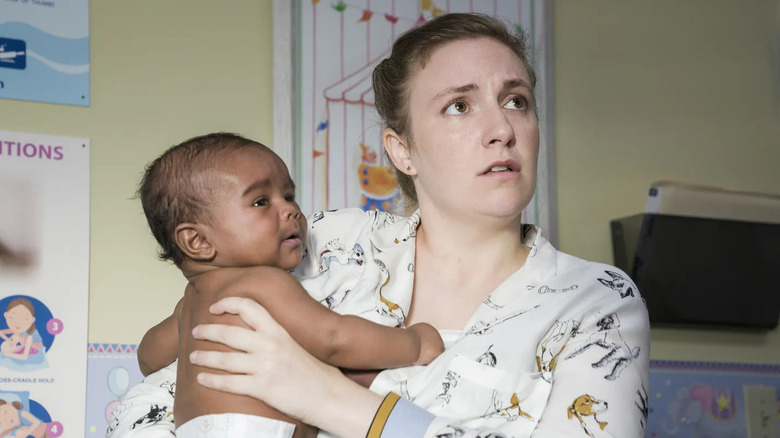
While that can feel, at times, at odds with the show's wacky spirit, it's not exactly bad to give Hannah the space to explore the loneliness of motherhood (both as a single mother and in general) and what it means to exist outside of the relationships that gave her an identity. It's a strong foundation for the show's final episode, which sees Hannah grappling with a problem only she can fix: The fact that her newborn baby won't latch and breastfeed.
The episode is a major triumph for the series, its closing moments imbued with a beautiful sense of catharsis that feels like the exhale of a breath held since Hannah's first iconic monologue of the series. The longing to belong to something, anything, worthwhile feels sated in this episode, and Hannah feels, in those final moments, like she has found the unnamed thing she spent so much time searching for in so many things and so many people. The lead-up to that revelatory ending may feel a tad too slow for some viewers, but in the stillness of these episodes, a new woman is born — and we're here to watch these characters grow, aren't we?
3. Season 3
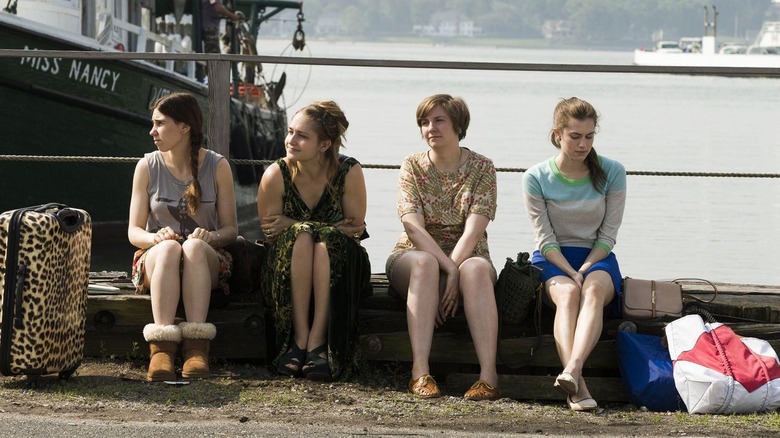
Though Hannah's OCD starts rearing its ugly head in Season 2, things start getting really tough in Season 3. As a result, there are some introspective moments throughout. Season 3 stands out because it's when the girls have to start thinking about their futures in a way that feels more foreign, grown up, and downright scary than ever before, especially when the majority of their world was warehouse parties and careless freedom up until this point.
The standout highlights of this intrepid tonal shift lie mostly within two key episodes. First, the episode "Beach House," where the girls take an ultimately terrible trip together and end up admitting their many grievances with each other, which, in turn, reveals the fractures in their longstanding connections. Second, the episode "Flo," where Hannah's mother (Becky Ann Baker) warns her against the frustrating life of being married to an "odd man" (of course meaning Adam).
The cracks of Hannah and Adam's relationship really start to show this season. He gets frustrated with her as his acting career develops, and a big part of her decision to go to Iowa stems from the tension building with him. Amid all the funny and ridiculous things that happen — Marnie's embarrassing old music video leaking, Hannah's inability to deal with the death of her novel, or, more importantly, her editor's untimely demise — there's a real sense of change in the air this season, and like real change, it is both difficult and refreshing.
2. Season 5
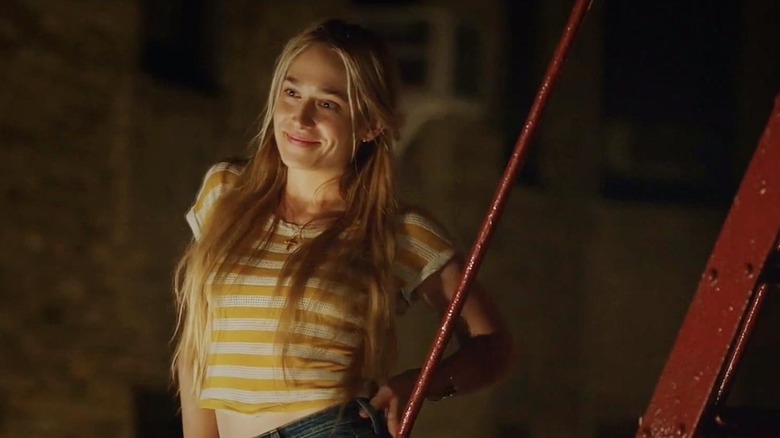
The penultimate season of "Girls" gets to the heart of what everyone wanted from the show's first steps into the sun: Character growth. While we were living vicariously through the girls, we were also wishing they would get it together already — in various different ways — for their own sakes. This season shows us just that. Season 5 is gutting and true, but, crucially, the show has the gall (complimentary) to give us character growth in painful ways that serve the story best.
The romantic development between Jessa and Adam is a perfect example. Though it would be unfair to say every viewer was opposed to this move, it was hard to stomach one girl giving up her loyalty to her friend after trying so hard not to. There's a reason it's not exactly most women's default move to date their friend's ex. But this fragile betrayal is actually the doorway that opens to not only the show's third act, but the rest of everyone's lives.
These difficult moments for Hannah, Jessa, Adam, and the rest are crucial to the DNA of "Girls," and its show-long transition from blissful fun to sobering realism lies in these uncomfortable and aching sequences of realization and slow heartbreak (particularly when Hannah realizes Jessa and Adam are an item, it still stings). Marnie and Charlie's storyline in "The Panic in Central Park" is another example, panning out just as tragically, but faster and with an added layer of hope building up its beginnings.
1. Season 1
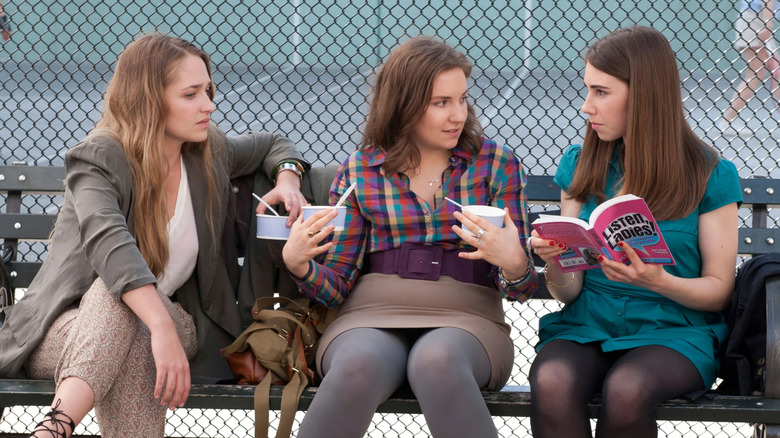
The first season of "Girls" exemplifies exactly what the show wanted to be when it started, in the way that you pick your first day of school outfit to make an impression with your peers. Each episode was a handbook for audiences on what to expect from the core quad, and primed them for the kind of debauchery and poignant self-reflection that would become synonymous with the series. That duality was a major strength from the early moments of "Girls," and its lighthearted and zany hilarity gave way to truly weighted and powerful moments throughout. "All adventurous women do," right?
With that iconic Season 1 moment in mind, it's important to note the inaugural season's commitment in establishing the show's carefree and playful spirit, as well as its distinctly NYC transplant millennial worldview essential to making the whole concept work. You could have a show about twentysomethings coming into their own anywhere. We do, and they don't always work — but this one did because of its commitment to identity, which starts in Season 1.
Many saw "Girls" exclusively through the Season 1 lens for a long time, both helping and hurting the series at moments over time — but over the last handful of years, the tide has swung back around on the show being a real achievement and one of the best HBO shows of the 2010s. This first season is the bedrock of that success, and feels like one of the best first seasons of modern comedic television.