

15 Best TV Shows Of The 2010s, Ranked
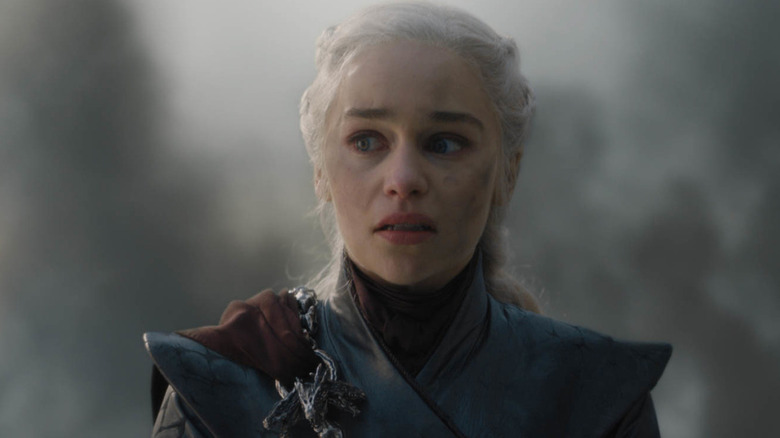
The 2010s was the peak of the Golden Age of Television, that moment when the small screen surpassed the big one as the home for complex storytelling. Thanks to the boon of cable and streaming, television became a hub of creativity, daring to explore narratives and themes that were previously unthinkable. What made the 2010s such a great time was the competition for eyeballs, as creatives upped the ante to win over audiences.
Here are the 15 best TV shows of the 2010s, ranked. In assembling this list, we tried to focus on shows that aired the majority of their episodes between 2010 to 2019, even if they began prior to the decade or ended a few years after. When making the rankings, we looked at how consistent a show's quality remained season after season, as well as how big of a cultural impact it had after leaving the airwaves. Whether comedies, dramas, or limited series, these shows represent the very best of prestige TV.
15. The Good Place (2016-2020)
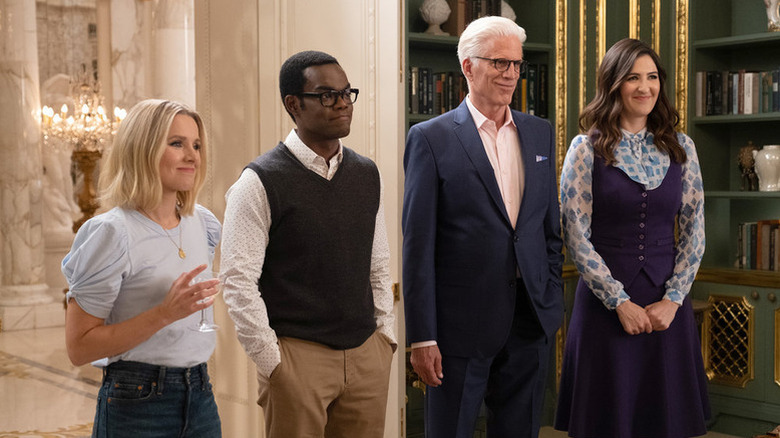
For sheer creativity of concept, "The Good Place" deserves placement on this list. Created by Michael Schur, it follows recently deceased Eleanor Shellstrop (Kristen Bell) as she navigates an afterlife that's anything but heavenly. Rather than employ the usual imagery of pearly gates or rivers of fire, Schur imagines Heaven (or, more precisely, Hell) as a suburban paradise with an endless supply of frozen yogurt, created by demonic afterlife architect Michael (Ted Danson, in one of his five best TV shows).
"The Good Place" ran for just four seasons on NBC, spanning 53 episodes from 2016 to 2020. Throughout that brief period, Schur used his high concept reimagining of the afterlife as a means to explore what defines a good person from a bad one. While trying to earn their way into the Good Place, Eleanor and her fellow Bad Place occupants attempt to become more ethical people, eventually realizing that all of our mistakes, foibles, and imperfections are parts of what makes us human. All we can do is try to be better, and have a few laughs in the meantime.
14. Community (2009-2015)
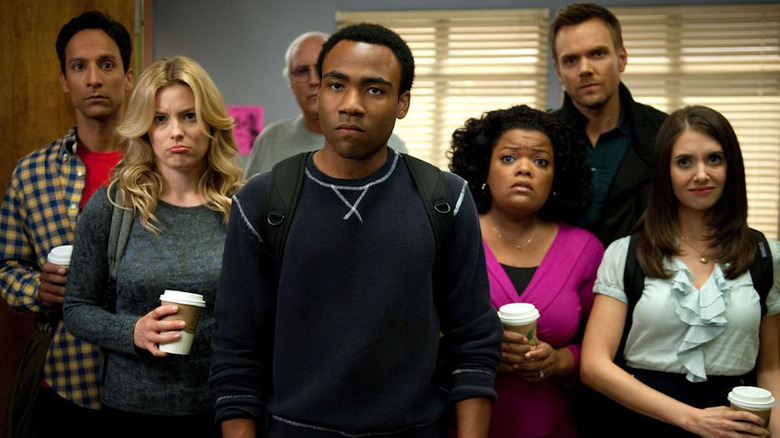
Every great TV comedy is defined by its ensemble, and "Community" pulled together one of the best television casts of the 21st century. Joel McHale is front and center as Jeff Winger, a disbarred attorney who enrolls at a community college to obtain a legitimate degree. Instantly attracted to his classmate, Britta (Gillian Jacobs), Jeff joins her study group, and gains community with a ragtag group of misfits whose relationships grow outside the campus grounds.
Premiering in 2009 and ending in 2015, "Community" was the brainchild of Dan Harmon, and each episode employs the signature Story Circle structure he would later use in "Rick and Morty." Strict plot framework aside, "Community" is also distinguished by its meta humor, with Harmon poking fun at several tropes and cliches that have persisted throughout TV history. Many episodes are standalone masterpieces of creativity, constructed on high concepts that satirize everything from paintball to "Pulp Fiction." Yet, even while taking narrative flights of fancy, the show is always about the bond that formed between its oddball assortment of colorful characters.
13. Game of Thrones (2011-2019)
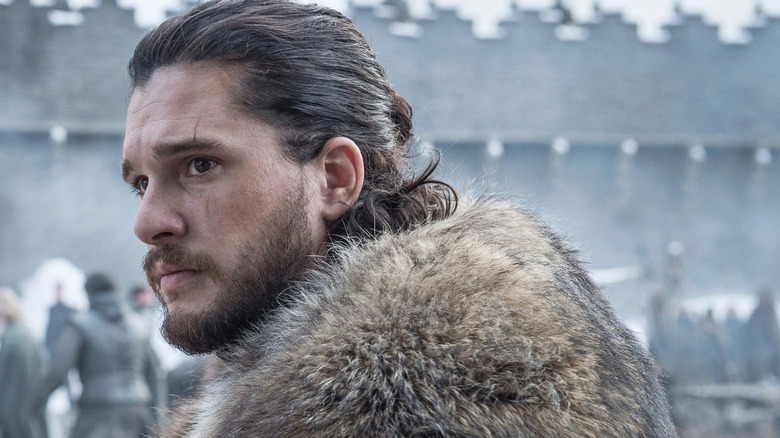
Were it not for the divisive final season, "Game of Thrones" may very well have placed higher on this ranking. Beginning its run in 2011 and ending in 2019, the small-screen adaptation of George R.R. Martin's fantasy book series dominated TV throughout the 2010s, winning 59 Emmy awards and breaking Guinness World Records for TV simulcast audiences. That it was also thrilling entertainment when it was at its best was the cherry on top.
Set in the fictional land of Westeros, "Games of Thrones" tells several intertwining stories about the fight for control of the Iron Throne of the Seven Kingdoms. Adapted for television by David Benioff and D. B. Weiss, the show employs a vast ensemble of characters, none of whom are safe from death despite their popularity (unless you're Jon Snow, of course). Among the standouts are Peter Dinklage, who won four Emmys for playing the cunning and crafty Tyrion Lannister. Mounted on an impressive scale, "Game of Thrones" features dazzling production design and eye-popping special effects, with fire-breathing dragons soaring through the skies. The show spawned a pair of prequel series, "House of the Dragon" and "A Knight of the Seven Kingdoms."
12. Justified (2010-2015)
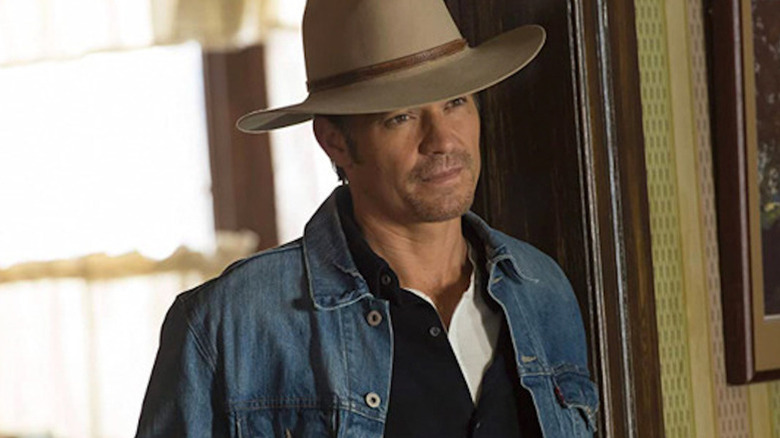
Crime author Elmore Leonard enjoyed a renewed interest in his work in the '90s, as Hollywood adapted some of his books into hit movies. That continued into the 2010s, when screenwriter Graham Yost brought the author's Raylan Givens novels to the small screen. A modern-day Western set in the Deep South, "Justified" centers on Deputy U.S. Marshal Raylan Givens (Timothy Olyphant), who gets reassigned to his Kentucky hometown after shooting a mob fugitive. Back home in Harlan County, Givens finds himself ensnared in a criminal underworld in need of a little law and order.
Like the best Elmore Leonard adaptations, "Justified" reinvigorated the crime genre with its crackerjack dialogue and eccentric cast of characters, especially Walton Goggins as criminal bigwig Boyd Crowder. It also shares a lot of DNA with the author's Western novels like "3:10 to Yuma" (which was itself adapted multiple times), updating the cowboys and outlaws tropes for the present day. Airing for six seasons from 2010 to 2015, the show returned in 2023 with the limited series "Justified: City Primeval," adapted from a Raylan Givens-less Leonard novel.
11. Atlanta (2016-2022)
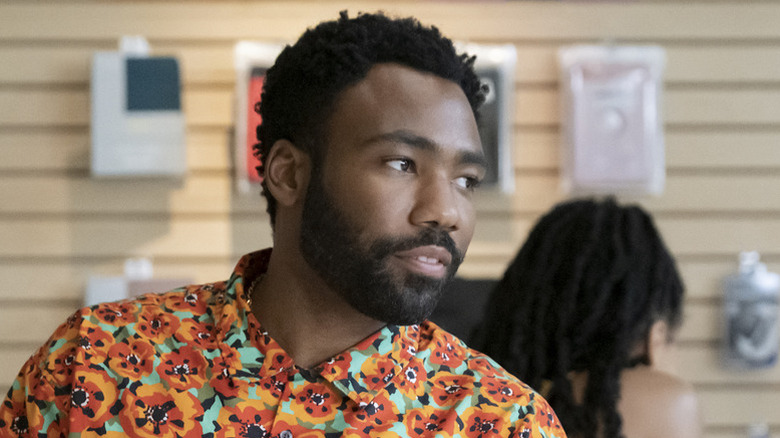
From the moment it premiered in 2016 to when its final episode aired in 2022, Donald Glover's "Atlanta" remained defiantly difficult to characterize. On the surface, it follows Earnest "Earn" Marks (Glover) as he attempts to manage the rap career of his cousin, Alfred "Paper Boi" Miles (Brian Tyree Henry), with the help of his girlfriend, Van (Zazie Beetz), and their eccentric friend, Darius (LaKeith Stanfield). Yet, that's just the setup for a truly eccentric and surreal exploration of Black life, one that is at times funny, bizarre, and poignant.
The first two seasons of "Atlanta," which premiered in 2016 and 2018, are wellsprings of creativity, with episodes that function as standalone adventures apart from the overarching narrative (anyone who has seen "Teddy Perkins" won't soon forget it). After a four-year gap, the show returned in 2022 for two final seasons that are somehow even more unconventional than the previous two, transplanting the characters to Europe for Season 3 and returning them to Atlanta for Season 4. Widely acclaimed as one of the best TV shows of the 21st century, "Atlanta" defied expectations until the end.
10. Fleabag (2016-2019)
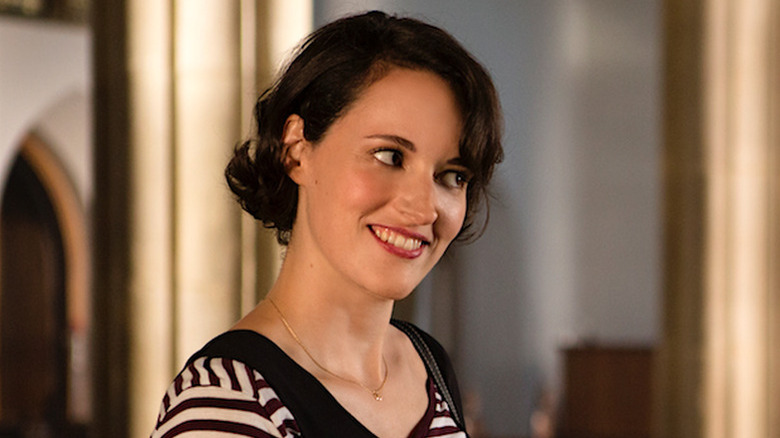
"Fleabag" only aired for two seasons between 2016 and 2019, but that was more than enough to establish itself as one of the great TV shows of the 2010s. Adapted from Phoebe Waller-Bridge's one-woman show of the same name, it centers on the misadventures of a free-spirited Englishwoman who disrupts the lives of everyone around her, including her long-suffering sister, Claire (Sian Clifford). As Fleabag, Waller-Bridge frequently breaks the fourth wall, allowing the audience to share in her anger, debauchery, and anxiety.
The first season of "Fleabag" is a funny and bracing character study about a young woman navigating the trauma of causing her best friend to die by suicide after sleeping with her boyfriend. But that was just a warm-up for the triumph of Season 2, which came alive with the arrival of a new romantic interest, Hot Priest (Andrew Scott). Season 2 takes the poignant tragi-comedy of Season 1 to a whole new level, exploring the devastating effects of Fleabag's self-absorption with cunning wit and surprising sincerity. Season 2 won big at the 2019 Emmys, taking home six prizes, including outstanding comedy series, outstanding lead actress in a comedy series, and outstanding writing for a comedy series.
9. Parks and Recreation (2009-2015)
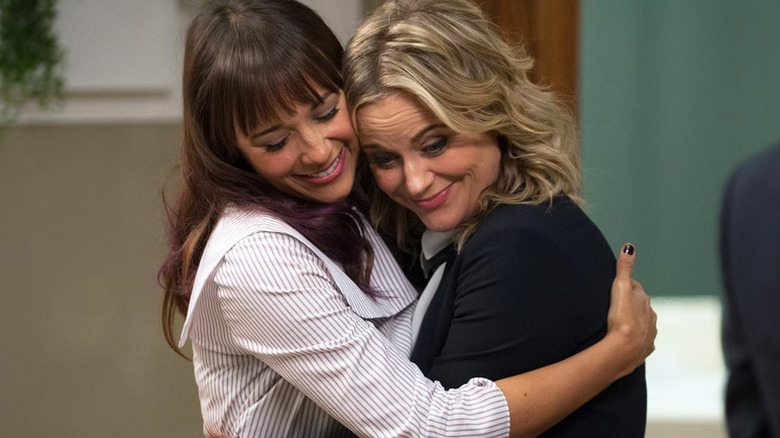
Although it got off to a bumpy start, "Parks and Recreation" quickly found its footing, turning out to be one of the great network TV comedies of the decade. The brainchild of Greg Daniels and Michael Schur, the show follows the adventures of small-town bureaucrat Leslie Knope (Amy Poehler), who takes great pride as deputy director of the parks and recreation department in Pawnee, Indiana. A sort of Midwestern Hillary Clinton clone, Leslie's can-do attitude inspires everyone around her, even the department's anti-government libertarian director, Ron Swanson (Nick Offerman).
The first season of "Parks and Recreation" feels too close to another Daniels show, "The Office," with its mockumentary approach and workplace comedy antics. Yet, by Season 2, "Parks and Rec" was already distinguishing itself, and found its voice by making Leslie less of a dimwitted Michael Scott clone and more of a well-meaning go-getter. The show, which aired from 2009 to 2015, really hit its stride with the introduction of Ben Wyatt (Adam Scott), a shy government official who becomes a love interest for Knope, turning "Parks and Rec" into a sparkling workplace romance.
8. The Americans (2013-2018)
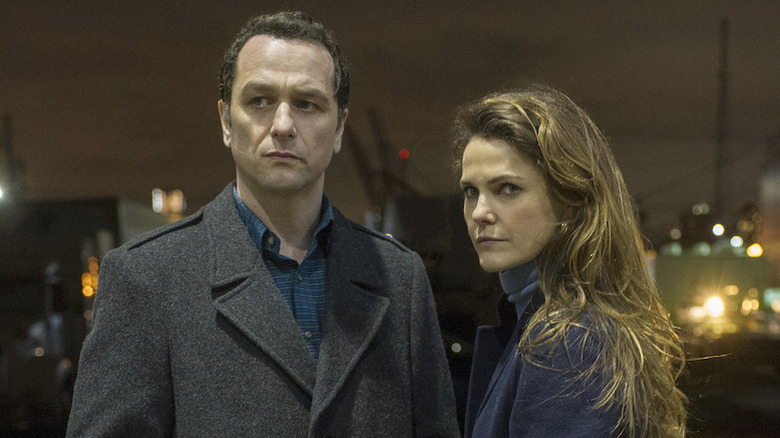
From its first episode in 2013 to its thrilling finale in 2018, "The Americans" never lost steam as it turned up the heat on the Cold War. The show follows Soviet KGB agents Philip and Elizabeth Jennings (Matthew Rhys and Keri Russell, who married in real life after playing a TV couple), who set up residence in a Washington, D.C., suburb. While Elizabeth is devoted to the Soviet cause, Philip has his misgivings, which become amplified when he befriends his neighbor, FBI agent Stan Beeman (Noah Emmerich).
Created by former CIA officer Joe Weisberg, "The Americans" is super-intelligent about the business of counterintelligence. Set in the 1980s, the show explores the final years of the Cold War with all of the excitement and intrigue of a great espionage thriller. It's also a brilliant and incisive domestic drama, as the ideological differences between the two superpowers play out in the day-to-day difficulties of staying married and raising kids. Much like "The Sopranos" does with the mob, "The Americans" uses the KGB as a backdrop for stories that are more relatable than you'd imagine.
7. BoJack Horseman (2014-2020)
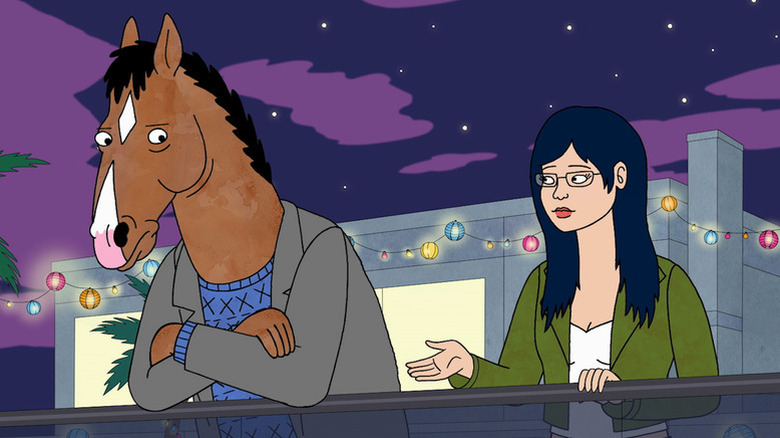
The best original animated series Netflix ever produced, "BoJack Horseman" turned out to be a surprisingly insightful drama despite its high comedic concept. Created by Raphael Bob-Waksberg, it takes place in an alternate reality in which anthropomorphic animals star in sitcoms alongside humans. After headlining the '90s TV hit "Horsin' Around," BoJack Horseman (voiced by Will Arnett) is now a washed-up alcoholic wiling the days away in his Hollywood Hills mansion. Hoping to regain relevance, he hires Diane Nguyen (Alison Brie) to ghostwrite his memoirs, which opens the floodgates for a long history of trauma to come pouring back in.
Airing for six seasons between 2014 and 2020, "BoJack Horseman" draws comparisons to "The Simpsons" for dealing with adult subject matter in the animated format. As the series progressed, it grew darker and more introspective, touching on issues of addiction, self-destruction, and even suicide. Yet, it never lost the darkly comedic edge of its early seasons, and only became more touching and poignant as it went on. At once a bracing Hollywood satire and a deeply funny story of redemption, "BoJack Horseman" redefined what an animated sitcom could be.
6. Better Call Saul (2015-2022)
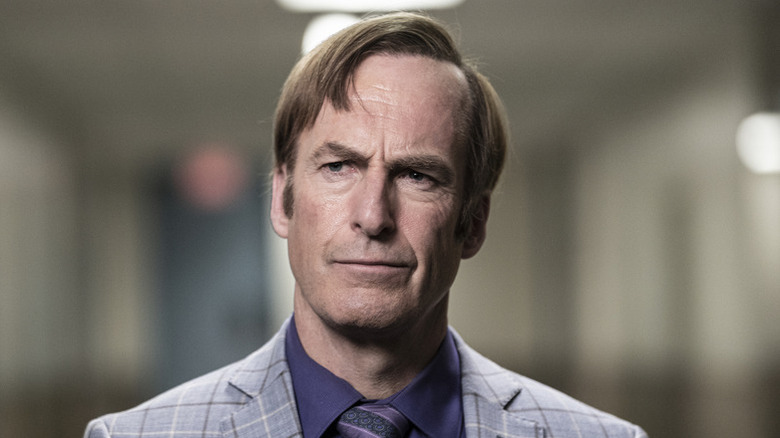
Creating a spin-off to "Breaking Bad" was always a perilous endeavor, considering how monumentally popular and acclaimed that series was. Yet, Vince Gilligan and Peter Gould pulled off the unthinkable with "Better Call Saul," which has been hailed as one of the best TV spin-offs of all time. Set both before and after the events of "Breaking Bad," it follows the transformation of aspiring lawyer Jimmy McGill (Bob Odenkirk) into "criminal" (in both senses of the word) attorney Saul Goodman. As Jimmy becomes ensnared in New Mexico's illegal drug trade, he loses more than just his name.
Much like "Breaking Bad," "Better Call Saul" examines what happens when a good man becomes corrupted by money, power, and influence. Although Jimmy/Saul's rise and fall is already a foregone conclusion, Gilligan and Gould somehow manage to make that metamorphosis feel surprising and tragic. Yet, "Better Call Saul" also offers a chance at redemption, as seen in the black-and-white flash-forwards that find Jimmy hiding out as a Cinnabon manager. The show is a worthy successor to "Breaking Bad," if not downright superior to it.
5. Veep (2012-2019)
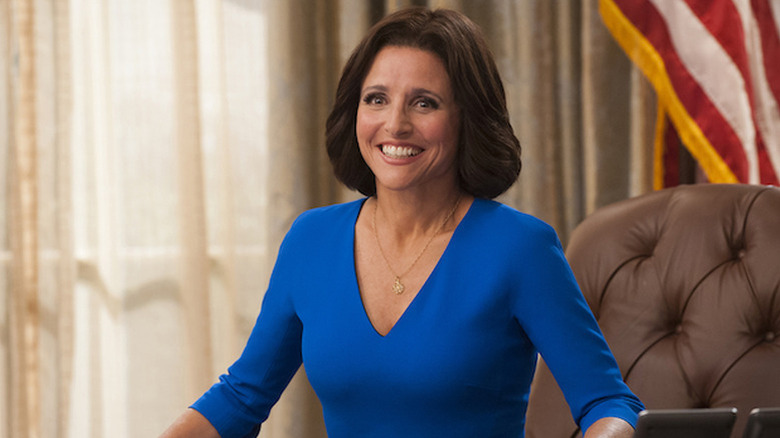
In terms of sheer laughs per minute, "Veep" stands atop every other comedy series from the 2010s. An American adaptation of Armando Iannucci's British satire "The Thick of It," the show centers on U.S. Vice President Selina Meyer (Julia Louis-Dreyfus), whose tenure within the White House is anything but easy. Working with her long-suffering staff, Selina rises to the office of the presidency, only to lose her first actual election due to a technicality and try to claw her way back into power.
Premiering in 2012 and ending in 2020, "Veep" lasted long enough to see America's real-life politics become more absurd than anything Iannucci could've dreamed up. With its razor-sharp wit and acidic tongue, the show never tries to replicate the real-life circus of the Trump era, choosing instead to stay true to the deeply flawed politician at its center. Yet, even today, our politics continue to feel like an episode of "Veep," with Kamala Harris' 2024 presidential run seeming oddly reminiscent of Selina's. The show earned critical raves and Emmys throughout its seven seasons, including six consecutive outstanding lead actress in a comedy series wins for Louis-Dreyfus.
4. Twin Peaks: The Return (2017)
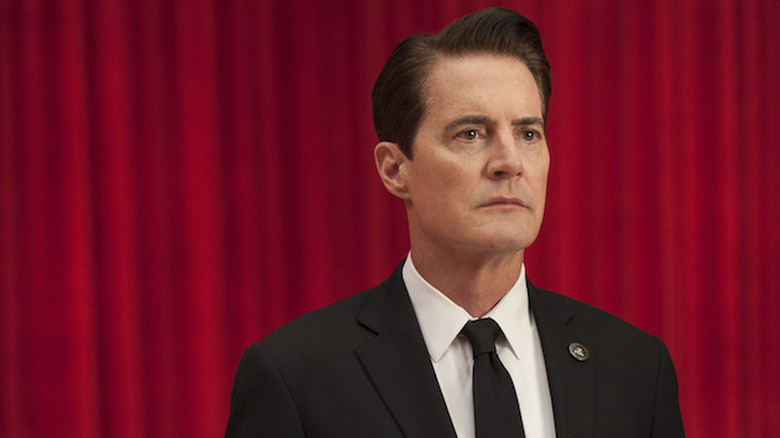
When "Twin Peaks" left the airwaves in 1991 after just two seasons, it left many questions unanswered, including the fate of FBI Special Agent Dale Cooper (Kyle MacLachlan). In 2017, David Lynch and Mark Frost came roaring back with the limited series "Twin Peaks: The Return," which left even more questions unanswered. After disappearing into the Black Lodge at the end of Season 2, Agent Cooper finally manages to escape, popping up in the person of Dougie Jones. Still haunted by the murder of prom queen Laura Palmer (Sheryl Lee), Cooper seeks to do nothing less than bring her back from the dead, disrupting the balance of space, time, and fate.
For years, the ending of "Twin Peaks" and its 1992 prequel film, "Twin Peaks: Fire Walk With Me," was deemed a letdown from the triumph of Season 1. With "Twin Peaks: The Return," Lynch and Frost managed to redeem the legacy of both the series and the film, even as they continued toying with audience expectations. More than anything, they created a suspenseful, complex, and unsettling meditation on life, death, and identity.
3. Breaking Bad (2008-2013)
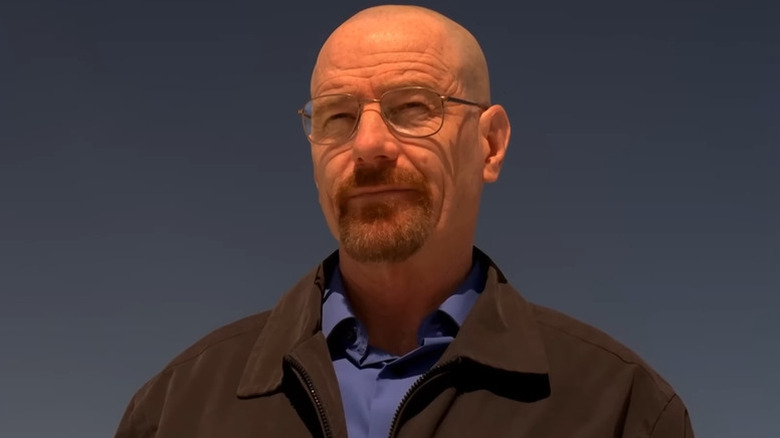
When it premiered in 2008, "Breaking Bad" was a word-of-mouth critical darling. By the time it ended in 2013, it was a full-on phenomenon, with "Breaking Bad" fever so intense it spawned a prequel spin-off series ("Better Call Saul") and a sequel film ("El Camino"). It's understandable why the Vince Gilligan-created show found such a massive audience, as the story of chemistry teacher Walter White's (Bryan Cranston) transformation into New Mexico's biggest meth dealer was nothing short of addictive (bad pun intended).
Throughout its five seasons, "Breaking Bad" creates a world full of rich characters, each of whom evolve in ways that are surprising and unexpected. That is especially true of Walter White, who gets into the meth-making business in order to pay for his expensive cancer treatments, only to have it expose ugly truths about his nature that were hidden beneath his nerdy scientist exterior. Cranston, who up to then was best known as the bumbling dad on "Malcolm in the Middle," showed off a more terrifying side to the TV patriarch, and was rewarded with four Emmys for outstanding lead actor in a drama series.
2. The Leftovers (2014-2017)
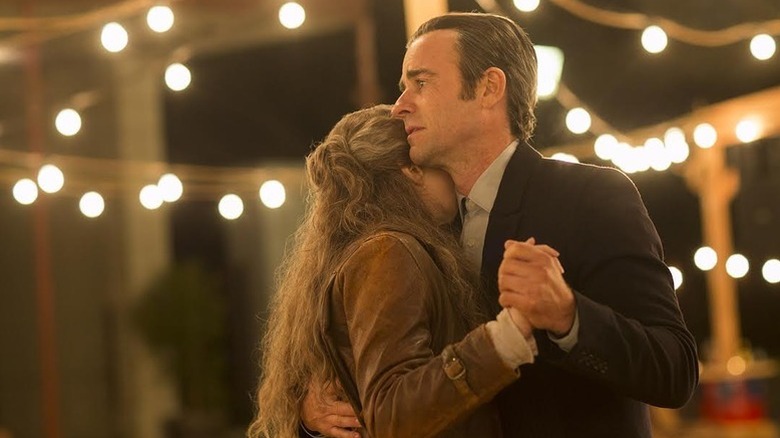
With just 28 episodes spanning three seasons, "The Leftovers" managed to assert itself as one of the best TV shows of the 21 century. Adapted for television by Damon Lindelof and Tom Perrotta from Perrotta's novel, the show takes place three years after 140 million people disappear during an event known as the Sudden Departure. Those left behind try to adjust to the new normal, with a number of religious cults cropping up as a result of the sudden rapture.
It's hard to watch "The Leftovers" today without thinking of the COVID-19 pandemic, yet that just speaks to how prescient Lindelof and Perrotta were. Unlike Lindelof's "Lost," "The Leftovers" never attempts to explain its central mystery. That's because no answer would prove satisfactory, as it wouldn't bring back those we lost. Rather than unfolding as a puzzle, the show is more interested in exploring our responses to grief, which plays out most beautifully in the relationship between police chief Kevin Garvey (Justin Theroux) and Nora Durst (Carrie Coon), who lost her entire family. As the series finale makes clear, when our lives have been shattered, we have no choice but to keep living.
1. Mad Men (2007-2015)
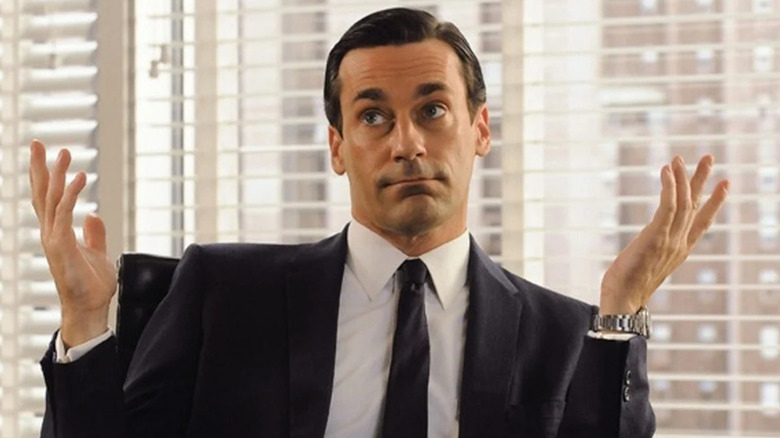
What more can really be said about "Mad Men" that hasn't been said already? The peak of prestige TV, Matthew Weiner's examination of Madison Avenue ad men functions almost like the great American novel, set against the backdrop of the most tumultuous era in our country's history. In the center of it all is Don Draper (Jon Hamm), senior advertising executive at Sterling Cooper, who spends the 1960s wrestling with his identity while coming up with ad campaigns for a rapidly changing clientele.
When it premiered in 2007, "Mad Men" felt like the spiritual successor to "The Sopranos," which similarly examined the failure of the American dream through the eyes of a deeply damaged man. By the time it aired its final episode in 2015, the show had racked up four Emmys for outstanding drama series and firmly asserted itself as the great television show of its time. What made the series so singular wasn't just its rich cast of characters, sharp writing, and precise attention to period detail. Rather, what made "Mad Men" so special was how it used all of this to comment not just on the America of the past, but the America of the present.