

10 Most Disappointing Netflix Series Cancellations, Ranked
Nobody cancels a show quite like Netflix. Especially during the streamer's ascendancy in the mid- to late 2010s, fans and commentators alike would talk about its programming decisions as if it were the first ever to axe a beloved show. Of course, this wasn't true — but we understand why it felt that way.
Hidden viewership data, confusing public messaging (oh, the many reversed renewals), and a sea of largely interchangeable "content" essentially made it so that, gradually, it was near-impossible to predict (or understand with hindsight) these decisions outside one's personalized content algorithm. Sometimes, a show would only seem popular to you because everyone on your feed was talking about it. It's hardly surprising that, in this context, cancellations felt more personal too.
Regardless of whether the shows below were secretly ratings disasters, budget drags, or some combination of the two, their premature endings sparked extraordinary backlash from fans. Viewers signed petitions and paid for billboards in Times Square just for one extra hour of these mostly forgotten series. Worst of all, because many of the shows' writers embraced that old TV hack of ending a season on a cliffhanger to stir interest in a renewal, some of these incredible shows are only debatably worth watching given that they end in the middle of their stories.
10. Inside Job (2021–2022)
TOTAL RUN: 1 season, 18 episodes
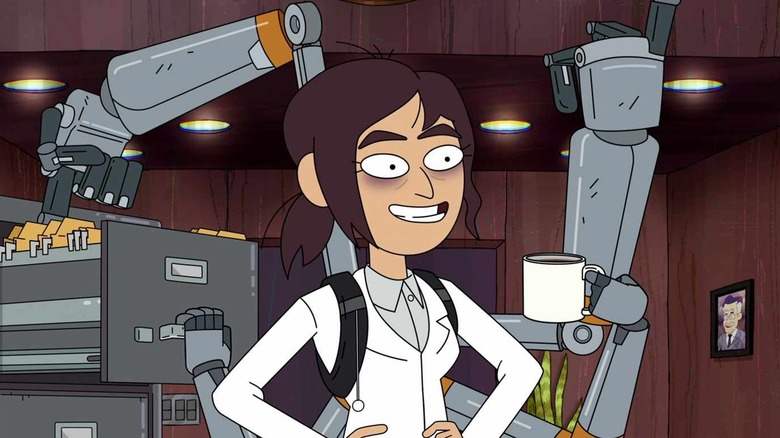
"Inside Job" is but one of a disappointing number of Netflix series canceled after already receiving a public renewal order. Created by Shion Takeuchi and executive produced by Alex Hirsch ("Gravity Falls"), this adult animated conspiracy comedy imagines a secret, high-tech, paranormal-adjacent bureaucracy responsible for keeping the world in order. Lizzy Caplan and Clark Duke voice the leading characters, with Christian Slater supporting. It was part of the early wave of Netflix adult animated series, which also included "Q-Force" and "The Midnight Gospel" — neither of which made it past one season.
"Inside Job" met the same fate, despite being greenlit for Season 2 roughly seven months before its cancellation. That winter 2022–2023 period also saw Netflix axe "Warrior Nun," Mike Flanagan's "The Midnight Club," and the "Dark" successor "1899," all of which had solid fanbases behind them. Official explanations were not provided, though staff writer Chase Mitchell (who actually broke the news in a series of deleted tweets, via PopCulture) accused Netflix of not caring about animated series. Takeuchi was only slightly more diplomatic in her official statement, openly stating that the story deserved more time.
What makes the cancellation of "Inside Job" especially disappointing is how aggressively its plot was developing. It ended on a status-quo-changing cliffhanger that made it credible as a spiritual successor to "Rick and Morty," at least in terms of its willingness to tell serialized stories within an adult animated comedy.
9. I Am Not Okay with This (2020)
TOTAL RUN: 1 season, 7 episodes
Those who dismissed "I Am Not Okay with This" as a "Carrie" ripoff weren't watching closely enough. The 2020 series (adapted from the graphic novel by Charles Forsman, the writer of "The End of the F***ing World") shares plenty in common with Stephen King's novel and appears to be explicitly inspired by how it connects dangerous supernatural powers to the promise, anxiety, and evolving self-concept of growing up.
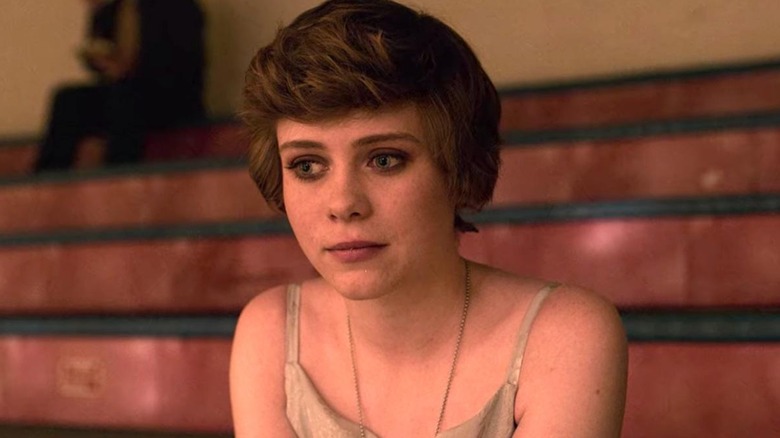
The difference is in the time, tone, and scope. "I Am Not Okay with This" is set in the modern day, allowing it to openly explore themes of contemporary bullying and sexual identity. It treats its protagonist (Syd Novak, played by "It" breakout Sophia Lillis) as a deconstruction of superhero mythology, rather than a pure, tragic horror movie villain. Most importantly (and painfully), its "derivative" ending (surely an intentional homage to "Carrie") provides a clear point of divergence between the two stories, with the Netflix series expanding its world for Season 2. Overall, this is basically the blueprint Amazon used to turn the Prime Video "Carrie" series into a success.
Though the show was renewed, showrunners Jonathan Entwistle (director of Netflix's "The End of the F***ing World" adaptation) and Christy Hall told Business Insider they weren't entirely confident their show would survive an already turbulent period at Netflix leading up to the pandemic. When the cancellation came through later in 2020, it was attributed to COVID constraints and other budget/performance concerns.
8. Santa Clarita Diet (2017–2019)
TOTAL RUN: 3 seasons, 30 episodes
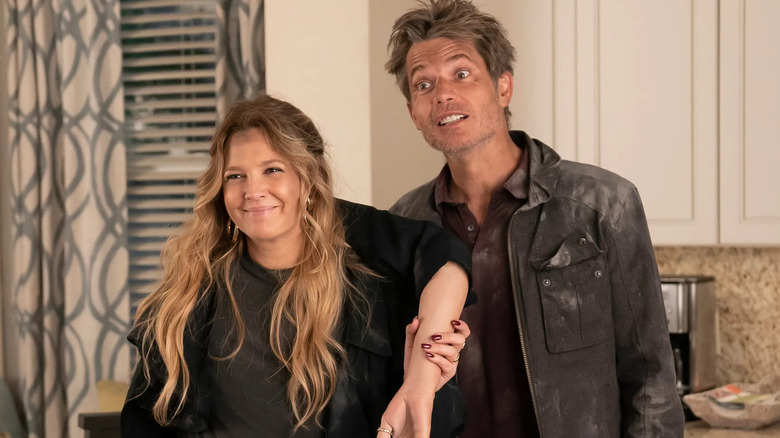
"Santa Clarita Diet" is a bizarre series — simultaneously capable of being sweet enough to eat and stomach-churningly grotesque. The horror satire from Victor Fresco (creator of the gravely underrated "Better Off Ted") stars Drew Barrymore and Timothy Olyphant as sunny, suburban real estate agents whose idealistic life is turned upside down when one of them becomes undead. The quality of the storytelling improved every season, while returning audiences were able to get more comfortable with its wacky, almost whimsically upsetting vibe.
Despite Season 3 ending on a major cliffhanger twist, nobody was certain Netflix would let them pay it off. Olyphant joked in an interview with TVLine about the streamer's habit of canceling programs (there had been five cancellations that year already, including "One Day at a Time" and "The Punisher"). "Santa Clarita Diet" was canceled about a week later. Fresco and Netflix were mutually effusive in their praise of one another, with the showrunner jokingly describing them as "one phone call away from being a perfect studio." It was widely speculated at the time that the decision came down to mounting budget concerns, with the cost of retaining the cast and crew getting exponentially higher every season. Fresco teased (via NME) that Season 4 would've seen a major change for Olyphant's Joel, which in turn likely would've explained such overarching mysteries as the origins of the disgusting "Mr. Ball-Legs."
7. Anne with an E (2017–2019)
TOTAL RUN: 3 seasons, 27 episodes
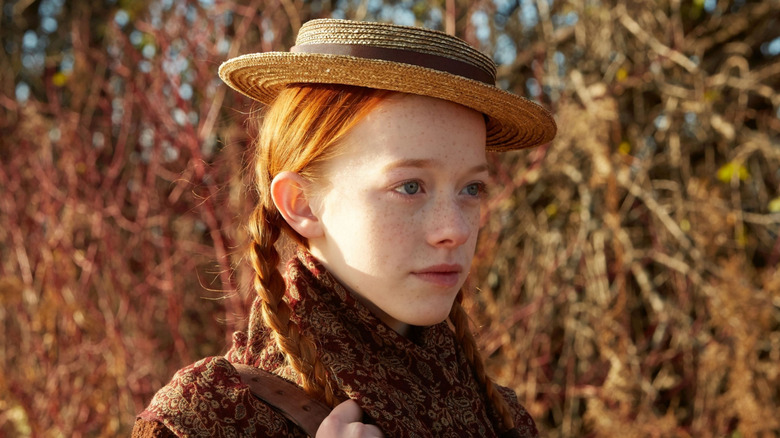
"Anne with an E" is quietly one of the more polarizing shows on the list, at least among fans of its source material. Lucy Maud Montgomery's "Anne of Green Gables" has been adapted several times for the screen since 1919, each project achieving varying levels of fidelity. Creator-showrunner Moira Walley-Beckett (the Emmy Award-winning "Breaking Bad" writer who penned the peerless "Ozymandias") took great liberties with the story, tone, and themes, making it somewhat unrecognizable for purists and wholly refreshing for those among the audience who'd sat through previous, overly reverent transpositions. There are certainly growing pains in Season 2 as it tries to step further outside the book's shadow, but the third season found a balance that could've carried the series forward.
A day after the Season 3 finale aired on CBC (before the entire season would drop on Netflix weeks later), Walley-Beckett personally announced the show had been canceled. Fans online were outraged, not only mobilizing the usual hashtag campaigns you'll see after such news, but attempting to grab headlines by starting a petition (which gained over 1.8 million signatories) to save the show. In the real world, $8,000 was raised to put up a billboard in Times Square. Outcry apparently reached such a pitch that Walley-Beckett had to essentially reassure fans that every avenue to revive or shop the show had already been exhausted. Today, it is still regarded as one of the streamer's best book-to-screen efforts yet.
6. The Residence (2025)
TOTAL RUN: 1 season, 8 episodes
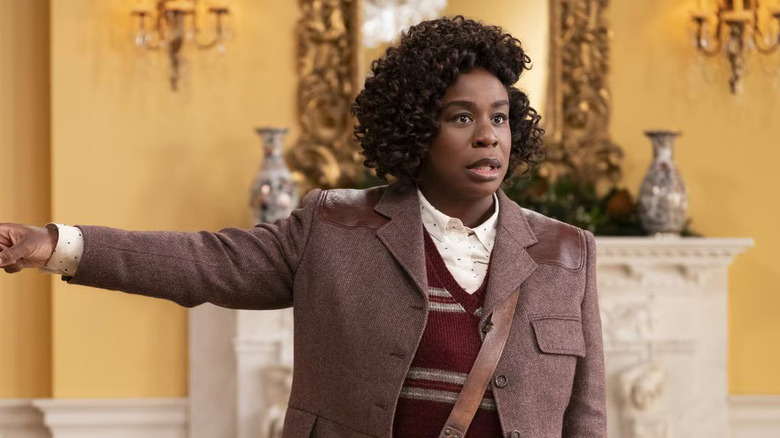
"The Residence" is, somewhat unfortunately, evidence of why anthology-adjacent series are probably the only ones safe to invest oneself in. At the very least, when they're canceled after a single season, you get a complete story with closure. Created by "Scandal" writer-producer Paul William Davies and produced by Shonda Rhimes' Shondaland, the series stars Uzo Aduba (Emmy-nominated for this role) as a detective solving a crime that takes place within the White House. It takes itself way less seriously than its setting and creative team might suggest, striking a tone suspiciously close to that of the Knives Out films.
Given how many TV favorites they packed into this one-off story, it's hard to imagine they didn't envision a formula similar to Rian Johnson's star-studded murder mysteries — or that the seasons wouldn't be similarly pricey to produce. Reports also cited production design and VFX as among the costliest elements. It certainly didn't help matters that Season 1 was unexpectedly expensive and complicated to shoot, owing to a production shutdown caused by the 2023 WGA and SAG-AFTRA strikes and, subsequently, the need to recast the late Andre Braugher, who died later that same year. Giancarlo Esposito was hired to reshoot his scenes and finish the shoot.
It's hard to see any of the seams in the final product. It's a slick, amusing whodunit beautifully carried by Aduba. Two weeks before she was nominated for an Emmy Award, "The Residence" series was canceled.
5. Luke Cage (2016–2018)
TOTAL RUN: 2 seasons, 26 episodes
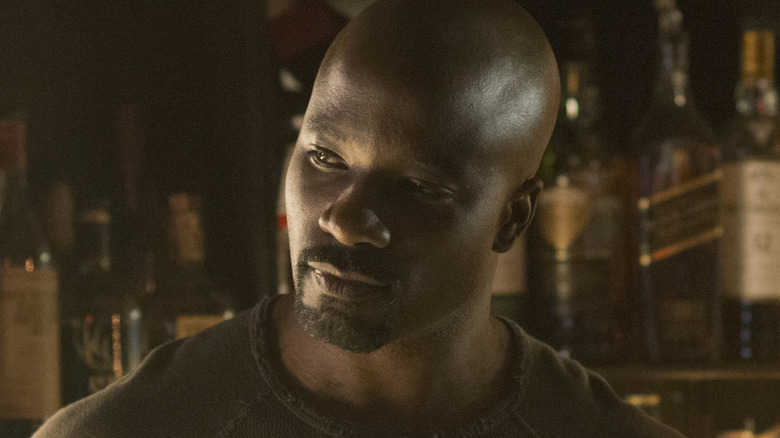
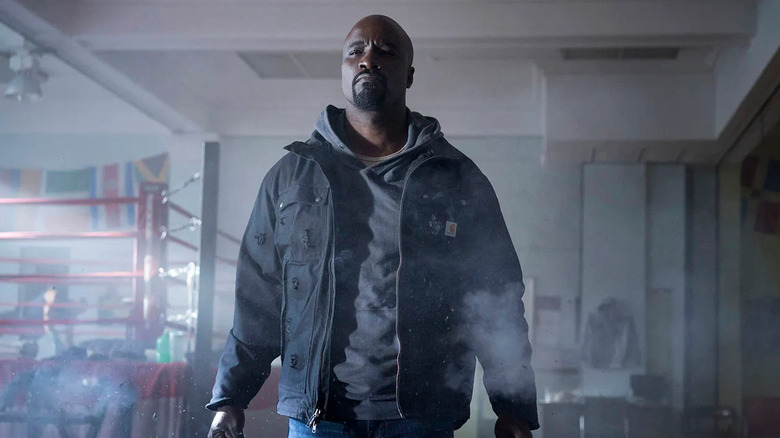
It always felt like the only thing holding "Luke Cage" back was that it was a Marvel show. This pretty much proved to be true both stylistically and logistically. As part of their quartet of dramas building up to "The Defenders," Marvel Television and Netflix produced a street-level crime drama imagining what would happen if Superman were dropped into "The Wire." The most interesting parts of the series were never its superpowered showdowns or connections to the broader Marvel Cinematic Universe, but rather the relationships, performances, and thematic complexity throughout. As much as you were able to empathize with Vincent D'Onofrio's Wilson Fisk, "Luke Cage" was more successful in exploring why crime exists and what it costs both victims and perpetrators.
By 2018, the entire "Defenders" project had yielded mixed results — there was certainly nothing compelling enough to steer Disney away from pursuing its own streaming universe on its imminent in-house platform. While we don't know the full story of what happened, it's likely this factor played an awkward role in the reported creative and contractual disagreements that took place behind the scenes. Creator Cheo Hodari Coker later told TV Guide that these disagreements were between Marvel and Netflix, as he had been happily working with both entities to develop a third season for several months prior to the cancellation. Series star Mike Colter has since reprised his role in "Daredevil: Born Again," though hope of a proper end to this story seems small.
4. Sense8 (2015–2018)
TOTAL RUN: 2 seasons, 22 episodes, 2 specials
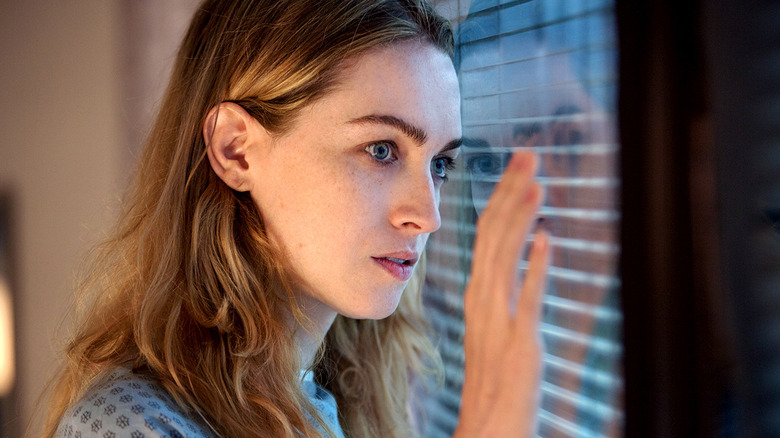
It makes sense that if you combine the minds behind "The Matrix" and "Babylon 5," you get something as strange, confounding, earnest, and hauntingly philosophical as "Sense8." Long before "Pluribus" aired on Apple TV, Lilly and Lana Wachowski and J. Michael Straczynski created a series that explores what it would be like for multiple people to, in effect, live a single, shared life. The expected garden paths threatened the series early on, tempting it to get lost in convoluted sci-fi tropes — it shines when it uses its admittedly questionable premise to celebrate the beauty of a life that transcends self-interest.
Not for nothing, it was also a quiet but important landmark in queer television, both in front of and behind the camera. This made it all the more painful when Netflix chose to announce its cancellation on the first day of Pride Month. In fairness, "Sense8" was apparently a beast to produce — its immersive, multinational storytelling was accomplished by shooting on location in over a dozen different countries. Season 2 also took almost two years to finish, which put Netflix in an impossible contractual situation with actors whose options had all expired before the streamer could decide whether or not to pick up the show for a third outing. A petition with over 500,000 signatures convinced it to green-light a two-hour series finale special — a fine gesture that was more focused on fan service than catharsis.
3. GLOW (2017–2019)
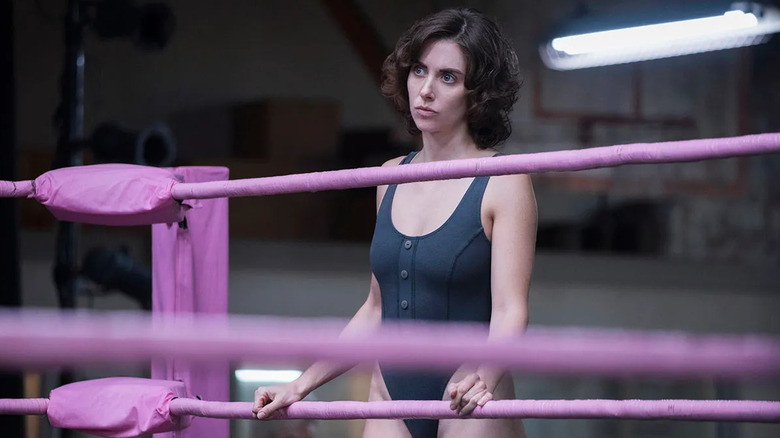
TOTAL RUN: 3 seasons, 30 episodes
Liz Flahive and Carly Mensch's "GLOW" is pure dynamite, mashing up the best parts of the sports drama and entertainment satire subgenres to create something novel and arresting. "Community" alum Alison Brie led a bulletproof ensemble cast that included Betty Gilpin and Marc Maron. Despite strong reviews and serious institutional recognition, it was put in Netflix's Season 3 stranglehold.
The most heartbreaking thing about "GLOW" is that, of all the "renewed-psych-canceled" shows on this list, it had a real shot at making a final season happen. It was a legitimate critical hit, earning 18 Emmy nominations across its run, including outstanding comedy series. Betty Gilpin was nominated three time for outstanding supporting actress. For streaming-wars-era Netflix, Emmy viability was a real selling point. (Not incidentally, the show was executive produced by Jenji Kohan of "Orange Is the New Black," the first Netflix series to break into the comedy series categories at the Emmys.)
Then, COVID happened. They stopped shooting Season 4 of "GLOW" in March 2020 and never got the chance to start again. Setting aside the fact that Los Angeles was, tragically and ironically, one of the hardest places to shoot during the pandemic, the series regularly required the actors to be physically up against and/or on top of one another. It was one of the most COVID-unfriendly projects to have on deck during this time. By October, Netflix decided it wasn't worth the cost of production upkeep and chose to tap out.
2. The OA (2016–2019)
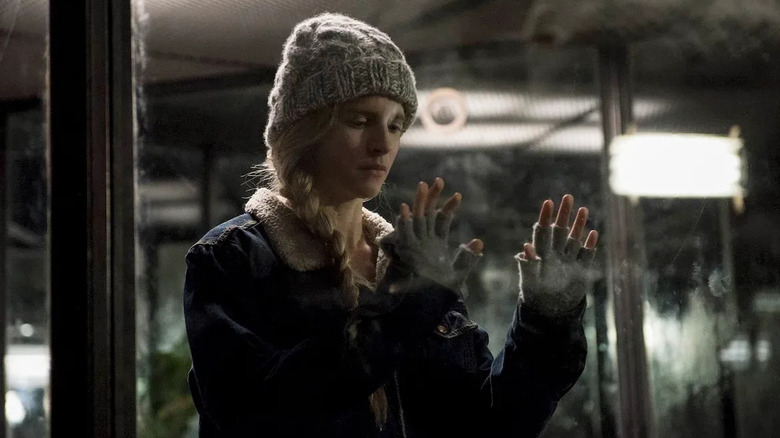
TOTAL RUN: 2 seasons, 16 episodes
Given that it was released between "Stranger Things" and "Dark," it's hard not to feel like "The OA" got squeezed out by the competition. Brit Marling and Zal Batmanglij's alternate-reality thriller was quietly one of the most ambitious projects Netflix took a gamble on, scratching the same itch as "Twin Peaks." It's the kind of show that has deceptively unflattering clips floating around because you have to be fully immersed in its strange and sincere story to understand why, for example, they would choose to solve that particularly disturbing conflict with a contemporary dance routine. "The OA" was one of one — and, after taking a massive meta swing at the end of Season 2, it was canceled.
Netflix exec Cindy Holland (who later went on to head Paramount+ up until the Warner Bros. merger) announced the cancellation roughly a year after publicly gushing about its five-season story map. Fans were predictably outraged — and, funnily enough, adopted the same "Anne with an E" strategy of launching petitions and raising money for billboards. The difference? "The OA" was actually offered a series finale to wrap up the cliffhanger, a la "Sense8." Feeling that it wasn't enough runway to do the story justice, the creators opted to let the mystery go. Marling and her co-star Jason Isaacs were both pessimistic about what the show's cancellation said about the state of the business side of the entertainment industry, the former arguing (with hindsight) that it was a bad omen for the streaming age.
1. Mindhunter (2017–2019)
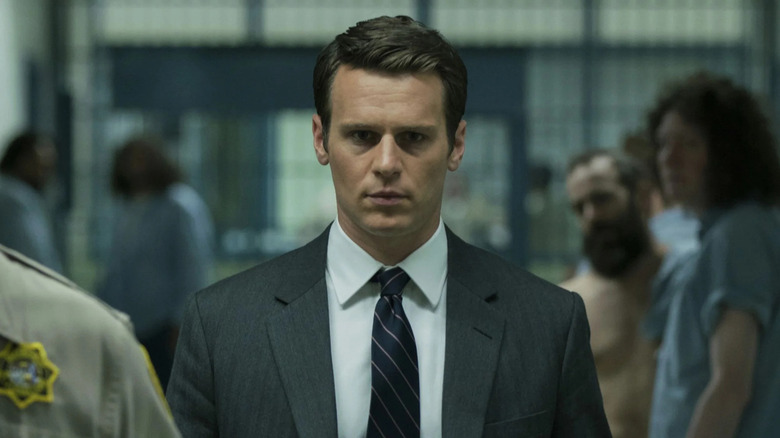
TOTAL RUN: 2 seasons, 19 episodes
"Mindhunter" is one of the most disappointing canceled TV shows of all time, period. It was a masterpiece, especially considering that it was produced toward the end of the true-crime gold rush on television. Every other series was mining for pure shock and dread — "Mindhunter" found that in rich amounts, while still telling a mature, thematically deep story that's psychologically closer to "True Detective" than Ryan Murphy's salacious "Monster" anthology. It's a show about what gets lost in a person when they try to understand someone who apparently defies all understanding and fight for justice in a world that defies that too.
The show was critically acclaimed and buoyed by the looming presence of David Fincher, who served as both executive producer and director. Though the slow, piecemeal cancellation of "Mindhunter" made understanding the circumstances surrounding its end somewhat confusing, it seemed that both Fincher and Netflix were interested in producing a third season, but just couldn't agree on the cost. Given that they already had a deal in place for future projects (from "Mank" to "The Further Mis-Adventures of Cliff Booth"), both parties were also likely interested in moving on quickly and amicably if a deal couldn't be struck. Though there are reportedly ideas about continuing the story in a series of films, these past several years of such "maybes" have made us sadly skeptical it'll ever get the ending it deserved.