

5 TV Dramas That Had A Supporting Character Who Became The Focus Of The Show
In a drama series, the protagonist's conflicts, growth or lack thereof, and emotional turmoil are what keep viewers coming back for more. However, there are sometimes supporting characters that just win the hearts and minds of the audience and become more of a focus as the series goes on. In certain cases, these characters can be so interesting that they usurp control of the story away from the original lead.
Sitcoms where supporting characters become main characters are one thing, but a change like this in a drama can have much bigger ramifications due to the genre's more serious nature and higher narrative stakes. This kind of unexpected evolution of a side character's importance can completely change a show's trajectory. Here are five drama series with side characters who went on to become central characters.
Steve Harrington in Stranger Things
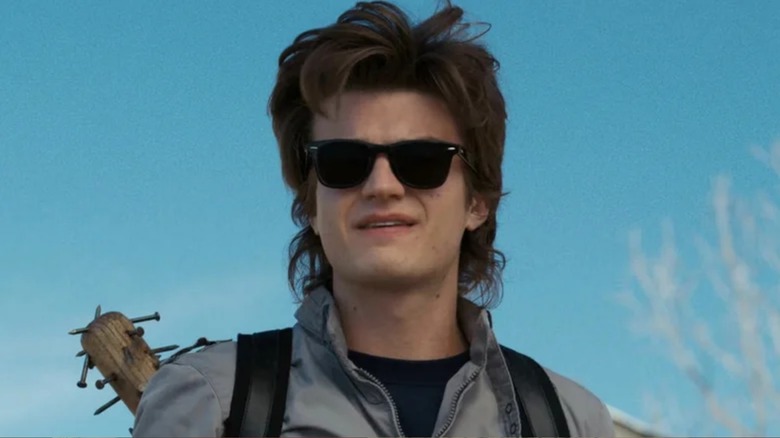
"Stranger Things" is filled to the brim with homages to '80s pop culture and Steve Harrington (Joe Keery) fills in the classic jock-bully archetype perfectly. In the first season, he serves as a recurring antagonist to Charlie Heaton's Jonathan Byers. Narratively, Steve functions as a human obstacle for Jonathan to overcome when not dealing with supernatural stuff. While Steve shows some admirable qualities and stands up to the Demogorgon at the end of Season 1, he is a supporting character outside of the central ensemble. The aspects of the character that shine through his bully role endeared him to audiences, making it all the more natural for him to become a central character in subsequent seasons.
After leaving behind his bully persona, Steve shows great emotional growth and becomes a role model that many of the characters look up to, especially Gaten Matarazzo's Dustin Henderson. The brotherly bond between these two is a central part of the show's narrative in later seasons. It also functions as a way for Steve to show how much Steve has broken away from the letterman jacket-wearing stereotype.
Grogu in The Mandalorian
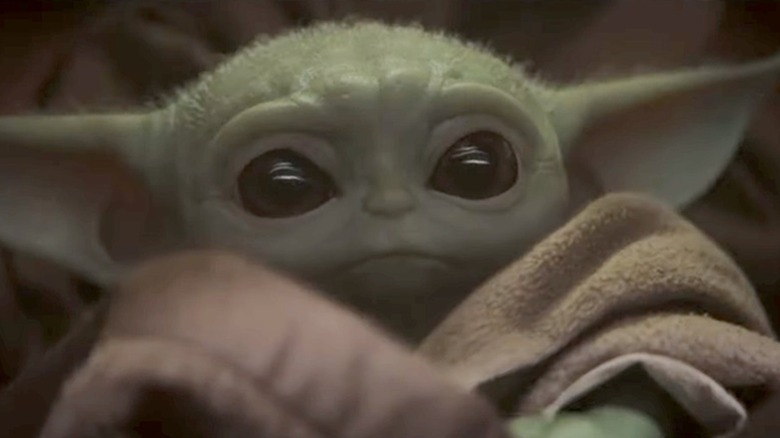
The Mandalorian armor is one of the most recognizable pieces of "Star Wars" iconography, but somehow, it got overshadowed by a little green puppet. Grogu, aka "Baby Yoda," was present from the very first episode of "The Mandalorian" on Disney+ and audiences became enamored with the infant. The fanfare from the fanbase for the debut of a new strange alien in "Star Wars" canon was as expected, but the level of fame Grogu went on to garner was much more than anyone could have imagined.
"The Mandalorian" follows a classic lone wolf and cub narrative, and audiences fell in love with the dynamic of the bounty hunter and the innocent-yet-powerful infant Jedi. The series continued to delve more and more into Grogu's backstory and his possible future. Becoming an even more central figure in the show wasn't enough, however, as Grogu slowly became the face of the entire "Star Wars" brand. Baby Yoda was everywhere and he even got top billing when the duo made their way to the big screen with 2026's "The Mandalorian & Grogu." When it comes to stepping into the spotlight of a series and long-running franchise, this is the way.
Daryl Dixon in The Walking Dead
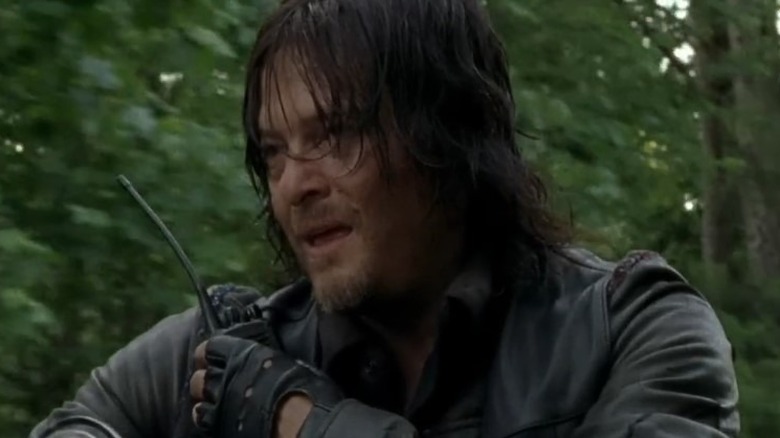
"The Walking Dead" graphic novel already has a massive list of important characters, so who would have thought that the fan-favorite in the television adaptation would be series original, Daryl Dixon (Norman Reedus)? Well, that is exactly what happened as he quickly moved from a face in the group to a central figure in the show. While he came to blows with many of the central cast of characters early on, including series lead, Rick Grimes (Andrew Lincoln), he would become one of Rick's most trusted confidants as the show progressed. A person who began as a hotheaded redneck had his layers peeled back and became one of the show's most endearing and interesting characters. When Rick left the show in Season 9, Daryl fully stepped into the role of series lead and would ride out the rest of the 11-season series in the role.
From the streets of Atlanta to the halls of a West Georgia Correctional Facility, to the Commonwealth settlement years after the outbreak, Daryl was always there, usually on a motorcycle with a crossbow slung over his shoulder. Even the Atlantic Ocean couldn't contain him, as he went on to get his own four-season series, "The Walking Dead: Daryl Dixon," which sees Daryl exploring post-apocalyptical France.
Butcher and Homelander in The Boys
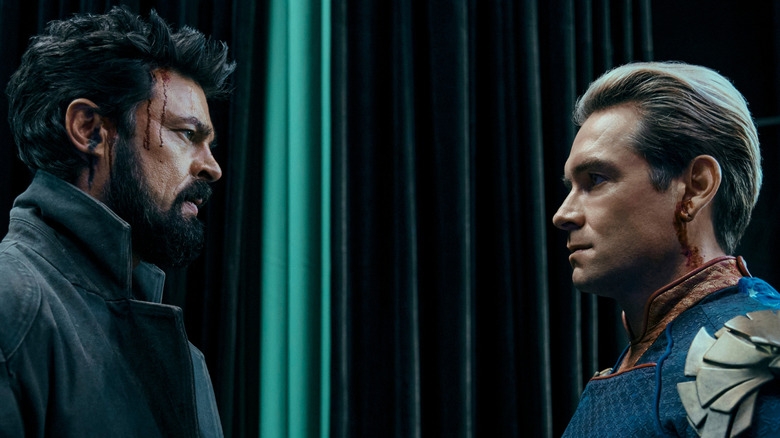
Jack Quaid's Hughie Campbell serves as the protagonist and audience surrogate early on in Prime's "The Boys," especially in the first season. His tragedy at the start of Episode 1 is the gateway into this world, but it is quickly made apparent that the conflict between Billy Butcher (Karl Urban) and Homelander (Antony Starr) is the narrative's driving force. Even before they become the engine of the series, they still play massive roles, Butcher fills a mentor figure role while Homelander is the overarching main antagonist. Both of these characters serve as contrast to Hughie's everyman position at the start of the story. Butcher is a normal human who has become cynical and Homelander is an all-powerful Supe that believes himself above everyone.
While both characters get development, it isn't until the Season 2 and beyond that these two truly step into the spotlight as more than just mentor and antagonist, but rather dark mirrors of one another who drive the plot forward. The series delves deep into their backstories and traumas. While this isn't exclusive to these two as much of the ensemble cast gets time in the spotlight, it is made clear as the show develops that the whole series is building to a showdown between Butcher and Homelander.
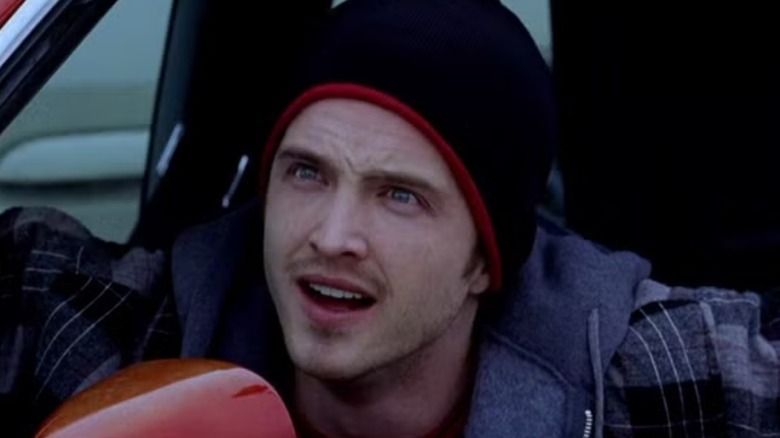
Jesse Pinkman in Breaking Bad
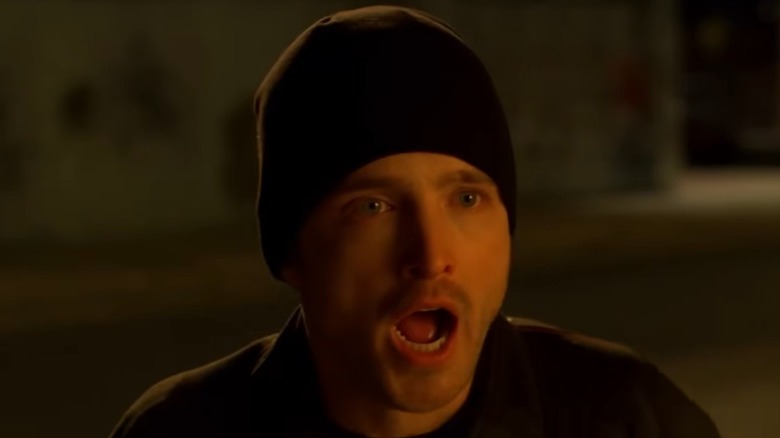
Watching "Breaking Bad" nowadays makes it seem impossible that Jesse Pinkman was ever meant to be less than a full-blown secondary protagonist. Thanks to Aaron Paul's career-defining performance and a Writer's Strike, a character once meant to be just a single season character that meets a brutal end became a cornerstone of the beloved series.
Series creator Vince Gilligan has stated openly that Jesse was meant to die in the 9th and final episode of Season 1, The 2007-2008 Writers Guild of America strike would end up cutting the original nine-episode season to seven, changing the fate of many characters, none more so than Jesse. Even before the strike, Gilligan quickly realized this would be a bad idea to cut Jesse's life when he saw how talented Paul was. In an interview with Gilligan and the cast of "Breaking Bad" at PaleyFest LA 2010, the series creator said that "by Episode 2... Everybody knew just how good [Aaron was] and a pleasure to work with. It became pretty clear early on that it would be a massive mistake, killing off Jesse."
Instead of dying, Jesse serves as the narrative's emotional core, trying to escape the dark world he finds himself in. This is in stark contrast to the continuous moral descent of Walter. Not bad for a character who should have been just another causality in a show full of them.