

Family Guy's 15 Best Episodes Ranked
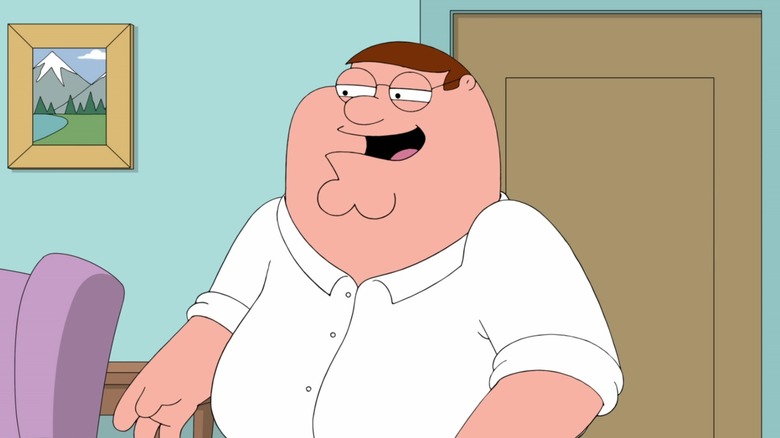
It's one thing to be a cancelled TV show that came back, but to have a trajectory like Fox's "Family Guy" — going from prematurely canned to hugely successful to near-inescapably ubiquitous — is the stuff of TV legend. Created by Seth MacFarlane and developed by himself and David Zuckerman, this proudly chaotic animated sitcom has been telling the story of Peter (MacFarlane), Lois Griffin (Alex Borstein), and their kids and intelligent dog for no fewer than 24 seasons spread across 27 years.
In that time, "Family Guy" has aired over 400 episodes (and counting), and gone through some stronger stretches and some weaker ones, like any other show that runs for so long. Here, we've brought you a ranking of the 15 very best "Family Guy" episodes, hailing from all eras and showcasing all of the series' many delirious strengths. This is just like that time we ranked "King of the Hill" episodes, but with a somehow even less functional animated family in the limelight.
15. E. Peterbus Unum (Season 2, Episode 18)
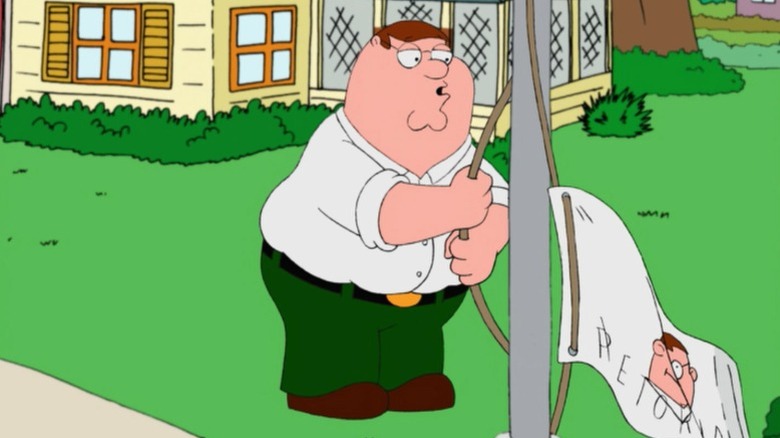
In this vintage "Family Guy" episode, Peter attempts to build a pool in his backyard, but gets stopped by zoning laws, which leads him to the discovery that the Griffin home is technically not on the official map of Quahog. Naturally, Peter reacts to this in the most sensible possible way: He declares his home to be a sovereign country named Petoria ("Peterland" was taken by a gay bar), and then invades the backyard of Joe (Patrick Warburton, whose mom tried to get the show canceled) so that the international community will take Petoria seriously.
Long story short, Peter's plan doesn't work. "E. Peterbus Unum" is old testament "Family Guy" doing what it did best: Wringing raucous, no-holds-barred humor from the follies of America's most ridiculous clan. The rise and fall of Petoria turns out to be a crash course on the realities of international order and its force-based nature, hilariously manifested through the gradual erosion of Peter's ego. By the time Lois and the kids are being brutally stripped of water and supplies by a U.S. blockade, you're reminded that this show can draw blood when it wants to.
14. Emmy-Winning Episode (Season 16, Episode 1)
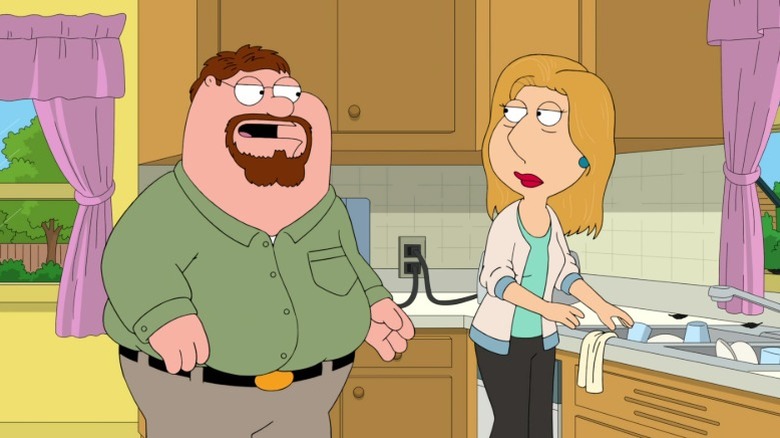
If "E. Peterbus Unum" is a showcase for early-period "Family Guy," Season 16's "Emmy-Winning Episode" represents the absolute best of the show's more recent stretch. In one of the most meta TV episodes ever, Peter becomes distraught at the fact that "Family Guy" hasn't won an Emmy in years, so the family bands together to transform the show into something more to the taste of Emmy voters. Cue parodies of several TV shows loved by the Television Academy throughout the decades.
The fundamental premise is, of course, false: "Family Guy" won seven Emmys between 2000 and this episode's airing in 2017, and has since gone on to win two more. But the reality-free absurdism is what sells the comedy. This isn't a scrappy little underdog bitterly attacking its more successful competition; it's an Emmy-approved TV giant delivering a jolly industry-wide roast. In sending up everything from "Breaking Bad" to "Cheers" to "The Sopranos," "Family Guy" also takes itself to task for being the comfortable, unambitious, puerile court jester in their company, which is what makes this the show's most incisive episode of the past decade-and-change.
13. Brian & Stewie (Season 8, Episode 17)
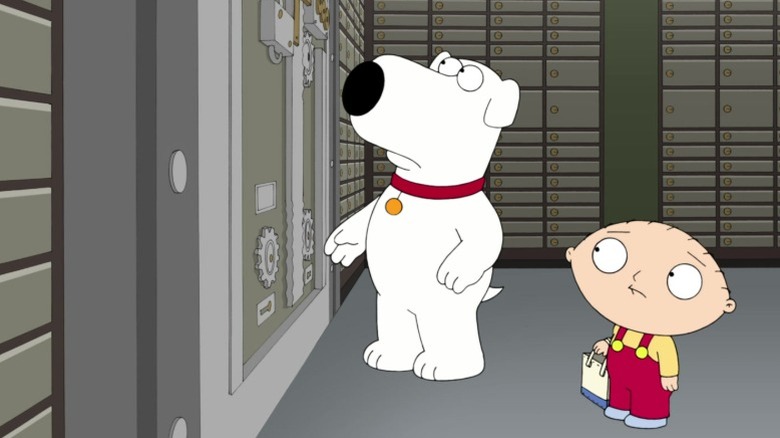
As if to rebuff the accusation that "Family Guy" had become dependent on cutaway gags, Season 8 offered up "Brian & Stewie," a disciplined bottle episode with no cutaways, no other characters beyond the two titular ones, and no narrative cheats. It's the closest in a minute that "Family Guy" has come to straight-up dramatic realism — as long as you abstract the fact that the protagonists are still a toddler with the mind of an adult, and a talking dog who can understand him.
That incongruity between tone and content is not lost on writer Gary Janetti, who dares himself to draw genuine pathos from two characters whose very existence is something of a joke, and in turn dares the viewer not to be moved. With a plot consisting of Stewie and Brian getting stuck in a bank vault for the weekend, "Brian & Stewie" is mostly made up of lengthy, character-revealing conversations between the two, veering from gross-out humor to comically over-the-top melodrama — and then finally, disarmingly, to earnestness. It's one of the show's best showcases ever for the versatility of Seth MacFarlane as a comic and dramatic voice actor; past a certain point, it's impossible to remember that all you're hearing is one guy talking to himself.
12. Yug Ylimaf (Season 11, Episode 4)
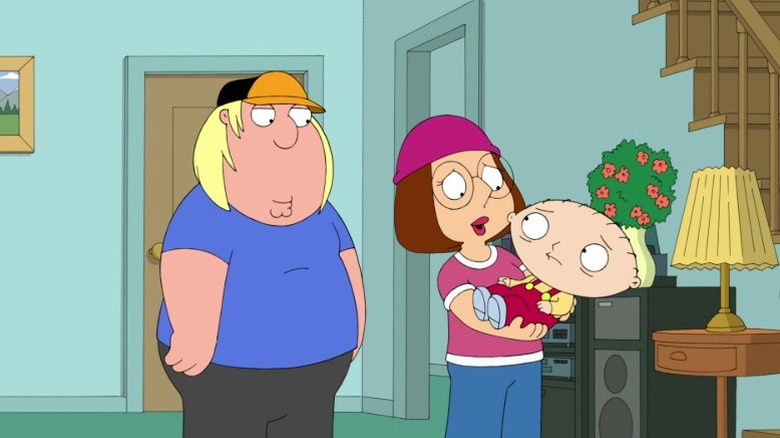
The flexibility of "Family Guy" is such that the show can freely turn into "Rick & Morty" at any point if so inclined, and that's exactly what the ingeniously-animated "Yug Ylimaf" does. Brian uses Stewie's time machine to impress a date (Rachael MacFarlane), then tries to roll back its time counter so Stewie won't find out, which causes an explosion; when Brian and Stewie wake up the next morning, they realize that the entire world is now moving backwards except for themselves.
The guiding ethos, as with so many sci-fi "Family Guy" episodes, is "Don't overthink it." The high concept doesn't quite hang together as a sound take on time travel, but that scarcely matters; the interest of writer Mark Hentemann and director John Holmquist lies in using the backward motion to construct a series of elaborate gags and callbacks. And that "Yug Ylimaf" does exceedingly well, masterfully twisting comedy conventions so that given gags and situations are made funny by their setup as opposed to their punchline. Few other "Family Guy" installments are so adept at taking a scenario and mining it for every laugh it can offer.
11. Road to Rhode Island (Season 2, Episode 13)
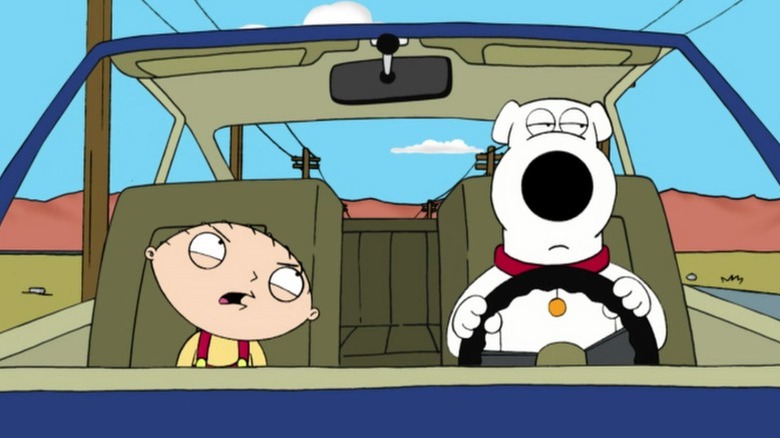
"Road to Rhode Island" was a hugely momentous half-hour for "Family Guy," introducing two of what would become the show's pillars: The "Road to..." series, and the friendship between Stewie and Brian. Adding to its importance is the fact that this is an incredible episode across the board, and a relic from when the series knew to keep things simple, sturdy, and effective.
In a classic example of how differently pre-cancellation "Family Guy" often worked, "Road to Rhode Island" introduces a narrative and commits to it, with only moderate reliance on extraneous humor. After a prologue that clues us in for the first time on Brian's origins, he travels to Palm Springs, California to bring Stewie back home from his grandparents'.
Following a series of mishaps, they wind up on cross-country trip back home that pitches both Stewie and Brian at their most charismatic and entertaining, brings out the show's best storytelling instincts, and produces a number of instantly iconic gags. Add in a hilarious B-plot about Lois and Peter purchasing marriage counseling tapes that turn out to contain pornography, and you've got yourself a classic episode all around.
10. Road to the North Pole (Season 9, Episode 7)
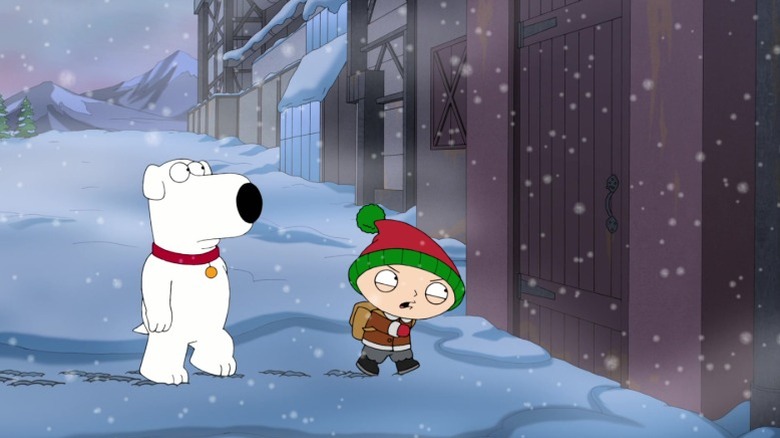
Following the grand tradition of Christmas-themed sitcom episodes, "Family Guy" has done a number of festive December installments over the course of its 26-year existence. But Season 9's "Road to the North Pole" is by some distance the best. After a first half charting Stewie's efforts to get to the North Pole in hopes of killing Santa, undeterred even by Brian's revelation that Santa isn't real, this hour-long special arrives at the titular locale, and reveals that Santa (Bruce McGill) is very much real.
He is, however, far from well: Exhausted and overworked from humanity's increasing demand for more and fancier presents, surrounded by inbred elves and feral reindeer, this Santa can barely hold himself together, let alone deliver presents. As Stewie and Brian react to this cascade of horrifying revelations and then scramble to deal with the problem themselves, "Road to the North Pole" becomes a near-perfect Christmas special as only "Family Guy" could make it — which is to say, dark, caustic, hysterical, and still ultimately and uplifting, with an unexpectedly thoughtful message about the perils of rampant consumerism.
9. Blue Harvest (Season 6, Episode 1)
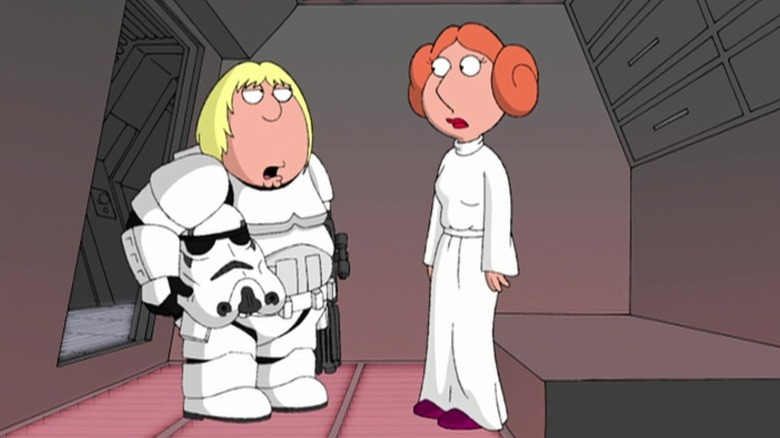
The first in a trilogy of episodes parodying each of the three original "Star Wars" films, Season 6's "Blue Harvest" is by far the best of the "Laugh It Up, Fuzzball" installments. In true "Family Guy" fashion, it marks the moment when the show was still enthusiastic about that idea, before struggling a bit to keep it going on Season 8's "Something, Something, Dark Side," and then all but giving up by Season 9's "It's a Trap!"
As usual, later diminishing returns don't take away from the splendor of watching "Family Guy" fire on all cylinders. What makes "Blue Harvest" so wonderful as far as "Star Wars" on TV goes is that it was clearly assembled with enormous love for the first movie, managing to be precise and unsparing in its satire while also making plenty of room for everything that makes "Star Wars" great. The episode even adds to the film's humorous moments by recasting them as amped-up "Family Guy" gags. If only all of the show's attempts at playful intertext could be this inspired.
8. Meet the Quagmires (Season 5, Episode 18)
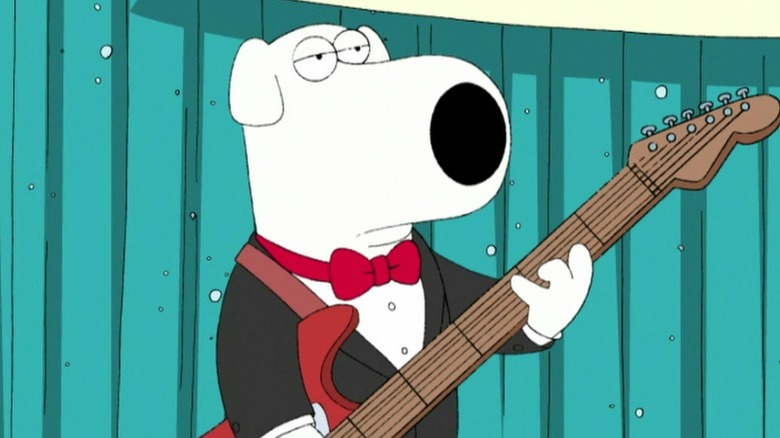
The tight focus and charm of early "Family Guy" and the freewheeling conceptualism of late "Family Guy" unite on "Meet the Quagmires," a Season 5 episode that had fun with the '80s long before it was something that every TV show on Earth was doing.
Death (Adam Carolla) grants Peter's wish to go back to his pre-marriage youth, where he subsequently stands Lois up, inadvertently creating a new present-day reality where Lois married Quagmire (Seth MacFarlane) while Peter married Molly Ringwald (Alexandra Breckenridge).
After using its butterfly effect conceit to get in some sharp mid-2000s political and cultural satire, the episode handles the ensuing go-back-and-fix-it plot with all the narrative playfulness you'd expect. For one thing, Peter is chronically incapable of following the correct steps to fix the past, initiating a "Groundhog Day"-esque series of second and third and fourth chances from an increasingly exasperated Death. But what makes "Meet the Quagmires" really special is the way it uses the built-in kitschy sweetness of its '80s teen movie pastiche to deliver one of the show's few heartfelt Lois and Peter stories. It's another installment that showcases how great "Family Guy" can be when it takes itself half-seriously.
7. Death Is a B**ch (Season 2, Episode 6)
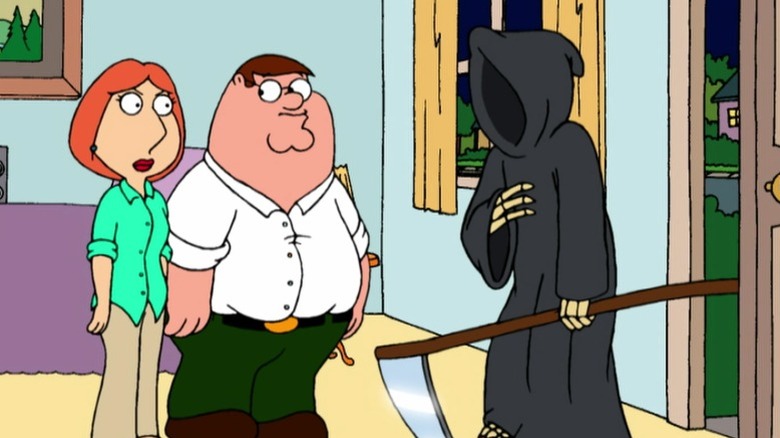
On early-days highlight "Death Is a B**ch," Peter declares himself dead on an insurance form to evade a hospital bill, and Death (Norm MacDonald) pays him a visit to sort things out. During the chase that follows, Death winds up injuring his ankle, forcing him to take a leave from work that renders all of humanity immortal. This situation is, of course, untenable, so Peter steps in to fulfill Death's professional duties.
The idea of Peter Griffin as the Grim Reaper is funny enough on its own that "Death Is a B**ch" could probably have coasted on its absurdity and still wound up pretty good. Instead, the episode proves to be one of the show's most quietly ambitious, going for a tricky mélange of mundane awkwardness and existential dark humor (with a side of unprompted "Dawson's Creek" mockery) that works beautifully on the strength of the writing, the dynamic visual direction by later "Avatar: The Last Airbender" co-creator Michael Dante DiMartino, and above all MacDonald's incredible voice performance as Death. He fits so snugly into the show that it's a wonder he didn't become a fixture.
6. Stewie Kills Lois and Lois Kills Stewie (Season 6, Episodes 4 and 5)
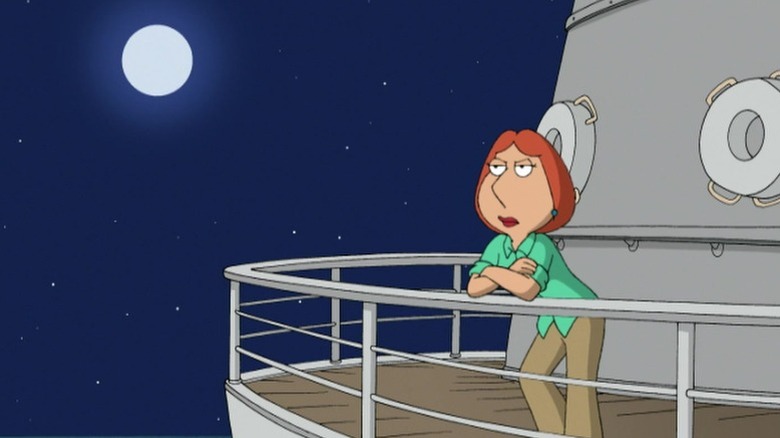
From the hilariously abrasive titles onward, the Season 6 two-parter made up of "Stewie Kills Lois" and "Lois Kills Stewie" is "Family Guy" at its most productively wicked. The apparent murder that gives part one its title is spurred by the most banal of motives: Stewie is mad that Lois and Peter went on a cruise ship without him. A shockingly serious criminal scenario follows, only to get turned on its head by a late-breaking twist that kickstarts the plot of part two, involving Stewie's endeavor to take over the world.
It's hard to talk about these two episodes while dancing around spoilers, but suffice to say that the way they fuse together different varieties of incident-packed pop cinema — from crime thriller to courtroom drama to explosive action — is riotously entertaining and surprisingly engaging on a pure storytelling level. "Family Guy" wanted a blockbuster event for its 100th episode mark, and pulled it off.
5. Da Boom (Season 2, Episode 3)
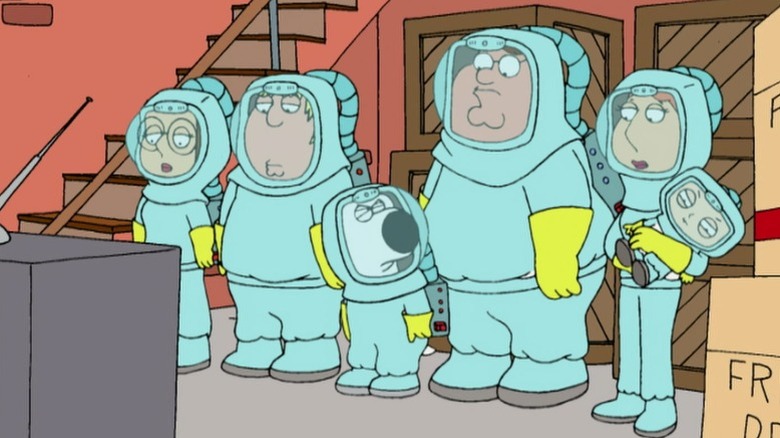
Viewers are accustomed enough to anything-goes anarchy on "Family Guy" at this point that an episode about the Griffins surviving a nuclear apocalypse and rebuilding society might not even register as particularly bizarre nowadays. But, back on Season 2, the show had yet to do anything that outré, and "Da Boom" arrived like a blast from the future: Welcome to 21st century television. It's gonna get weird.
Putting it that way, however, would not do justice to how perfectly "Da Boom" encapsulates the lost artfulness of pre-cancellation "Family Guy," and the way the series used to be able to serve up the most unhinged humor on network TV while still tying it to diligent, carefully-assembled sitcom storytelling. The post-Y2K scenario of "Da Boom" — which originally aired on December 26, 1999 — brings out the best in every Griffin, introduces Ernie the Giant Chicken, and creates innumerable opportunities for surreal humor that the writers take advantage of with seldom-equaled verve.
4. And Then There Were Fewer (Season 9, Episode 1)
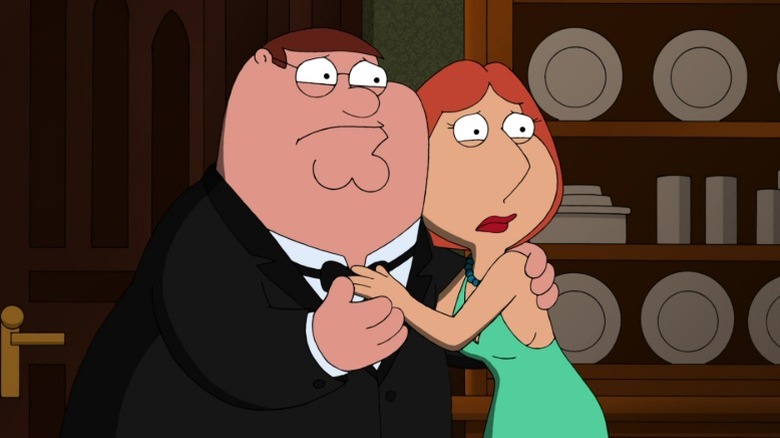
Seth MacFarlane's favorite "Family Guy" episode finds the show putting on an Agatha Christie homage that winds up working improbably, exceedingly well on both comedic and dramatic levels. Almost every resident of Quahog we know gets invited to a dinner party at James Woods' (James Woods) mansion; a few hours in, the party's attendees find themselves stranded by a storm, just as a series of gruesome murders begin to occur.
The show's humor has rarely been sharper or punchier than on "And Then There Were Fewer;" nearly every joke hits, with the funniest hailing as much from character specificity and verbal wit as from standard "Family Guy" randomness. On top of that, Christie's novels are parodied every bit as lovingly and attentively as "Star Wars" with "Blue Harvest." And, unlike several of the show's wildest half-hours (including some on this list), everything that happens here is 100% for real — resulting in the unlikely delight of a genuinely suspenseful and even scary "Family Guy" episode.
3. PTV (Season 4, Episode 14)
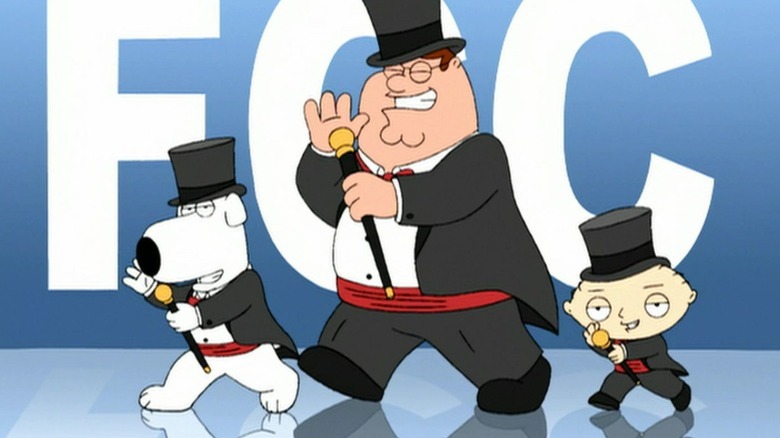
"PTV" was a turning point: The episode on which "Family Guy" found a way to revel in its post-revival proclivity for hyperactive zero-G mayhem while still doing something with it. There's a plot — the FCC goes haywire in its efforts to scrub television of all impropriety; Peter starts his own raunchy TV network in protest; the FCC proceeds to censor reality itself — but, more importantly, there's a concept. For once, stacked pop culture allusions and endless cutaways and gratuitous displays of vulgarity are not just fodder to keep the runtime going, but the very essence of what the episode is up to, satire-wise.
What comes of this is an astonishingly organized "Family Guy" chapter, which still never risks feeling anything but invigoratingly anarchic. As cultural commentary, it's maybe the show's boldest and strongest outing, an extended middle finger to mid-2000s pearl-clutching that feels like something that had to be done by this show specifically. And, as a pure vessel for gags (with top-notch directing work from habitual "Family Guy" contributor and later "Phineas & Ferb" co-mastermind Dan Povenmire), it's as close as "Family Guy" has ever come to an uninterrupted 22-minute golden run.
2. Back to the Pilot (Season 10, Episode 5)
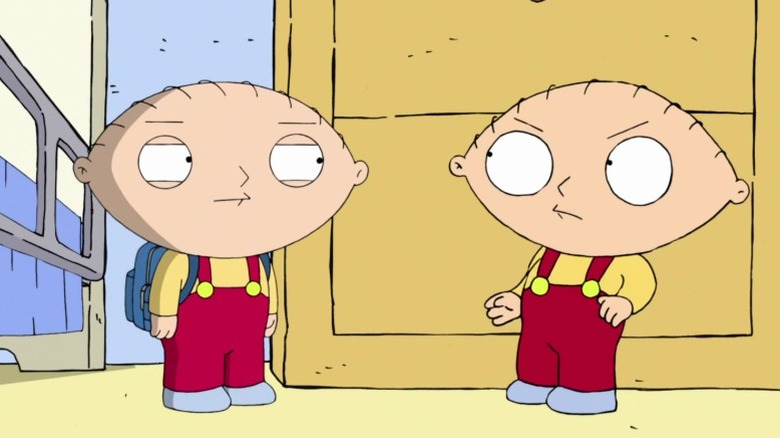
It's such a good premise that it's frankly odd that TV shows don't use it more often: What if you could go back to the first episode and have your characters' current versions interact with their old, different-looking, as-yet-undeveloped selves? "Family Guy" does about as much with that logline as you'd expect from a show whose fatal flaw for the past two decades has been the amount of time it spends paralyzed in the amber of its own self-awareness.
"Back to the Pilot" breaks the amber: Rather than rehash old ideas and hang a lampshade on their staleness, writer Mark Hentemann and director Dominic Bianchi jolt to the present, and create something newly alert, trenchant, and imaginative from years of used parts. If other "Family Guy" time-travel episodes can feel a bit self-indulgent, this is "Family Guy" indulging in itself with the gusto of a banquet attendee; you can't help but feast along. And it helps that the time-travel plot proper is by far the cleverest the show has ever pulled off.
1. Road to the Multiverse (Season 8, Episode 1)
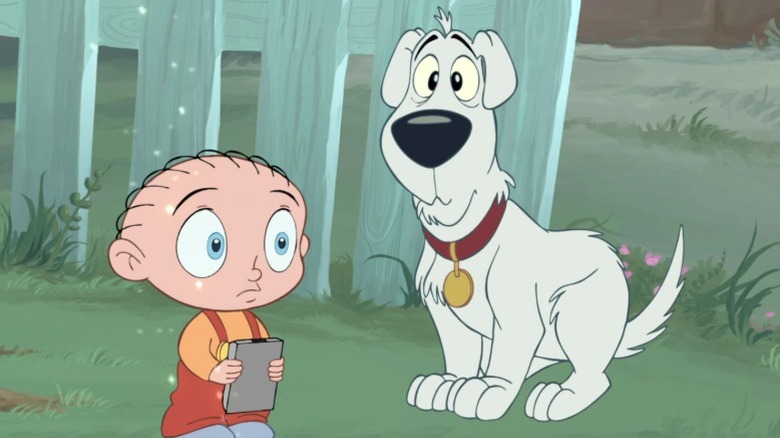
Back in 2009, the concept of multiverses was still fresh. "Family Guy" got in on the ground floor, and sent Brian and Stewie on a trip through alternate realities that still ranks as the best "Family Guy" episode — and one of the best episodes of all TV animation in the 21st century — for its sheer formal, comic, and narrative bravado.
Written by Wellesley Wild and directed by Greg Colton (who won a richly-deserved Primetime Emmy for his storyboarding work), the episode doesn't bother with explanations: Stewie simply reveals to Brian that he got his hands on a multiverse-jumping remote control, and they proceed to explore other realities and then get stuck trying to get back home. And then, for the next half-hour, "Road to the Multiverse" just runs wild. It runs wild in ways that the show had never run before, freely and confidently structuring itself as a series of fantastic comic riffs that draw from every style of humor in the "Family Guy" arsenal — all smartly tethered to a Stewie-and-Brian tale with built-in emotional appeal, and rendered through animation so imaginative and impressive that it feels like a reminder of the medium's potential.