

10 Beloved '70s TV Shows That Aged Terribly
The 1970s was a revolutionary period for television reflecting rapidly evolving social sensibilities and norms throughout the decade. That said, for every show that pushed the medium into groundbreaking territory, there are shows that reflect more antiquated cultural mores. Even some of the best TV shows of the 1970s contain prominent elements that won't sit well with a lot of modern viewers. This isn't necessarily a knock on the overall quality of any given series — it just highlights that every show is a product of its time.
To clarify, we're focusing on series that were popular during the decade, receiving multiple seasons and strong viewership, not the shows that were dead on arrival. Here are 10 beloved '70s shows that have aged terribly since their initial broadcast run.
The Benny Hill Show
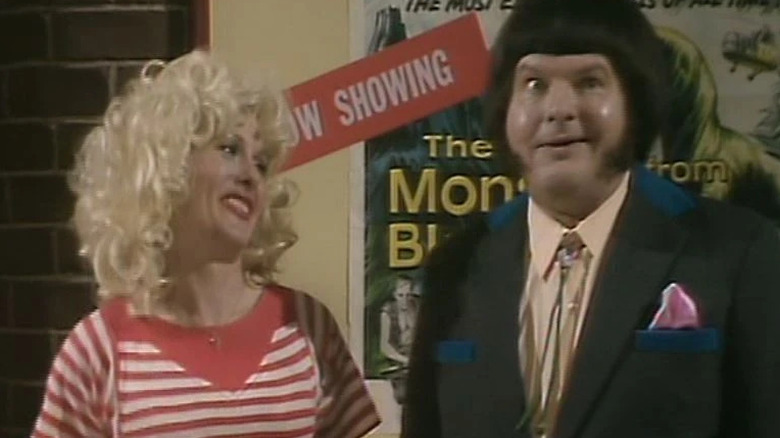
English comic Benny Hill headlined "The Benny Hill Show," one of the longest-running British variety shows ever made. Premiering in 1955 on BBC, the series continued on BBC and ITV until 1989 and was broadcast all over the world beyond its native Britain. Each episode featured a mix of comedy skits, usually relying heavily on slapstick, and musical and burlesque numbers often involving guest performers. Hill played a number of different buffoonish characters.
What makes "The Benny Hill Show" an uncomfortable watch for modern audiences is how it depicted its female performers. From big burlesque numbers to rampant double-entendre gags and overt ogling, the series constantly objectified women and made them the butt of crude jokes. This included Hill groping women appearing on the show for cheap laughs played to nonsensical effect that feels incredibly gross now. A hallmark on British television for decades, "The Benny Hill Show" is a sexist sign of its times.
The Black and White Minstrel Show
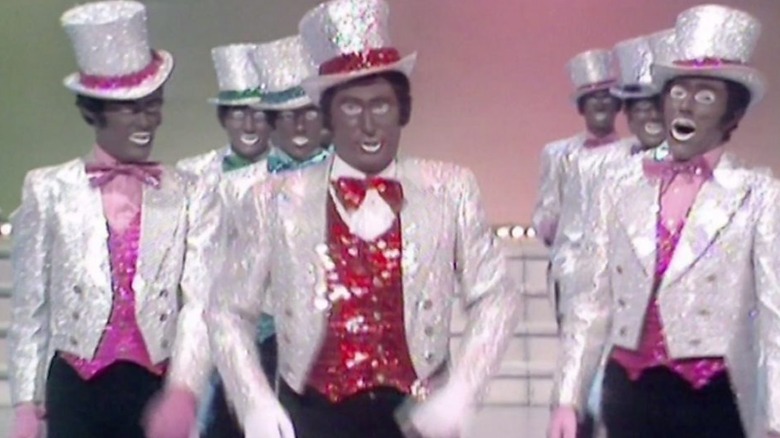
Even in 1958, a variety show revolving around performers in blackface raised eyebrows, and yet "The Black and White Minstrel Show" ran until 1978. Produced by the BBC, the series was inspired by 19th century minstrel stage acts featuring white performers in blackface performing musical numbers loaded with racial stereotypes.
As early as 1963, the obviously offensive nature of "The Black and White Minstrel Show" began to receive public backlash. In spite of the controversy, the show endured until the late '70s. The series no longer featured performers in blackface during its final season, but this display of newfound social consciousness was certainly much too little, too late. "The Black and White Minstrel Show" is a shameful historical footnote.
Hee Haw
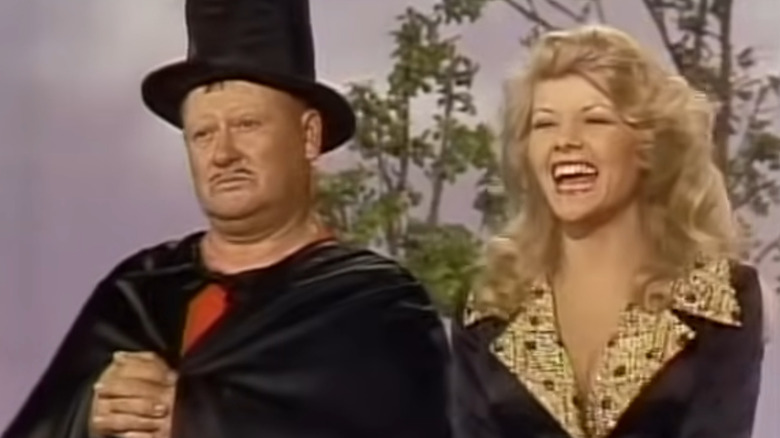
"Hee Haw," hosted by country music artists Buck Owens and Roy Clark, revolved around rurally themed comedy sketches and country, bluegrass, and gospel musical numbers. A staple in the series was the Hee Haw Honeys, a group of women who, let's just say, did not always dress for cold weather and played characters that ranged from quasi-good-natured, Hooters-style sexist to blatantly misogynistic.
Like "The Benny Hill Show," the prominent presence of overtly sexualized women really undercuts the family-friendly country theme "Hee Haw" was going for. The series' sense of humor also holds up poorly, often leaning into and perpetuating country bumpkin stereotypes. Ultimately, "Hee Haw" was canceled when CBS purged its rural-oriented programming in 1971, and nobody seems to miss it now.
All in the Family
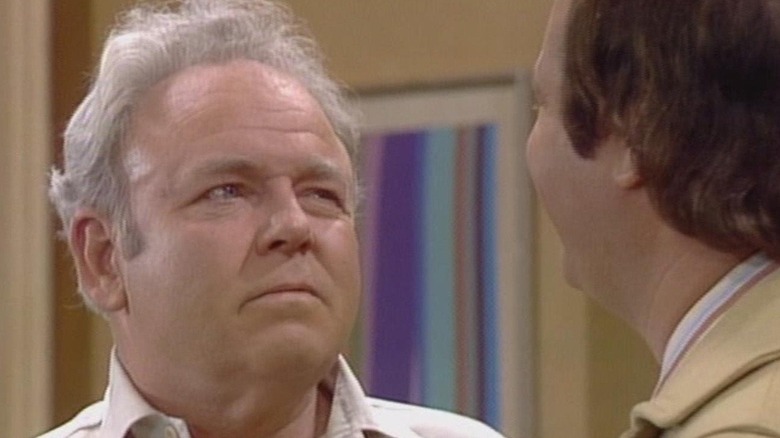
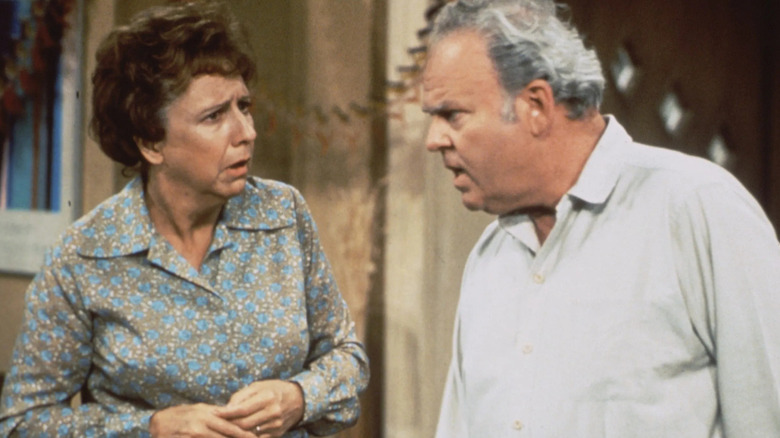
"All in the Family" is unquestionably one the shows that defined the '70s but the classic 1971 CBS sitcom has prominent problematic elements. These issues are embodied by its protagonist Archie Bunker (Carroll O'Connor), a blue-collar man living in Queens. A vocal bigot, Archie constantly spews his extensive prejudices to the chagrin of his family and friends.
Archie gets a gradual character arc over the course of the series and "All in the Family" skewers his bigoted views. But the prominent usage of racial epithets and other slurs usually openly barked by Archie are hard to get past. This reflects the era and the series' penchant for social commentary, but these elements are also often played for laughs. "All in the Family" stands as the best TV show by Norman Lear, but it's not without its uncomfortable sticking points.
Kung Fu (1972)
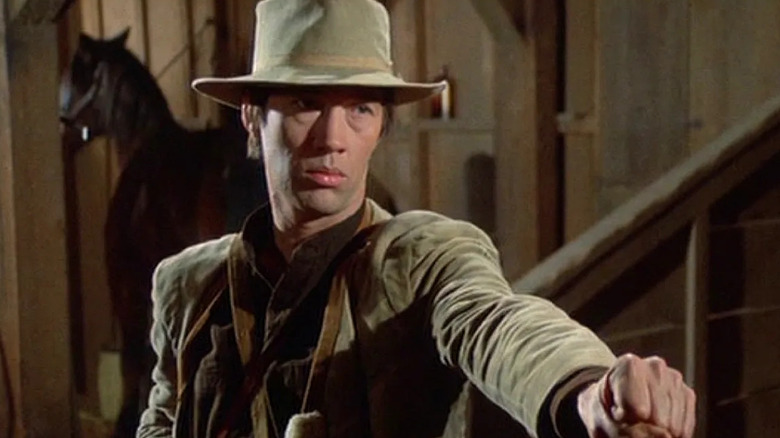
The 1972 series "Kung Fu" combines martial arts with common Western tropes in a 19th century setting. The show follows Kwai Chang Caine (David Carradine), a half-Chinese man who trains in martial arts at the Shaolin Temple in China. After avenging his master by killing the emperor's nephew, Caine flees to the United States in the 1870s. With his deep sense of justice, Caine puts his finely honed fighting skills to good use to defend the vulnerable along the American frontier.
The worst element of the 1972 "Kung Fu" is prominently seen in its protagonist, played by the obviously Caucasian Carradine. With all due respect to Carradine — who contemporary audiences may recognize as the titular villain in Quentin Tarantino's "Kill Bill" duology — this is a clear instance of a white person playing a lead role that would have made much, much more sense for an actual Chinese actor. The problematic legacy behind "Kung Fu" was at least partially rehabilitated by its modernized 2021 remake — one of the best martial arts shows of all time.
Police Woman
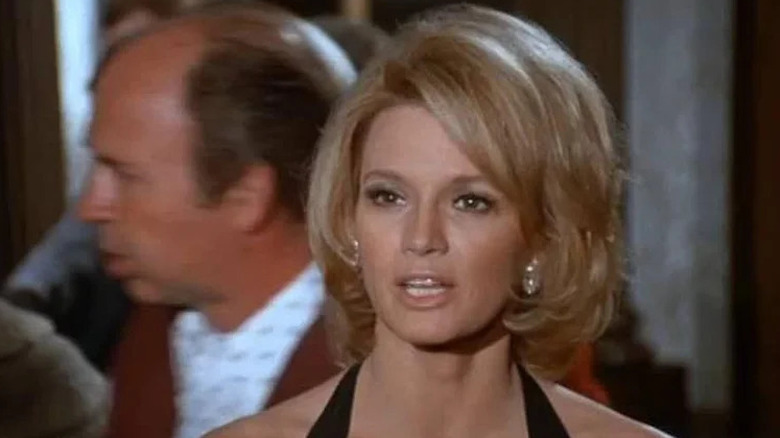
"Police Woman" broke new ground for the procedural genre, providing it with a female protagonist. The show stars Angie Dickinson as Pepper Anderson, a detective in Los Angeles who takes on different personas — ranging from flight attendants to dancers – to fool crooks and gather evidence of wrongdoing.
While "Police Woman" may be a 1970s show that no one remembers today, it did run for four seasons on NBC from 1974 to 1978. Looking back on the series years after its conclusion, Dickinson told EW in 2023 that she regretted that the undercover personas often had her dressing in skimpy costumes. This includes episodes where Pepper poses as a stripper or sex worker, sometimes in scenarios where these personas don't make sense. These elements also extend to scenes where Pepper isn't taking on a persona at all — just conveniently taking calls while bathing or wearing negligee at home. For a show ostensibly celebrating female empowerment, "Police Woman" does its fair share of catering to the male gaze.
Welcome Back, Kotter
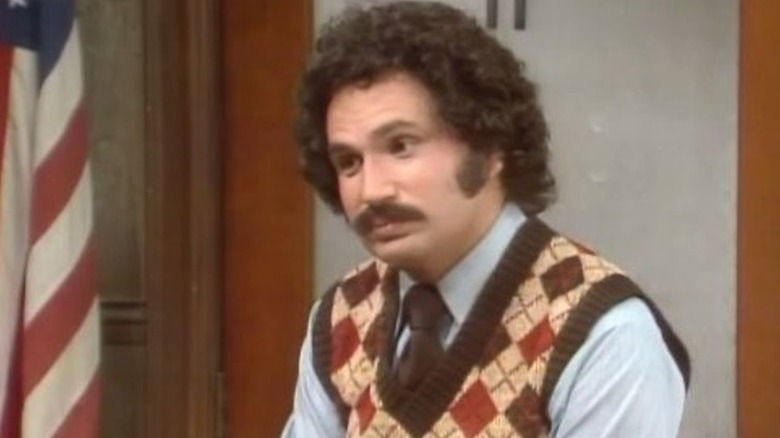
The show that gave John Travolta his big break was the sitcom "Welcome Back, Kotter," which premiered in 1975. The series stars Gabe Kaplan as Gabe Kotter, a teacher who returns to work at the Brooklyn high school he attended as a teenager. Once a remedial student at the school, Kotter teaches the current remedial class, even as they're underestimated by the administration. Forming a personal connection with his students, Kotter helps the group of teens realize their own potential as they prepare to graduate and enter the world.
While "Welcome Back, Kotter" ostensibly tells an inspirational high school story in the vein of movies like "Stand and Deliver," its source of humor is its most questionable element. Many of the students in Kotter's class are built around stereotypes, be it Freddie Washington (Lawrence Hilton-Jacobs), a Black student seemingly only interested in basketball and his hair, or the tough-talking Puerto Rican student Juan Epstein (Robert Hegyes).
Like many of its characters, the show's heart is certainly in the right place but could use some extra guidance to get on the right track. Thoroughly silly but not without its fair share of problematic jokes, "Welcome Back, Kotter" reflects inner-city comedic sensibilities of the '70s.
The Love Boat
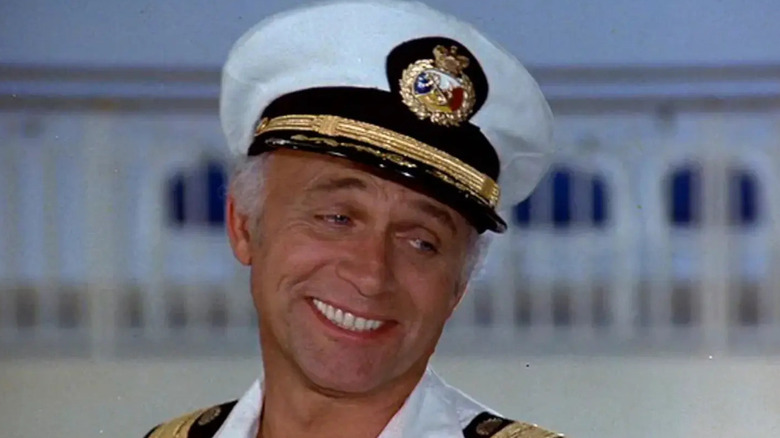
The 1977 romantic comedy "The Love Boat" takes place on the cruise ship, the MS Pacific Princess, and revolves around the various passengers played by a rotating set of guest stars getting into romantic antics in every episode. These vignettes range from screwball comedy to more dramatic fare as the Pacific Princess cruises across the seven seas.
As cavalier as "The Love Boat" often is, the series features outdated gender roles and the overarching sexism of its era. This extends to how certain romances play out in a number of episodes. This includes Stubing's young daughter Vicky (Jill Whelan) joining the crew and becoming infatuated with much older men. The show was also sometimes questionable in its portrayal of queer characters, although stories like "Frat Brothers Forever" and "Gopher's Roommate" were considered very progressive relative to their era.
Three's Company
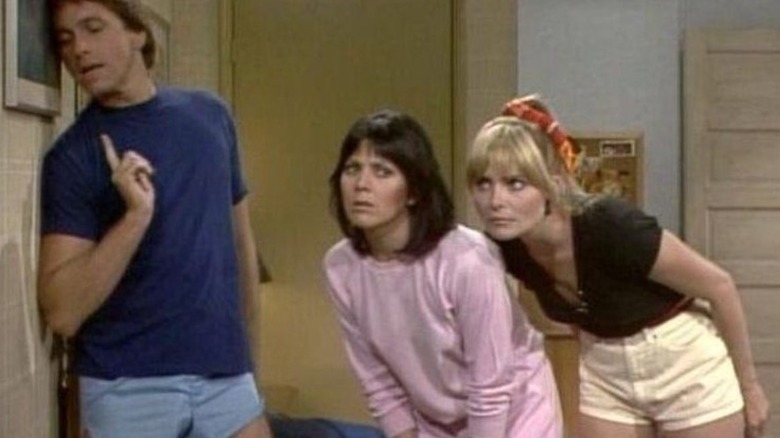
As far as the best TV theme songs from the 1970s go, it's hard to top "Three's Company" and its bubbly opening. The show has heterosexual bachelor Jack Tripper (John Ritter) move into the Los Angeles apartment occupied by two single women to help cover the rent. When the trio's landlord Stanley Roper (Norman Fell) objects to the arrangement, they claim Jack is homosexual to placate his concerns. Jack and his roommates maintain the ruse, though Roper's wife Helen (Audra Lindley) figures out the deception, thankfully playing along with it.
Based on the show's description above, you can probably guess where we're going in our reflective criticism of "Three's Company." Stanley and Ralph Furley (Don Knotts), who took over as landlord when the Ropers moved on to their own series after Season 5, both tend to indulge in homophobic slurs. "Three's Company" might not be celebrating the worldviews of its grumpy old men landlord characters, but they nevertheless make the show less-than-comfortable for modern viewers.
The Dukes of Hazzard
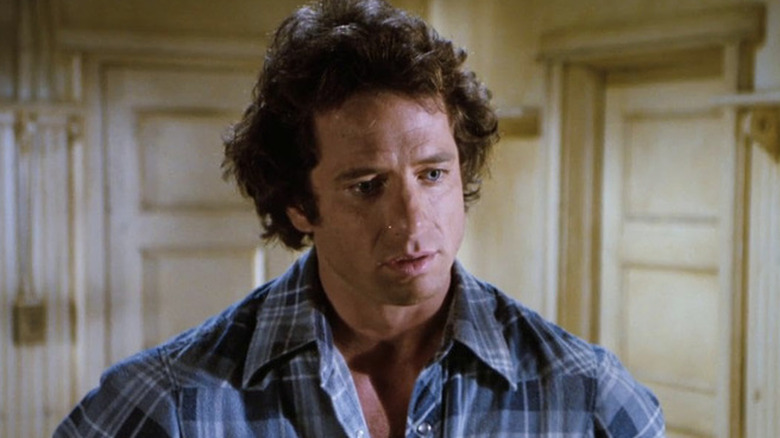
A celebration of outlaw country tropes premiering in 1979, "The Dukes of Hazzard" follows the antics of cousins Bo Duke (John Schneider) and Luke Duke (Tom Wopat) around Hazzard County, Georgia. The brothers stay one step ahead of the law led by the corrupt Boss Hogg (Sorrell Booke) via their customized muscle car, the General Lee. This tricked out Dodge Charger comes with the Confederate flag emblazoned across its roof while its horn plays the first notes of the Confederate song "Dixie."
"The Dukes of Hazzard" has received a fair bit of reflective criticism since its conclusion, largely centered on the General Lee and incorporation of other Confederate elements. In a possible indictment of the good ol' boy culture the show propagated, TV Land dropped "The Dukes of Hazzard" reruns from its programming block in 2015. Five years later, the show's stars defended the series amid Confederate flag controversy stirred up by the General Lee and its usage of Lost Causer tropes. This all doesn't detract from the fact that "The Dukes of Hazzard" revisits and even celebrates a painfully divisive period of American history.