

How Star Trek: Deep Space Nine's Creators Got Around Gene Roddenberry's Primary Trek Rule
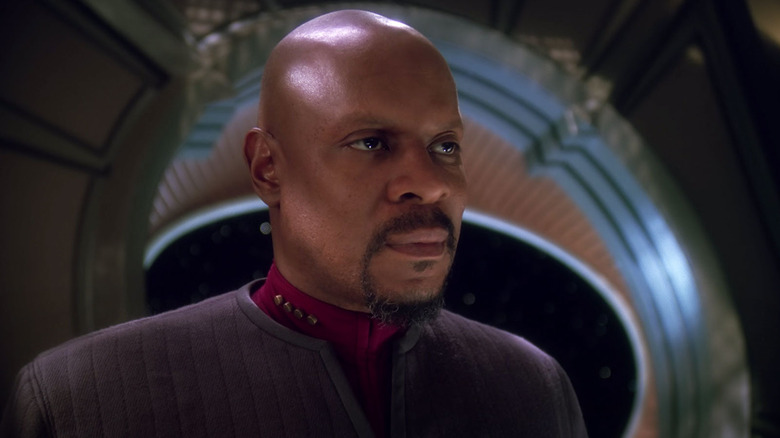
"Star Trek" creator Gene Roddenberry had one major rule for his science-fiction universe: no conflict between the human characters — so the creators of "Star Trek: Deep Space Nine," Rick Berman and Michael Piller, got creative to work around it.
"We needed this conflict for decent drama, and we didn't want to have to always bring the conflict into the stories from the outside," Berman explained in "Star Trek: Deep Space Nine Companion" by Terry J. Erdmann and Paula M. Block. "So the idea we came up with was, what if we create a cast of characters that have amongst them non-Starfleet people?"
That approach made the Deep Space Nine station the perfect setting for conflict, as the writing team populated it with a varied group of alien races alongside the show's central human characters. While other "Trek" shows explored different worlds and planets as part of life aboard a starship, "DS9" was different in that its locale was a static space station. By making its population so diverse, the series could generate conflict within its primary setting rather than relying on the exploration of new worlds and galaxies.
Deep Space Nine didn't need space exploration for conflict
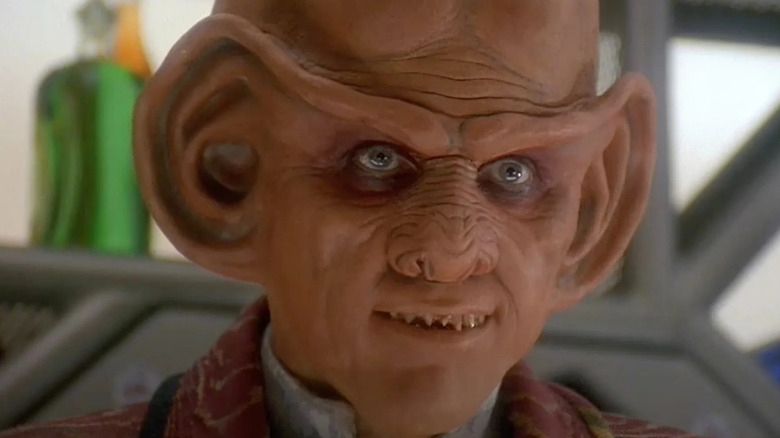
"Star Trek: Deep Space Nine" creators Rick Berman and Michael Piller also wanted the Deep Space Nine station itself to feel inhospitable, as it was originally built by the Cardassians, a hostile adversary species known for their cruelty.
"We really set out to create conflict on every level of this show," Piller explained, citing several different disputes between human and alien counterparts throughout the series. "Conflict between the Federation and Bajor; conflict between Starfleet and the environment in the space station that was not particularly comfortable for humans; conflict with the religious aspects of the Bajoran people; conflict with the Cardassians and the beings our characters would encounter on the other side of the wormhole."
In the eyes of the show's creators, building these conflicts directly into the space station's setting was a necessary part of creating tension and connecting with audiences — cementing its legacy as one of the classic '90s sci-fi shows that still hold up today.