

5 Television Roles That Completely Changed Audience Perception Of An Actor
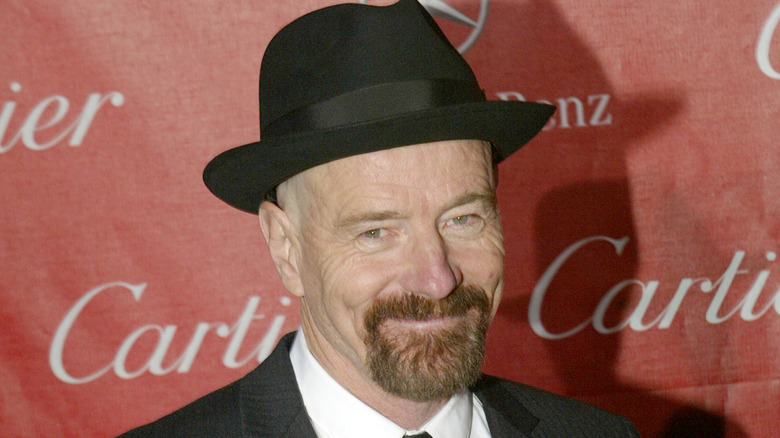
Actors getting pigeonholed into a certain type of role happens all the time in Hollywood. A star ends up starring in a breakout comedy hit and suddenly they're labeled a "comic" actor. Or, someone puts in one gritty dramatic performance and the next 50 roles they're offered all look suspiciously the same. Sometimes, however, a star gets the chance to break out of the mold and surprise audiences. A handful of actors have gone against type, directly challenging the reputation they've built and seeing it pay off with huge dividends.
For some actors, all it took was one role to completely reshape how audiences thought of them going forward. There are myriad examples of performers pulling this off by switching mediums and going from TV to movies or vice versa, but we're going to focus on the five best actors who stayed in television and changed the game with a performance that redefined how we viewed them forever.
Jennifer Aniston (The Morning Show)
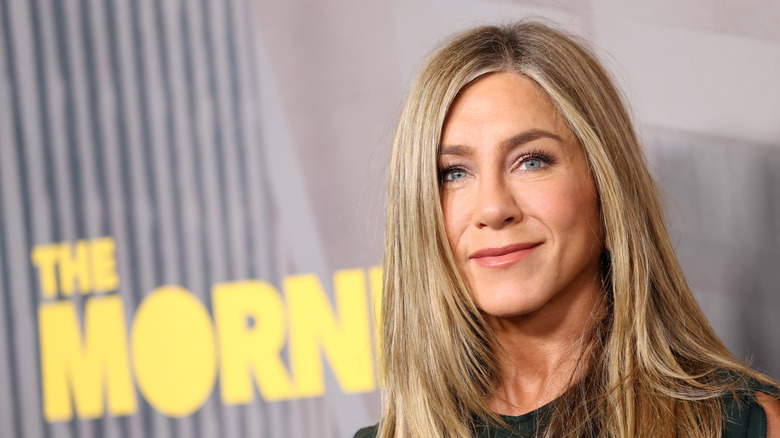
Millennials and Gen Xers alike will always remember Jennifer Aniston as Rachel on "Friends," one of the best sitcoms of the '90s. Her character (and her haircuts) went down in television history as being one of the driving forces of the series, culminating in the eternal 'will they-won't they' struggle between Rachel and Ross. It's no surprise that after "Friends" went off the air, Aniston shifted into doing movies, most of which were rom-coms. "Rumor Has It," "Marley & Me," "Just Go With It," and "The Bounty Hunter" were just a few of the vehicles she starred in that all but cemented her as a leading lady with solid comedic chops.
Then came "The Morning Show," a drama focusing on a morning news show with Aniston's character Alex as one of the hosts. When her co-host is fired following a sex scandal, Alex has to fight to maintain her position while competing with a younger reporter elevated to fill the co-host position. Aniston's performance is powerful, emotional, and certainly something audiences hadn't ever really had the chance to see from her before. While her role on "Friends" earned Aniston five Emmy nominations and one win, her four seasons on "The Morning Show" have already earned her more Emmy nominations. More importantly, she's shown the world that she's capable of more than just getting a few laughs.
Hugh Laurie (House)
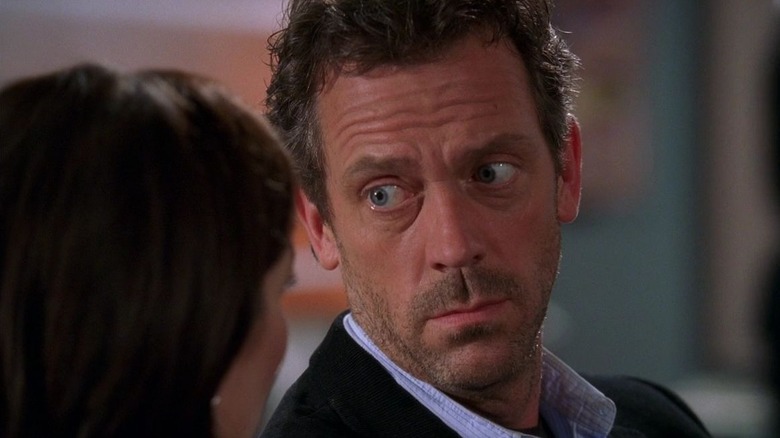
While many Americans may have been introduced to Hugh Laurie through the medical drama "House," his background is as a comedian. His career goes back decades to his days in England where he was one half of the hit comedy duo Fry and Laurie with fellow Cambridge sketch comedy alum Stephen Fry. The two had a lengthy run on British television, starring in "A Bit of Fry and Laurie," then later joining Rowan Atkinson on his historical comedy, "Blackadder."
While he was a well-established comedic actor across the pond, he was a relative unknown in the states until "House" came along. Playing the bitingly sarcastic, pompous, and emotionally wounded diagnostician, Laurie proved himself more than capable at pulling off drama. During his eight seasons on "House," he was nominated six times for Outstanding Lead Actor in a Drama Series. The success he had with the role led to similar opportunities, including playing the villainous billionaire Richard Roper in "The Night Manager."
Though one career turn is enough for most actors, Laurie had other ideas. Once "House" established him as a dramatic lead, he decided to turn back to comedy again, appearing on multiple episodes of "Veep" as slimy politician Tom James, then turned in another comedic performance as the hapless captain of a luxury cruise ship in space on "Avenue 5."
Jon Hamm (30 Rock)
From the moment "Mad Men" came into our lives, it was clear that Jon Hamm had breakout star potential. The looks, the line deliveries, and his overall charisma made him the perfect choice to portray the wildly successful but morally grey executive Don Draper as he navigated the '60s at his prestigious ad agency. The show was a smash hit, winning 16 Emmys including one for Hamm. The series not only gave AMC credibility, it's still considered one of the best AMC shows of all time.
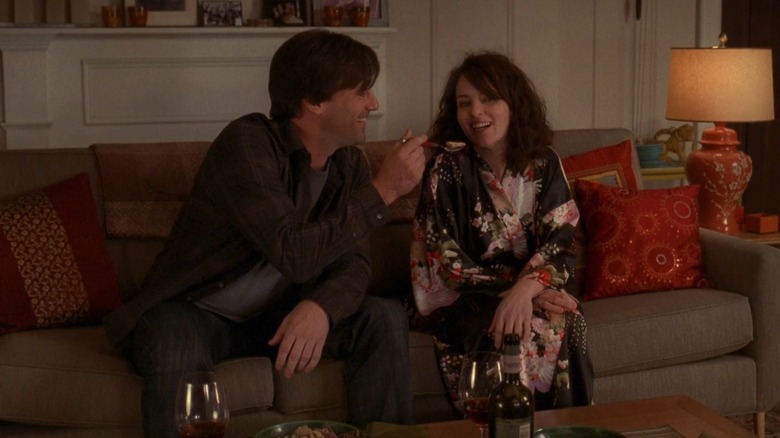
Once "Mad Men" took off, Hamm had the world at his feet and no doubt had plenty of avenues he could have pursued. The move he made, however, was one that no one saw coming. In a complete flip of his Don Draper character, Hamm made a three-episode appearance on "30 Rock" as the gorgeous yet idiotic Dr. Drew Baird. The comedic turn revolved around his character being so good looking, no one has the heart to tell him how bad he was at everything. For many, it was the first time seeing Hamm going for laughs, and it wouldn't be his last.
One year after appearing on "30 Rock," he hosted "Saturday Night Live" for the first time, quickly becoming a fan favorite. From there, he would continue flexing his comedic chops with roles in "Bridesmaids" and "Unbreakable Kimmy Schmidt," making Hamm a true double threat when it comes to acting.
Bill Hader (Barry)

In the annals of "Saturday Night Live" history, Bill Hader will forever be ranked as one of the greatest cast members the show has ever seen. From his impressions of Vincent Price, Al Pacino, and Keith Morrison to the legendary characters he created like Weekend Update regular Stefon, Hader always found a way to keep the audience laughing. Of course, he was known for laughing right along with them, which simply added to his charm. Following his time on "SNL," Hader's next big project was the dramedy "The Skeleton Twins," which he starred in alongside fellow "SNL" castmate Kristen Wiig. While the role did show off a more dramatic side for the actor, no one could have predicted what was to come just a few short years later when he debuted "Barry" on HBO.
The HBO series follows the titular hitman, played by Hader, who wants to give up killing people in favor of becoming an actor. While the plot sounds like it could be fodder for an "SNL" skit, Hader turned it into so much more. Part absurdist humor, part emotionally raw storytelling, part grisly killing spree, "Barry" became an entity unto itself. With Hader not only starring, but creating, writing and directing in the show, it morphed into a cinematic masterpiece with intricately clever dialogue, expertly crafted staging, and a pace that kept audiences on the edge of their seats for all four seasons.
While audiences will never forget Hader's ability to make them laugh, they'll also now never forget how he creeped everyone right out of their skin.
Bryan Cranston (Breaking Bad)
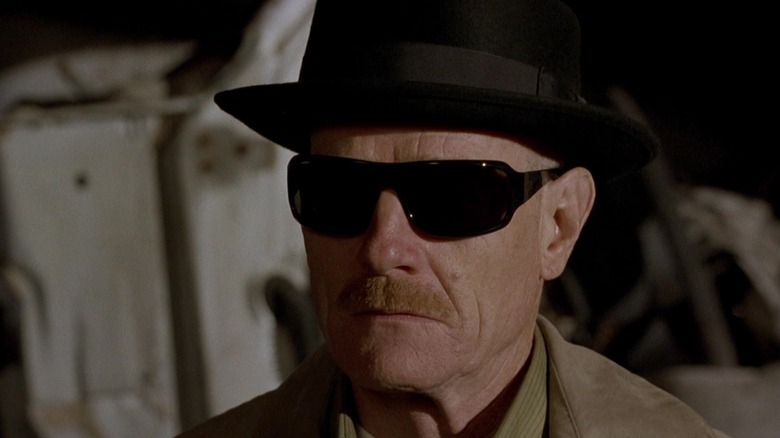
For years, Bryan Cranston toiled away on television as a character actor in mostly comedic roles, including five episodes as Jerry's dentist on "Seinfeld." His big break finally arrived in 2000, when he was cast as Hal in "Malcolm in the Middle." The show was an instant hit, becoming the second-most watched show on Fox behind "The Simpsons" during its freshman season. For seven seasons Cranston played the role of bumbling but well-meaning father and he seemed tailor made for the role.
Then came "Breaking Bad."
One year after "Malcolm in the Middle" went off the air, Cranston found himself playing Walter White, a chemistry teacher diagnosed with lung cancer who turns to a life of crime to provide for his family. "Breaking Bad" became one of the biggest hits in television history and is considered one of the best TV shows of the century. At the center of the show's praise is Cranston, who went from a timid educator to a cold-blooded drug kingpin capable of doing anything to anybody at anytime. His character transformation was one of the most dramatic turns audiences had seen, and to say it was surprising given his career up to that point would be an understatement.
Since "Breaking Bad," Cranston has returned to the world of comedy with appearances on shows like "The Studio," but his performance as Walter White permanently altered how we see him from this point on.