

5 Beloved Sitcoms That Started Off Terrible Before Becoming Great
Not all sitcoms are created equally. Not every sitcom can complete its entire run without a bad season, some need a little time for characters to gel or storylines to develop before truly hitting their stride. Then there are sitcoms to get off to really rough starts, but somehow manage to turn it around and go on to become some of the most beloved sitcoms of all time.
Depending on the network, competition, and era of television, one bad season could sometimes be enough to get a show canceled. During the height of broadcast television, for instance, networks had to be less forgiving because they couldn't afford to give a show time to figure it out and risk falling behind in the ratings. Now with the rise of streaming, the big networks have become less likely to give a show the axe quickly.
While some sitcoms are beyond saving, others need that extra time for showrunners and writers to have a chance to iron out some details, fine-tune everything and drastically improve the show. In fact, some of the best sitcoms of all time came dangerously close to never materializing at all. Here's our list of five sitcoms that started out terrible, but righted the ship and went on to become legendary.
5. Friends
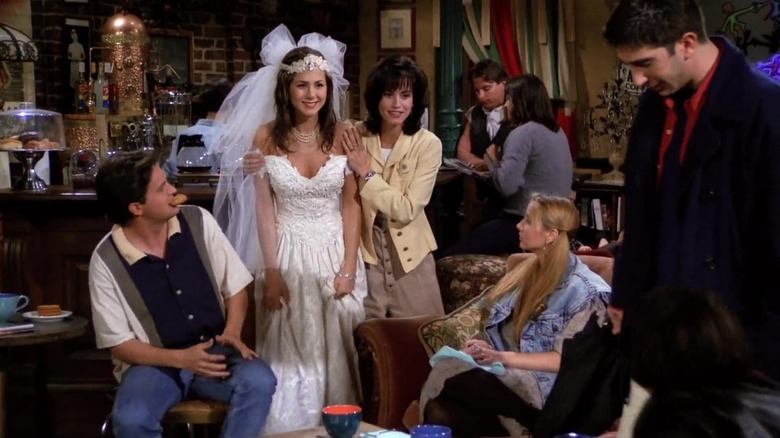
During its ten year run, "Friends" would become known for its brilliant ensemble cast, how they perfectly interacted with each other, and how their lives all intertwined. That kind of complexity, however, takes time to form and develop. So it's no surprise that the first season of the breakout sitcom comes off a little stilted and awkward.
While it's established right from the beginning that our six leads all know each other and have been friends for a while, they feel more like six acquaintances living six separate lives, as opposed to one cohesive friend group. Early episodes often featured plot lines that only followed one character and their journey, like Rachel leaving her wedding, Monica's push to become a chef or Ross ending up with a pet monkey. As time went on, you started to see more interconnected plots like Chandler and Monica keeping their relationship a secret, or when Monica and Rachel lose their apartment to Chandler and Joey following a heated trivia contest.
Character development was also a little slow to develop. In later seasons, for example, Joey is a lovable dimwit with a burgeoning acting career that was always in flux. In Season 1, however, he comes across as mostly just a generic hunk without many eccentricities. It's a perfect microcosm of the show as a whole. The first season feels plain compared to the hilarity that fans got in later seasons.
4. Schitt's Creek
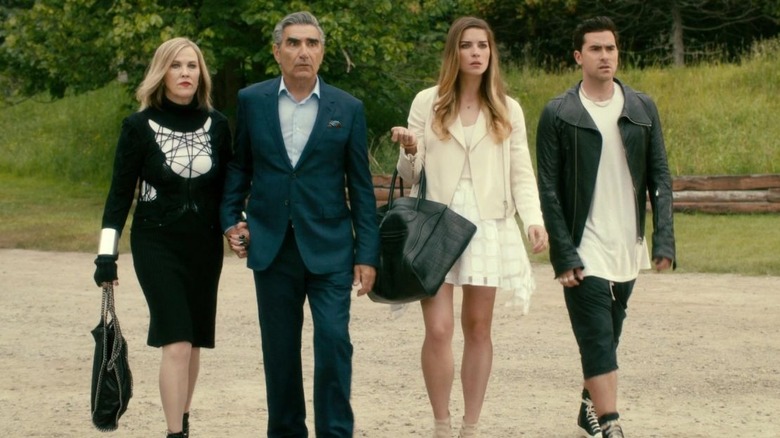
The inclusion of "Schitt's Creek" on this list may be a controversial pick, but similar to "Friends," this is a series that improved so drastically in later seasons that Season 1 utterly pales in comparison. When we first meet the Rose family, they're a self-entitled group of snobs who lose everything and have nowhere to go but a town in the middle of nowhere that Johnny bought for his son as a gag gift.
While we would all eventually come to love this family and their growth throughout the story's six-season run, there wasn't a whole lot to love in those first few episodes. Alexis and David, the two children, come off as cookie cutter spoiled brats who are legitimately hard to root for. While the writers would eventually find a way to make their attitudes more palatable, it took time. Moira, the matriarch of the Rose clan, is particularly condescending, demeaning, and downright rude to everyone she runs into. While she never stops speaking down to the people in town, the writers again found a way later on to make it more enjoyable and far funnier.
To be fair, if these characters didn't start off so unlikeable, their arcs wouldn't be nearly as meaningful, but for many viewers, that first season had them questioning whether or not they'd even stick with the show for a sophomore season. Thankfully, a lot of those issues were resolved by Season 2 and we all got to see how to properly fold in the cheese.
3. Seinfeld
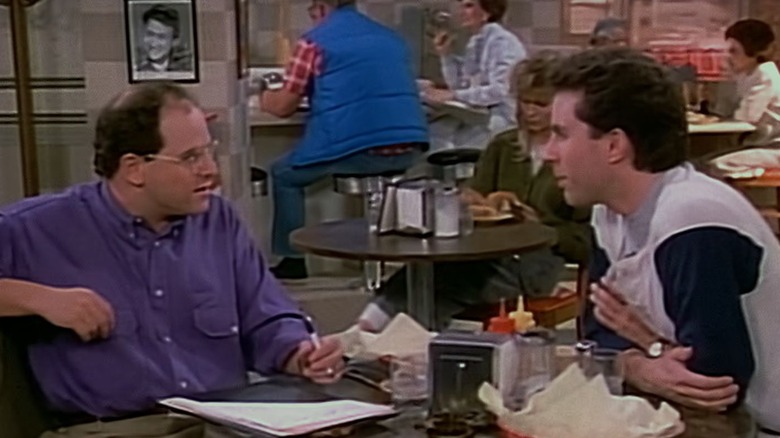
There's little doubt that "Seinfeld" would end up near the top of most everyone's list of best sitcoms ever made, but it certainly didn't start out that way. The hijinks that the show would become synonymous with for most of its run were sorely lacking during its five-episode debut season. These early episodes were heavily interspersed with Jerry Seinfeld's stand-up act, and the characters were a far cry from the icons we'd come to know and love.
How dreadful was that first season? The pilot was so panned by test audiences that NBC nearly killed the sitcom completely, before finally deciding to launch it in July — which is definitely not considered an ideal spot for a new show to debut. An NBC research memo, uncovered by TV Guide, that summarized the test audiences' reactions was a big reason for that decision. According to the memo, "no segment of the audience was eager to watch the show again."
Viewers found the cast unlikable, the plot boring, and the switching back and forth between Jerry's stand up and the other scenes confusing. They weren't wrong. There isn't much to enjoy in those first five episodes. George comes off as perpetually abrasive, Kramer is nowhere near the over-the-top tornado of insanity he would grow to become, and Elaine seemed as if she was there to fill a female quota rather than add anything to the mix. Thankfully, just enough people believed in "Seinfeld" to give it a second chance and the rest was history.
2. Parks and Recreation
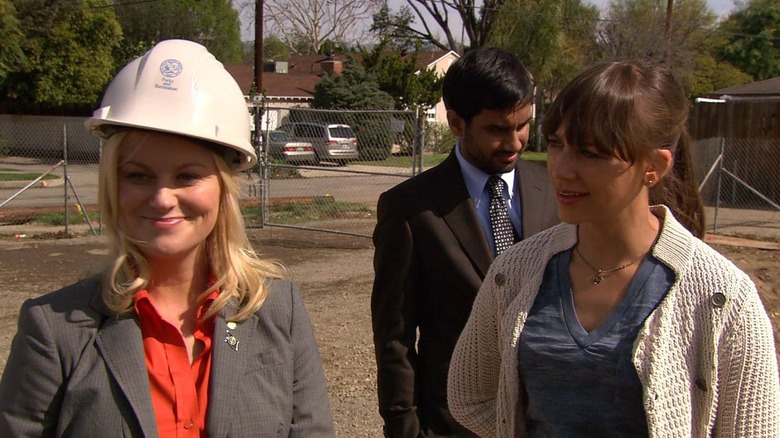
You have to be a pretty special series to crack the list of best NBC shows of all time, but "Parks and Recreation" definitely fits that bill. The plight of the plucky government workers in Pawnee, Indiana kept audiences for seven seasons. That said, that first six episode season is one that fans aren't especially enthused about.
If you go back and rewatch the show, it's jarring how different most of the cast acts in Season 1 compared to what they would become. Ron Swanson, known to fans as a gruff, unmovable curmudgeon who delivered deadpan one-liners, starts off as a fairly quiet, nondescript character. Tom Haverford, who was always looking for the next scheme to catapult him to stardom, comes off as just a bored government employee.
Then there was a character so bland he left audiences asking, "Mark Brendanawicz, what is the point of you?" Mark was positioned as a straight man surrounded by off-the-wall characters, but because everyone else's performances were so muted and grounded in Season 1, he just came across dull and uninteresting. Even making him a possible love interest for Leslie Knope, and later for Ann Perkins, couldn't save him. While everyone started to find their groove in Season 2, it was the injection of Ben Wyatt and Chris Traeger (and the quiet removal of Mark) into the main cast that truly kicked the show into full gear.
1. The Office
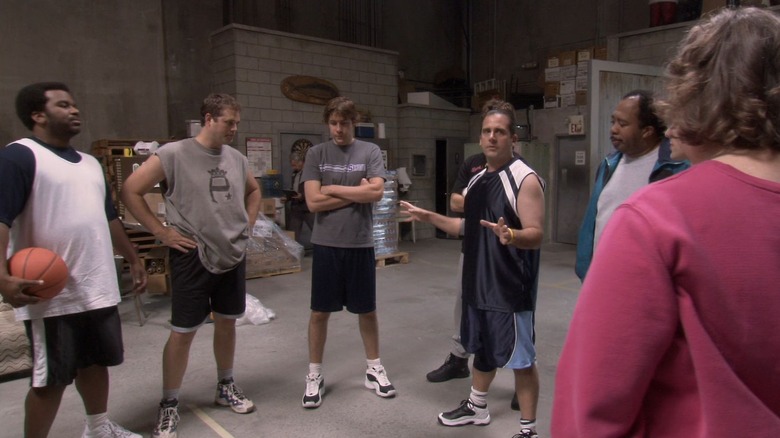
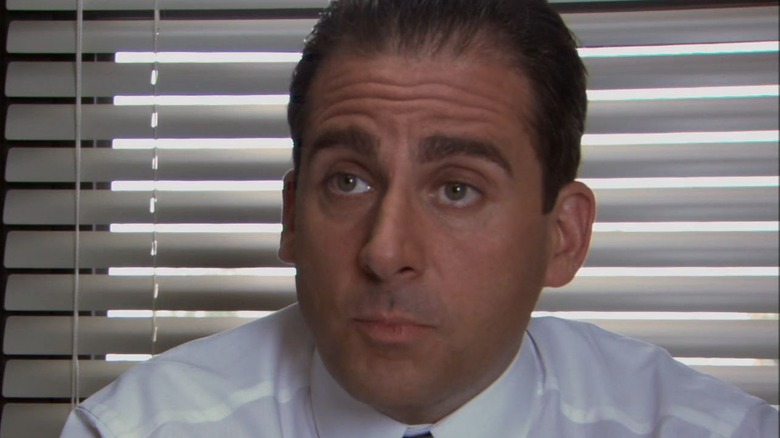
Perhaps the greatest example of a show that needed time to find its footing is at the top of our list here. "The Office" is considered by many to be one of the funniest sitcoms of all time, but similar to "Seinfeld," the series nearly got the axe after its freshman season. If you've watched all nine seasons, you know why. While there are flashes of what we could expect down the road, those moments are few and far between. Michael's bravado is a fraction of what it will become, Dwight isn't close to resembling the caricature he'd turn into, and the rest of the cast seem a little too normal for anyone to care about.
While there was a lot of buzz surrounding the debut of "The Office" because of the original's popularity in England, that fire died out quickly on this side of the pond with the show barely managing to crack the top 100 in the ratings in its debut season. The series was granted a reprieve, however, thanks to two lucky breaks.
First, Steve Carell — who was largely unknown when Season 1 debuted — became an instant movie star when his film "The 40-Year-Old Virgin" exploded over the summer. Secondly, executives noticed that large numbers of people were watching the show on iTunes, which was easier to track and far more reliable than television ratings numbers. Those two factors led to NBC renewing "The Office" for a second season, and we were all rewarded with eight more seasons of comedy gold.