

Battlestar Galactica's Creator Also Launched Another Cult-Classic '70s Sci-Fi Series
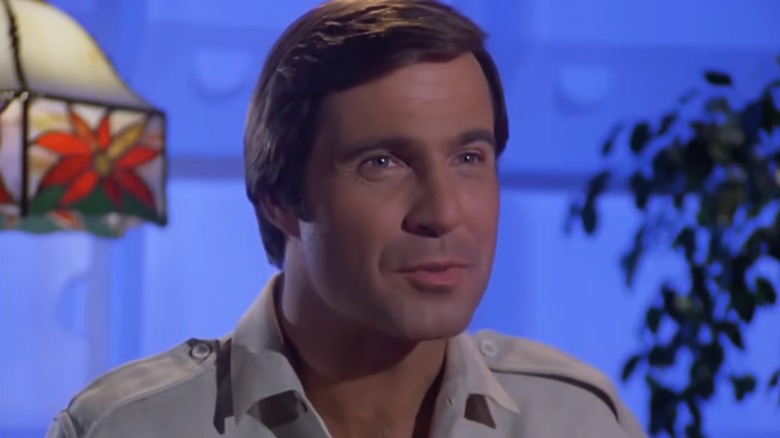
Amongst sci-fi fans, television producer Glen Larson's greatest legacy is the creation of "Battlestar Galactica," the epic space opera that ran for one glorious season from 1978 to 1979 (spawning a much less successful '80s sci-fi sequel series). Larson's show was re-imagined in the 2000s by Ronald D. Moore, who created what many believe to be a science fiction masterpiece.
Larson parlayed his "Battlestar Galactica" success into a forgotten '70s sci-fi show that still holds up today. "Buck Rogers in the 25th Century" premiered in 1979 on ABC — following a theatrical release of the pilot — with Gil Gerard playing the title character. First introduced in 1928 and featured in a popular comic strips and radio drama, Buck is an astronaut from the 1980s who awakens 500 years in the future and is tasked with saving the world from an alien invasion.
The similarities between Larson's two sci-fi shows are more than incidental — Larson used some of the same sets and props from "Battlestar Galactica" in "Buck Rogers." Though it wasn't a massive hit, "Buck Rogers" was relatively successful in the ratings, at least initially. Ultimately, the show only ran for two seasons, though it remains a cult classic among sci-fi fans.
Battlestar Galactica's Glen Larson had a TV formula, and it worked well for him
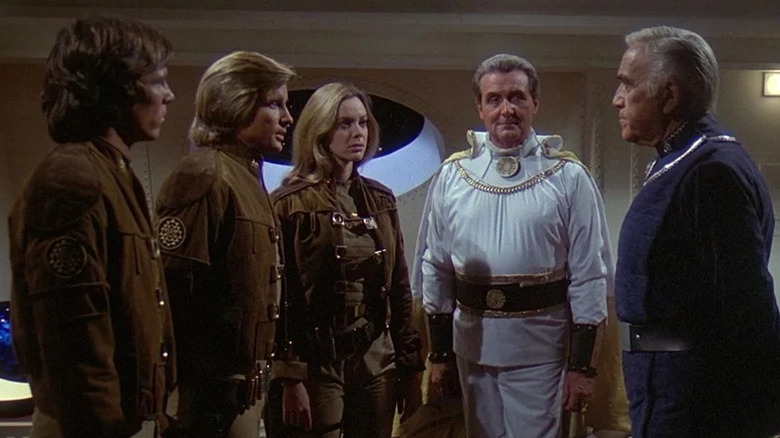
Prior to creating "Battlestar Galactica" and "Buck Rogers in the 25th Century," Glen Larson wrote for shows like "It Takes a Thief," "McCloud," and "Alias Smith and Jones." In the 1980s, he created the hit series "Magnum, P.I.," the David Hasselhoff-led "Knight Rider," and "The Fall Guy," which inspired the 2024 movie of the same name.
Larson's work is pure popcorn entertainment, and his heroes tend to be swashbuckling, catchphrase-spewing hunks paired with goofy sidekicks and featuring some sort of high-concept gimmick — like a talking car or an astronaut who's been frozen for 500 years. His series often draw from popular films, such as "Star Wars" and "Tron," leading writer Harlan Ellison to give him the derisive nickname "Glen Larceny." Still, Larson's shows were quite popular, and helped define television of the era.
Indeed, "Buck Rogers" might have lasted longer if it had stayed true to Larson's formula of utter fluff. The first season of the show reflected the disco aesthetic of the late 1970s, with cheesy action, a colorful style, and an optimistic tone. But in Season 2, things shifted, and the show became more serious, reflecting the popularity of "Star Trek." This change proved divisive, and the show was canceled after a ratings drop.