

15 Best TV Shows Created By Famous Movie Directors
We may receive a commission on purchases made from links.
From Ida Lupino helming episodes of "The Twilight Zone" and "Gilligan's Island" to Steven Soderbergh directing the entirety of "The Knick," many of the best movie directors across all eras have dabbled in television. But, with TV auteurism historically being more centered around writers, rare are the cases in which film directors actually create TV shows themselves, as opposed to boarding them specifically as directors some time along the development process.
Still, there have been a good handful of notorious instances. This list looks at the 15 best TV series from around the world that were not just directed or produced, but effectively created by famous movie directors — either on the basis of them having received explicit "Created by" credit, or having written the shows in question in their entirety. Mind you, this leaves out several high-profile examples of shows that were helmed primarily or entirely by celebrity filmmakers, but were not actually created by them.
Band of Brothers (co-created by Steven Spielberg)
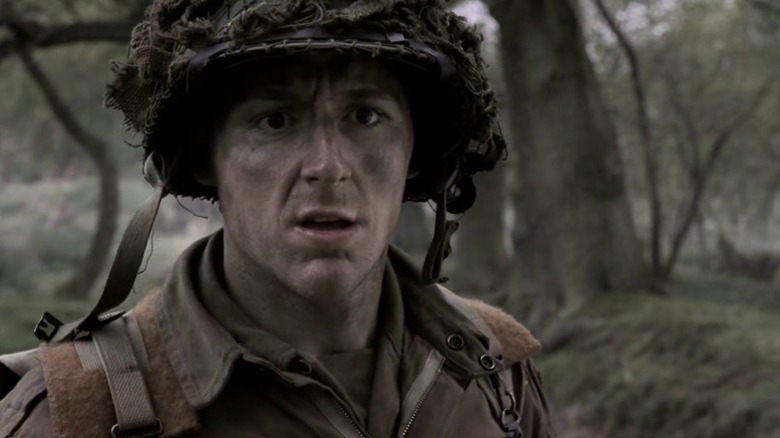
Adapted from the eponymous 1992 nonfiction book by Stephen E. Ambrose, with Steven Spielberg and Tom Hanks on hand as creators and executive producers, HBO's seminal 2001 miniseries "Band of Brothers" tells the story of the United States Army's E Company and the trials that it faced during World War II. Each major character is based on a real-life E Company member, and each episode begins with testimonies from surviving veterans — setting the stage for one of the most intimate and vividly-realized portrayals of the horror of war in TV history.
Although Spielberg didn't personally direct or write any individual episodes, the series unmistakably hails from the same creative period that had birthed "Saving Private Ryan" three years prior, complete with similarly sturdy production values, sound design, and cinematography. But, with time to patiently develop its characters and their myriad stories — from participating in D-Day to freeing the prisoners of a German concentration camp — over the course of 10 episodes, "Band of Brothers" significantly outdoes "Saving Private Ryan" on a dramatic level. It's the best Steven Spielberg-produced TV show by a mile.
Paranoia Agent (created by Satoshi Kon)
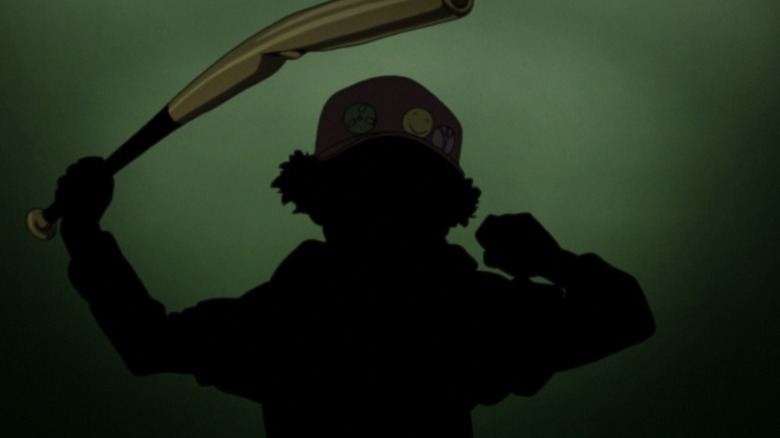
The great Satoshi Kon made only four feature films in his tragically brief career as director — all of which are excellent enough to be separately argued for as masterpieces. But the very best work in Kon's oeuvre may in fact not be a film at all; many critics and fans of the most visionary animation director of the last 30 years would cite the 13-episode 2004 animated series "Paranoia Agent" as the single best thing that Kon ever made.
With Kon as the creator, story writer, and occasional storyboarder, "Paranoia Agent" tells of the panic that engulfs Musashino, Toyko when several people are attacked by a mysterious assailant. Nobody can remember his face, or anything about him save for a few consistent shards of memory: He's an elementary school-age boy, he wears golden roller skates and a baseball hat, and his attacks are carried out with a bent baseball bat. Hopping from character to character as the stories of the Bat Boy's victims and investigators intermingle, "Paranoia Agent" puts Kon's signature visual and narrative fluidity in service of a haunting, thought-provoking, brilliantly disorienting study of the social wildfires wreaked by the titular psychological state.
Dekalog (co-created by Krzysztof Kieślowski)
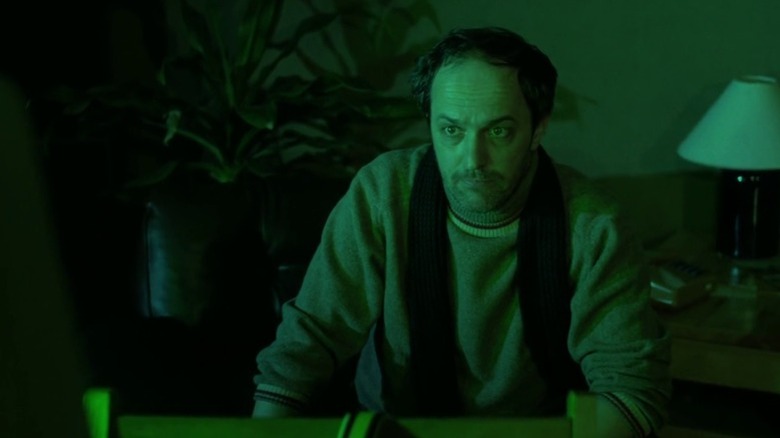
Originally shown at the 1989 Venice Film Festival before making its way to Polish and then global television, "Dekalog" finds Euro arthouse renovator Krzysztof Kieślowski availing himself of TV's episodic format like only a master filmmaker could. Written entirely by Kieślowski himself alongside Krzysztof Piesiewicz, the series uses each of its 10 installments to meditate on one of the Biblical Ten Commandments, as applied to the woes and contradictions of then-contemporary Polish society.
The series doesn't specify which of the various historical inventories of the Ten Commandments it's working off of, nor which Commandment is the basis for each episode — it's all left for the viewer to figure out. But each of the ten stories puts itself forth so persuasively and grippingly, with such a firm command of cinema's potential for expressing emotional, moral, and philosophical crisis through imagery and performance, that expository title cards and 1:1 correspondences are hardly missed. It's one of the best, most original, and most ingeniously textured television series of all time.
Alias Grace (created by Sarah Polley)
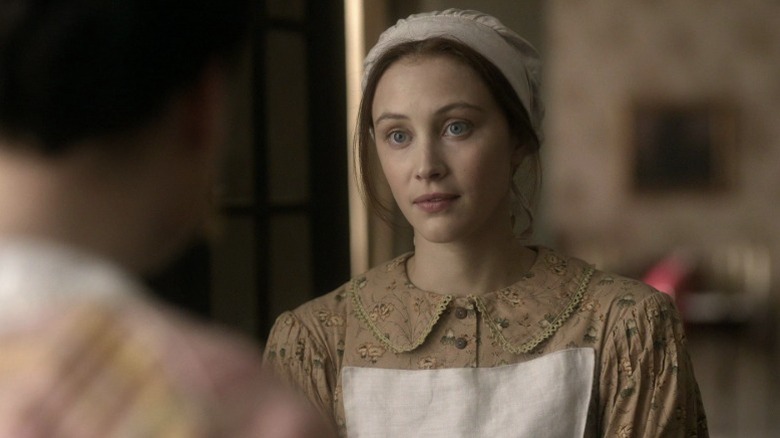
Adapted from the eponymous 1996 Margaret Atwood novel, the 2017 CBC miniseries "Alias Grace" marked the meeting of two major auteurs of modern Canadian cinema: Sarah Polley, who created and wrote it, and Mary Harron, who directed all of its six episodes. The ever excellent Sarah Gadon stars as Grace Marks, a mid-19th-century maid in colonial Canada who has been imprisoned for 15 years for her supposed involvement in two infamous murders — yet has no recollection of the events that led to her conviction.
With support from a committee of activists, Grace consults with Dr. Simon Jordan (Edward Holcroft), a psychiatrist whose evaluation may have her sentence overturned. She begins to recount her life story, starting with her arduous immigration from Ireland, all the way to her highly complex relationship with housekeeper Nancy Montgomery (Anna Paquin). In between fractured flashbacks, unreliable narrations, and moments of scorching emotional intimacy and subtle horror, Polley and Harron give prismatic audiovisual life to Atwood's reflection on class, gender, violence, and madness, fully honoring all of its nuances and social observations and building to a killer finish.
Scenes from a Marriage (created by Ingmar Bergman)
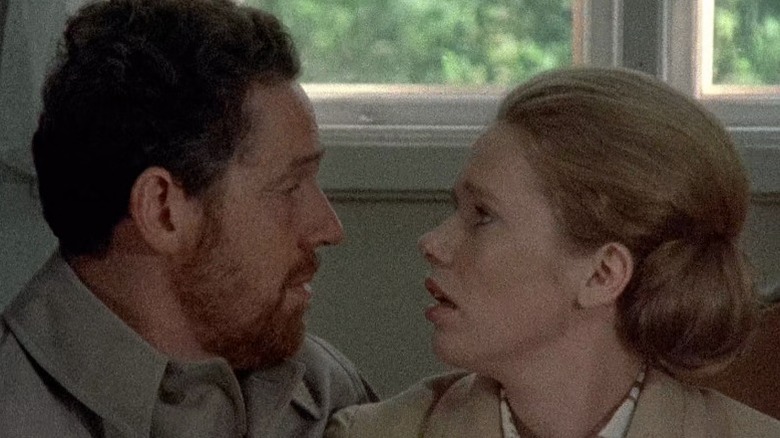
Also released as a condensed 167-minute film, the six-part Swedish miniseries "Scenes from a Marriage" ranks among the finest, most incisive works of Ingmar Bergman — which makes it an all-time highlight of the television medium by default. Originally aired on Sweden's SVT in 1973, the show stars Liv Ullmann and Erland Josephson as Marianne and Johan, a wealthy married couple from Stockholm who begin to experience a host of romantic, sexual, and existential issues under the gloss of their seemingly perfect life.
In long, straightforward scenes of galvanizing conversational candidness, Marianne and Johan hash out their problems with a mixture of warm familiarity and long-simmering resentment; Bergman, Ullmann, and Josephson miraculously evoke the sense of intricate history between two people who have been breathing each other's air for more than a decade. With the episodic format opening up space for quiet explorations of mundane existence, the show finds Bergman turning his powers of cinematic synthesis towards the quotidian substance of love, family, and human emotion — to utterly astonishing results.
The Underground Railroad (created by Barry Jenkins)
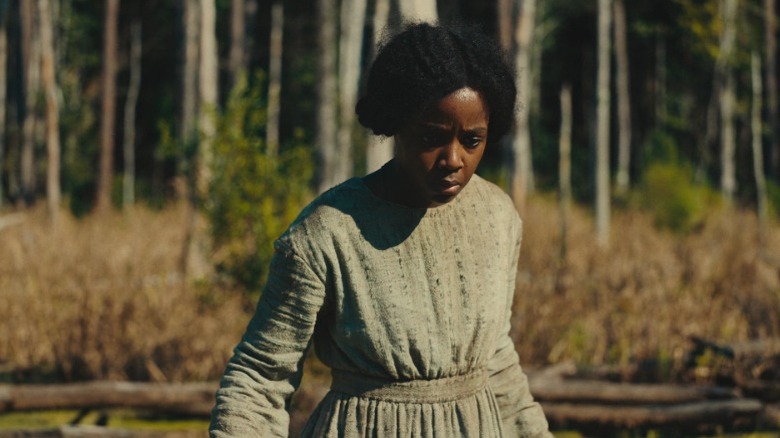
Created by Barry Jenkins, who also directed all 10 episodes and wrote or co-wrote four, "The Underground Railroad" is a brilliant 2021 miniseries that renders the eponymous Pulitzer-winning Colson Whitehead novel into a harrowing, razor-sharp, achingly personal widescreen epic. Jenkins brings his generational balance of poetry and sobering honesty, previously displayed in films like "Moonlight" and "If Beale Street Could Talk," to a story that — much like its source material — expresses the unquantifiable pain of American slavery through thoughtful magic realism.
On the series, the historical network of abolitionists and safe routes to freedom figuratively dubbed the "underground railroad" in the 1800s is re-imagined as an actual, physical railroad running along secret underground tunnels. South African breakout Thuso Mbedu plays Cora Randall, an enslaved woman in Georgia who joins forces with Caesar Garner (Aaron Pierre) to make off to the legendary railroad and follow it to freedom. As they journey to various stops across the United States that uncloak oft-unaddressed elements of 19th-century American White supremacism and its psychopathic structures, "The Underground Railroad" paints a portrait of time and place at once diligently historical and richly imagined, with continually unfolding new layers of imagery and character.
Twin Peaks (co-created by David Lynch)
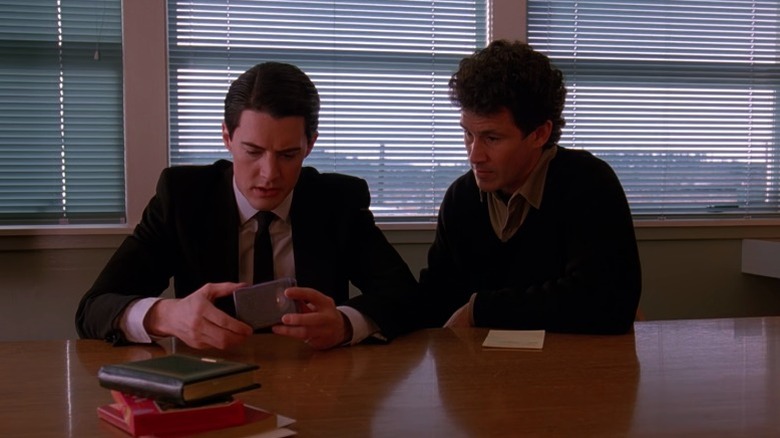
The show that stopped the world on its tracks in the early '90s still ranks as one of the essential works in the career of the greatest post-'70s American director. With its injections of surrealism into a terse procedural plot, and its wry manipulations of serialized intrigue for the purposes of drama, comedy, and mystery, "Twin Peaks" didn't just revolutionize television; it marked a momentous leap forward for David Lynch as an artist and storyteller, one which would directly inform all of his subsequent masterpieces.
Created by Lynch alongside Mark Frost, "Twin Peaks" originally aired on ABC between 1990 and 1991 for two traditional seasons (with various writers and directors divvying up episodic duties following Lynch's direction of the pilot), before coming back for a one-off Showtime revival entirely directed by Lynch in 2017. Save for a rougher stretch of episodes following Lynch's temporary departure on Season 2, the whole show brims with his entrancing fascination for the sublime and the uncanny; the investigation into the murder of Laura Palmer (Sheryl Lee), while plenty gripping and finely-wrought in itself, is but a window into the maelstrom of cosmic absurdism and veiled all-American horror epitomized by the titular town.
The Mary Tyler Moore Show (co-created by James L. Brooks)
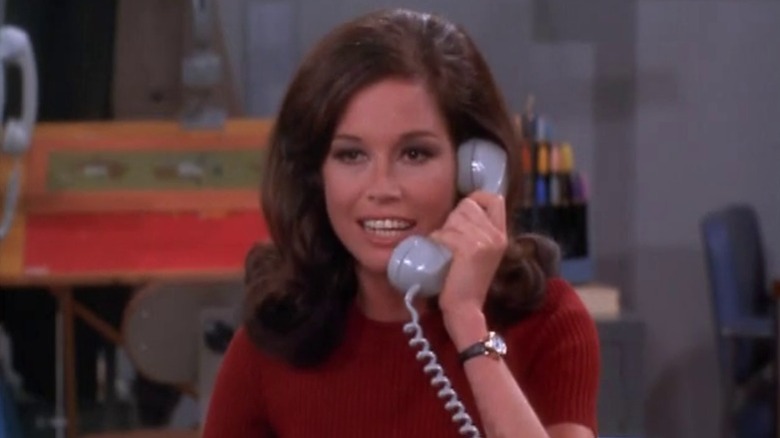
Among his innumerable accomplishments as a director, writer, and producer of episcopate stature across six decades (which, on TV alone, also included co-developing "The Simpsons" and being one of the four authors who originated "Taxi"), James L. Brooks co-created "The Mary Tyler Moore Show" with Allan Burns. It was maybe the most decisive instance of Brooks helping to permanently transform American sitcoms — which is saying a lot.
Also known as just "Mary Tyler Moore," this CBS classic is one of the very best TV shows of the 1970s. Moore stars as Mary Richards, a tough-as-nails, career-driven producer at a local Minneapolis news program. With some of the most painstakingly hilarious writing in the medium's history to back it up, the show brought female TV representation to a new, better standing, while treading wholly new ground in its exploration of the complicated lives of urban young adults dealing with topical issues of their time. It was one of the boldest shows ever made — but, week after week for seven years, Brooks and Moore never let it feel like anything but a cozy hoot.
Ping Pong (created by Masaaki Yuasa)
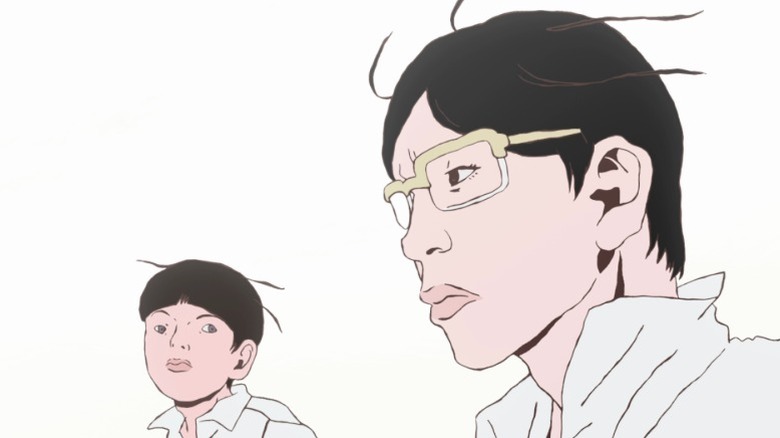
Adapted from the eponymous five-volume '90s manga series by Taiyō Matsumoto, "Ping Pong" is an 11-episode anime that finds Masaaki Yuasa at his unrestrained best. Known for the brain-rewiring joys of experimental animated films like "Mind Game" and "The Night Is Short, Walk On Girl," Yuasa takes advantage of the simultaneously shorter and lengthier TV format to indulge his mellifluous creativity to the fullest, creating what may well be his single most energetic and fully-realized piece.
Like the manga, "Ping Pong" the animated series follows the ins and outs of elite table tennis as experienced by Makoto "Smile" Tsukimoto and Yutaka "Peco" Hoshino, two childhood best friends and lifelong players who graduate to a more rarefied level of competition upon entering high school. Smile is hugely talented, yet reticent; Peco has a hulking but brittle ego; in their journey to understand themselves and each other through the question of what draws them to the sport in the first place, Yuasa — who scripted all 11 episodes — finds unimaginable levels of character complexity and existential profundity, all manifested through riveting, expertly structured, dazzlingly animated sports cinema.
When They See Us (created by Ava DuVernay)
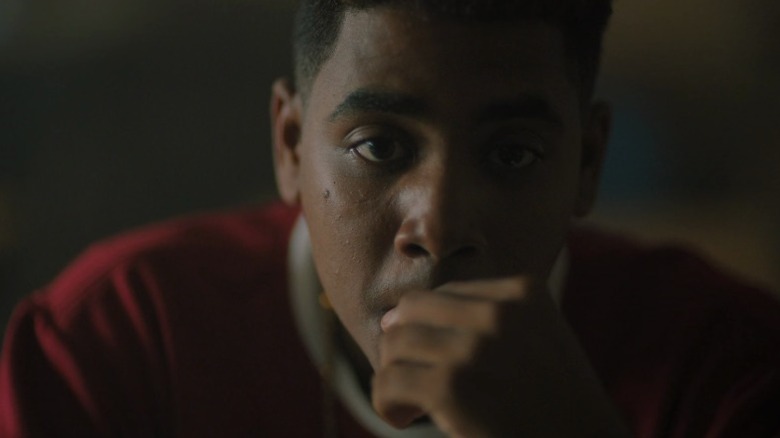
In addition to helming modern American film classics like "Selma" and "13th," Ava DuVernay has established herself as a highly prolific and dependable TV writer and producer. This list could just as well highlight underrated gems like "Queen Sugar," "Cherish the Day," and "Naomi" out of DuVernay's many series creator credits, but, if we must hone in on one, it has to be "When They See Us."
Created, co-written, and entirely directed by DuVernay, this 2019 Netflix miniseries takes a fictionalized look at the infamous case of the Central Park Five, in which five Black and Latino young men were wrongly convicted of involvement in the sexual assault of a white woman in New York City in 1989. It's a tough, at times unbearably stressful and revolting watch that bears unflinching witness not only to the ingrained racism of the U.S. justice system, but to all the forms of marginalization to which young people of color have been historically submitted in American society. DuVernay weaves these heady themes into the storytelling with surehanded aplomb, avoiding the usual sensationalist trappings of the true crime genre by dutifully humanizing her subjects — with help from a truly astonishing ensemble cast, led by a rightfully Emmy-winning Jharrel Jerome performance.
Andor (created by Tony Gilroy)
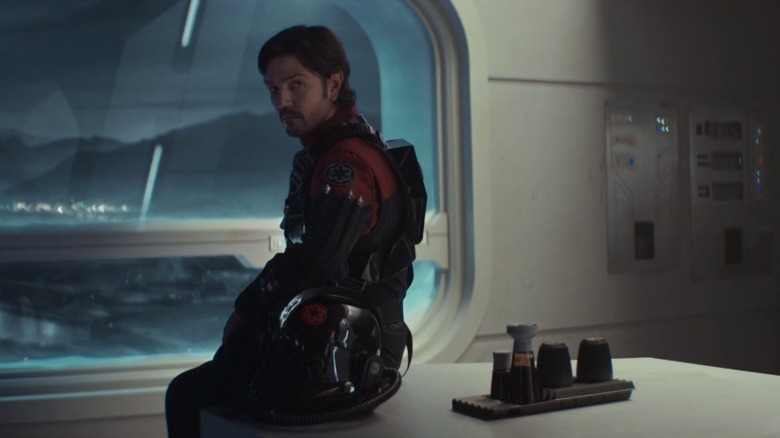
One of the best works ever to emerge from the "Star Wars" franchise, "Andor" set a high benchmark for all contemporary big-budget sci-fi with any interest in exploring serious sociopolitical themes. Created by "Bourne" original trilogy writer and Oscar-nominated "Michael Clayton" director Tony Gilroy, this massively acclaimed Disney+ series (which was originally going to follow an ultimately canceled five-season plan) takes place in the brewing days of the revolution against the Galactic Empire.
Set five years before the events of "Rogue One" and "A New Hope," the show particularly focuses on the character of Cassian Andor (Diego Luna) — who, despite being depicted in "Rogue One" as a passionate rebel fighter, begins this prequel series as a disillusioned scavenger who wants nothing to do with the resistance. Through some of the darkest, most detailed, most multi-layered, and altogether best writing in "Star Wars" history (which netted the show an Outstanding Drama Writing Emmy in 2025), "Andor" depicts the process by which Cassian and other richly-drawn characters embrace the fight against oppression, risking everything in the process — a story at once enthralling as heroic fantasy and deeply resonant as political allegory.
Top of the Lake (co-created by Jane Campion)
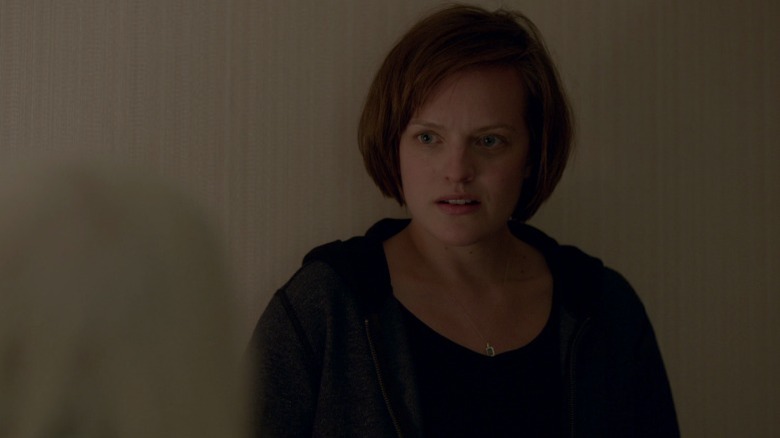
After helping to put New Zealand cinema on the global stage, followed by decades of subverting traditional onscreen gender dynamics from within the belly of the Hollywood beast, Jane Campion joined forces with longtime collaborator Gerard Lee to create one of the most significant works of both of their careers: "Top of the Lake."
Originally presented as a miniseries but later followed up by a sequel titled "Top of the Lake: China Girl" that acts as a de-facto second season, this somber crime thriller centers Sydney detective Robin Griffin (Elisabeth Moss) as she takes on taxing cases involving sexual violence. Campion shares directing duties with Garth Davis on Season 1, and Ariel Kleiman on Season 2, while co-writing all episodes with Lee.
Both seasons are masterclasses in moody, engrossing, intricately-assembled procedural drama. Like all of Campion's oeuvre, they tackle difficult questions surrounding societal misogyny with a touch at once enormously sensitive and, where it needs to be, unsparingly blunt.
Mildred Pierce (co-created by Todd Haynes)
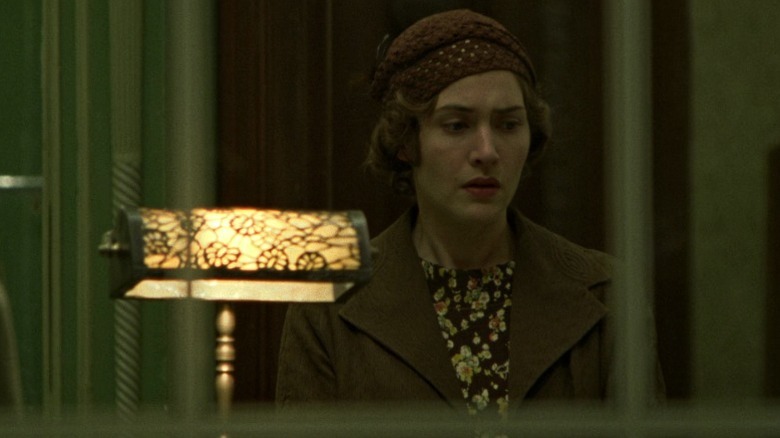
From "Safe" to "Far from Heaven" to "Carol," few male filmmakers have proven as attuned to the nuances of women's experiences under the scaffolds of American patriarchy as Todd Haynes — and so it was serendipitous that Haynes should be the one to make "Mildred Pierce," a 2011 HBO adaptation of the eponymous James M. Cain novel.
Co-scripted by Haynes and Jon Raymond, the "Mildred Pierce" miniseries finds Kate Winslet giving a deeply-considered, full-bodied, subtly searing performance that equals — and in some respects even exceeds — the iconic Oscar-winning 1945 turn by Joan Crawford in the same role. Across five hour-long installments, Winslet charts every little internal vibration in the self-reinvention of the titular protagonist, a divorced woman in 1930s California who struggles to maintain a successful restaurant and provide for herself and her two daughters during the Great Depression.
Haynes directs all five episodes with the same painstaking attention to gesture, staging, and photography that makes his movies great. Freed from the need to condense all the detail of Cain's novel into feature length, he lets "Mildred Pierce" unfurl to its widest audiovisual potential, resulting in one of HBO's most powerful pieces of dramaturgy ever.
Sense8 (co-created by Lana and Lilly Wachowski)
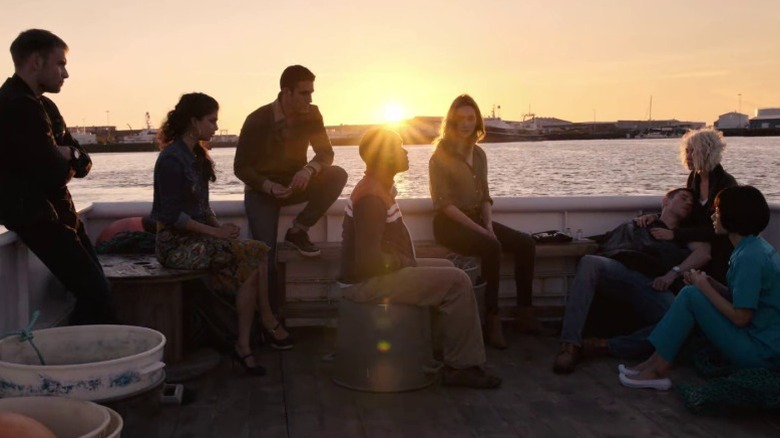
"Sense8" was in many ways a fluke: A result of Lana and Lilly Wachowski seeing a window of opportunity in Netflix's then-nascent eagerness to bankroll original content, and using the streamer's momentary vacuum of creative directives to materialize a massive, exuberantly ambitious, and utterly wild blockbuster vision. That the show even managed to last for as long as two seasons is a miracle to be cherished.
Co-created by the Wachowskis alongside sci-fi TV veteran J. Michael Straczynski, "Sense8" follows eight strangers from different corners of the globe, who discover that they're bound together by a psychic link that allows them to share each other's headspaces and experiences. As the eight heroes feel their way through this emotionally and existentially fraught scenario, a vast global conspiracy emerges — but all of the show's paranoia-thriller elements are just a foundation for a no-holds-barred exploration of empathy, identity, sexuality, and the mystery of human connection. It's a chaotic, beautiful, altogether brilliant show — and its hyperlinking action scenes, shot largely on location in seven different countries, are as stunning in their own way as anything in "The Matrix."
Berlin Alexanderplatz (created by Rainer Werner Fassbinder)
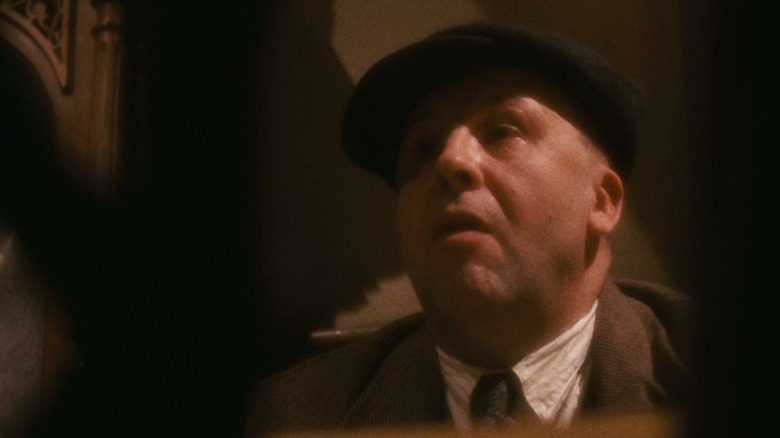
Rainer Werner Fassbinder is arguably the most iconic name in all of New German Cinema, and, of his many lurid masterpieces chronicling the dark underbelly of humanity via the fault lines of German society, none had quite the breadth or the overwhelming totality of "Berlin Alexanderplatz."
Written and directed by Fassbinder from the classic 1929 novel by Alfred Döblin, this 14-part, 894-minute miniseries begins by telling — in an apparently stately and straightforward manner — the story of Franz Biberkopf (Günter Lamprecht), an utterly rotten man starting over in Berlin after doing time for the murder of his girlfriend Ida (Barbara Valentin). As the episodes wear on, however, "Berlin Alexanderplatz" becomes increasingly experimental and surrealistic, ultimately surpassing even Fassbinder's theatrical films in its willingness to drag viewers into the depths of a broken, festering soul. Television has seldom been this bold, this dizzying, or this brilliant.