

10 Saddest Star Trek Deaths, Ranked
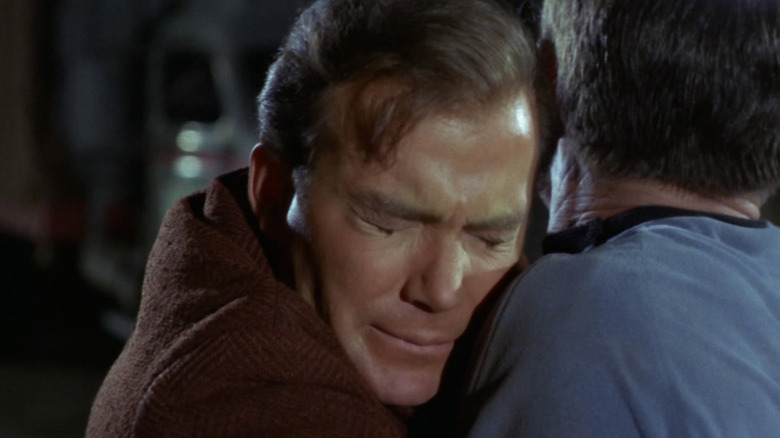
While "Star Trek" has captured the wondrous possibilities of the cosmic unknown, it's also a show that always made it clear that risk-taking comes with consequences. And what better to underscore the nature of consequence than by killing off characters to drive the point home? This is all to say that "Star Trek" has been regularly offing characters since its earliest episodes, highlighting that the final frontier comes with a healthy amount of lethality. Sometimes, these deaths are particularly heartbreaking, especially when a fan-favorite character finds themselves in the creative crosshairs.
With that in mind, we're looking at the most heartrending deaths throughout "Star Trek," be it the demise of memorable guest stars or the loss of a main character. "Star Trek" hasn't been shy about killing its darlings over the years, but that doesn't lessen the impact of a divisive death. To clarify, since we are TVLine after all, we're keeping this list to deaths that occurred in the franchise's various television series, not the movies. These are the 10 saddest "Star Trek" deaths ranked, at least as far as the franchise's television moments go.
10. Data (Picard)
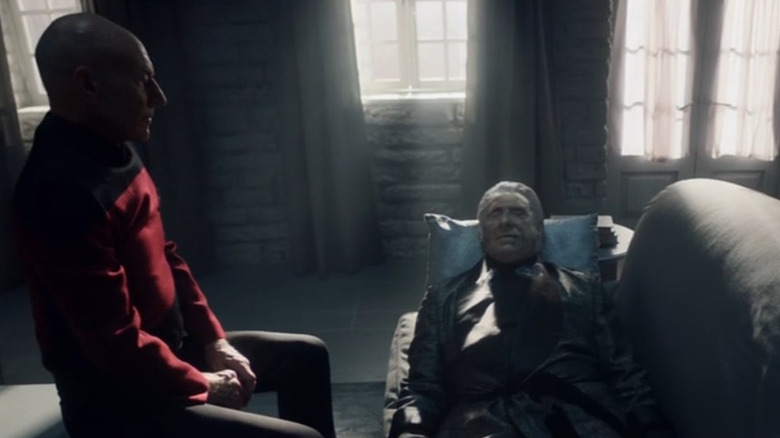
While Data (Brent Spiner) already had his big heroic sacrifice moment in the 2002 movie "Star Trek: Nemesis," the character made his official return in the "Star Trek: Picard" premiere episode. This tease foreshadows the reveal that Data still exists digitally though, in his personal quest to embrace the human condition, he wants to finally be allowed to die in peace. In the Season 1 finale, Jean-Luc Picard (Patrick Stewart) meets his old friend's digital consciousness and, in accordance with his wishes, deletes him. This process isn't instantaneous, but one that allows Data to rapidly age before passing away peacefully within the confines of his erased program.
There are a lot of problems with "Star Trek: Picard" Season 1 but the bittersweet handling of Data's death is not one of them. Elevated by the classic song "Blue Skies," a favorite of the character, Data experiences the culmination of the human journey by dying, not in heroic bombast, but serenely in bed. What holds this scene back from a higher spot on this list is that Data returns with his old friends in "Star Trek: Picard" Season 3, undercutting the moment. But "Star Trek" is no stranger to resurrecting fan-favorite characters, so we're not complaining about Data coming back too much.
9. Trip Tucker (Enterprise)
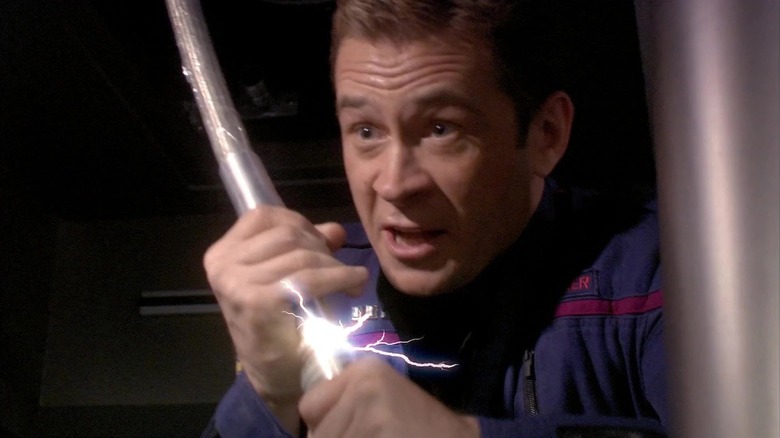
When "Star Trek: Enterprise" was cancelled after four seasons, the prequel series ended with one of the show's weakest episodes ever. The series finale, "These Are the Voyages...," had Will Riker (Jonathan Frakes) revisiting the final adventures of the Enterprise NX-01 through an advanced Holodeck simulation. This includes the death of chief engineer Trip Tucker (Connor Trinneer), who sacrifices himself to save the Enterprise from raiders. The death casts a pall over the rest of the crew, especially Trip's captain Jonathan Archer (Scott Bakula), ahead of a vital diplomatic meeting.
Trip's death is sad because it feels largely pointless, as a cheap way to drum up strife and a sense of serious stakes to close out the series. What makes it all the more frustrating is that this scene takes place within a Holodeck simulation rather than in media res for the Enterprise NX-01 characters themselves. But a big reason why the death feels so divisive is precisely because it is so heartbreaking, with Trip being one of the more likable characters in the show's cast. Capturing a more bitter side of mortality than the show perhaps intended, Trip Tucker's death is among the most infamous moments in "Enterprise."
8. Hemmer (Strange New Worlds)
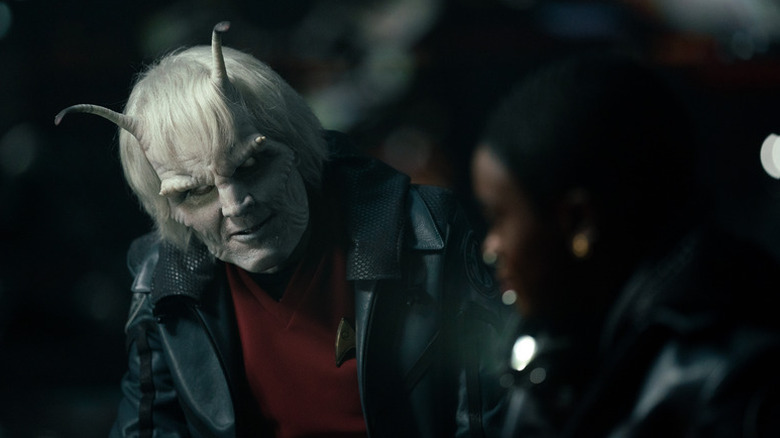
The new wave of "Star Trek" series on Paramount+ has featured its fair share of major deaths, but there's something about "Strange New Worlds" that cuts a little deeper. The first season of the prequel series had the Enterprise's engineering section led by Hemmer (Bruce Horak), a gruff figure and tonal counterpoint to eager new recruit Nyota Uhura (Celia Rose Gooding). In the episode "All Those Who Wander," Hemmer is infected by the monstrous Gorn and sacrifices himself rather than letting the hatchling survive. With killer alien babies invading "Strange New Worlds," the moment is as nightmarish as it is sad for those who grew to like the grumpy engineer.
Hemmer is the classic curmudgeon with a heart of gold. While he was a new character to this franchise, we certainly expected him to last longer than nine episodes. That makes his death all the more shocking and tragic in its own right, even watching him quietly make peace with his decision. The scene also serves as a coming-of-age moment for Uhura as she experiences the horrors of the unknown firsthand with the loss of someone she's come to know and respect. "Strange New Worlds" has made "Star Trek" fun again, but not without the high stakes that fans associate the franchise with, and Hemmer's death is a clear reminder of that.
7. Tasha Yar (The Next Generation)
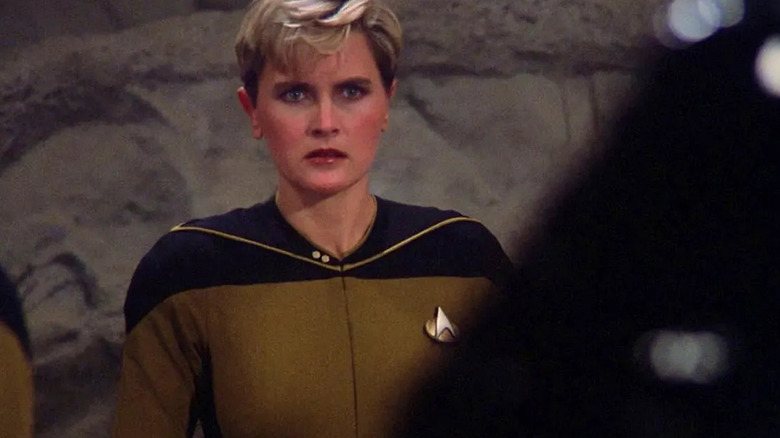
"Star Trek: The Next Generation" became the first show to kill off a regular character during the series' run with the death of Tasha Yar. Played by Denise Crosby, the Enterprise's chief security officer met her end in the first season episode "Skin of Evil." While trying to rescue ship counselor Deanna Troi (Marina Sirtis), Tasha is killed by a psionic blast from the tar-like entity Armus (Mart McChesney). Startlingly abrupt, the moment shocks Tasha's friends and they mourn her passing upon successfully outwitting Armus and escaping to safety.
"The Next Generation" is a show that recovered from a bad first season and "Skin of Evil" highlights some of those shortcomings. But later episodes of the series really highlight what a profound loss Tasha's death made, particularly the third season episode "Yesterday's Enterprise." This time-bending and all too brief return of the character served as a melancholy reminder of what she brought to the Enterprise and was never fully restored following her demise. Tasha Yar may have only been a part of "TNG" for its first season, but her death cast a longer legacy for the character.
6. Tuvix (Voyager)
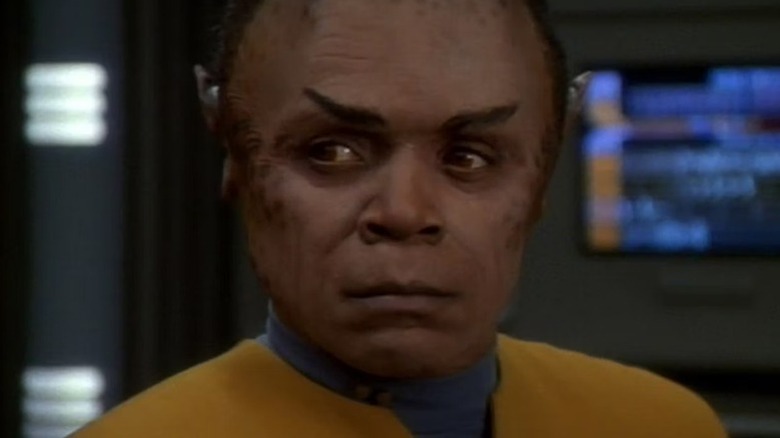
"Star Trek: Voyager" provided the franchise with more desperate stakes and morally complex storytelling, continuing some of the tonal direction from "Deep Space Nine." Those complex conundrums are exemplified by the second season episode "Tuvix," which revolves around a transporter accident merging Tuvok (Tim Russ) and Neelix (Ethan Phillips) into a single composite being. Containing a consciousness and identity of his own, Tuvix (Tom Wright) realizes that reversing the accident will effectively end his existence. Despite these concerns, Captain Kathryn Janeway (Kate Mulgrew) decides to dissolve Tuvix and restore her friends when the Doctor (Robert Picardo) refuses to do so on moral grounds.
That fans are still debating if Janeway did the right thing by essentially killing Tuvix decades later underscores the story's emotional impact. There is no clear right answer if what Janeway did was right, killing one sentient being to bring back two others. The Doctor's trepidations about following through with the procedure himself are certainly understandable, fueled by Tuvix's existential anxieties about his imminent end. Janeway is one of the best "Star Trek" captains, but the Tuvix debate does clearly stand as one of her most divisive moments in the series.
5. Lal (The Next Generation)
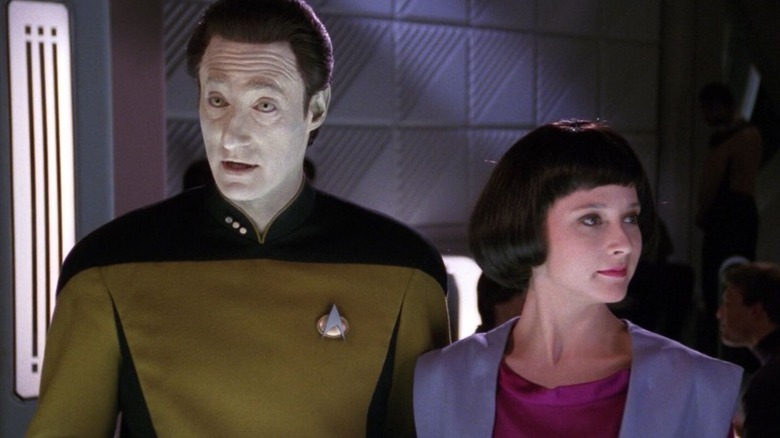
Long before ending his exploration of the human condition with euthanasia, Data learned more about humanity by becoming a parent in "The Next Generation." The third season episode "The Offspring" has Data create a synthetic daughter for himself to raise, naming her Lal (Hallie Todd). As Lal rapidly adapts to human behavior at a faster rate than her father, Starfleet Command tries to have her remanded into their custody for further study. While the Enterprise crew resists this order, the matter is sidelined when a systemic failure in Lal's positronic brain causes her to malfunction and pass away.
Season 3 is ranked among the best "Star Trek: The Next Generation" seasons, bringing the level of storytelling to new heights with more thought-provoking and richly emotional stories. "The Offspring" is a prime example of this, revisiting themes about what qualifies as sentient, free-willed existence, but also the nature of mortality. Even though Data isn't visibly moved by losing his daughter, his organic associates are, making us feel how unfair this unexpected death truly was. The lessons learned in "The Offspring" would be refined to focus on the sheer emotional impact for a thematically similar episode as the next item on our melancholy little list.
4. Belle (Voyager)
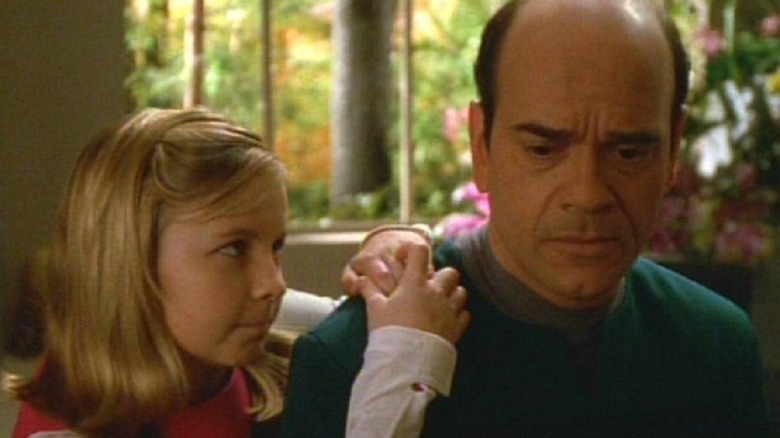
Another thoroughly tragic tale of fathers losing programmed daughters within the "Star Trek" franchise affects the Doctor in "Voyager." The third season episode "Real Life" has the Doctor program an entire family for himself in an advanced Holodeck simulation as he explores his own burgeoning humanity and self-identity. Within this program, an accident mortally wounds the Doctor's young daughter Belle (Lindsey Haun), with the Doctor initially refusing to revisit the program to avoid the pain of this loss. However, after speaking with his crewmates, the Doctor returns to the simulation to be with Belle in her final moments at her deathbed.
Despite the broader similarities in premise, what puts Belle's death over Lal's is that we see just how crushed the Doctor is about losing his daughter. The entire plot is a meditation on grief and facing to eventually face it, no matter how much we try to avoid its full implications in our daily lives. Robert Picardo and his cast mates bring those sensibilities together beautifully in their own bittersweet way, particularly with the episode's closing scene. By design, the Doctor always wore his emotions on his sleeve more than Data and, in also losing a daughter, that trauma became all the more palpable.
3. Jadzia Dax (Deep Space Nine)
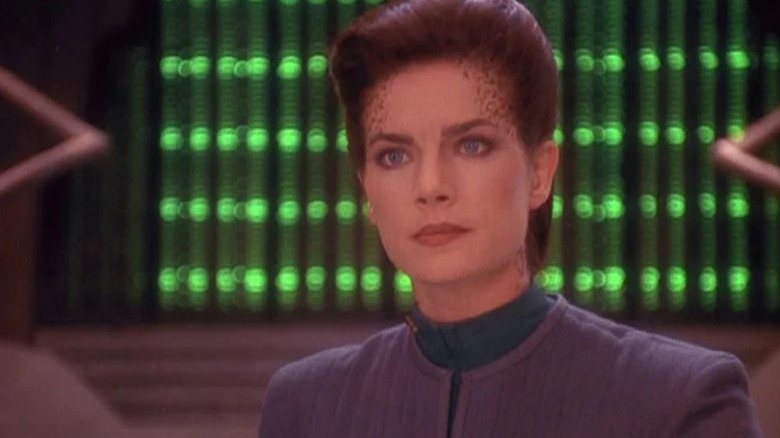
The later seasons of "Star Trek: Deep Space Nine" were dominated by the overarching Dominion War storyline that put the titular space station on the frontlines. By the Season 6 finale, "Tears of the Prophets," the war took its heaviest toll on the main cast with the death of Jadzia Dax (Terry Farrell). Surprised by a supernaturally empowered Dukat (Marc Alaimo), Jadzia is mortally wounded by an energy blast, with the Dax symbiont surviving but Jadzia herself dying. This tragedy takes a visible toll on Jadzia's spouse Worf (Michael Dorn) and Captain Benjamin Sisko (Avery Brooks), with the latter taking an extended leave of absence.
Not only does Jadzia's death feel abrupt and shocking for the shake of a season-ending plot twist, but especially cruel in its context. The episode began with Jadzia and Worf excitedly planning to have a child together, with Jadzia visiting a temple on the station to give thanks for being medically cleared. It's during this attempt at expressing gratitude when Dukat strikes, with the incident leaving her just alive long enough to bid farewell to Worf. "Deep Space Nine" was never a show that pulled its punches, but this moment twists the emotional knife all the more painfully.
2. Edith Keeler (The Original Series)
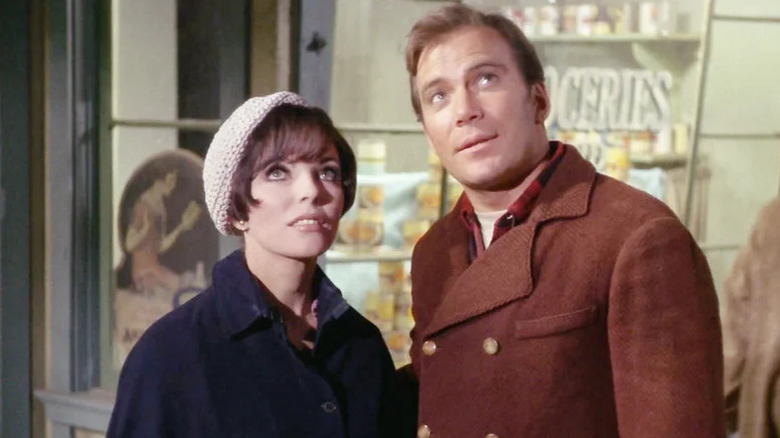
One of the best scenes from "Star Trek: The Original Series," is the climax to the first season episode "The City on the Edge of Forever." The story revolves around a temporarily crazed Leonard McCoy (DeForest Kelley) accidentally changing history by saving the life of social worker and activist Edith Keeler (Joan Collins). In order to restore the timeline, Captain Kirk (William Shatner) must allow Edith to die despite falling deeply in love with her. The moment and its somber denouement is one of Shatner's finest performances as he subtly hints at how traumatized the heroic captain is by this time-bending ordeal.
It really is a testament to Collins' performance that how much of an impact, from a single guest-starring turn, she was able to leave on the "Star Trek" franchise overall. Bringing both a wide-eyed idealism and an instant chemistry with Shatner to her role, Collins makes us fall in love with Edith Keeler too. That makes the nature of her sacrifice all the more heart-rending and Shatner really sells how much that loss shakes Kirk to his core. The moment when "Star Trek" grew up with the full implications of its ethical themes, Edith Keeler's death was a resonant one for the franchise.
1. Jake Sisko (Deep Space Nine)
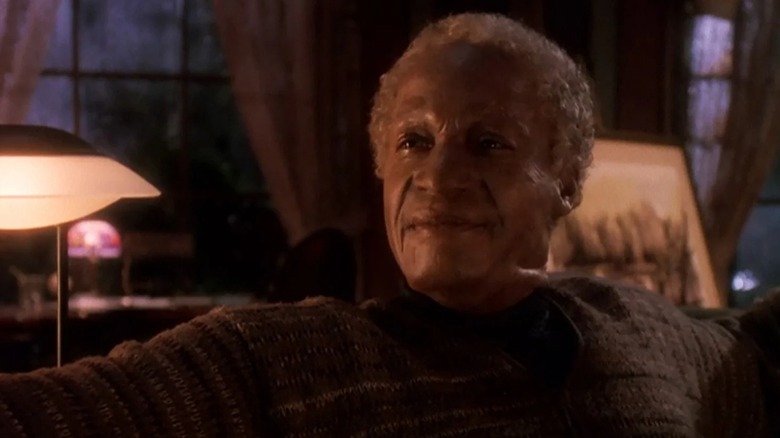
Between all the interstellar warfare and intrigue, the emotional bedrock in "Deep Space Nine" is between Benjamin Sisko and his teenage son Jake (Cirroc Lofton). This dynamic serves as the centerpiece for the fourth season episode "The Visitor," where Ben is lost in a subspace accident, phasing in and out periodically throughout Jake's life. Obsessed with saving his father, Jake gives up his personal life to find a way to bring Ben out of his ethereal state. This culminates in an adult Jake (Tony Todd) sacrificing himself in Ben's presence to reset the subspace anomaly, bringing a shaken Ben back to the present moments after mourning his son.
What gives Jake's death the heartbreaking edge over Edith Keeler is how familiar and intimate the loss feels in comparison to Kirk's one-episode romance. Ben gets the chance to see Jake grow older than him, with the familial love between the two men only deepening over the span of the episode. It's no surprise why Ben and Jake were the touchstones for the "Star Trek: Deep Space Nine" nod in "Starfleet Academy" because that relationship endures. The type of emotional and philosophical stories that only "Star Trek" can pull off, Jake's sacrifice somehow feels like a tragedy and sacrificial triumph all at once.