

15 Best TV Comedy Shows Of The 2010s, Ranked
The 2010s were a fantastic decade for television comedy, with a wide offering of both boundary-breaking experiments and more traditional, classically structured ensemble sitcoms that knew how to play to the genre's strengths in the post-prestige era. On this list, we'll be looking over the decade's 15 absolute best offerings of TV comedy, which occupy various different positions within that spectrum.
The ground rules of this list are that we're only looking at English-language live-action shows, and only taking into account seasons and episodes that aired between January 2010 and December 2019 — i.e., each show's output within the actual decade. For some, it didn't take more than a handful of episodes to stake out their place in the decade's canon.
15. Review
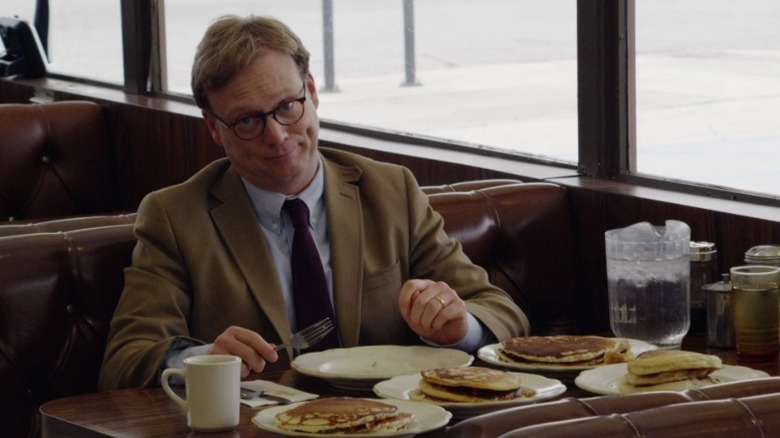
One of the most deranged, unbound, and envelope-pushing American comedy series of the 2010s, Comedy Central's "Review" was developed by Andy Daly, Jeffrey Blitz, and Charlie Siskel as an adaptation of Australia's "Review with Myles Barlow," and stars Daly as Forrest MacNeil. The host of a fictional documentary series on which he endeavors to engage in miscellaneous viewer-requested activities and then assign each one a rating between one and five stars, Forrest is so single-mindedly committed to his show's ethos that he will try out absurd, dangerous, degrading, and unreasonably taxing experiences so long as someone asks — even to the detriment of his own life.
"Review" is a masterpiece of the kind of absurdist, dark-silly comedy that arguably defined its decade; not for nothing, it's one of the best Comedy Central shows of all time. The series' effervescence in mining its pseudo-reality-TV setup for satirical bite and exploring its own outlandish scenarios to the last consequences is only matched by the relentless hilarity of every single episode — attributable in no small part to the impeccable performance of Daly as the poor fool at the center of the carnival.
14. Crazy Ex-Girlfriend
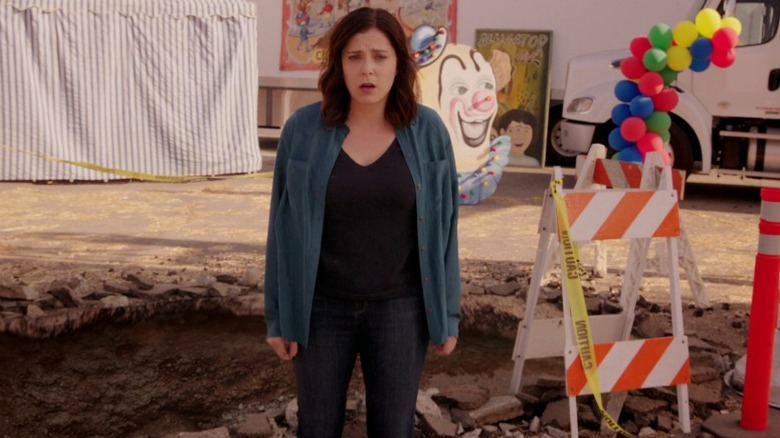
With apologies to "Glee," the great English-language musical comedy series of the 2010s is The CW's "Crazy Ex-Girlfriend." With two or more great to spectacular original songs and lavish accompanying musical numbers per episode, the Rachel Bloom and Aline Brosh McKenna-created series follows Rebecca Bunch (Bloom), a New York City lawyer who abruptly decides to revamp her entire life and move to West Covina, Calif., after a chance encounter with her ex-boyfriend, Josh Chan (Vincent Rodriguez III) — all while insisting that she's not moving there to follow him.
Despite being a sui generis quantity in 2010s television by most accounts — an eccentric, one-hour network comedy series with a slippery tone and tons of actually original tunes — "Crazy Ex-Girlfriend" became one of the most roundly acclaimed shows of its era, and it's easy to see why. Beneath the surface of buoyant, bright-colored showmanship, it's a lacerating series about the emotional and existential toll of being a human being in our dysfunctional times, featuring a sly yet genuinely brilliant treatment of mental illness worked into a barrage of eerily relatable over-the-top humor.
13. Schitt's Creek
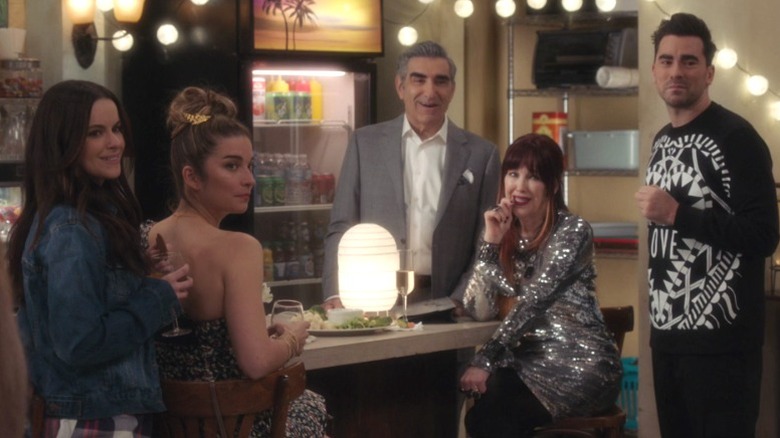
Created by the father-son duo of Eugene and Dan Levy, "Schitt's Creek" aired on CBC in its local Canada and on pay channel Pop TV in the U.S. The two Levys star alongside Catherine O'Hara and Annie Murphy as the Roses, a rich family with a lavish lifestyle supported by patriarch Johnny's video store empire. Following a massive embezzlement scheme, the Roses find themselves bereft of all their wealth, and must begrudgingly move to the isolated small town of Schitt's Creek, the legal deed to which is the family's last remaining possession.
Although the season that historically swept every televised comedy category of the Primetime Emmys was the last one, which aired in 2020 and therefore does not count for this ranking, the five-season run of "Schitt's Creek" between 2015 and 2019 is more than enough to place it as one of the decade's defining comedies. After getting off to a relatively slow start, the show became great by finding the perfect balance between snappy class satire and the sort of warm, genial cast chemistry that sitcoms are uniquely suited to offer at their best.
12. Superstore
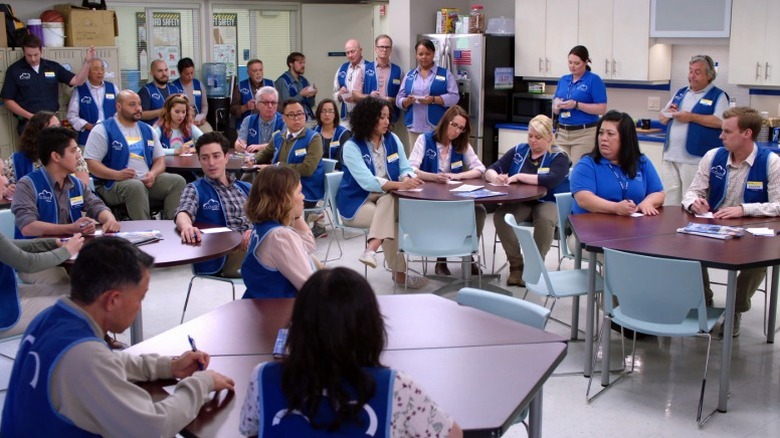
No show picked up the mantle of "The Office" as an epic workplace comedy, strewn across every cranny of a massive ensemble of fascinating humans, more readily than "Superstore." Aired between 2015 and 2021, the NBC series follows the day-to-day tribulations of the staff at a St. Louis branch of fictional big-box store chain Cloud 9; although the primary focus of most plots is trained on a smaller core of series regulars, the lives and personalities of a wide array of Cloud 9 employees are explored.
At a time when the traditional workplace network sitcom was somewhat going out of fashion, "Superstore" kept the genre alive and thriving with a fresh, modernized, fearlessly topical, and brilliantly executed take on its classic tenets. Crackling writing, with high levels of both world-building density and character specificity, makes Cloud 9 a microcosm of all the indignities, injustices, and surreal idiosyncrasies of 21st-century working-class struggle. And, though the company that brings them together may be a nefarious corporate leviathan, the characters' years of connection and rapport both on and off the clock add up to an exceedingly endearing sitcom second family.
11. Chewing Gum
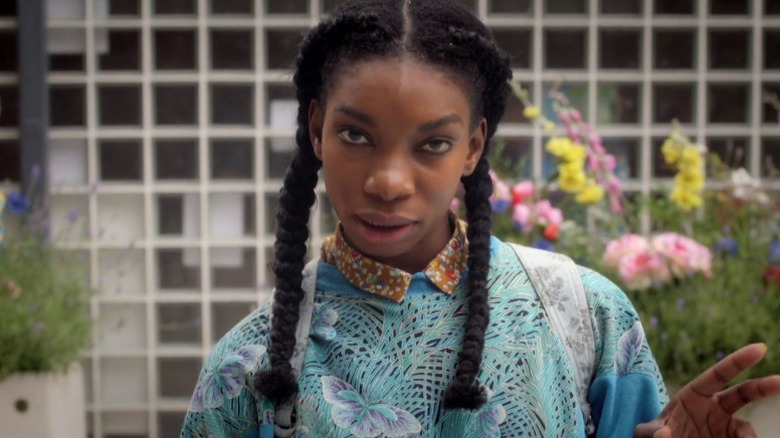
Created by Michaela Coel prior to racking up awards and giving us one of the best miniseries now streaming on HBO Max with "I May Destroy You," the also award-winning "Chewing Gum" stars Coel herself as Tracy Gordon, a highly religious and sexually inexperienced 24-year-old who sets out to learn more about the world and chart her own path through the mysteries of dating, romance, and sex in the 21st century.
In addition to being a showcase for the zany, elastic, go-for-broke brilliance that Coel honed as a comedic performer before segueing into more dramatic roles, "Chewing Gum" also boasts all the wit and personality of its creator-star on a writing level. With Coel writing all 12 episodes across both seasons, the show manages to offer up a running supply of inventive, surrealist, form-bending raunchy humor while also developing a thoughtful, fully fleshed out portrayal of the horror and elation of coming into one's own sexually and emotionally. Although Tracy's perspective as a dirty-minded devout Christian is an offbeat one for a mainstream TV lead, there's nary a gag or insight on this show that won't be relatable to anyone who's ever been a 20-something.
10. Search Party
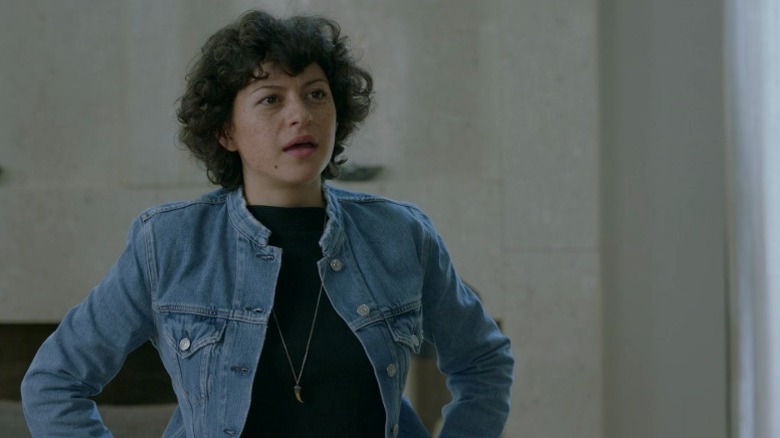
The first season of "Search Party" begins with a mystery and a hook. Ennui-laden Brooklynite Dory Sief (Alia Shawkat) finds out that her old college acquaintance, Chantal Witherbottom (Clare McNulty), has been reported missing, so she gathers her self-centered, internet-brained group of friends to set about finding her. Following several episodes of a queasily effective comedy-thriller balance, that plot is ostensibly resolved in the Season 1 finale — only for a different high-concept hook to drag these four rudderless millennials into yet another larger-than-life calamity, and so on at the end of each season.
One of the most unique and inexplicable shows of a decade of unique and inexplicable TV, "Search Party" is to some extent one big joke — a show that keeps pushing beyond the point of reverting to a familiar friend-group-sitcom status quo, and reinventing itself every time it seems like its reserve of intrigue has been fully depleted. Only the first two of its five seasons aired in the 2010s, but those 20 episodes alone are surreal dark comedy of the highest order.
9. Broad City
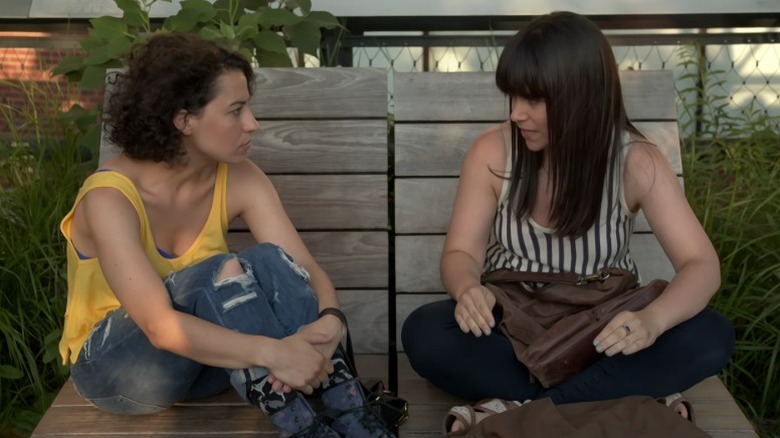
Created by Ilana Glazer and Abbi Jacobson as an evolution of their eponymous web series, "Broad City" is the defining buddy comedy show of the 2010s. Jacobson and Glazer star as Abbi Abrams and Ilana Wexler, two intensely close, gleefully codependent best friends who live paycheck to paycheck in New York City while trying to fulfill their respective life ambitions — Abbi's, to become a successful illustrator and visual artist; Ilana's, to just follow her muse from day to day while slacking off as much as possible.
Widely hailed at the time for the representational breakthrough it marked, with its two heroines getting up to levels of cringey chaos, sexual adventure, stoner-comedy absurdism, and scandalous impropriety that would make most male raunch-com leads blush, "Broad City" not only laid the groundwork for innumerable subsequent ribald comedies proudly centered around women, but also gave the genre one of its all-time high watermarks across all gender makeups. Glazer and Jacobson's chemistry is, of course, impeccable, but the show's resourcefulness on a writing and directing level is equally impressive; starting from the minimal premise of "two friends hanging out in the big city," it paints a sweeping, seminal, hilarious fresco of American millennial life in the rude passage to adulthood.
8. Catastrophe
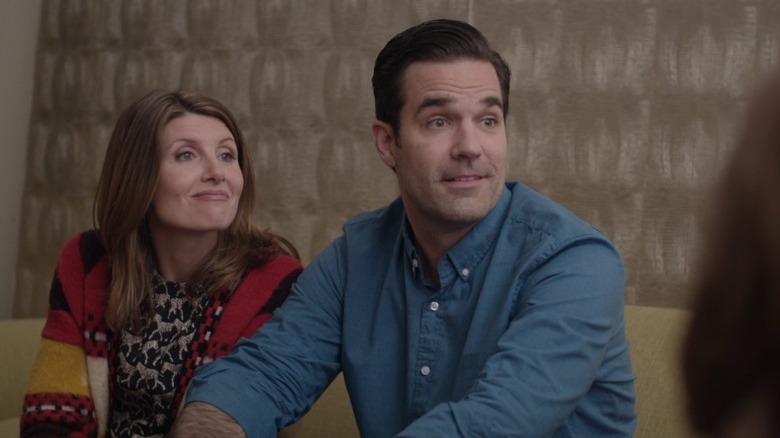
The cross-cultural romantic dark comedy "Catastrophe" stars Sharon Horgan as Sharon Morris, an Irish schoolteacher living in London, and Rob Delaney as Rob Norris, an American advertising exec initially in town on a short business trip. After meeting in a bar, they embark on a passionate six-day fling that turns out, months later, to have resulted in a pregnancy — so Rob packs up and moves to London, where the two begin a loving and lively yet tempestuous impromptu relationship.
Created by Horgan and Delaney themselves, "Catastrophe" essentially demolishes the romantic comedy and rebuilds it in its own messy, nervy, tonally cunning fashion. The story of Sharon and Rob is largely driven by the simultaneous preposterousness and perfect compatibility of their initially awkward, highly specific pairing — yet the show is wise, candid, and unsparing enough in its view of love and commitment that it will have something to teach any couple. And the laughs, bolstered by frequent jaw-dropping boldness and an incredible cast (including Carrie Fisher in her final TV performance), are among the biggest in all 21st-century TV.
7. Insecure
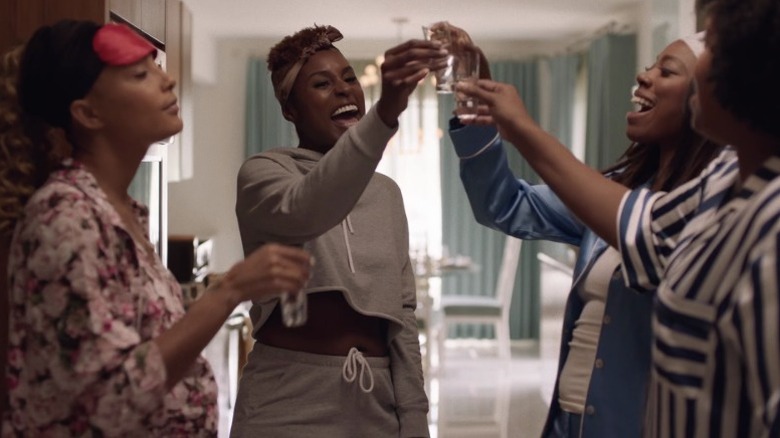
Every generation has its share of comedy shows about the challenges of life as a 20-30-something woman balancing career aspirations with romantic misadventures, and "Insecure" is the defining show of that persuasion for the 2010s. Created by Issa Rae and Larry Wilmore, and based on Rae's prior hit web series "The Mis-Adventures of Awkward Black Girl," this HBO series stars its co-creator as Issa Dee, a Los Angeles resident introduced on Season 1 as a nonprofit worker reassessing her life priorities as her 30th birthday draws near.
Much of "Insecure" is centered on the complicated, waxing-and-waning romance between Issa and Lawrence Walker (Jay Ellis), who starts off as her unemployed longtime boyfriend. But the show's real backbone is Issa's friendship with her college best friend and general life partner, Molly Carter (Yvonne Orji), a highly successful attorney who can't seem to catch a break in her love life. Through the story of Issa and Molly's rocky march into the scary and thrilling world of the 30s, "Insecure" spins out one of the funniest, most endearing, and most sharply perceptive chronicles of post-smartphone, post-social-media life that TV has yet given us.
6. Parks and Recreation
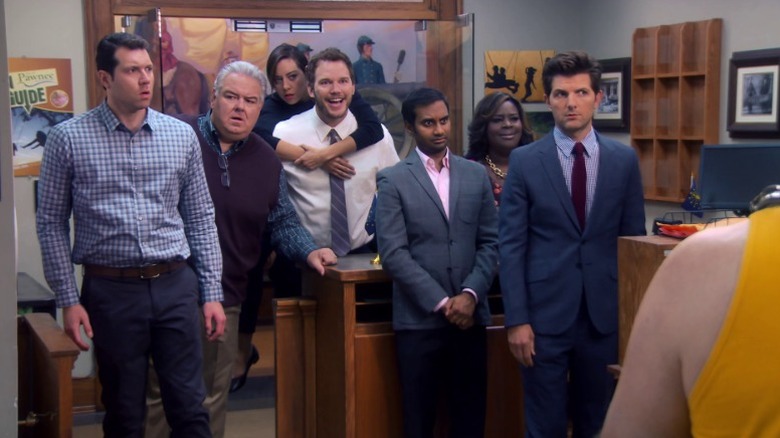
There are few things more restorative in life than watching an episode of "Parks and Recreation." The seminal NBC sitcom managed to be at once the utmost example of sunny, affectionate, optimistic workplace comedy — maybe in the genre's entire history — and a savagely mean and catty dry-witted farce in the mold of "Arrested Development" and "The Office" (a show to which it originally began as a would-be spin-off).
The key to that improbable balance was that the Greg Daniels and Michael Schur-created series ran on genuine, full-fledged love and fascination for the inner (fictional) world of Pawnee, Ind., with all its labyrinthine lore and endlessly renewable potential for lived-in small-town satire. One of the great ensembles in sitcom history — seriously, run your eyes through that cast list and see how long it takes you to find a non-A-lister — transforms the daily routine of the Pawnee Parks Department into an absurd, often maddening, yet indefatigably hilarious tussle with the demands and delights of public service; other than the rough six-episode first season (which didn't air in the 2010s anyway), you'd be hard-pressed to find a dud among the 126 episodes.
5. Atlanta
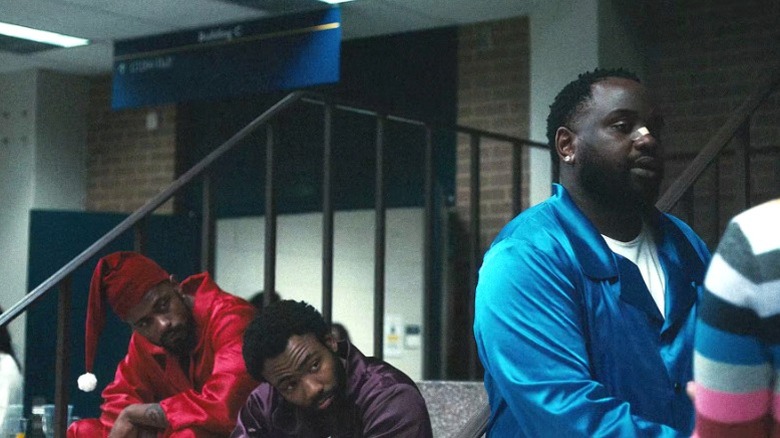
Due to a four-year hiatus between 2018 and 2022, only Seasons 1 and 2 of "Atlanta" aired in the 2010s, accounting for just half of the FX series' run. It says something about the immense shadow cast by those two seasons, then, that, by the time the retrospectives started rolling around in late 2019, few people would dispute the standing of "Atlanta" as one of the decade's cultural touchstones.
Created by Donald Glover, "Atlanta" stars Glover himself alongside Brian Tyree Henry, LaKeith Stanfield, and Zazie Beetz — a murderers' row of talents who have all since gone on to movie stardom, and all of whom do some of their best work ever on the show's surreal, mystery-inflected episodes. Although there is continuity in the story of Earn Marks (Glover) and his efforts to competently manage the career of his up-and-coming rapper cousin, Alfred "Paper Boi" Miles (Henry), each "Atlanta" installment is essentially its own brilliant short film, as preoccupied with bending and twisting the conventions of narrative television as with serving up hearty laughs at the expense of the morbid revue of 21st-century America.
4. Community
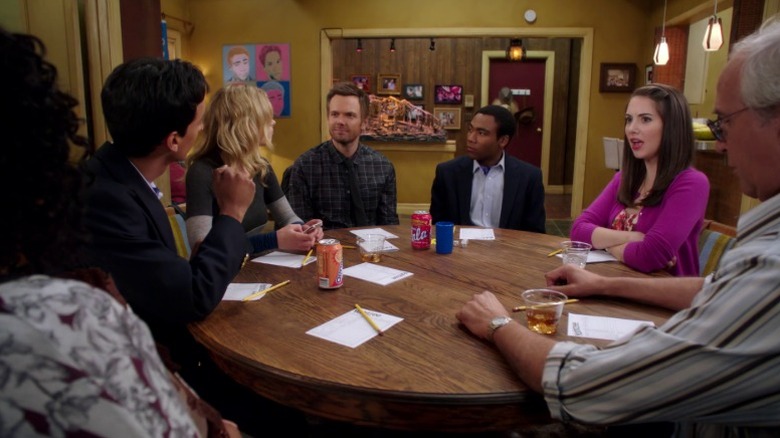
The looming threat of cancellation defined the six-year run of "Community" nearly as much as its fandom's recurring (and possibly prophetic) jokes about getting to "six seasons and a movie." From internet campaigns for renewal to showrunner switcheroos to major cast departures and a final-season move from NBC to Yahoo! Screen, it was a show that always seemed to be barely keeping itself together in terms of economics. But, in retrospect, it's a wonder — and a testament to the love it inspired in those who did watch it — that "Community" ever managed to run for as long as it did. It was, after all, a network sitcom intent on defying and subverting every rule of the medium.
Somehow, the Dan Harmon-created series managed to do that with flying colors, across a litany of high-concept, high-energy, high-creativity episodes — all theoretically centered around a Spanish study group at a Colorado community college, but open to spiraling out in any number of narrative directions. With emotional grounding supplied by the earnest, generous humanism underlying the meta gags and pop culture skylarking, it was the platonic ideal of the postmodern sitcom if there was ever such a thing.
3. The Good Place
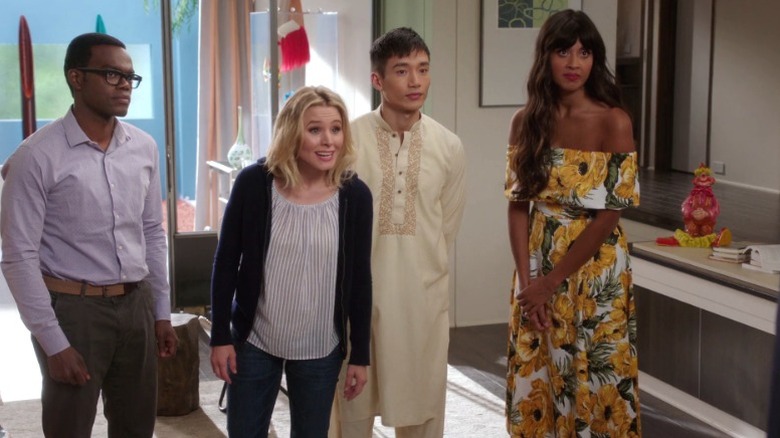
Speaking of postmodern sitcoms, we used to live in a world where the idea of a half-hour network comedy taking place in a richly imagined conception of the afterlife, telling a densely serialized fantasy tale with omnipresent life-or-death stakes, and using that framework to meditate earnestly on the big questions of morality, existentialism, and human psychology might have seemed like a bit of a commercial nonstarter. So, it's to the credit of NBC's "The Good Place" that not once during its miraculous four-season run did it feel like anything but the world's most charming, accessible, and universally appealing show.
More to the point, it's to the credit of the Michael Schur-created series that it managed to be the world's most accessible and appealing show while also being genuinely prickly, heady, and challenging in multiple respects. There may have been big twists, bravura comic setpieces, enthralling world-building wrinkles, and unforgettable philosophy puns in the show's story of four deceased humans navigating a bureaucratically shambolic "Good Place," but there were never any easy answers — right up to a finale that, had it been reached just a few weeks prior to January 2020, might catapult it even higher on this list.
2. Veep
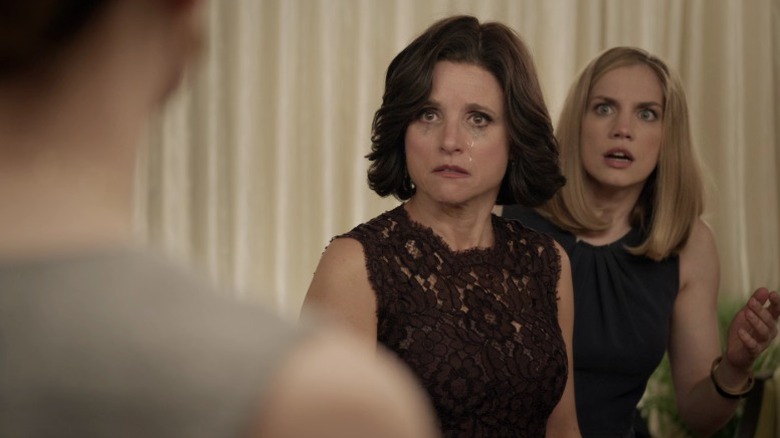
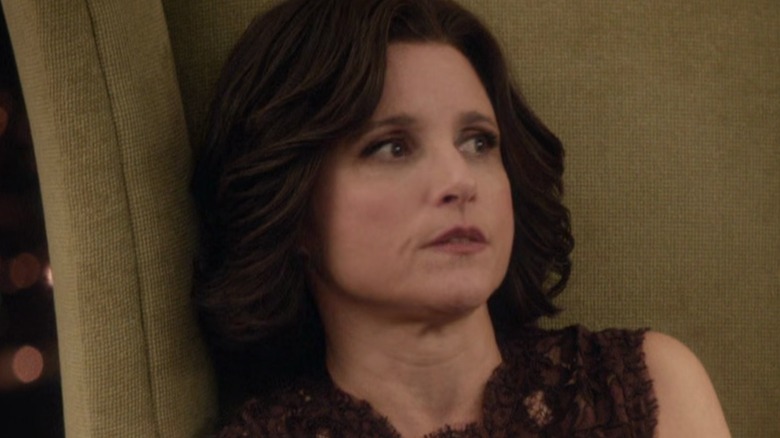
As far as sheer mastery of sitcom engineering goes, there wasn't really a more impeccable creation in the 2010s than "Veep." The best political TV show of all time saw creator Armando Iannucci (succeeded as showrunner by David Mandel from Season 5 onward) and a generationally gifted team of writers avail themselves of the content laxness of HBO to craft a monument to institutional politics as the world's ultimate spectacle of grotesquerie, incompetence, and human feebleness.
Julia Louis-Dreyfus, who won a record six Emmys for the role and deserved the win every single time, stars as U.S. Vice President Selina Meyer, and her journey up and down and up the ranks of the D.C. ecosystem constitutes maybe the single greatest TV antihero arc ever accomplished within the bounds of comedy. The cast around her, meanwhile, is so adept at navigating the show's universe of fast-talking sliminess, explosive profanity, and too-close-for-comfort caricature that watching them snipe at each other feels like witnessing a philharmonic orchestra at work.
1. Fleabag
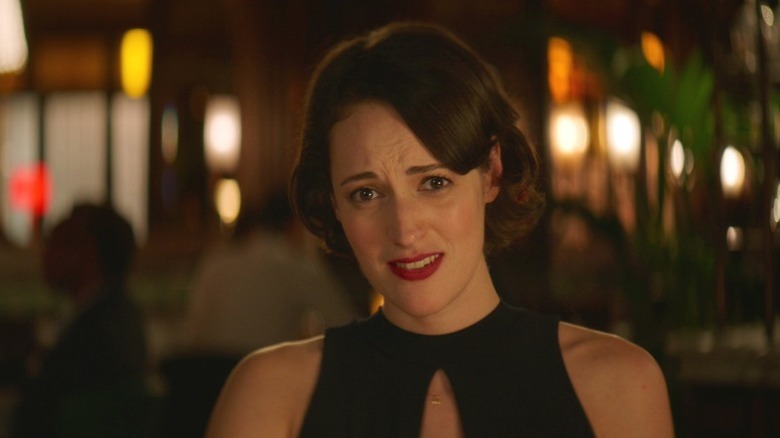
How do you even begin to explain the genius of "Fleabag" to someone who hasn't seen it? So, there's this woman, whose name we never learn, going through life as a 30-something Londoner while firing occasional lightning-fast commentary at the camera like we're her omnipresent imaginary friends. She runs a flailing café and has a bustling sex life peppered with eccentrics, but the show isn't chiefly about either of those things; she has a high-strung, badly married sister named Claire (Sian Clifford), and a father (Bill Paterson) and a godmother (Olivia Colman) whose names we also never learn. She giggles and smirks near-continually, cracks jokes about everything, and ends Season 1 in mascara-stained tears. On Season 2, she falls in love with a priest (Andrew Scott) — whose name we also never learn.
Simply put, "Fleabag" might be best described as a vessel for the talent of its creator-writer-star Phoebe Waller-Bridge, who vivifies the riotous tragicomedy of Fleabag's emotional life with dashes of weirdness, specificity, cartoon goofiness, and searing cultural and psychological insight, creating something wholly original, virtually incomparable, and side-splittingly hilarious in the process. Two seasons and 12 half-hour episodes are enough to make it an all-time TV masterpiece.