

15 Best TV Shows From The '90s, Ranked
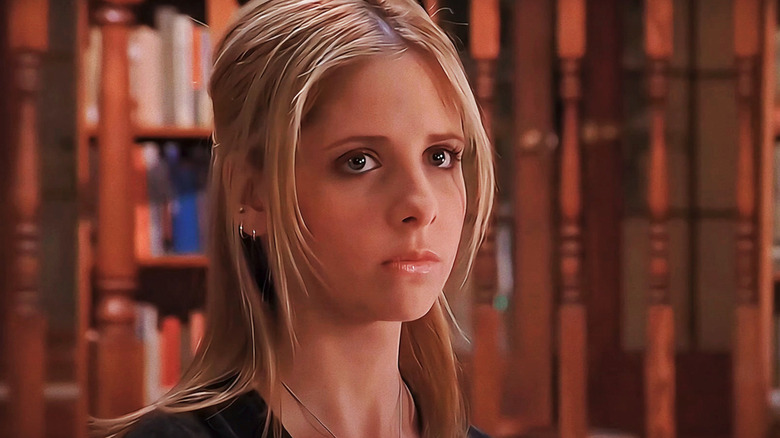
Television has certainly changed over the last several decades. Even so, despite loftier budgets and grandiose effects that often blur the line between cinema and the small screen, nothing beats '90s TV. This was a time when networks weren't afraid to take risks on daring content, rewarding audiences with some of the most memorable and groundbreaking shows ever produced. The decade introduced iconic characters and pushed boundaries in ways previous eras hadn't, leading to plenty of watercooler moments that actually meant something. For transparency, we wanted to place "The Sopranos" somewhere on the list, but its 1999 debut made it feel more like a 2000s entry.
Whether you were yucking it up with a group of friends in a New York apartment or unraveling conspiracies with a pair of FBI agents, the '90s produced shows that stuck with – and even defined – a generation. These shows didn't just entertain; they shaped pop culture, influenced future generations, and, in many cases, still hold up today. Here are the 15 best TV shows of the 1990s, ranked from good to great.
15. Beverly Hills, 90210
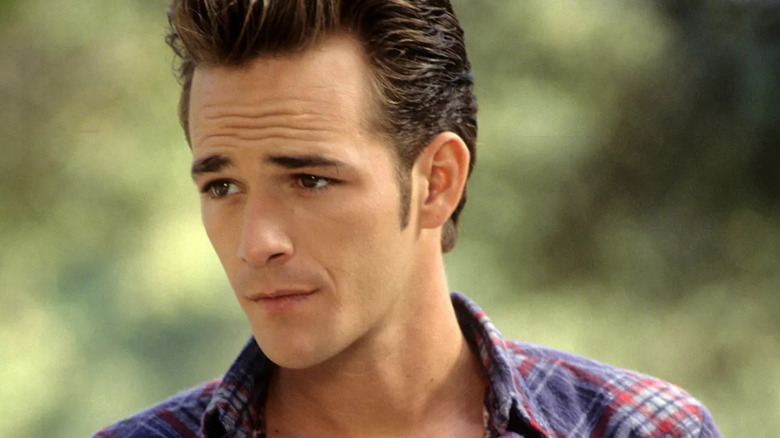
Before teen dramas became a staple of network television, "Beverly Hills, 90210" helped pave the way. Debuting in 1990, the series follows a group of high school students as they navigate life and love in their ritzy Southern California town. Yes, even rich kids have problems.
More than anything, "Beverly Hills, 90210" ushered in a new wave of teenage icons, from Brandon (Jason Priestley) and Dylan (Luke Perry) to Brenda (Shannen Doherty), who dominated '90s magazines and school folders for most of the decade. The series' aesthetic represents peak '90s pop culture through its fashion, music, and hairstyles.
Moreover, this soap opera hit a cultural nerve at exactly the right time, when television wasn't afraid to focus on real issues like drug addiction, eating disorders, sex and relationships, and peer pressure. Teens showed up for the sordid love triangles and stayed for the human drama, igniting a wave of copycats — "Dawson's Creek," "The O.C.," and more — over the next decade.
14. The West Wing
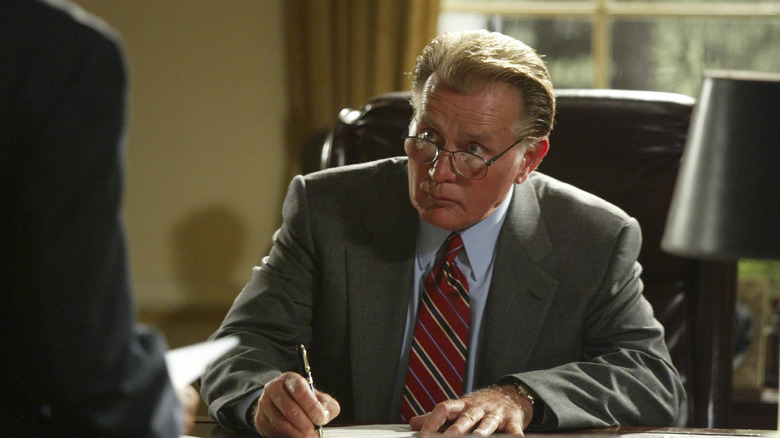
Who says '90s TV was nonpolitical? At a time when politics were often reduced to background noise, Aaron Sorkin's "The West Wing" stepped into the arena with a behind-the-scenes look at the inner workings of the White House. Blending fast-paced dialogue with thoughtful examinations of policy and leadership, this compelling drama carries a sense of optimism that feels sorely lacking in modern television.
Set during the administration of President Josiah Bartlet (Martin Sheen), the series follows a dedicated team of staffers — namely deputy chief of staff Josh Lyman (Bradley Whitford), communications director Toby Ziegler (Richard Schiff), press secretary C.J. Cregg (Allison Janney), and speechwriter Sam Seaborn (Rob Lowe) — as they navigate political crises, personal struggles, and the challenges of running the country.
Through Sorkin's pen, "The West Wing" offered an idealized portrayal of government, presenting politics as a noble pursuit rather than cynical theater, reflecting a time when audiences were more willing to believe in the system, even if only on television.
13. Saved by the Bell
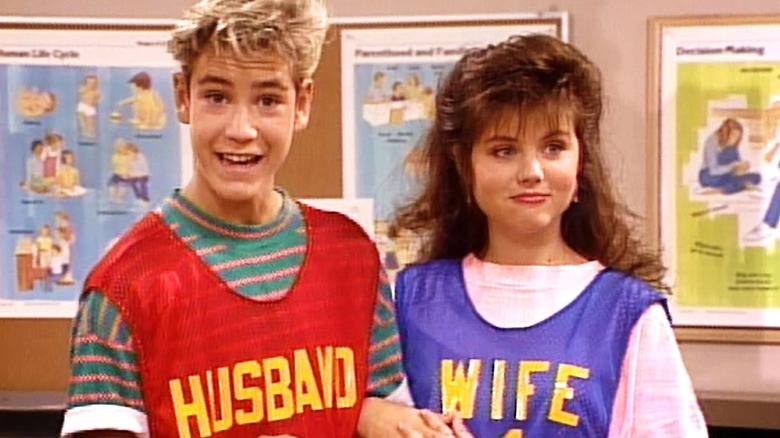
It's not a '90s list without including "Saved by the Bell." Iriginally airing as "Good Morning, Miss Bliss" in 1987, "Saved by the Bell" follows the misadventures of Zack Morris (Mark-Paul Gosselaar) and his friends — Screech (Dustin Diamond), Slater (Mario Lopez), Lisa (Lark Voorhies), Kelly (Tiffani-Amber Thiessen), and Jessie (Elizabeth Berkley) — at Bayside High School, where they get involved in everything from love triangles to clashes with teachers, all while forming a bond that lasts for decades — including a reunion on "Late Night with Jimmy Fallon."
Yes, it's cheesy as hell and probably not as good as we remember, but the classic sitcom represents everything we love about the '90s. "Saved by the Bell" is harmless fun with its attractive cast and corny plotlines reminding us all of a much simpler time filled with brick-sized phones, big hair, and life-size cardboard cutouts of Kelly Kapowski. For better or worse, it's the kind of show that defines an era as much as it entertains.
12. Roseanne
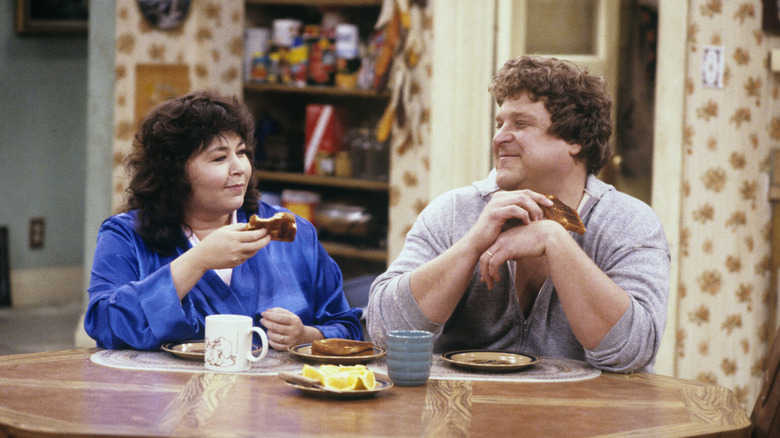
In the '90s, a lot of television revolved around the American family. Think "Full House," "Step by Step," and "Family Matters." Yet none captured working-class life better than "Roseanne," the popular series starring Roseanne Barr as a mother dealing with everything from bills and parenting to jobs and everyday stress.
While most sitcoms presented an idealized view of the middle class, replete with tidy homes, steady incomes, and neatly resolved problems, "Roseanne" refused to sugarcoat its depiction. As such, Dan Conner (John Goodman) stands as one of the best TV dads ever, helping his wife and kids tackle real issues — teenage struggles, gender roles, and financial instability. The series did so with wit, charm, and warmth, even if it occasionally veered into more outlandish territory in its later seasons.
Ultimately, "Roseanne" didn't reinvent the wheel in terms of the sitcom formula, but it added enough wrinkles to make it feel fresh and authentic. The Conners may not have the same glossy appeal as the yuppies in "Friends" or "Seinfeld," but they are far more relatable, particularly for anyone who grew up in the 1990s.
11. South Park
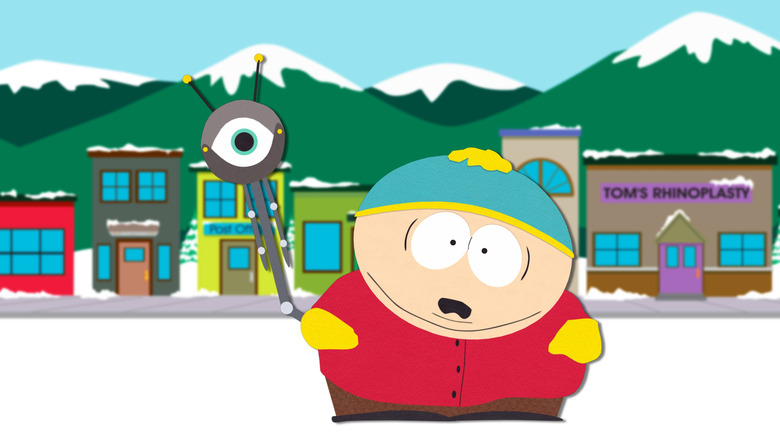
Now in its 28th season, "South Park," created by Trey Parker and Matt Stone, continues to dish out its unique brand of crude humor – and complicated lore – tackling everything from pop culture to politics with no signs of slowing down. "The Simpsons" may have helped pioneer adult-oriented animated comedy, but "South Park" runs wild with the concept, happily exploring topics its counterparts wouldn't touch with a 10-foot pole. This is the kind of comedy series only the '90s could produce.
Set in the quiet mountain town of South Park, Colorado, the series follows four foul-mouthed kids — Stan (Trey Parker), Kyle (Matt Stone), Cartman (Trey Parker), and Kenny (Matt Stone) — as they navigate a world that is often far more ridiculous than they are. Whether dealing with aliens, internet trends, or absurd small-town crises, the show rarely pulls its punches.
This no-holds-barred approach — read: shock value and juvenile humor — may turn off some viewers. Still, it's hard to view "South Park" as anything other than a cultural juggernaut, even if it's not the most refined entry on this list.
10. Buffy the Vampire Slayer
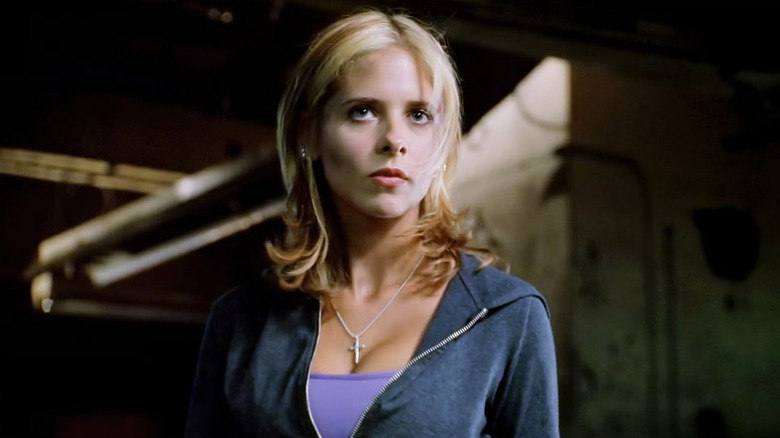
Who knew that the forgettable vampire-comedy flick "Buffy the Vampire Slayer" would lead to a banger television series that viewers continue to discuss today? That's exactly what happened when Joss Whedon took the concept of the 1992 horror/comedy starring Kristy Swanson and transformed it into a standout show about teenage angst that was distinctly ahead of its time.
Starring Buffy Summers (Sarah Michelle Gellar), the series follows a teenage girl tasked with battling the forces of darkness while navigating the trials of high school. Alongside her friends Willow (Alyson Hannigan), Xander (Nicholas Brendon), and Watcher Giles (Anthony Head), Buffy balances everyday life with world-saving responsibilities.
"Buffy" represents a shift in late-'90s television, moving from episodic storytelling to more character-driven narratives with darker themes. What could have been a standard, by-the-numbers monster fest instead evolved into a sharp, emotionally powerful story. Despite ushering in a new wave of girl power, "Buffy" never quite reached the same cultural saturation as the shows ranked above it. Whedon's tale remains incredibly influential and nearly spawned a reboot, but "Buffy" is also very much a product of its day, a piece of '90s pop art that deserves all the accolades.
9. Star Trek: The Next Generation
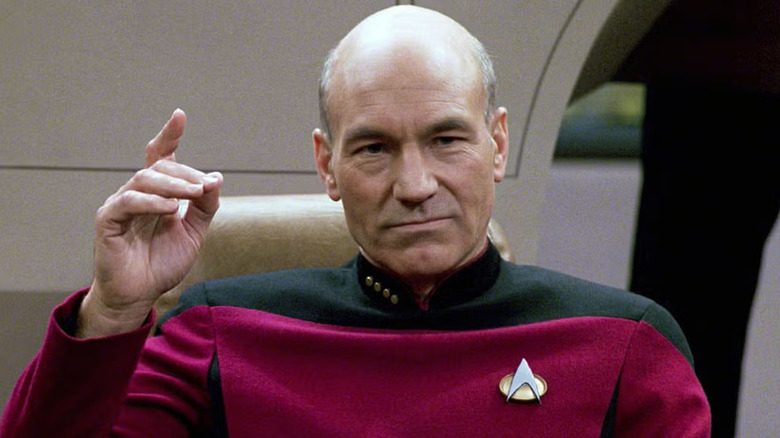
As surprising as it sounds, there was a time when "Star Trek" amounted to little more than a canceled (but highly regarded) 1960s TV show and a handful of mostly successful motion pictures. That all changed in 1987 when Patrick Stewart stepped into the role of Jean-Luc Picard in "Star Trek: The Next Generation," introducing an all-new crew for Trekkies to embrace.
Where other "Star Trek" revivals failed, "TNG" became a massive hit in syndication, made the franchise relevant to new audiences, and opened the door for the likes of "Deep Space Nine," "Voyager," and (for better or worse) the current slate of "Star Trek" shows.
During this era, "TNG" defined smart television, focusing more on moral dilemmas than simplistic tales of good versus evil. In other words, it made you think. Thanks to its higher budget and improved technology, the series delivered classic episodes that rank among the best ever produced. In the end, "TNG" became a cornerstone of '90s pop culture, inspiring spinoffs, movies, and modern-day memes, and remains one of the most ambitious shows of its era.
8. The Fresh Prince of Bel-Air
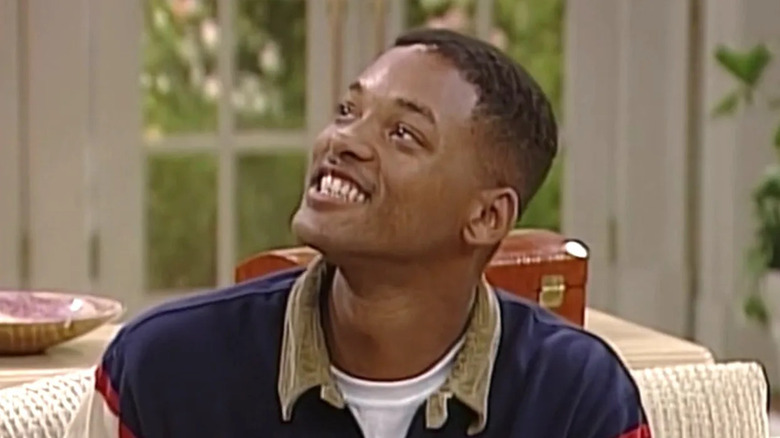
Before becoming an Oscar-winning actor, Will Smith shot to fame with "The Fresh Prince of Bel-Air." Beginning in 1990, this joyful fish-out-of-water comedy sees Will travel from the streets of West Philadelphia to live with his "aunty and uncle in Bel-Air," where his street smarts clash with the polished, upper-class lifestyle of his relatives.
Featuring a bevy of memorable supporting characters — including the well-meaning but nerdy Carlton (Alfonso Ribeiro), stoic Uncle Phil (James Avery), flighty Hilary (Karyn Parsons), and troublemaking Jazz (DJ Jazzy Jeff) — "Fresh Prince" evolved into something more meaningful, blending humor with heart and tackling serious subjects like absentee fathers, racial identity, and class divides.
Unlike the formulaic sitcoms of its day — namely "Full House" and "Family Matters" — "Fresh Prince" went deeper. Will wasn't just a typical sitcom lead; he felt like a real person with genuine emotions and edge. In fact, "Fresh Prince" might have worked even better as a drama — oh, wait. It did!
7. Frasier
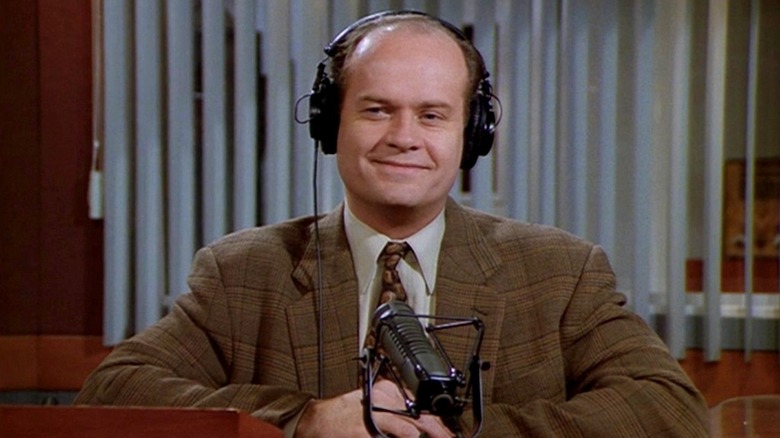
In Season 3 of "Cheers," the world was first introduced to Frasier Crane (Kelsey Grammer), an eccentric psychiatrist pining for Diane Chambers (Shelley Long). Fast forward a decade. "Cheers" had just wrapped its final season, leaving a massive void in its wake. As it turned out, Frasier Crane — of all characters — wound up in his own spinoff that carried the witty comedy tradition of "Cheers" into a new decade. While "Frasier" never attained the same level of popularity as its parent series, it is regarded as one of the most successful spinoffs in television history — popular enough to merit its own revival in 2023.
Set in Seattle, Washington, "Frasier" introduced its own band of merry misfits, notably Frasier's equally eccentric brother Niles (David Hyde Pierce), their retired police detective father Martin (John Mahoney), his physical therapist Daphne Moon (Jane Leeves), and Frasier's co-worker Roz Doyle (Peri Gilpin).
Graced with razor-sharp writing, each well-constructed episode of Fraiser balanced sophisticated humor with classic farce. It's a '90s sitcom that still holds up today and consistently delivers a breezy 30 minutes of fun.
6. Twin Peaks
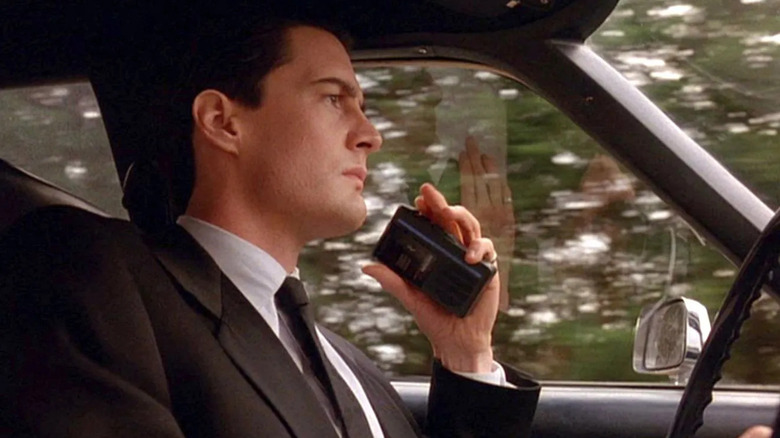
Taking a turn into the surreal, David Lynch's "Twin Peaks" redefined television with its cinematic, weird, and unsettling style, paving the way for shows like "The X-Files," "Lost," and "True Detective." Thanks to its ingenious central mystery, audiences tuned in weekly to find out who killed Laura Palmer, creating a cultural obsession that proved viewers would stick with long-form storytelling rather than the safer, story-of-the-week format that largely dominated the airwaves.
At its core, "Twin Peaks" is a mystery set in a quiet logging town in Washington, where FBI agent Dale Cooper (Kyle MacLachlan) investigates the murder of the aforementioned Laura Palmer. From there, the series spirals into something much stranger, blending small-town drama with offbeat humor and surreal horror into a captivating arthouse nightmare.
Compared to others on this list, "Twin Peaks" doesn't cater to general audiences. Lynch's drama is relatively slow and often incredibly weird. Plus, a major drop-off occurs once the central mystery is resolved, prompting us to slot it just outside the Top 5.
5. ER
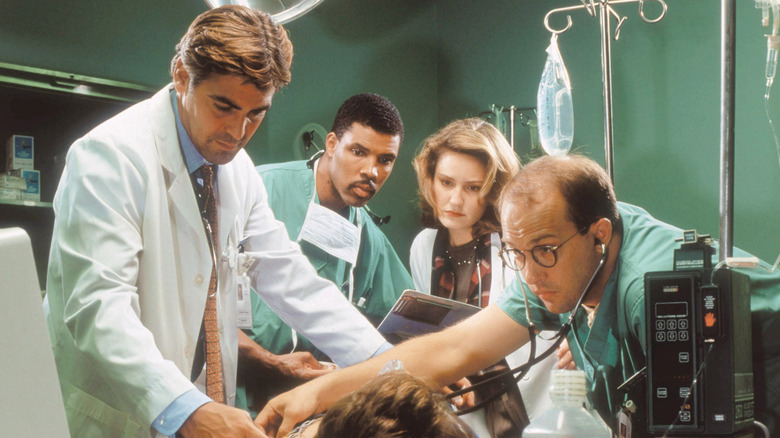
When it came to sheer electricity, nothing on television in the 1990s matched "ER." This intense, long-running series redefined the hospital drama, transforming soap-opera-esque plotlines into gripping set pieces and introducing some of the most memorable characters on television. With its fast-paced editing, overlapping dialogue, and chaotic emergency room scenes, the show brought an unprecedented sense of realism to network television and helped usher in a new era of prestige drama.
Chief among the cast was Doug Ross (George Clooney), a rebellious doctor with a penchant for breaking the rules as long as it saved lives. Though he appeared in just five of the show's 15 seasons, he left a lasting impact that rivaled his later film career.
Clooney's co-stars were just as formidable, with Julianna Margulies, Noah Wyle, Anthony Edwards, and Eriq La Salle delivering top-notch performances during their respective runs and helping shape one of the most compelling ensembles of the decade. In the end, "ER" may have overstayed its welcome, but during its run throughout the '90s, it was arguably the best show on TV.
4. The Simpsons
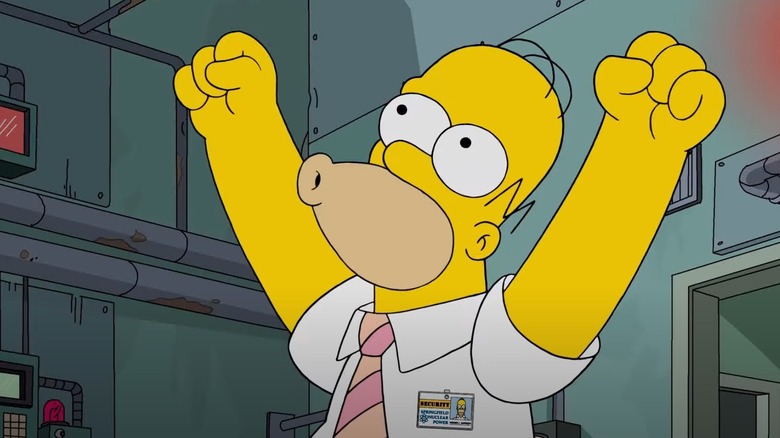
By now, we're nearing the 40th season of "The Simpsons," with no end in sight, for better or worse. It's hard to imagine a time when Homer, Marge, Bart, Lisa, and Maggie weren't roaming the airwaves. Yet in the early-to-mid '90s, during the show's Golden Age, few television comedies were as clever or as entertaining.
Watch almost any episode from the first seven seasons, and chances are you'll wind up on the floor laughing. From its endless array of pop culture jokes to its deconstruction of the American nuclear family, "The Simpsons" has always found new ways to make us laugh.
Those early seasons were packed with a surprising amount of heart. Homer may be a dope, but he also worked hard to provide for his wife and kids. Bart may be a brat, but he genuinely cares about his parents and his sister. Somewhere along the way, the series pivoted toward a more topical, satire-driven style of comedy. No matter, at its peak, "The Simpsons" absolutely defined the typical '90s family and has survived largely on the fumes of its early success.
3. The X-Files
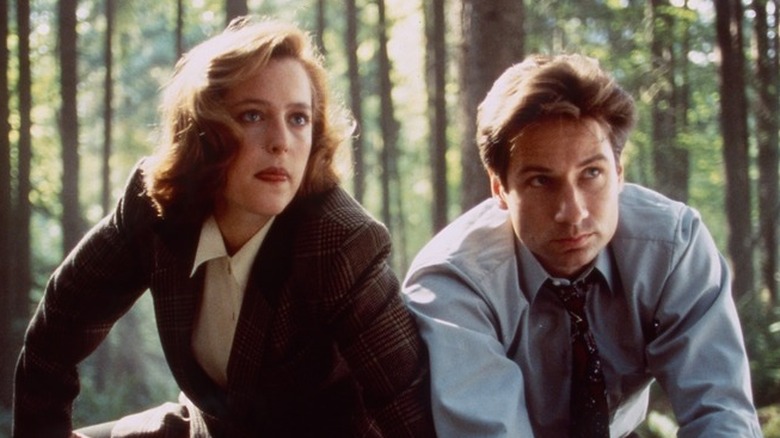
In fall of 1993, Fox debuted a creepy new science fiction series dubbed "The X-Files." From day one, the series captivated viewers with its government conspiracies, alien discoveries, and the unique dynamic between agents Dana Scully (Gillian Anderson) and Fox Mulder (David Duchovny).
Eleven seasons and three movies later (and an upcoming reboot on the way), "The X-Files" remains a popular staple of the 1990s, capturing a time when technological advances increased our paranoia and trust in the government continued to erode. The show isn't overtly political, but it leans into the idea that the truth is out there and that those in power may not want people to see it.
Through an assortment of weekly mysteries, we watched in earnest as Scully and Mulder tackled all manner of paranormal threats, from ghosts to the Loch Ness Monster. It wasn't always perfect, and later seasons tapered off dramatically in terms of quality. But for a hot moment, "The X-Files" was the coolest show on TV. Here's to hoping "The X-Files" reboot can rekindle the momentum!
2. Friends
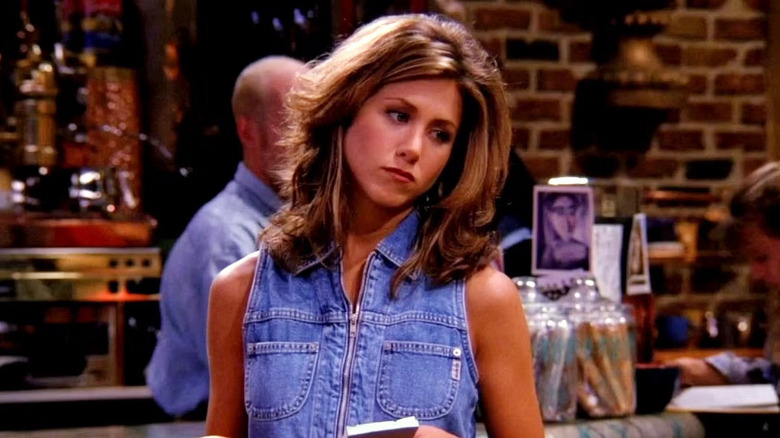
"Friends" is the perfect snapshot of '90s culture. Everything about it, from the fashion and scripted humor to Jennifer Aniston's iconic hairstyle and the yuppie lifestyles of its young characters, reflects the world of that era. The central group — Rachel Green (Jennifer Aniston), Phoebe Buffay (Lisa Kudrow), Ross Geller (David Schwimmer), Chandler Bing (Matthew Perry), Monica Geller (Courteney Cox), and Joey Tribbiani (Matt LeBlanc) — were blissfully naive, occasionally brushing up against real-world social issues (some of which have aged poorly) but never letting them get in the way of the show's breezy, feel-good charm.
"Friends" was perfectly content setting up gags, entangling its characters in turgid romances, and reeling in a host of big-name guest stars — notably Tom Selleck and Brad Pitt. It was simple, affectionate entertainment that played its role in pop culture with astonishing glee.
More importantly, the show offered a hopeful (if not whimsical) view of the world, where a group of friends could set up shop in a luxurious apartment and sort out their problems over an expensive cup of coffee at a diner where the patrons always vacated the central couch. This was the kind of show that made young adults feel optimistic about life and hold tightly to friendships through thick and thin.
1. Seinfeld
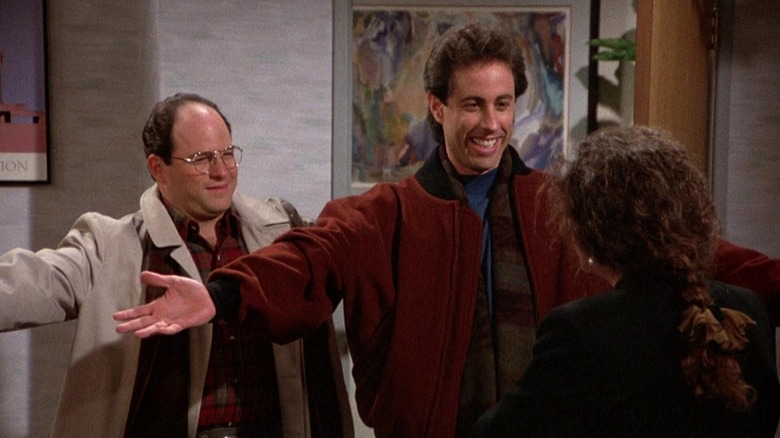
As big as "Friends" was for the decade, "Seinfeld" was that much bigger. What started as a quirky comedy starring a bunch of unknowns quickly evolved into one of the most successful TV shows of all time. "Seinfeld" won a glut of awards, dominated the ratings, and helped shape pop culture with a slew of catchy punchlines, characters, and sayings that still live on today.
Set in New York City, the series revolves around comedian Jerry Seinfeld (Jerry Seinfeld) and his pals — George Costanza (Jason Alexander), Cosmo Kramer (Michael Richards), and Elaine Benes (Julia Louis-Dreyfus) — who get into absurd situations without any real purpose or meaning. No one on the show evolves or grows, and little is gained by the end of each episode. Instead, Jerry and Co. make their way through New York City's bustling streets, often undermining others (and sometimes each other) to satisfy their own selfish needs. And somehow, watching four deeply flawed characters run rampant without consequences proved undeniably satisfying.
Sure, the "Seinfeld" finale was divisive, but aside from a few bumps along the way, "Seinfeld" remains close to perfect television — a fun way to spend an evening after a long day. Viewers may not glean anything inspiring from the show, but it's consistently laugh-out-loud funny.