

10 Anime Shows Without A Single Bad Season
We may receive a commission on purchases made from links.
Many classic anime shows like "Dragon Ball" and "One Piece" ran continuously without being divided into seasons. However, more and more anime series are shifting to a conventional seasonal structure for their production and release schedule. This change hasn't marred modern anime's quality, several of the most essential anime series have incorporated a multi-season structure. These stellar shows embrace the storytelling pacing that comes with planned season breaks, providing a sense of escalation and consistent level of quality.
A handful of anime shows have especially excelled at the possibilities of pacing out their respective stories across multiple releases, without a mediocre season. This article highlights anime series that have maintained an overall excellent run, at least at a season-level. To clarify, this list does not include series that only ran for one season or were retroactively divided into seasons for localized home video releases. These are 10 anime shows without a single bad season and each well worth checking out for your next binge.
Gintama
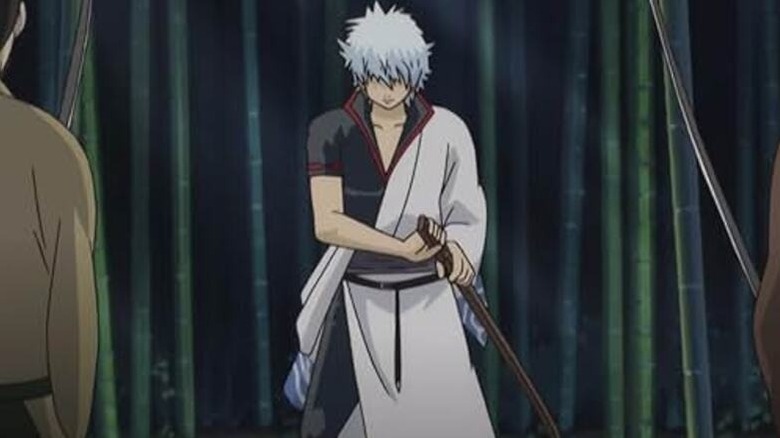
Hideaki Sorachi's manga series "Gintama" received a long-running anime adaptation airing intermittently from 2006 to 2018 split across 10 seasons. The show takes place in a world where extraterrestrial invaders conquered Earth during the time of samurai in Japan. As such, modern society reflects this continued cultural history in its fashion and architecture, though samurai swords themselves are outlawed. Samurai protagonist Gintoki Sakata carries out odd jobs to get by before becoming involved in an effort to save the planet from the villainous Utsuro.
"Gintama" is one of the most deliberately strange shows on this list, not just subverting samurai stories but popular anime tropes at large. This means that the comedy is a constant presence and consistently off-the-wall to the point of frequent absurdism. At the same time, there are beautifully developed characters for Gintoki and his friends and an underlying epic adventure. This is built upon across its 10-season run and the continuation anime movies expanding the adaptation. A surrealist ride that blends samurai tropes with a sci-fi premise, "Gintama" is an offbeat classic anime.
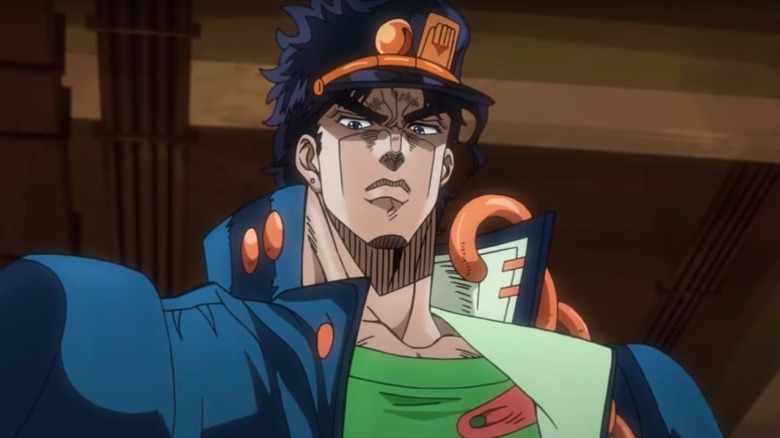
JoJo's Bizarre Adventure
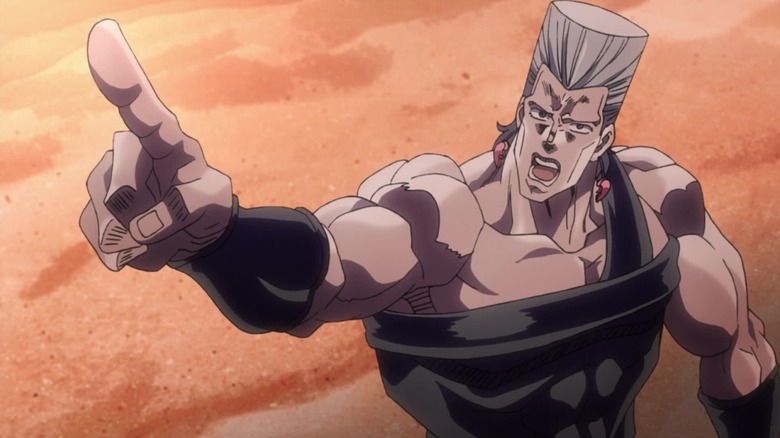
Hirohiko Araki's long-running manga series "JoJo's Bizarre Adventure" has been adapted into multiple different mediums, including an anime show that premiered in 2012. Each season of the series centers on a different member of the Joestar family across each generation, starting with Victorian England. Through a mysterious psychic energy, gifted individuals are able to manifest powerful avatars, known as Stands, each with their own unique abilities. The Joestar family and their allies take on a variety of villains who each have devastating Stands of their own that they use towards evil.
"JoJo's Bizarre Adventure" certainly lives up to its name, indeed getting extremely weird with its characters and their proclivities every generation. This often underscores the show's action, which gets incredibly gory with reality-bending carnage as the Stand users battle around the world. Beyond just adding a new subtitle with each season, there is a distinct evolution to the series, with the art style and sensibilities subtly changing with each JoJo. An anime with a striking sense of personality, "JoJo's Bizarre Adventure" feels like an effervescent reinvention with every season, keeping things fresh and exciting as it introduces largely new casts and protagonists.
Attack on Titan
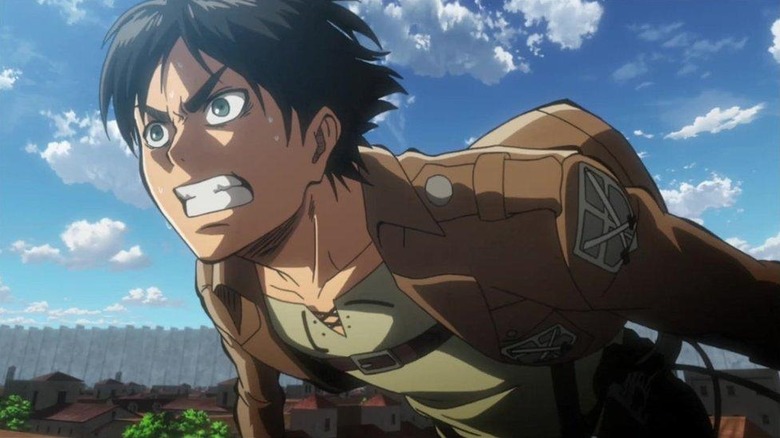
One of the most consistently intense anime shows in the past several years is "Attack on Titan," based on the manga by Hajime Isayama. The story is set in a steampunk fantasy world where humanity shelters in a city with towering walls to protect them from carnivorous giants, known as Titans. After losing his mother to a Titan attack, protagonist Eren Yeager joins a specialized military unit to take down Titans, only to discover his own tragic history with the monsters. This fuels an escalating war against a rival kingdom that is also linked to the secret origins of the Titans.
Running for four seasons, "Attack on Titan" is one of the best fantasy TV shows ever made, regardless of medium. The show never pulls its punches, even when dealing with clear fan-favorite characters, packed with plenty of twists and the most disturbing TV scenes of all time. That makes every defeat all the more heartbreaking and even triumphant moments carrying their own level of melancholia and bittersweetness. Maintaining a fiery fury from its opening episode to a near-apocalyptic frenzy by the end, "Attack on Titan" is a visceral ride from start to finish.
Food Wars! Shokugeki no Soma
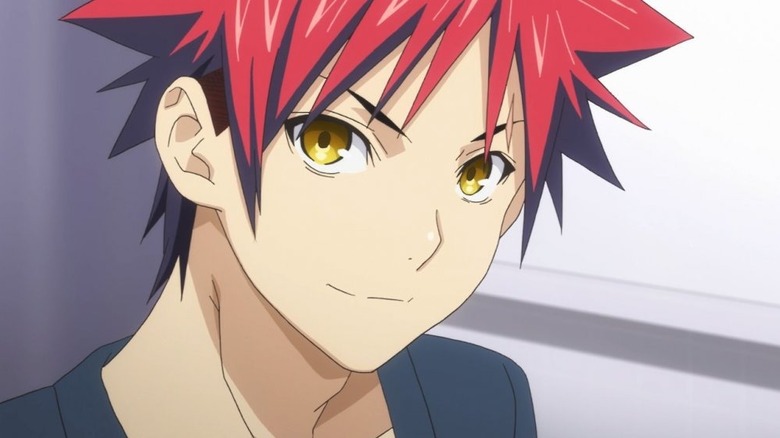
The intense world of competitive cooking is explored in "Food Wars! Shokugeki no Soma," which premiered in 2015. Adapting the manga by Yūto Tsukuda and Shun Saeki, the story opens with teenage protagonist Soma Yukihira enrolling in a culinary academy in Tokyo. The school involves its students competing in elaborate cooking contests to be recognized as the most elite chefs in the student body. After joining the academy, Soma experiences everything from a sudden change in the school's leadership to facing a contingent of criminal chefs.
"Food Wars" blends coming-of-age drama, comedy, and intense competitions all framed against the backdrop of the culinary world. True to its premise, the show's real appeal is its cooking sequences, dropping real gastronomic facts and recipes to learn. The competitions have a real stylish flair to them and are each tantalizingly staged, always serving as a highlight across the series' five-season run. "Food Wars" is a full course meal, taking its story into strange and surprising directions, keeping its audience's full attention till the end.
My Hero Academia
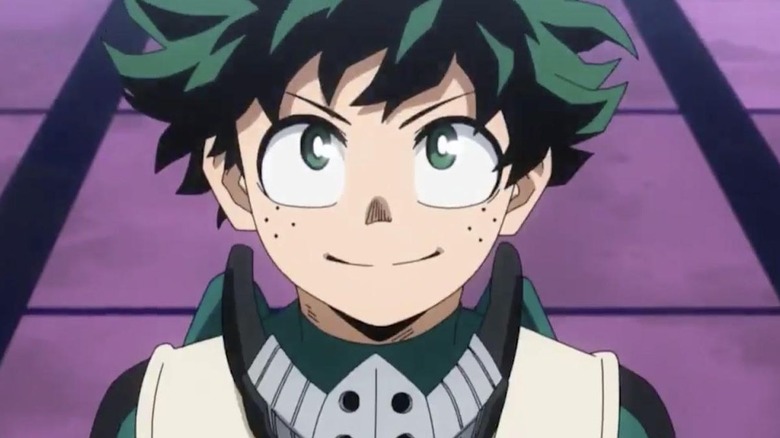
Japan offers its own ambitious anime take on the superhero genre with the 2016 series "My Hero Academia." Based on the manga by Kōhei Horikoshi, the story is set in a world where many gifted individuals develop unique superpowers, known as Quirks. High schooler Izuku Midoriya attends a private institution training its students to become the next generation of Pro Heroes. As Midoriya advances through the ranks, the students have to put their lessons to use quickly when the world's supervillains band together in a league of their own.
Blending coming-of-age antics with superhero action, "My Hero Academia" is one of the most vibrant takes on the genre in years. The familiar costumed hero tropes are front and center, but reimagined in a way that makes them feel fresh and fun again. The extensive ensemble cast each bring memorably complementary textures to the story, both for the heroic and villainous factions. Worthy of being considered among the best superhero TV shows of all time, "My Hero Academia" is a high-powered thrill ride.
That Time I Got Reincarnated as a Slime
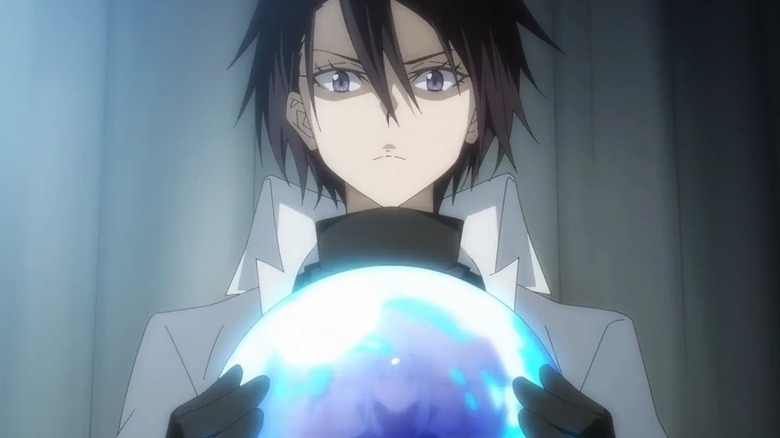
The light novel series "That Time I Got Reincarnated as a Slime" by Fuse was adapted into an anime series in 2018. As its title explicitly suggests, the story starts with unassuming salaryman Satoru Mikami being killed in a random scuffle and reincarnated in a fantasy realm. Starting out as a lowly sentient slime, Satoru grows stronger every time they consume another being, also inheriting their abilities. Taking on the name Rimuru, the slime quickly ascends to become an increasingly pivotal figure in the future of this fantasy world.
Thanks to Rimuru's past life in contemporary Japan, there is a constant genre self-awareness to "That Time I Got Reincarnated as a Slime." But more than just subverting common fantasy tropes, the story highlights and celebrates them in a unique way. The series' first three seasons and counting have beautifully brought this tale to life, steadily upping the ante as Rimuru's potential is upgraded. An exploration of high fantasy with a clear and organic sense of escalation, "That Time I Got Reincarnated as a Slime" is a lot of fun.
Demon Slayer: Kimetsu no Yaiba
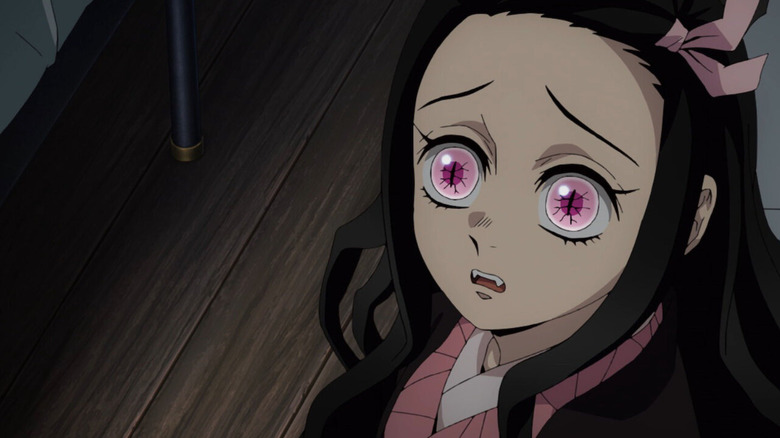
One of the biggest anime franchises around these days is "Demon Slayer: Kimetsu no Yaiba," based on the manga by Koyoharu Gotouge. The story centers on Tanjiro Kamado, whose family is massacred by the demon king Muzan Kibutsuji, with his younger sister Nezuko. Tanjiro joins the Demon Slayer Corps, training to avenge his family and find a way to save his sibling before she's completely transformed. In between several of the seasons, theatrical films continue the story, detailing Tanjiro's ongoing and escalating feud with Muzan.
There's a reason why "Demon Slayer: Infinity Castle" took the box office by storm, and it's because millions of fans worldwide have become genuinely hooked into Gotouge's saga. This reflects the level of quality being maintained not just each season, but to its continuation movies too. The show's animation is crisply rendered, particularly when it comes to the dazzling action set pieces that punctuate the story. But beyond the blood and fury, there is a significant emotional investment in Tanjiro and Nezuko's journey as well as the growing supporting cast. "Demon Slayer" has become a global phenomenon lighting up the silver screen and it all started with its consistently stellar anime series.
Vinland Saga
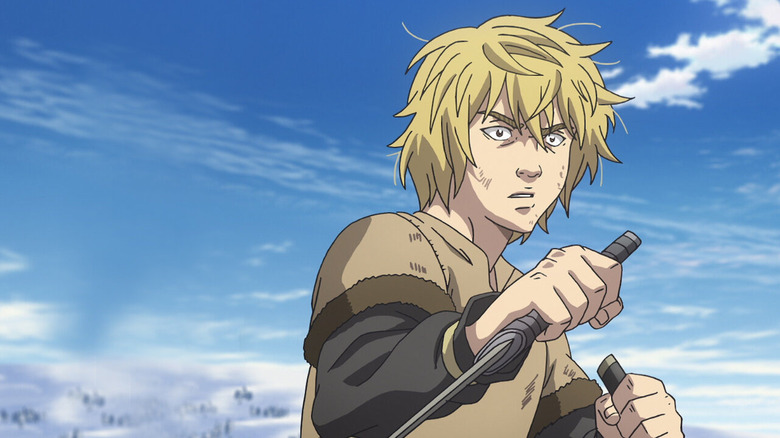
"Attack on Titan" is far from the only exceedingly grim anime series around, with "Vinland Saga" bringing an intense approach to the Viking Age. Adapting the manga series by Makoto Yukimura, the story follows Thorfinn, who swears revenge on Askeladd for killing his father. This elaborate vengeance takes shape over the course of the first season, with Thorfinn building his own lethal set of skills. The second season has Thorfinn confront the cost of revenge as he contends with the unresolved issues from his bloody past.
"Vinland Saga" is unrelentingly brutal and definitely not precious about its main characters, which endears it to its fans all the more. The depiction of violence is unflinching, with a grounded level of bloodletting and gore that makes the action feel consequential. This helps underscore the story's themes about the soul-taxing toll that revenge and violence takes on the obsessed. Earning its place among the best historical TV shows of all time, "Vinland Saga" is a rage-fueled epic that keeps its psychological undertones visible.
Komi Can't Communicate
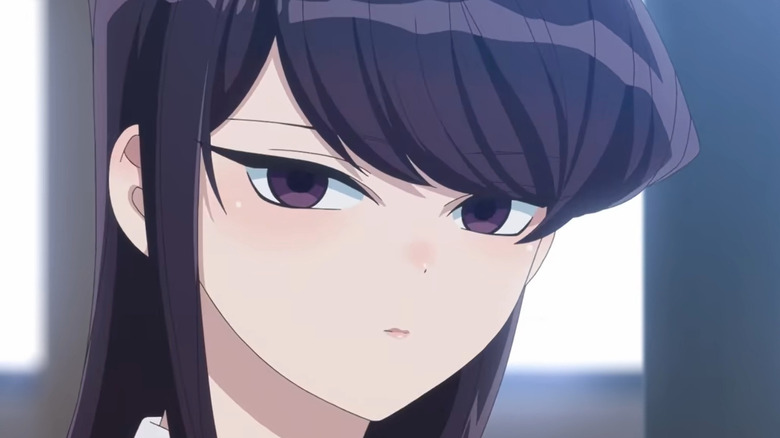
Among the best multi-season slice-of-life anime shows is "Komi Can't Communicate," adapting Tomohito Oda's manga series of the same name. The title character, Shōko Komi, is a high school student suffering from severe social anxiety inhibiting her ability to interact with others. Though her classmates widely regard her as beautiful, she has trouble connecting with them, with Hitohito Tadano helping her by trying to get her to make 100 friends. As the pair work together and get to know each other, they grow closer over the course of the two-season anime series.
"Komi Can't Communicate" features plenty of humor derived from Shōko's condition, fueled by her cartoonishly rendered wide-eyed expression. But there's an earnest sentimentality behind the show's goofier moments, particularly in the budding relationship between Shōko and Hitohito. The storytelling scope organically grows going into the second season, marked by another nervous new student, Makoto Katai. Slice-of-life stories are fueled by likable characters and a genuinely developed emotional core and "Komi Can't Communicate" has both in abundant supply.
Solo Leveling
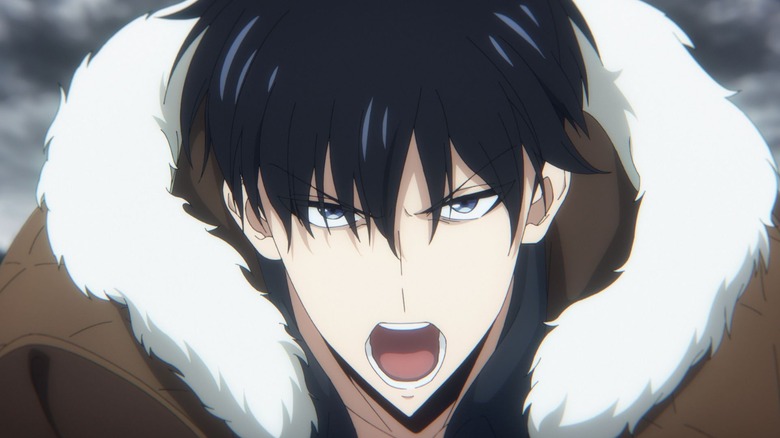
The South Korean fantasy webnovel "Solo Leveling" by Chugong received a Japanese anime adaptation which premiered in 2024. The story takes place in a world where portals to a fantasy realm populated by monsters begin to open around the globe. Hunters venture through these portals to clear monsters outside of dungeons, including low-level hunter Sung Jin-woo, who manages to survive a disastrous quest. This grants him the ability to level up in power as he begins taking on quests alone, learning about his true destiny in the process.
Like "That Time I Got Reincarnated as a Slime," "Solo Leveling" takes a postmodern approach towards its high fantasy story. As alluded to in its title, this is a story that addresses the mechanics of fantasy games, specifically dungeon-crawling and leveling up. But even for those unfamiliar with RPGs and their tropes, the show is entertaining, action-packed, and easy for viewers to follow. A self-aware but no less intense or epic take on fantasy, "Solo Leveling" deconstructs the genre as it reinvents it.