

10 Most Underrated Episodes Of The Twilight Zone
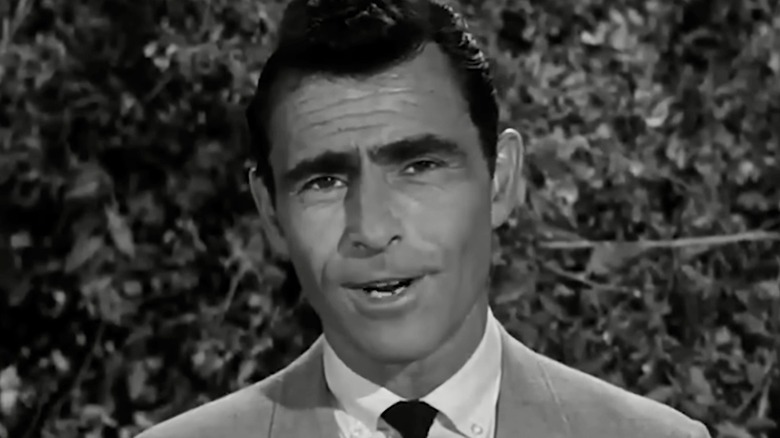
"The Twilight Zone" is one of the best horror shows of all time, but limiting it to one genre doesn't do it justice. Rod Serling's anthology series also ranks among television's great sci-fi and fantasy shows, but if there's one thing that unifies its episodes, it's imagination. "The Twilight Zone" is known for its original stories, thoughtful themes, and twist endings, whether an episode sets out to spook viewers, make us think, make us laugh, or all of the above. The show maintained an impressive level of quality throughout its five-season run, but some episodes remain overlooked and underappreciated.
This list focuses on "Twilight Zone" episodes that deserve more credit and recognition. Some were dismissed by critics, while others have become afterthoughts as more famous episodes continue to dominate the conversation. They also showcase the series' genre-hopping diversity, with stories featuring ghosts, dogs, assassins, and more. With that in mind, here are 10 underrated "Twilight Zone" episodes that deserve your time.
What You Need
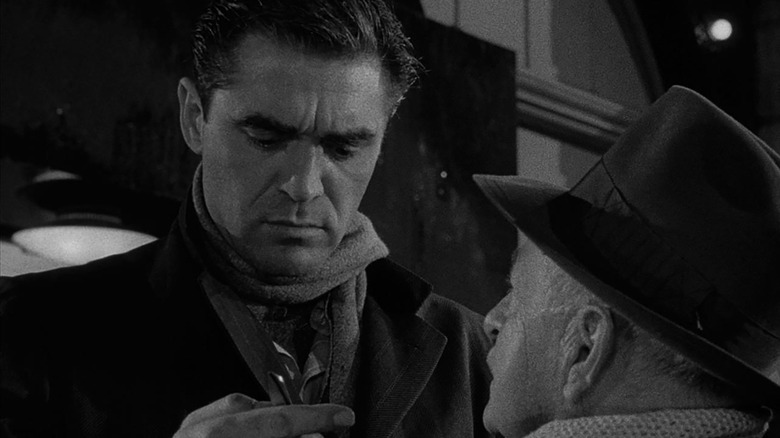
"The Twilight Zone" is full of cautionary tales, and "What You Need" warns viewers about the dangers of unchecked greed and taking advantage of others. The episode tells the story of Fred Renard (Steve Cochran), an unpleasant fella who tries to exploit an elderly peddler who gives people minor items that unexpectedly aid their future. However, Fred's decision to bully the man into giving him more than he's willing to offer ultimately has dire consequences.
"What You Need" is a terrific episode that doesn't pull any punches. The opening monologue instantly establishes Fred as an irredeemable character, and the episode proceeds to punish him accordingly, even though his anguish is self-inflicted in many ways. Cochran gives a great performance as a menacing and detestable crook, which only makes his downfall all the more satisfying. Like many "Twilight Zone" episodes, the villain's comeuppance is ghoulishly funny, but it also serves a moralistic purpose. Overall, it's an enjoyably unpleasant episode.
The Howling Man
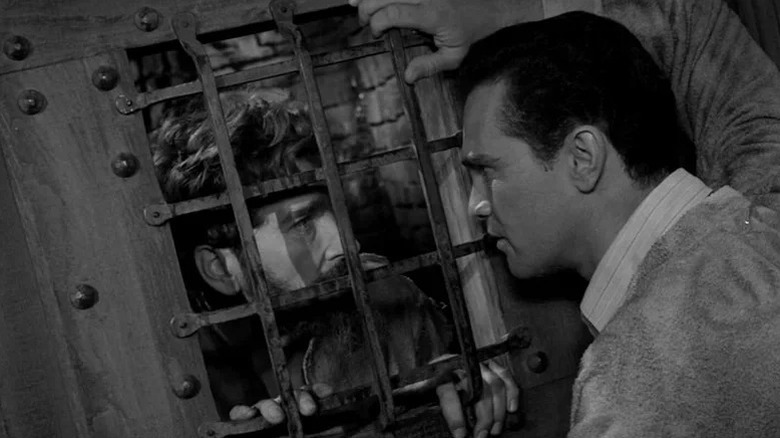
"The Twilight Zone" is full of scary episodes, but "The Howling Man" is one of the more horror-centric tales in the entire series thanks to its chilling mood and Gothic atmosphere. The story follows a man who enters a monastery that houses a mysterious prisoner whom the monks claim is the Devil. Who's telling the truth?
The biggest strength of "The Howling Man" is its ability to make viewers distrust all of the characters involved. It's easy to believe everyone's side of the story until the big revelation arrives toward the end — and it's a doozy. The spooky atmosphere will also tickle the taste buds of viewers who love creepy tales filled with shadowy corridors and stormy nights, making it the perfect "Twilight Zone" episode to watch during the Halloween season. That said, "The Howling Man" is worth checking out any time of the year if you're in the mood for a fright.
The Jeopardy Room
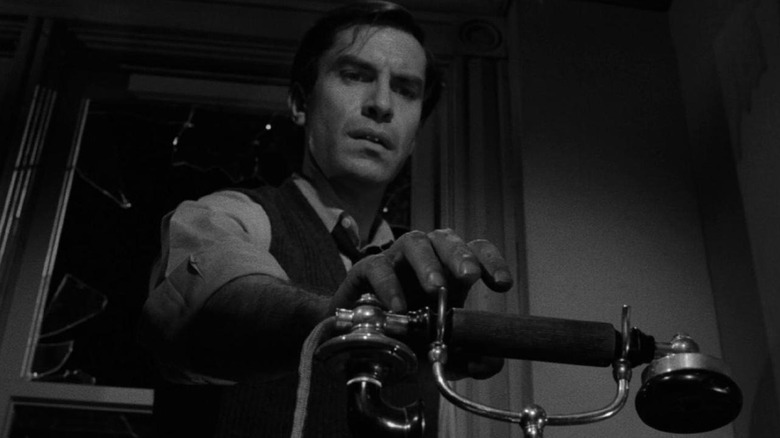
"The Jeopardy Room" centers around a conundrum where every option seems hopeless. It tells the story of a man who gets trapped in a hotel room where a bomb is hidden. If he can find and disarm the explosive device within three hours, he gets to leave with his life intact. However, trying to escape from the room will prompt a sniper to assassinate him, so talk about a sticky situation.
This episode doesn't feature any of the fantastical or sci-fi elements people typically associate with "The Twilight Zone." Be that as it may, it's a nail-biting, race-against-time thriller that oozes tension and is arguably even more terrifying than some of the show's more overt horror offerings. Season 5 isn't regarded as the series' best installment, and Rod Serling suffered from burnout at the time. But "The Jeopardy Room" shows that Serling could still deliver top-tier work despite that creative exhaustion.
The Arrival
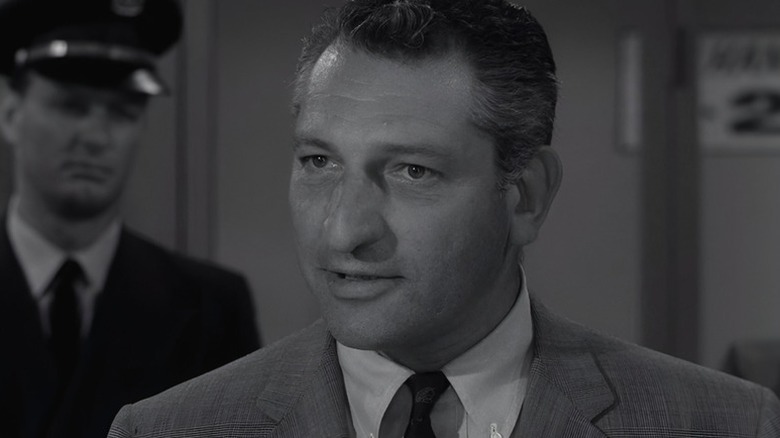
Some of the best "Twilight Zone" episodes involve aviation, with "Nightmare at 20,000 Feet" being one of the more prominent examples. Less is said about "The Arrival," which tells the story of a plane that lands at an airport without any passengers, pilots, or crew on board. The episode drew criticism for being uninspired after it aired, and Rod Serling noted that he felt creatively depleted at the time.
Those criticisms feel too harsh, though. "The Arrival" might not be the best "Twilight Zone" episode about airplanes, but it's still an unsettling entry with a compelling mystery that will keep you guessing until the end. Without going into spoilers, the twist is pretty great and brings a psychological explanation to what originally seems like an impossible, supernatural occurrence. This one fits the underrated category simply because it isn't as bad or uninspired as some naysayers would have us believe.
One for the Angels
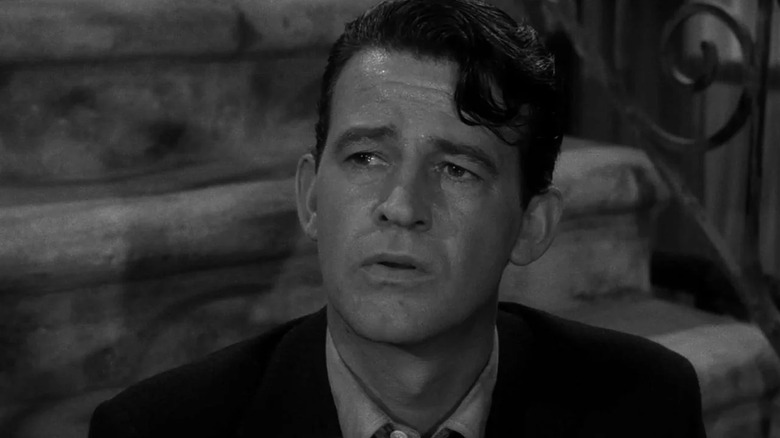
Most of us are afraid of dying, but it's happening eventually — whether we want to accept it or not. This is also the core message behind "One for the Angels," one of the standout episodes of "The Twilight Zone" Season 1.
The episode follows Lou Bookman (Ed Wynn), an aging salesman who tries to escape dying by finding a loophole in a deal with Death (Murray Hamilton). However, Lou's reprieve means that a little girl must die in his place, forcing him to make a tough decision.
Despite its macabre premise, "One for the Angels" is a sentimental "Twilight Zone" episode that tugs at the heartstrings. It's easy to sympathize with Lou, as his fears are relatable and Wynn imbues the character with warmth and likability. This episode doesn't seek to make viewers feel unsettled, but it confronts us with some uncomfortable truths just as effectively. Still, it's one of the show's more wholesome stories about accepting the reality of death.
The Grave
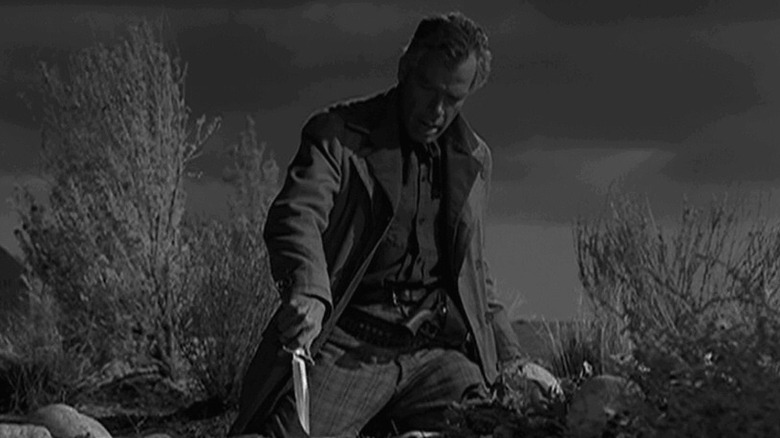
"The Twilight Zone" aired during the late '50s and '60s, a period when many great Western TV series dominated the small screen. Every once in a while, Rod Serling's anthology series explored the popular genre, which brings us to Season 3's "The Grave."
In this one, gunslinger Conny Miller (Lee Marvin) arrives in town after a group of locals has already killed an outlaw he was hired to take down. Miller soon learns that the deceased man vowed to get him from beyond the grave, prompting him to accept a wager to visit the outlaw's burial site. He stabs a knife into the dirt to prove he isn't scared, only to discover that there may be something to fear after all.
"The Grave" is an effective ghost story that mines plenty of scares from its simple premise. The cast is great across the board, with Lee Van Cleef and Strother Martin among the ensemble of Western genre heavyweights. It's hard to go wrong with actors of this caliber involved.
Perchance to Dream
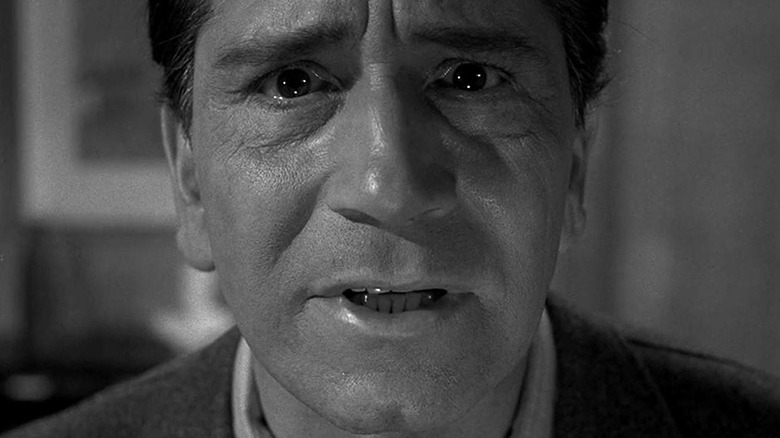
Have you ever worried about dying in your sleep? That's the conundrum faced by Edward Hall (Richard Conte) in "Perchance to Dream." Hall has a severe heart condition and fears that his overactive imagination will lead to his undoing. Every time he closes his eyes, he's haunted by visions of a woman, believing that a shock in his sleep will prove fatal.
This episode puts a unique spin on the idea that dying in a dream can lead to real-life demise. In lesser hands, it could have been hokey, but "Perchance to Dream" is based on a story by Charles Beaumont, a great writer of weird and frightening tales. It is also one of the best "Twilight Zone" episodes that weren't penned by Rod Serling, though it perfectly aligns with his sensibilities. What's more, it was helmed by Robert Florey, who contributed to Universal's "Frankenstein" and "Murders in the Rue Morgue." Long story short — the episode's horror pedigree is undeniable.
The end result is effective and spooky, and Conte's committed performance as the increasingly desperate protagonist goes a long way in making viewers sympathize with his plight. By the end, you might find yourself feeling too scared to go to bed.
The Hunt
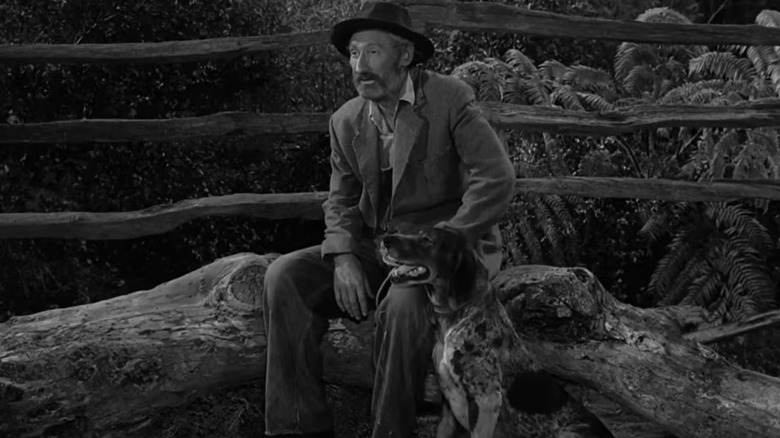
"The Hunt" is the ultimate "Twilight Zone" episode for dog lovers, but everyone should go into it knowing that it involves death. It follows an old man and his dog who both die on a hunting trip, only for the man to arrive at what he's told is Heaven and learn that his canine friend isn't allowed inside. Anyone who's ever owned a pet knows that this is a dealbreaker, but refusing to part with his companion turns out to be his saving grace.
With this being "The Twilight Zone," nothing is as it initially seems in "The Hunt." Still, the story is ultimately an ode to man's best friend and the lengths pet owners will go to in order to stay with their pooches. While there are macabre elements at play, "The Hunt" is one of the more wholesome and feel-good episodes in the "Twilight Zone" canon. It also emphasizes the idea that dogs are great judges of character and protective of their humans, a message plenty of pet owners can appreciate.
The Passersby
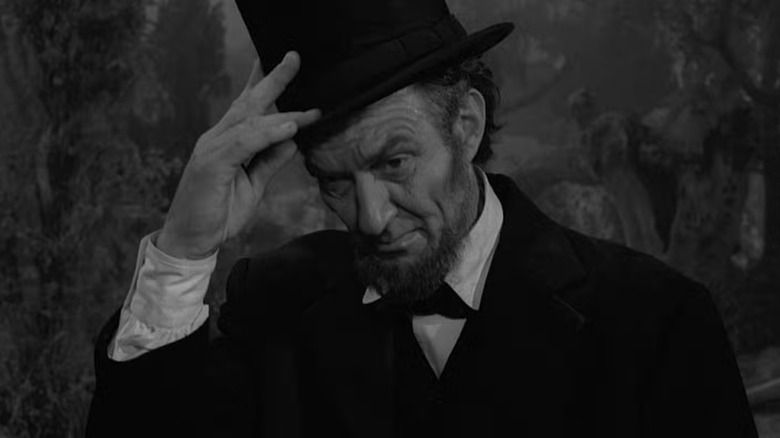
Twist endings where we learn that the characters have been dead all along have been done to death. However, they're still good when handled correctly, and "The Passersby" boasts such a great story that its cliched revelation doesn't really matter. Yes, its central characters are dead, but the episode's anti-war message still strikes a chord.
"The Passersby" follows a Confederate widow (Joanne Linville) and a wounded Sergeant (James Gregory) who find themselves alongside a dusty road following the end of the Civil War. We eventually learn that they are among the many ghosts marching toward the afterlife, and there's even an appearance by Abraham Lincoln (Austin Green).
Centering the episode on Confederate characters is a controversial choice on paper. However, "The Passersby" is less interested in choosing sides in the American Civil War than it is in showing how everyone suffers during conflict, with casualties sharing the same fate in death regardless of their allegiance. The episode also oozes atmosphere and dread, making it an effective chiller for horror fans.
The Changing of the Guard
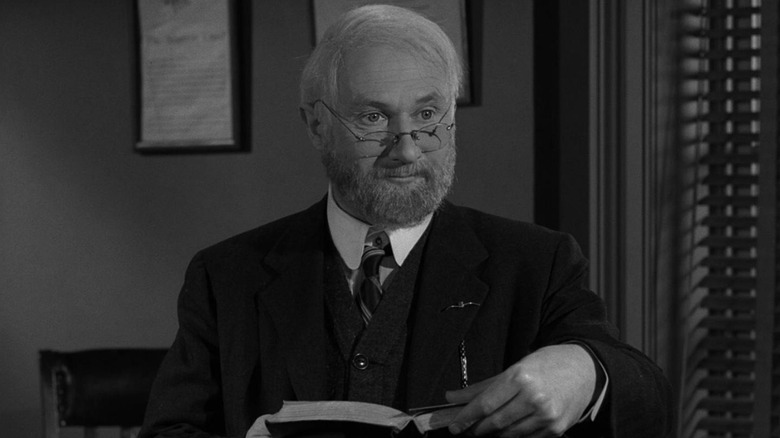
"The Twilight Zone" features plenty of episodes where characters face unfortunate ends. That said, the series can be pretty life-affirming at times, and "The Changing of the Guard" is a prime example.
In this one, Donald Pleasence plays a schoolteacher who contemplates death by suicide after being forced to retire. However, the ghosts of several former students show up to remind him of the positive impact he had on their lives, and he has a change of heart.
"The Changing of the Guard" works thanks to Pleasence's emotional performance, which is strong enough to bring a glass eye to tears. Of course, Rod Serling's script is excellent and laden with pathos, reminding us that we might not always recognize the difference we've made in other people's lives. Telling others how much we appreciate them is an easy gesture that can go a long way.
If you or someone you know is struggling or in crisis, help is available. Call or text 988 or chat 988lifeline.org