

All 44 Live-Action DC Comics TV Shows Ranked (Including Lanterns)
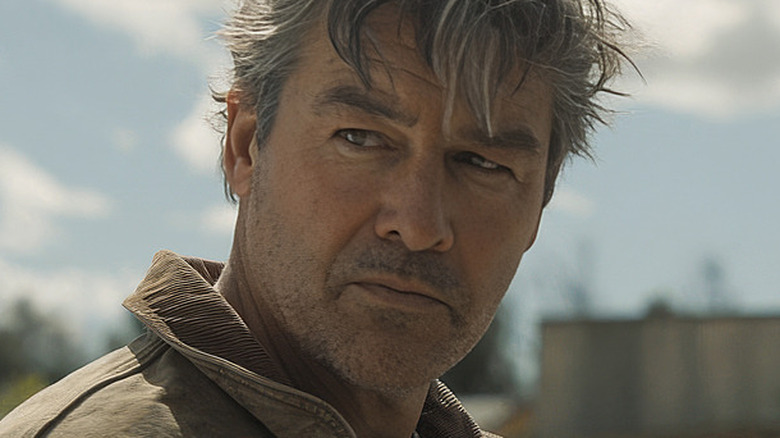
With the release of HBO's "Lanterns," Warner Bros. Television and DC Comics have continued their impressive nearly-75-year run of live-action superhero programming. There is no other legacy in the entertainment industry quite like it. It began in 1952 with "Adventures of Superman," a hit series that predated Marvel's first earnest live-action effort ("The Incredible Hulk") by 25 years.
DC's small-screen presence grew consistently in subsequent decades, through primetime kids' shows like the '60s "Batman" series, the short-lived experimental projects of the '90s, the CW melodramas of the 2000s and 2010s, and now the prestige dramas of the streaming era. Judging each series based on its lasting quality, contemporaneous impact, and overall use of DC characters, we've ranked all 44 live-action DC Comics TV shows — including "Lanterns."
44. Gotham Knights
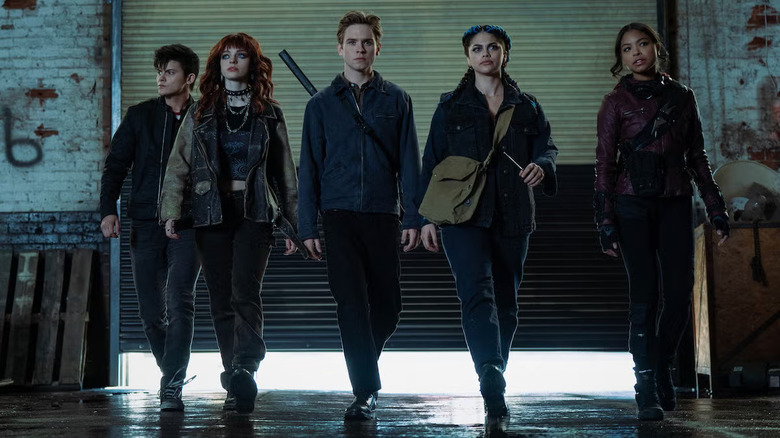
"Gotham Knights" managed to take every gripe DC Comics fans had about the CW-era of adaptations and combine them in a single regrettable project. It relied on the soap-opera melodrama we cringed at in later seasons of "Arrow" and "The Flash"; it lacked the budget necessary to pull off even the bare minimum in terms of action or spectacle; it focused almost entirely on original or obscure characters the audience had no relationship with; most of all, it was one of an infamous number of "Batman" TV shows with no Batman in sight.
Its potential has been charitably compared to that of "Smallville" or "Gotham," but this tepidly juvenile Bat-murder mystery failed to tap into either the coming-of-age warmth of the former show or the unhinged, criminal thrills of the latter. It would be unfair to blame the young cast — there was little they could do to overcome an over-promising title that invoked the likes of Dick Grayson and Barbara Gordon. The rest of its flaws are frankly inexcusable considering how dominant the superhero subgenre was in 2023. "Gotham Knights" was canceled after just a single season.
43. Birds of Prey
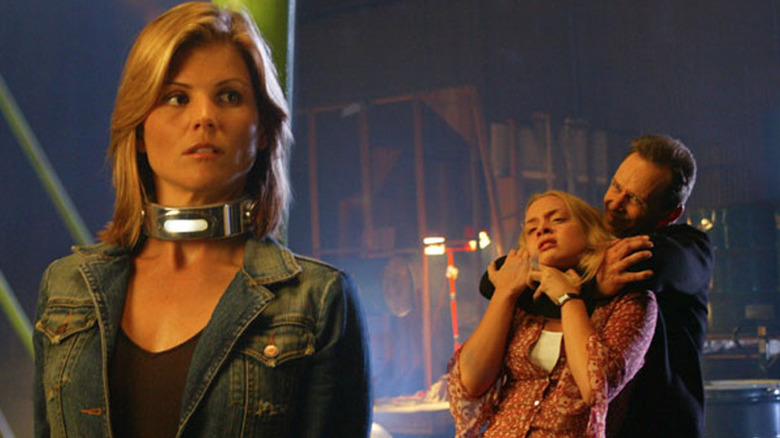
We'll give credit where it's due — it is genuinely admirable that The WB tried to produce an all-women DC Comics TV show in 2002. It also had the... "foresight" to attempt the first "Batman" show without Batman. Has that concept worked in any of the shows Warner Bros. has tried it in, in the 20 years since "Birds of Prey" took the first swing? Mostly no.
If it could've worked anywhere, it should've been here. Huntress (Ashley Scott), Dinah Lance (Rachel Skarsten) and Barbara Gordon (Dina Meyer) are beloved characters in their own right, and casting Harley Quinn (Mia Sara) as the central villain was a smart choice. The premise was ahead of its time — the execution was flat, schlocky, and far beneath what these characters deserved. It was canceled after one 13-episode season.
"Gotham Knights" is only ranked lower than "Birds of Prey" because the latter show at least made the same mistakes two decades ahead of time. They're both considered two of the worst superhero TV shows ever made.
42. Human Target (1992)
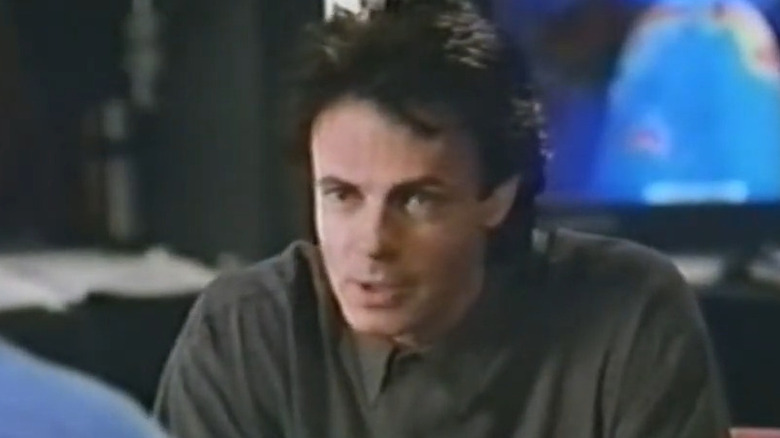
To quickly brief you on the origins of "Human Target" and this little-known DC Comics character (who will appear twice on this list, via two superhero shows you probably forgot even existed), Christopher Chance is a non-super-powered bodyguard who uses the art of disguise to impersonate his clients and shield them from danger.
The 1992 ABC series strips him of his comic book context, leaving him with just the disguise and identity-hopping gimmick. It's a not-entirely-doomed foundation, given that contemporaneous critic Jon Burlingame perfectly identified it as a cross between the most iconic tropes of "Mission: Impossible" and "Quantum Leap." Audiences should've been able to be excited by that potential — the execution just wasn't there. The entire production — from the performances and dialogue to the set design and action — feels strangely wooden, predictable, and uninteresting, especially for a show about a man who can become anyone and operate anywhere. It was canceled after seven episodes.
41. Powerless
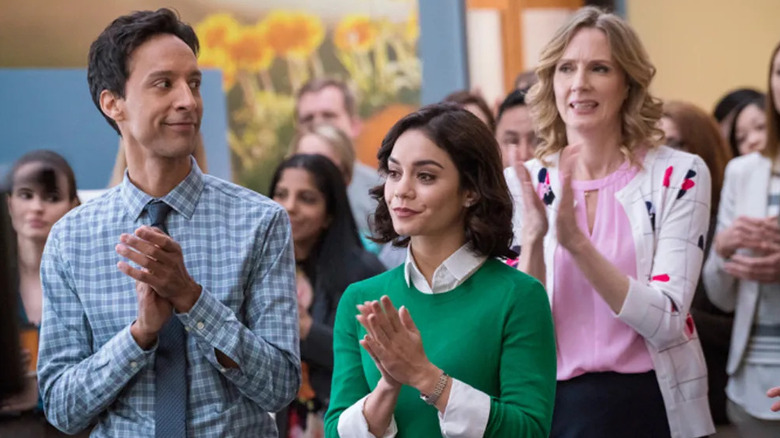
Oh, we wanted to love "Powerless" so bad. The premise is charming enough to make you forget it's technically another absentee-Batman show. Vanessa Hudgens stars as an optimistic research and development director at a Wayne Enterprises subsidiary, working underneath Bruce Wayne's insecure, underachieving cousin Van (Alan Tudyk).
The pilot is pretty decent, and the series overall holds enough potential to sell you on the idea of a DC Comics sitcom. Three members of the writing team — Justin Halpern, Patrick Schumacker, and Dean Lorey — went on to create HBO Max's exceptional "Harley Quinn" adult animated series, which succeeds off the same irreverent, comic-book-savvy humor "Powerless" is shooting for. Outside of a few fits and starts, it never takes flight.
Every episode after the pilot is unfunny to the point of being punishing. And because there's no larger narrative goal beyond the flat jokes (or any meaningful DC Comics cameos or mythology to keep fans on the hook), there's no foundation for "Powerless" to fall back on. When the jokes don't land, the show crashes entirely. It was canceled after one season.
40. Batwoman
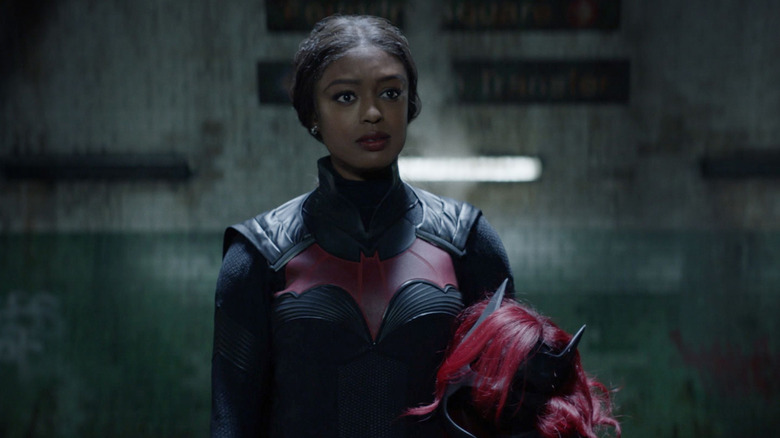
"Batwoman" is just as disappointing as "Powerless," even if it's significantly more enjoyable as a series. The CW show was held back from the start — Ruby Rose's sudden, acrimonious departure after Season 1 forced the creative team to dramatically rework the plot, and the decision to construct an original character rather than simply recast Kate Kane was, in hindsight, misguided.
With that being said, in fairness, Ryan Wilder is a better character than the version of Kate Kane Season 1 gave us. Javicia Leslie brings more range, charisma, and personality to the role, and the show gets noticeably better once she arrives. The freshness she brought was undermined by the same stale CW storytelling that plagued the Rose era of the show — obvious budget constraints, cliched writing, and the uninspired visual presentation throughout were the biggest drawbacks.
39. Shazam!
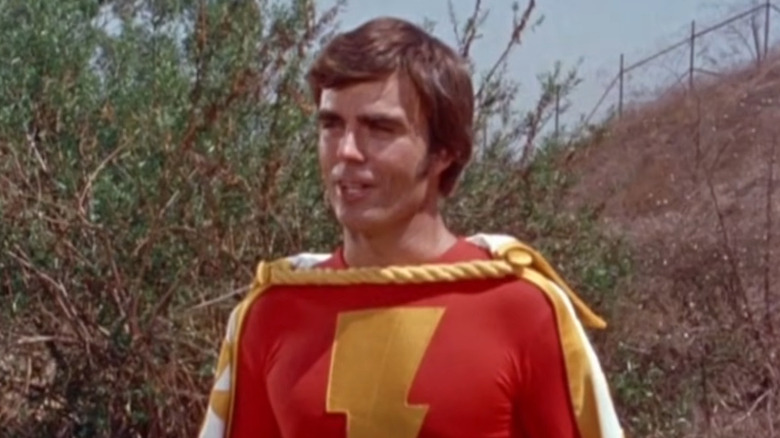
If the previous entries aren't evidence enough, we're not here to argue that newer automatically equals better when it comes to superhero shows. Nor are we so self-serious that we can't appreciate the campy or nostalgic charm of the subgenre's earliest on-screen efforts — the 1960s "Batman" series hasn't popped up yet, has it?
What we are saying with regard to the '70s "Shazam!" series is that some classics are just plain silly. CBS successfully reinvigorated DC Comics as a live-action-ready brand but didn't do much to push the storytelling or effects forward. Each episode is an uncomplicated, moralistic tale that offers all the psychological engagement of a cereal box. If '70s kids' shows bring you joy, "Shazam!" is worth throwing on — otherwise, you're not missing much.
38. The Secrets of Isis
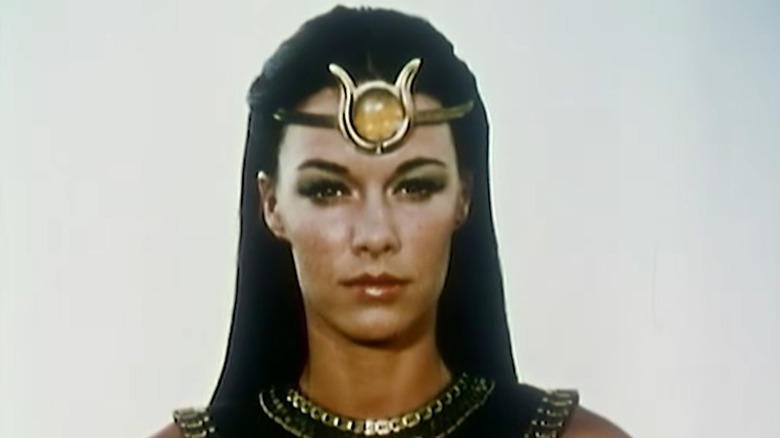
"Shazam!" was the first live-action DC Comics series to be produced since "Batman" went off the air in 1968. It was successful enough for CBS to commission a companion series — "The Secrets of Isis."
"Shazam!" and "The Secrets of Isis" are — in tone, format, and overall quality — functionally the same show. Joanna Cameron starred as an average high school teacher who can summon the powers of an Egyptian goddess. Cameron is notably the first woman to headline her own superhero TV show (before "Wonder Woman" or "The Bionic Woman").
We can't recommend "The Secrets of Isis" on different terms than we did "Shazam!" The shows know what they're trying to be and have no ambitions beyond that.
37. Superboy
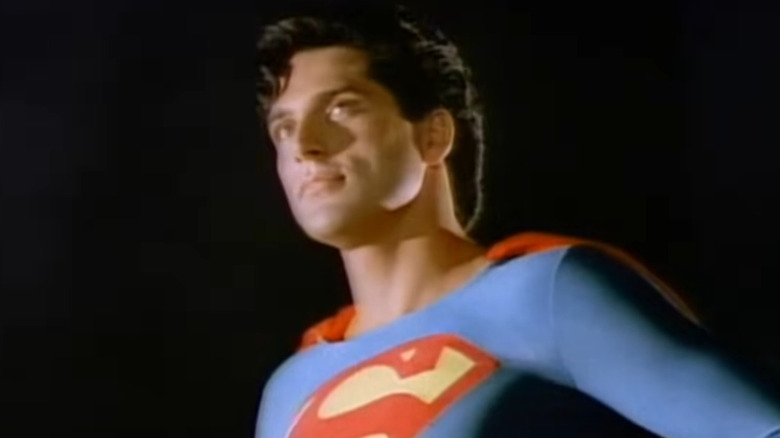
There's a noteworthy gap in quality between "Shazam!" and "Superboy." The syndicated late-'80s-slash-early-'90s series is the first on our list to be produced after the then-unprecedented success of Richard Donner's "Superman" in 1978. (Not incidentally, Ilya and Alexander Salkind produced both "Superman" and "Superboy.") Audiences and producers at large had a better idea of what a superhero story could look like, beyond adults in tights saving cats from trees.
While "Superboy" is certainly not the best superhero series of the 20th century, it was the first to acknowledge this evolution in storytelling. Clark Kent (John Haymes Newton and Gerard Christopher) is treated as a serious character capable of sustaining serialized drama across episodes, as is Lex Luthor (Scott Wells and Sherman Howard). Its 100-episode run brought back the consistency of "Adventures of Superman" and "Batman," and undeniably helped pave the way to better-remembered "Superman" shows down the line.
36. DMZ
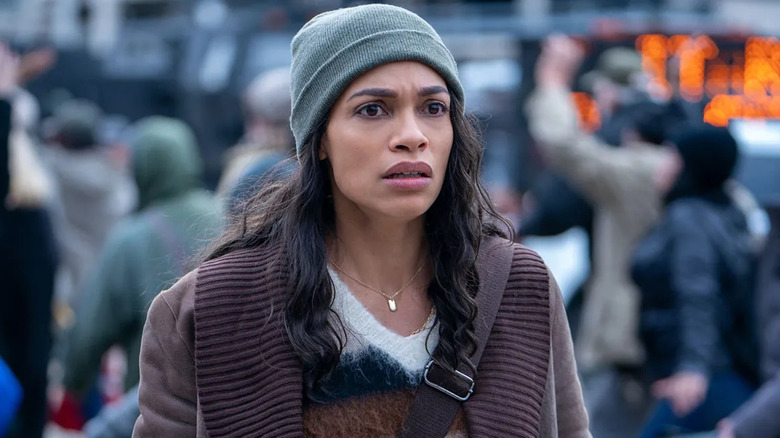
"DMZ" is the first entry on this list to represent DC's attempts to turn its properties into prestige TV. Some of these attempts were extraordinarily successful. This one wasn't.
Based on Brian Wood and Riccardo Burchielli's series, "DMZ" fails to turn a 72-issue post-apocalyptic saga into a satisfying four-episode miniseries. Set in an alternate universe where the United States has been torn apart by a civil war, it follows a woman (Rosario Dawson) who enters the Manhattan Demilitarized Zone to find her lost child. The strange part is that, as a viewer, you don't really notice the narrative compression — when the series isn't expositing at you through one of its characters, it avoids so much of the comics' world that you wonder how they stretched what was left into four hours.
Rosario Dawson is the sole saving grace. Otherwise, "DMZ" proves that the DC Comics logo isn't enough to make an adaptation memorable.
35. Naomi
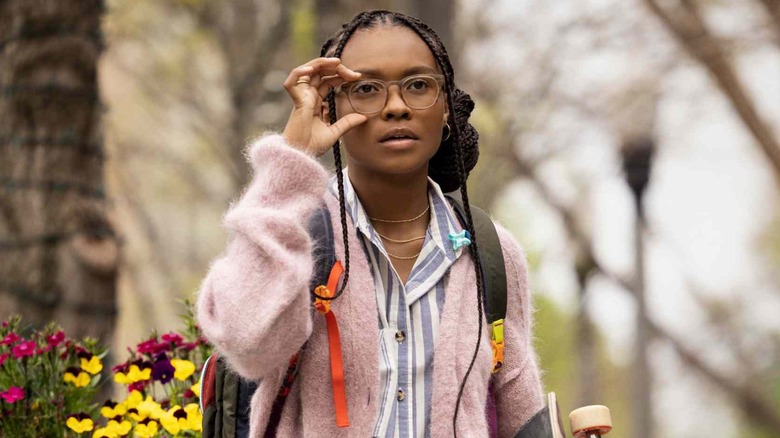
Coincidentally, both "DMZ" and "Naomi" share an executive producer in Ava DuVernay. The Oscar-nominated and Emmy-winning writer-director-producer is great at telling character-driven stories — that talent gets to shine more in a project like "Naomi," rather than in an alt-history action drama like "DMZ." The titular character (played by Kaci Walfall) is endearing enough to get audiences invested. She's a Superman-obsessed teenager whose fandom leads her to discover that she and the Man of Steel have more in common than she previously thought.
The series is, essentially, a reimagining of the "Superman" origin story from a new point of view. It doesn't do anything as inventive, subversive, or thematically complex with that premise as, say, "Invincible" or most other alt-"Superman" stories out there. "Naomi" failed to keep its viewership on board for long after the pilot and was canceled after its debut season.
34. Krypton
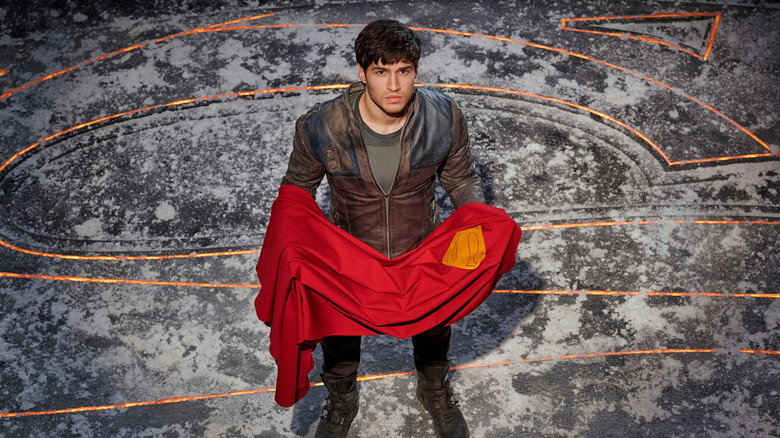
"Krypton" is one of a long line of late-2010s TV shows that were loudly (and misguidedly) attempting to become "the next 'Game of Thrones'" (a phrase that was almost exclusively used by executives who had neither the budget nor the cultural cachet to earnestly recapture what the HBO series had in its heyday). To its credit, "Krypton" was far more successful than Marvel's "Inhumans" over on ABC, which might be the worst Marvel TV series of all time.
On Syfy, "Krypton" took viewers back to Superman's home planet, centuries before his birth. Cameron Cuffe plays Granddad-of-Steel Seg-El in what is decidedly a science-fiction-fantasy drama, rather than a straightforward superhero show. While it certainly shrank when compared to the best sci-fi and fantasy series, its use of DC mythology was compelling for fans of the comics. Characters like General Zod (Colin Salmon) and Adam Strange (Shaun Sipos) get unparalleled focus; meanwhile, actors like Hannah Waddingham and future "Lanterns" star Aaron Pierre used it as a stepping stone in their careers.
33. Swamp Thing (1990)
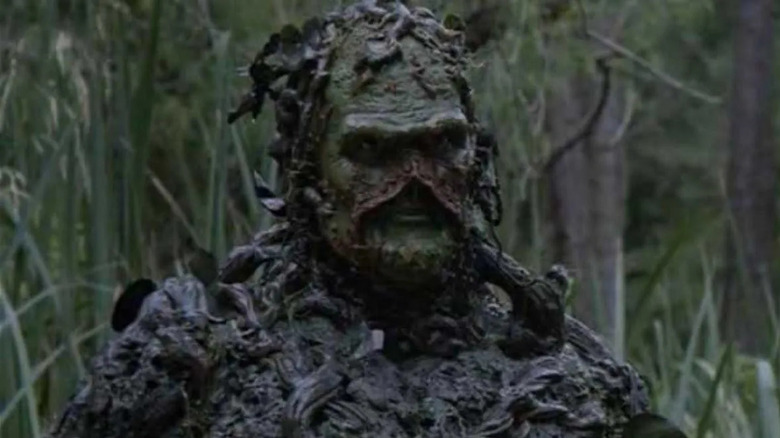
The "Swamp Thing" series might look disgusting, but trust us when we tell you that there's a hidden gem beneath all the muck. The 1990 USA Network series is a spiritual successor to the Wes Craven film, bringing back Dick Durock as the titular character. It isn't attempting to adapt the acclaimed Alan Moore comic book run of the '80s, nor is it the best "Swamp Thing" series ever made. It is, however, the longest-running and the most culturally significant.
At a half-hour, each episode of "Swamp Thing" feels appreciably self-contained and distinct, almost anthological in tone. Where "Superboy" feels like a coming-of-age story losing a battle against a superhero story, "Swamp Thing" earns its balanced subgenre-hybrid of superhero action drama and monster mash. B-movie horror fans will absolutely love it — everyone else can at least enjoy an episode or two on a particularly spooky night.
32. Titans
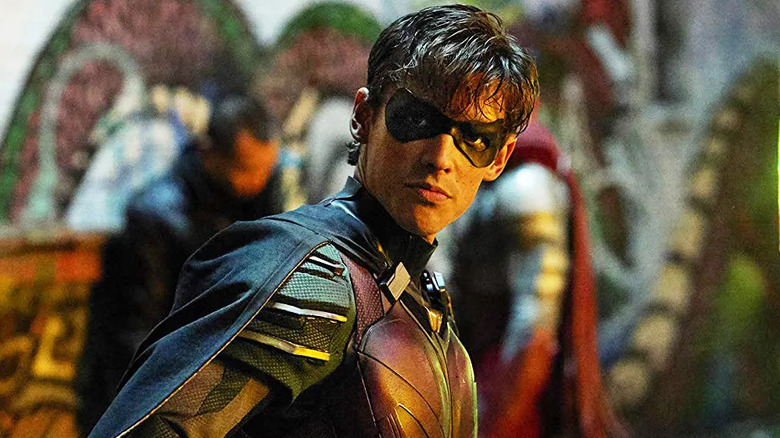
Designed as the flagship launch title for the DC Universe streaming platform, "Titans" was supposed to be the bridge between the CW's unabashed comic book dramas and prestige TV. The first trailer communicated the series' intentions rather pointedly through the infamous "F*** Batman" line. This was a comic book series for adults.
Whether or not "Titans" meaningfully fulfilled that promise depends on the viewer. While it was successful in committing to an aesthetically grittier tone, it lacks the genuine narrative complexity to back it up. Unsurprisingly, the higher entries on this list adopted a more mature tone — they also didn't try nearly as hard to signal what their desired target audience was, because a grounded detective drama or raunchy black comedy doesn't have to. A CW superhero drama with mean words does.
"Titans" absolutely deserves praise for being more comic book fluent than other DC shows at the time. From character selection to casting to costuming, it looked and felt like what a faithful, adult-oriented "Teen Titans" show should be.
31. Human Target (2010)
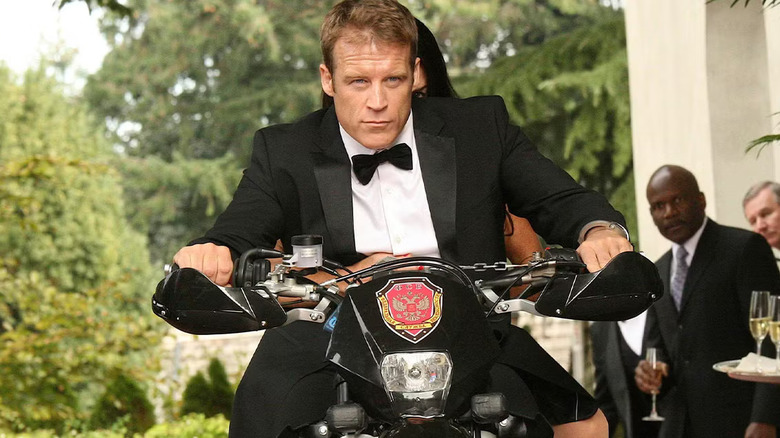
Fox's 2010 attempt at "Human Target" is pretty decent considering how much it abandons from the comics. It's probably the least comic-book-accurate show on this list given that Christopher Chance never uses his trademark "superpower." Mark Valley's version of the character is not a master of disguise who takes on the identities of his clients, a change that was likely made to give the show a real, identifiable leading man rather than a parade of guest stars playing one guy.
The audience actually gets to fully invest in the character. From his ability to infiltrate exclusive spaces to his exceptional action scenes, Valley's Chance carries the show as the hero. On the other hand, because it doesn't have the 1992 show's central gimmicks, more work is required to elevate it above your average network action drama. "Human Target" rarely meets this mark and is largely forgotten as a result.
30. Constantine
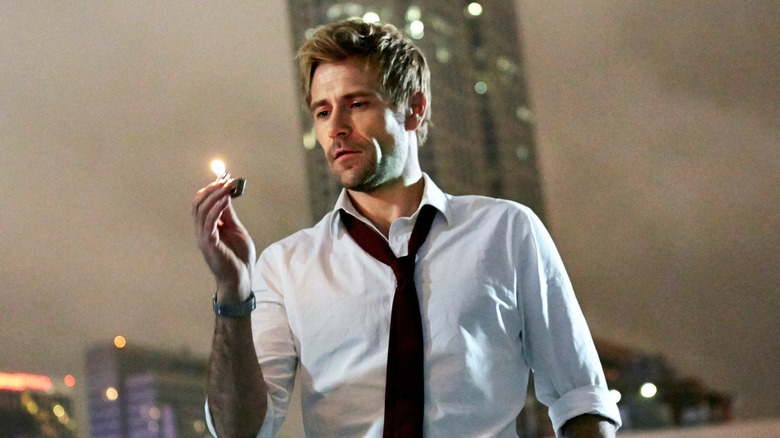
It can't be overstated how much Matt Ryan does for this show and its enduring reputation as an underrated DC series. The Welsh actor — largely known for this role and the video game "Assassin's Creed IV: Black Flag" — is the perfect John Constantine, full stop. He embodies the sleazy charm that was missing from the Keanu Reeves film, and was so embraced by longtime fans of the "Hellblazer" comics that he was brought back as the character in multiple subsequent DC TV and film continuities. As synonymous and inseparable as Ryan Reynolds, Hugh Jackman, Margot Robbie, Samuel L. Jackson and Robert Downey Jr. are with their respective roles, Matt Ryan is with John Constantine.
The rest of the show is much more of a mixed bag than his performance can entirely make up for. "Constantine" is audaciously dark and horrifying for network TV, executing about one solid scare every other episode. The procedural-leaning format meant to make it more palatable for network audiences also has an undercutting effect, leaving Ryan's work to spin the wheels of a repetitive formula.
29. Y: The Last Man
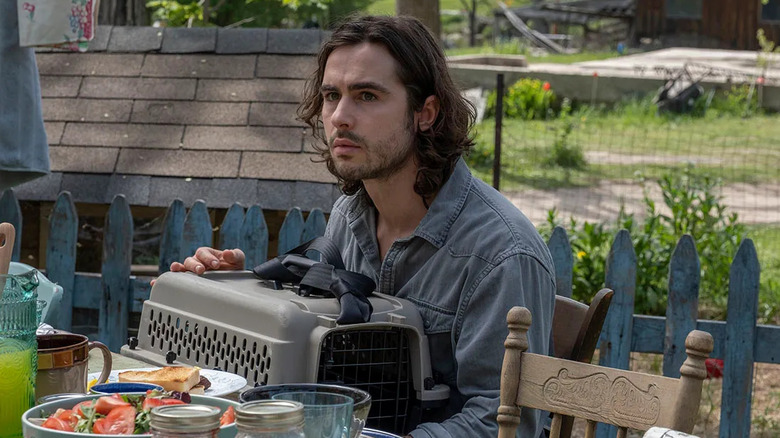
"Y: The Last Man" is probably the most fascinating entry on this list. Brian K. Vaughan and Pia Guerra's Vertigo series has a unique premise that hasn't been done at scale on TV — thus, Hollywood executives were eager to adapt it as early as 2007.
By the time it crossed the production finish line in 2021, however, the story had become outdated in an interesting way. The in-universe justification for the premise is a virus that kills anyone with a Y chromosome — which, as the audience's broader understanding of sex and gender evolves, becomes far less clear as a premise than it was in the 2000s. The FX series aimed to meet this reality head-on, acknowledging how this would affect trans men and women, intersex people, and cis women with Y chromosomes.
This makes the story more realistic, inclusive, and nuanced — it also blunts the original story's unique exploration of gender. The show winds up being a solid but generic post-apocalyptic action thriller released in an ironic and ill-timed COVID-era deluge of such shows.
28. The Flash (1990)
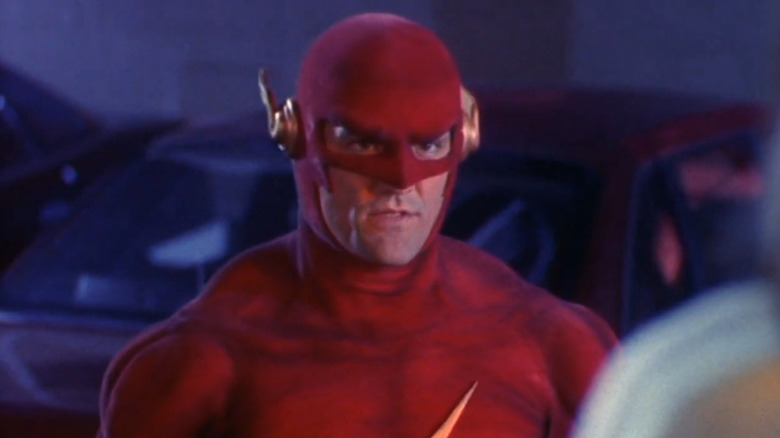
John Wesley Shipp as Barry Allen is one of the most underrated bits of comic book casting of all time. Grant Gustin was a fine choice specifically for the Arrowverse, in particular as a younger, geekier foil for Stephen Amell's brooding Oliver Queen. Shipp is Barry ripped straight from the comics — mature, grounded, and idealistic without being absolute. He is arguably the best live-action version of the character we've ever gotten, which is no doubt why the CW's "The Flash" brought him back so often.
As a show, CBS' "The Flash" is far from perfect, but still way better than you'd expect. It feels like a bridge between two eras of live-action superhero adaptations — the darker, zany, muscle-suited spectacle of the Burton era and the relatable humanity of Sam Raimi's "Spider-Man" films. And while the action has some clunkier moments, the speed effects actually hold up all right today. Readers will find its best episodes (the pilot, Mark Hamill's appearances as the Trickster) genuinely entertaining.
27. Lois and Clark: The New Adventures of Superman
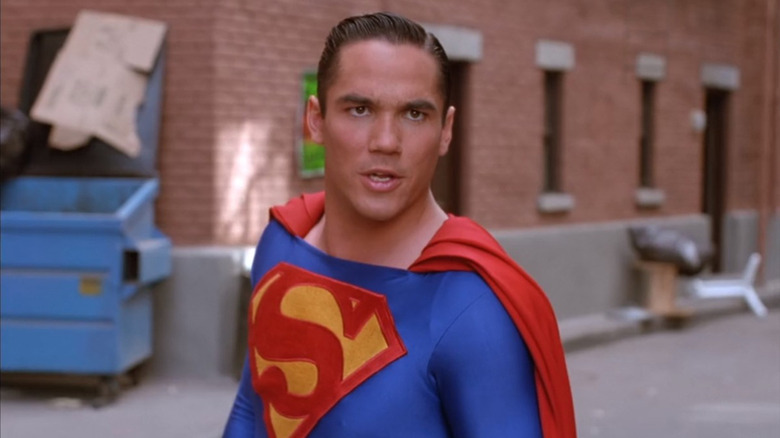
At its peak, "Lois & Clark: The New Adventures of Superman" was among the highest-rated DC Comics TV shows of all time. Per Nielsen ratings, the premiere of "The Flash" was the CW's most-watched telecast in the network's history with an estimated 6.8 million viewers. "Lois & Clark" pulled in over 18 million viewers a week before the rapid Season 4 dropoff. In the absence of an official list from DC, only the '60s "Batman" show is likely to surpass its viewership numbers.
Like "Superboy," it benefits from the maturing characterization of Superman (played by Dean Cain) in pop culture. "Lois & Clark" is a workplace romantic comedy designed to humanize him as much as his coworkers — Clark Kent is basically in a love triangle with Lois Lane (Teri Hatcher) and Superman. Hatcher's Lois is as definitive as she is influential, bringing forward the character's obsessive journalistic drive. The first three seasons are mostly great — the fourth is less consistent and got the show canceled on a cliffhanger.
26. Stargirl
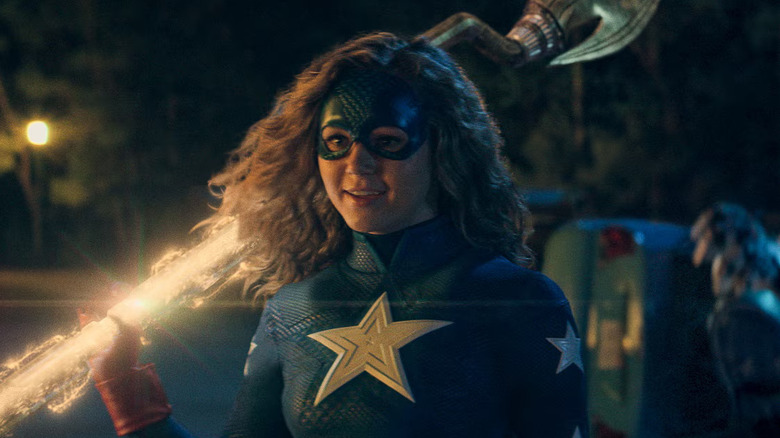
Where "Titans" used the creative freedom offered by DC Universe to cast the comics' most iconic young heroes in an uncharacteristically dark drama, "Stargirl" used it to shine a bright, optimistic light on characters we never thought we'd see in live-action. The series opens with a spectacular, character-packed and effects-heavy battle sequence between the Golden Age heroes of the Justice Society of America and their archenemies.
It maintains this quasi-cinematic scale throughout, looking significantly better than its predecessors on the CW. At the same time, "Stargirl" necessarily carries over the young-adult-centered storytelling. It feels more natural than what "Titans" was attempting. It helps that the character's creator, Geoff Johns, was the same person who created the TV adaptation. Stargirl's (Brec Bassinger) youthful optimism is respected, held even in contrast with the myopia of the villainous ensemble. The show was canceled after moving to the CW for its final seasons.
25. Adventures of Superman
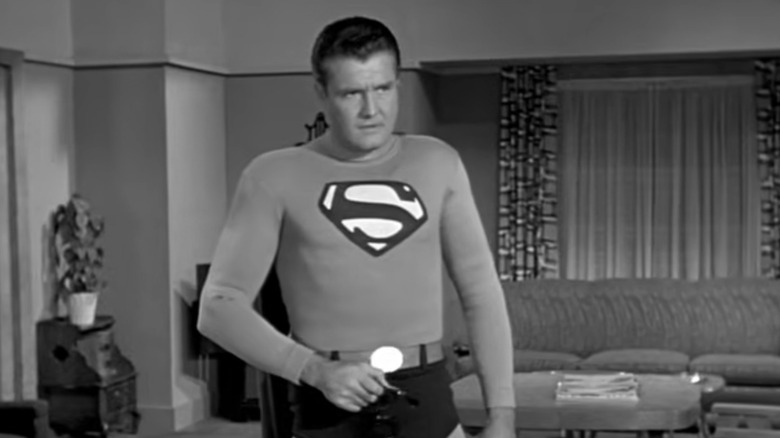
It's hard to argue that the first live-action DC Comics series belongs anywhere outside the Top 25 on a list like this. George Reeves starred as Clark Kent/Superman, a role that would define his career long after his passing. The success of "Adventures of Superman" effectively made the character into a star, rather than the actor — an early example of a phenomenon that has become more pronounced in the franchise era of Hollywood.
Outside the context of Reeves' career and his complicated feelings about this role, we can praise "Adventures of Superman" for laying the foundation for live-action superhero entertainment. Audiences enjoyed it so much because it was unlike other programs on TV at the time — Superman's powers were depicted through breakaway sets and decisive (if goofy-looking) fight choreography. Every "Superman" series, from "Superboy" to "Smallville" to "Superman & Lois," exists as a result of this series' impact.
24. Lucifer
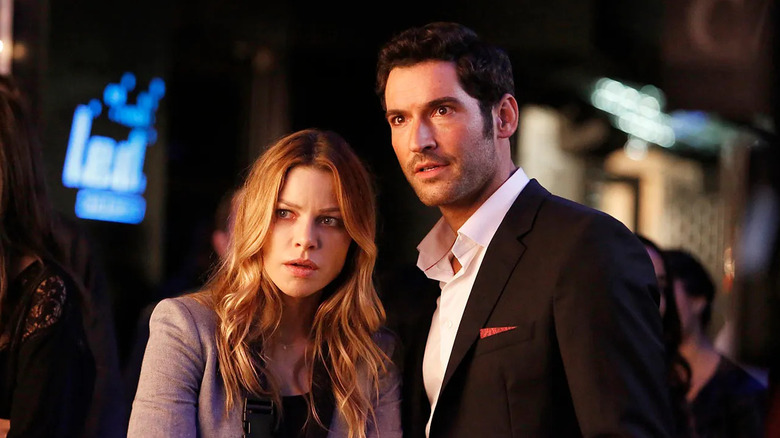
Up until its surprising (but highly amusing) crossover with the Arrowverse, "Lucifer" was nigh-unidentifiable as a DC Comics show. It has little in common with the Vertigo comic (a spin-off of Neil Gaiman's "The Sandman") upon which it's based, exploring the titular character as a salaciously charismatic consultant for the LAPD.
It's such an obvious perversion of the source material for the purposes of capturing the Fox procedural audience that it should have been dismissible. Instead, it's one of the most popular and entertaining supernatural shows of the past decade. Tom Ellis elevates the show in the same way Matt Ryan breathes fire into "Constantine" — the difference here is that "Lucifer" is actually able to meet Ellis with engaging overarching storylines and hellish spectacle. It's one of, if not the most-watched DC show on streaming, clocking in at over 18 billion minutes of watch-time in 2021 alone.
23. Black Lightning
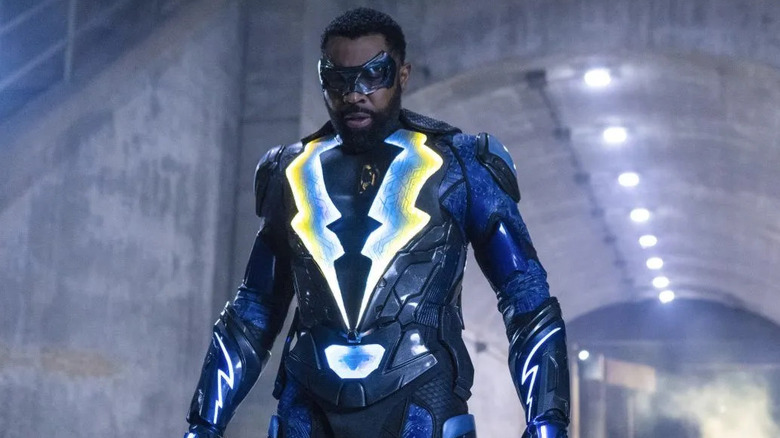
"Black Lightning" came to the CW with more confidence than the rest of the network's DC Comics shows. The Arrowverse at large had begun to rest on its laurels — new shows borrowed and loosely remixed the broad origin-story template set by "Arrow"; returning shows were struggling to keep momentum without replaying the hits from earlier seasons or collapsing into cartoonish self-caricatures.
Then comes "Black Lightning" — a grounded, self-contained superhero drama that starts after the hero hangs up the costume. Jefferson Pierce (Cress Williams) saw that protecting his community came at the cost of being a responsible father. This conflict sizzles throughout every season of the show, deepening as his children begin to develop powers of their own. It's a far more compelling personal dynamic than you'll find in later seasons of "The Flash" or "Supergirl" — honestly, when "Black Lightning" does struggle, it's because it feels like a complex character-driven drama trying to fit in the tropes of a CW superhero series. It deserves to be remembered for trying (for the most part successfully) to use this style to engage with real issues.
22. Pennyworth
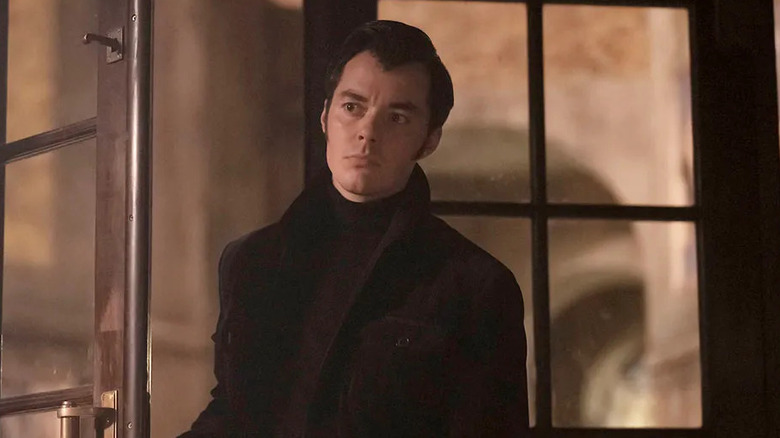
Thus far, the "Batman" shows without Batman have largely been safe cash grabs, each banking on proximity to the Dark Knight being enough to build an audience for an otherwise unextraordinary show. "Pennyworth" seems to follow suit at first — then it becomes one of the weirdest and most interesting shows to make use of the Batman brand.
Despite being created by "Gotham" duo Bruno Heller and Danny Cannon as a loose prequel to the Fox series, "Pennyworth" feels completely original. It grows into an alternate-history spy thriller where Jack Bannon's Alfred is a suave private security worker caught between two factions of a literal civil war in England. By the third season, it dives into proto-dystopian-slash-apocalyptic ideas as it attempts to bridge the gap between its continuity and... Alan Moore's "V for Vendetta"? While still maintaining itself as a "Gotham" prequel?!
"Pennyworth" was canceled before it got to resolve this fascinating web of continuities. Nonetheless, it's a captivating series in its own right, and successfully deepens one's understanding of Fox's "Gotham."
21. Gotham
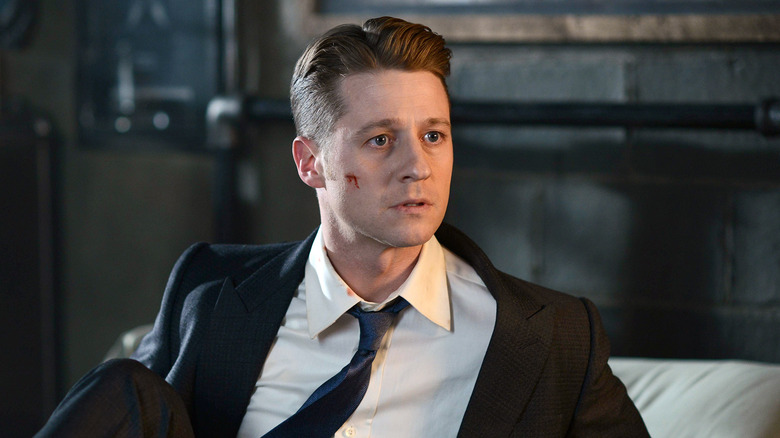
Speaking of "Gotham," we're splitting hairs by ranking this above "Pennyworth." Both are great, pleasantly strange, and risky when it comes to the source material, yet feel as though they were made for entirely different audiences. If you're coming to this from the perspective of a DC Comics fan first and foremost, "Gotham" is without question the superior show.
Like "Lucifer," it initially feels like a series using DC Comics branding to reskin a police procedural. But (being a show that necessarily aims to set the table for a corrupt, lawless city in need of vigilante justice), "Gotham" can't play by those rules for long — and gets even more exciting when it finally breaks them.
Anchored by Ben McKenzie as Detective Gordon, the series uses the bleakness of Gotham before Batman to build itself into a unique crime epic. It's like watching an entire city go mad over five seasons, with only Gordon and his allies to remind us that justice can persist in spite of corruption.
20. Wonder Woman
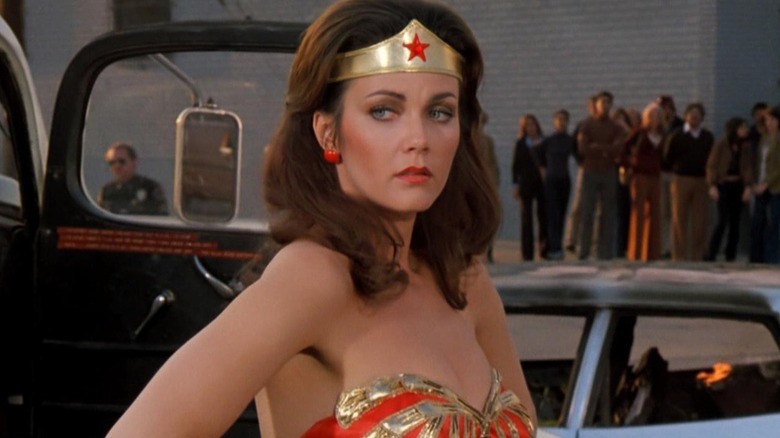
There is no better way to kick off our Top 20 than with "Wonder Woman." The ABC-slash-CBS series is the second-best DC Comics show of the 20th century, owing its enduring place in pop culture to Lynda Carter. Her performance as Diana Prince, though at times constrained by the style and conventions of the era, remains both iconic and influential. For most fans of the character, it's closer to being the definitive portrayal than Gal Gadot's.
"Wonder Woman" was beat by "The Secrets of Isis" by just a few months — both series shattered the glass ceiling for women-led superhero shows. "Wonder Woman" got three seasons and 60 episodes to dazzle audiences across the country. Its handling of gender roles isn't always prescient, but its heart is consistently in the right place, subverting the idea that women only have a place in these stories if they need saving (her "boss" and romantic interest Steve Trevor is usually the one in distress). As of writing, "Wonder Woman" is the third-highest-rated DC Comics show on Rotten Tomatoes, behind "Batman Beyond" and "My Adventures with Superman."
19. Supergirl
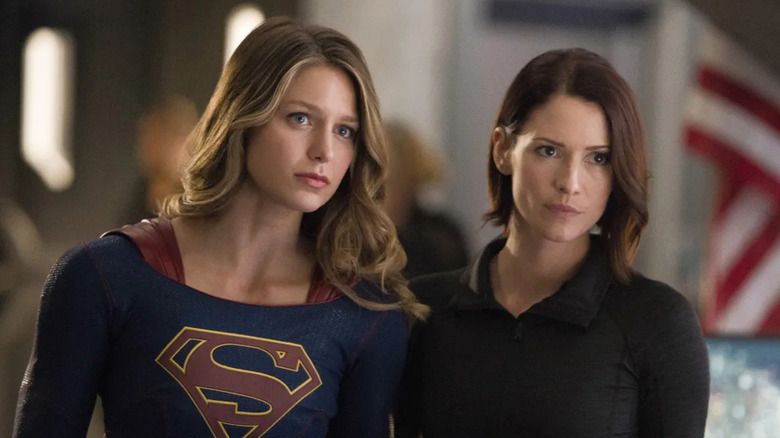
Among the many contemporary series "Wonder Woman" helped pave the way for is "Supergirl" (Lynda Carter even guest-starred as the U.S. president in several episodes). Originally made for CBS, the show was always too obviously CW-coded to stay off the network for long.
The closer it got to the Arrowverse proper, the stronger it became — some of our fondest memories from the entire franchise are in crossover events, where Melissa Benoist's Kara Zor-El is seen goofing around with Grant Gustin's Barry Allen or embracing the symbolic role of her "more famous cousin." (Speaking of, we also have this series to thank for giving us Tyler Hoechlin's excellent Superman, which we'll circle back to soon enough.)
On its own, "Supergirl" is consistent (if never truly exceptional) throughout and undeterred in its mission to center social justice as the heart of its narrative ethos. The trolls are wrong — this is the perfect way to tell a "Supergirl" story, in spite of occasional heavy-handedness.
18. The Flash (2014)
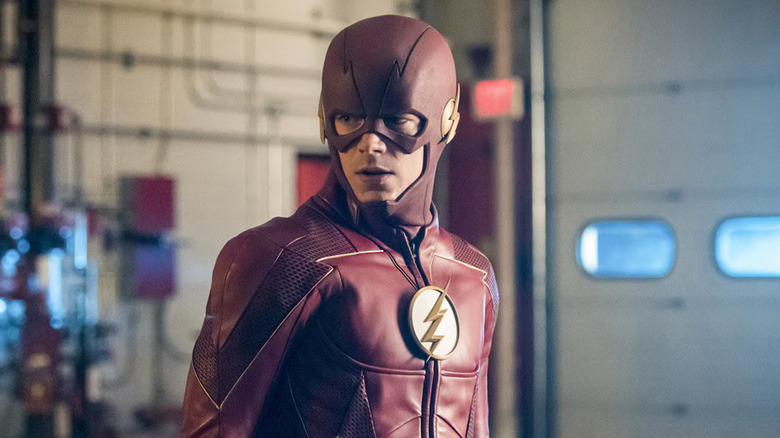
It was difficult to decide what order to place "The Flash" and "Supergirl." On average, they're about the same quality-wise. "Supergirl" is more consistent, whereas "The Flash" experiences an incredibly devastating drop-off in later seasons — then again, that drop-off only feels so devastating because of how triumphant "The Flash" was when it began.
The first four seasons easily rank among the Top 15 seasons of the Arrowverse overall — Seasons 1 and 2 are both near-perfect, and would belong in any reasonable Top 5. Consider Tom Cavanagh's Harrison Wells/Eobard Thawne/Reverse-Flash, Teddy Sears' Zoom, the introduction and development of the multiverse (and the planting of the "Crisis on Infinite Earths" storyline that pays off five years down the line), its necessarily compact handling of the "Flashpoint" storyline — at its peak, it was easily the most successful Arrowverse show, and deserves much of the credit for expanding the franchise's scope.
17. iZombie
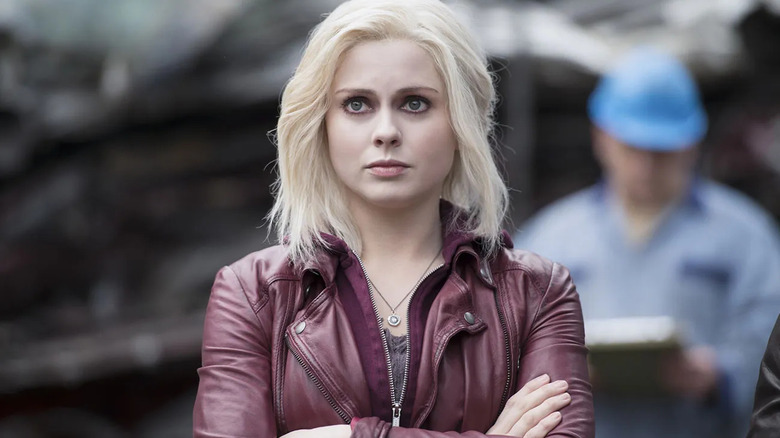
Based on Chris Roberson and Mike Allred's early 2010s comic book series, "iZombie" is the most overlooked DC Comics series that ran on the CW during the Arrowverse era.
It's the best and last of the "started out as a typical network procedural" shows on this list. The first season follows Rose McIver's Liv Moore, a zombified medical resident who works at a morgue to satisfy her cravings for brains. McIver is a joy to watch throughout, but especially during this early period where the procedural format of the series requires her to essentially transform into the people she's feeding on.
The series grows to become a more serialized sci-fi dystopian thriller, exploring sociopolitical themes of identity, community, and the future of humanity. Its final season was divisive, but solid and satisfying enough to make the entire run worth watching.
16. Preacher
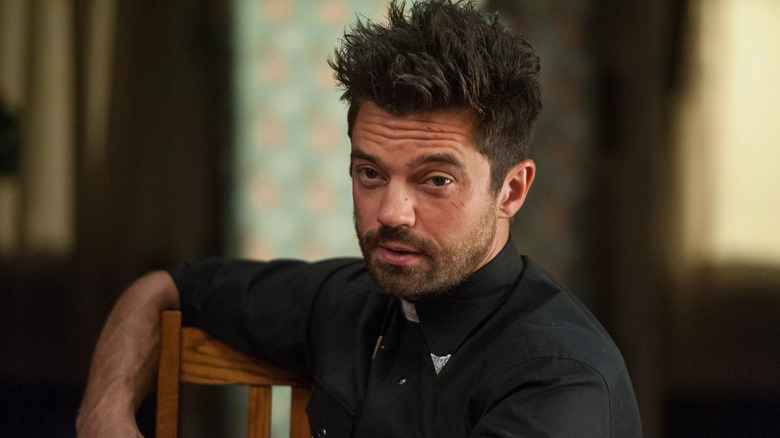
Before AMC decided to just keep churning out "The Walking Dead" spin-offs, "Preacher" was poised to be its spiritual successor. It never got the audience it deserved, and a stumbling final season is what sticks in the mind of most who paid any attention to it. The first three seasons were quietly some of the greatest prestige TV on cable.
"Breaking Bad" writer-producer Sam Catlin developed it alongside "The Boys" executive producers Seth Rogen and Evan Goldberg. The necessarily profane and violent register they brought to the Amazon Prime Video series feels even more natural here, both because of the tone of the comic and the thought-provoking juxtaposition against godly themes. Catlin dials up the Western influences from his previous project, and brings over the superb pacing and character writing too — Dominic Cooper's Jesse Custer is a remarkable antihero made to captivate fans of "Breaking Bad," "Mad Men," and "TWD."
15. Legends of Tomorrow
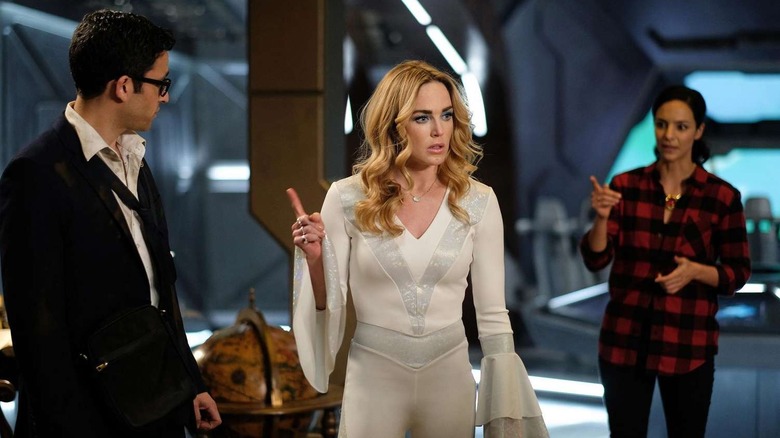
If you're at all shocked at the placement of "Legends of Tomorrow" on this list, one of two things is likely true. First, you forgot how uninspiring the first two seasons were; Secondly, said seasons were so uninspiring that you didn't stick around to see how great it was for the rest of its run.
"Legends" becomes legendary once it prunes its original premise of being a serious sci-fi superhero team-up show (storylines for Wentworth Miller's Captain Cold and Matt Letscher's Eobard Thawne deserve honorable mentions from this period even so). By "Beebo the God of War" and the genuinely unhinged Barack Obama "cameo" in "Guest Starring John Noble," the series makes the decision to embrace being the goofy black sheep of the Arrowverse. It gives a giant, timey-wimey middle finger to the CW house style and has aged the best of any Arrowverse show as a consequence.
14. Bodies
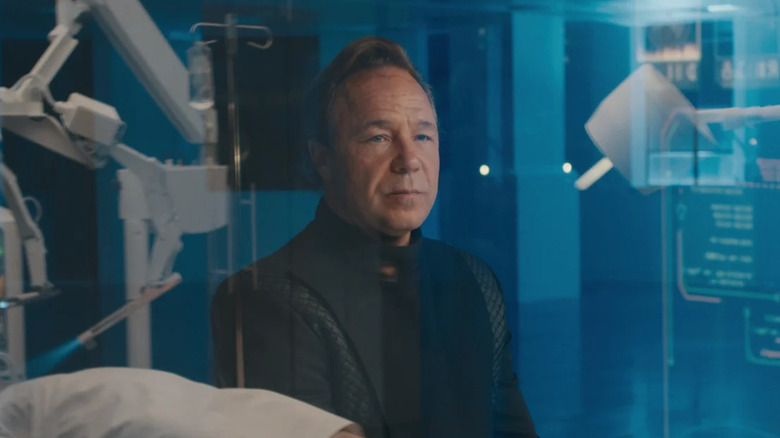
Of all the shows on this list, we'd wager "Bodies" is the one you're least likely to have seen. Netflix did pretty much nothing for this sci-fi mystery thriller (based on Si Spencer's comic book series) in terms of marketing. At first glance, even the poster hides its potential as anything more than a boilerplate British crime drama. In reality, "Bodies" is one of the most structurally innovative crime series to debut in the past decade.
We're hesitant to say too much, lest we spoil such a hidden gem. The miniseries follows four parallel investigations across over 160 years — from 1890 to 2053 — that each concern the same body. It's an immensely satisfying, twisted, and bingeable series that's built around time travel and dystopias. Stephen Graham anchors the cast across multiple timelines, much to the delight of those who have come to appreciate his talent post-"Adolescence."
13. Dead Boy Detectives
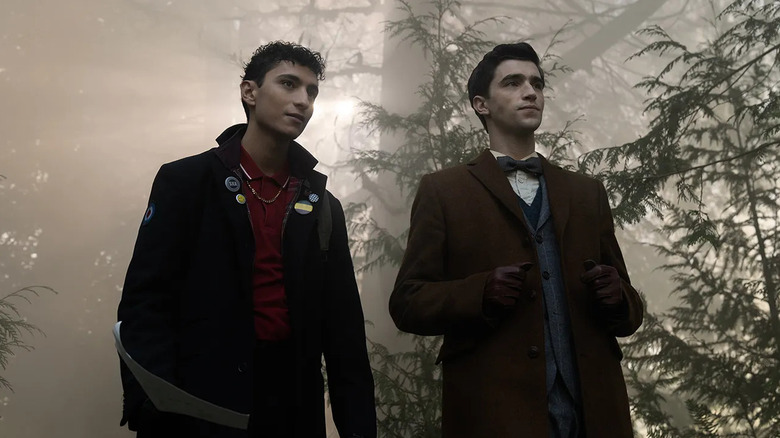
On the subject of great shows Netflix didn't support: "Dead Boy Detectives." Unless you're a dedicated DC Comics fan, there's a solid chance you didn't know this adaptation even happened, or weren't aware that it was adapted from a comic book in the first place — much less that it was a spin-off of the platform's acclaimed adaptation of "The Sandman."
Maybe that is due to the fact that the series stands on its own two feet from premise to performance. "Dead Boy Detectives" is a delightfully episodic supernatural mystery drama where two dead best friends (played by George Rexstrew and Jayden Revri) use their ghostly powers to solve mysteries for souls on and off this mortal coil. Rexstrew and Revri are beyond endearing in their roles, their on-screen friendship painting the series with a fun, "Scooby-Doo"-like energy. It was arguably Netflix's only real potential successor to "Stranger Things" — they canceled it after one season anyway.
12. Swamp Thing (2019)
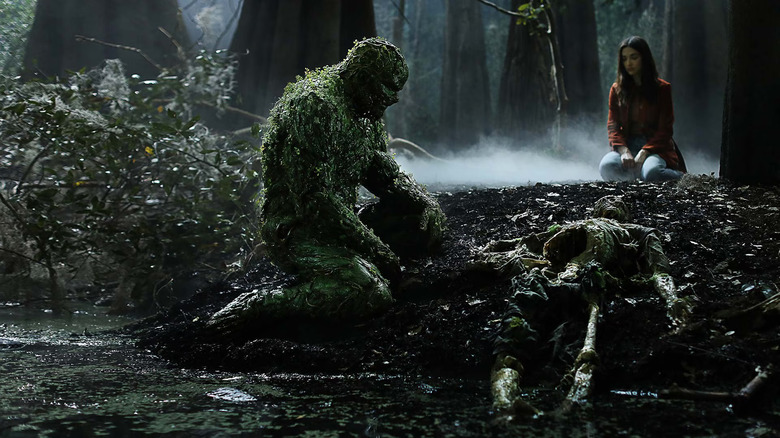
If a single show killed the DC Universe, it was "Swamp Thing." The reason isn't what you'd think. The James Wan-backed series looked expensively gorgeous, certainly, and its admirable commitment to the body horror subgenre might've left some fans squeamish. But it was not cost or content that dealt this blow, but the platform's own creative vision — confidence in which was irreparably shattered by their baffling decision to kill "Swamp Thing" after one season.
It's an extraordinarily scary program, with masterfully stomach-churning practical effects and a dread-inducing pace. It was in many ways the exemplar of DC Universe's value proposition as a brand-exclusive streamer — more than Marvel Studios, with its "Multiverse of Madness" and "Werewolf by Night" special, "Swamp Thing" proved DC could make actually make shows in a variety of genres that made use of the DC IP and fanbase. The series was canceled before nine of its 10 episodes had premiered — even then, it was obvious "Swamp Thing" could've blossomed into one of the greatest DC shows ever made.
11. Lanterns
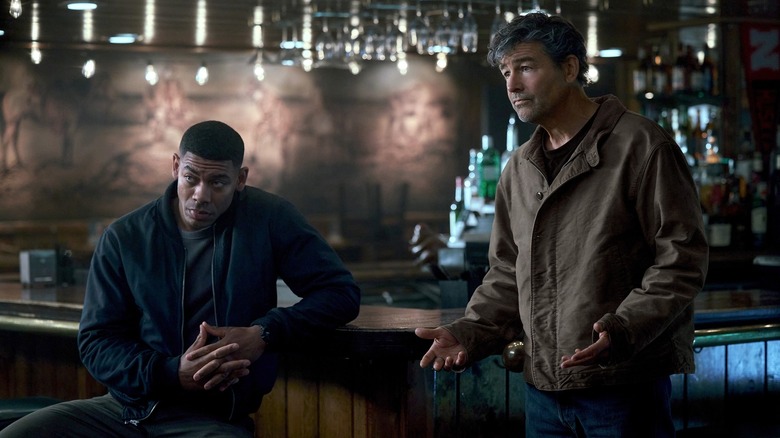
As of this writing, fans have watched only five of HBO's new series "Lanterns." Therefore, we believe it deserves a spot just outside the Top 10 for now.
It's a mostly great TV show that's better than it has any right to be. The writing (while considerably less consistent in quality compared to other prestige adult DC dramas) is still a cut above the CW fare below. For better and for worse, it's more interested in being as tense, brooding, and psychologically complex as "True Detective" than it is in evoking the intergalactic thrills of the character's comics. Imagination-based powers are a lot easier and cheaper to wield with a pen (just ask Kyle Rayner).
That being said, Kyle Chandler and Aaron Pierre are inspired choices for two of DC's most iconic characters, and the detective drama aspirations have made "Lanterns" worthy of its overall lack of green. There's small but equal potential at this point for second-half developments in the series to tank or elevate this ranking substantially — most likely, this is where "Lanterns" will continue to belong.
10. Arrow
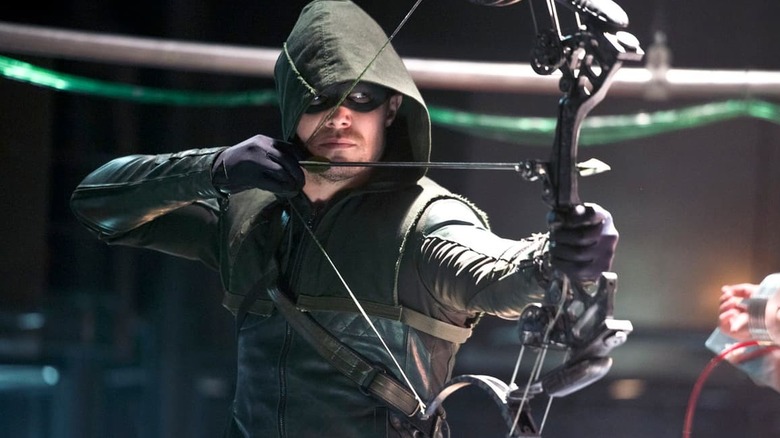
"Arrow" is unequivocally the most stylistically influential live-action DC Comics show of the 21st century. With "Smallville" wrapped just as Superman had begun to take flight, the CW aimed to bring actual comic book heroics to the small screen — this is no prequel or mere origin story, but arguably the first earnest attempt to turn DC characters into serious TV.
It grew over its eight-season run — not necessarily maintaining the highs of Seasons 1 and 2 (the gritty, grounded martial arts thrills and Manu Bennett's beautifully constructed Slade Wilson), but never falling to the same depths as "The Flash." In fact, many fans single out the Prometheus (Josh Segarra) storyline in Season 5 as a high point in the series, and find its final season to be cathartic and emotionally satisfying overall. "Crisis on Infinite Earths" gives Stephen Amell his "Endgame" moment, which only succeeds because "Arrow" had held onto most of its initial goodwill up to that point.
9. Smallville
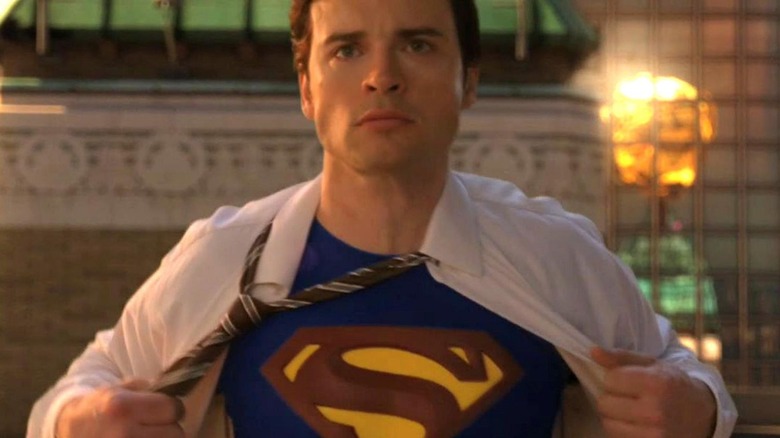
"Smallville" speed-walked so "Arrow" could soar. The original CW-DC Comics show should've been undone by the "no tights, no flights" rule it was founded upon. Instead, working within this framework forced writers to create some of the most emotionally compelling characters and relationships we've seen in the superhero genre.
The series succeeds because of stars Tom Welling and Michael Rosenbaum. Their warm, tragically ill-fated friendship single-handedly sells the "Superman" meets "Dawson's Creek" vibe that "Smallville" relies on in its defining seasons (opinions on later, Lex-less seasons with Justice League-inspired storylines are understandably mixed).
Rosenbaum's work specifically is regarded as the greatest on-screen portrayal of Lex Luthor; Welling, meanwhile, remains so near and dear to fans as Clark Kent that, when he finally returned in the Arrowverse, we were overjoyed to see him in a flannel rather than a super suit. It's a particular kind of superhero show for a particular era — and we likely wouldn't have much of anything else on this list without it.
8. Sweet Tooth
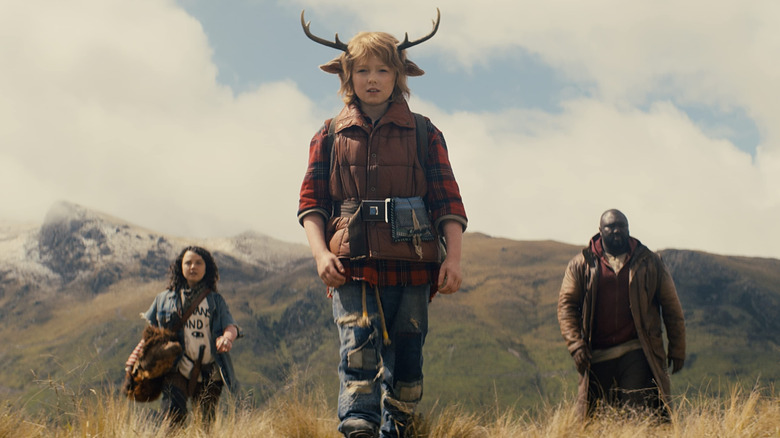
As mentioned earlier, "Sweet Tooth" had some interesting timing. The series is an adaptation of a brilliant but dark comic book series by writer-illustrator Jeff Lemire, which explores a post-apocalyptic world in the aftermath of a pandemic. It might've been a tough story to get fans invested in back in 2021 — at least, it would have been if Jim Mickle didn't meaningfully part ways with Lemire's work to find something more hopeful.
Impressively, Mickle does this without betraying the thematic identity of the comics. "Sweet Tooth" is still about the struggle to maintain one's humanity in the face of senseless violence and tragedy — it just feels like something actually worth struggling for here. Christian Convery's Gus has his faith in people challenged in brutal ways, but never fully gives in to the darkness the adults around him have been consumed by. And unlike many Vertigo Hail Marys on this list, "Sweet Tooth" not only got to end on its own terms, but stuck the landing when it did.
7. The Sandman
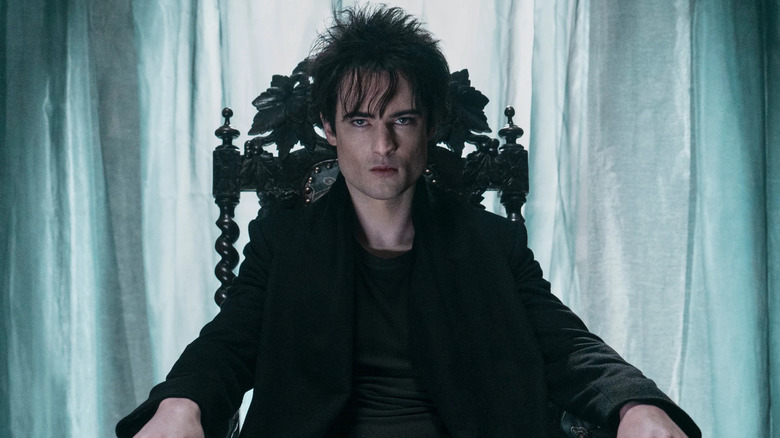
"The Sandman" has a complicated legacy. The first season was universally lauded. Then, when Neil Gaiman became the subject of controversy prior to the release of Season 2, it felt like everyone couldn't wait to move beyond anything having to do with his work. The Netflix adaptation was at its best when it took space to breathe — "The Sound of Her Wings" in Season 1, broadly considered to be the best episode of the series, feels like a short story brought to life.
Season 2 feels comparatively rushed and, coupled with the circumstances surrounding it, feels like it was kept from achieving the series' full potential. What cracks there are in structure and pacing are made up for by the characters, the cast, and the beautifully translated world of the comics. It stands as the definitive adaptation of one of the most iconic (and infamously "unadaptable") comic book series ever made.
6. Batman
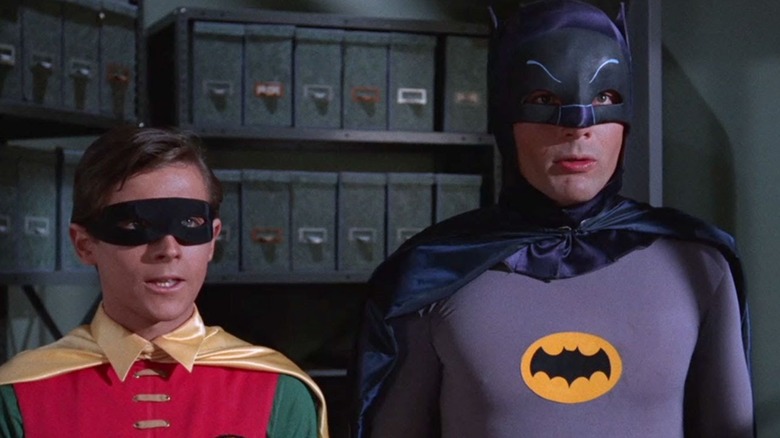
There are two types of DC Comics fans out there — those who love the '60s "Batman" series, and those who don't know how to have fun. We're only half-kidding.
Before Tim Burton and Frank Miller convinced everyone that the only way to tackle the Dark Knight was by removing all the light from his story, Batman was used to tell some of the most colorful tales during the Silver Age of Comic Books. Which approach is superior is a matter of taste — and while pop culture has overwhelmingly favored an increasingly grim tone for the character, the ABC "Batman" series stands alone for bringing the original comics to life, one-to-one. It's a genre-defining superhero show in its own way.
Adam West's campy, committed portrayal of Batman is one of the most memorable and recognizable performances associated with the DC brand. He led the series to an Emmy nomination for Outstanding Comedy Series — the first and only time a DC show has earned this specific honor.
5. Peacemaker
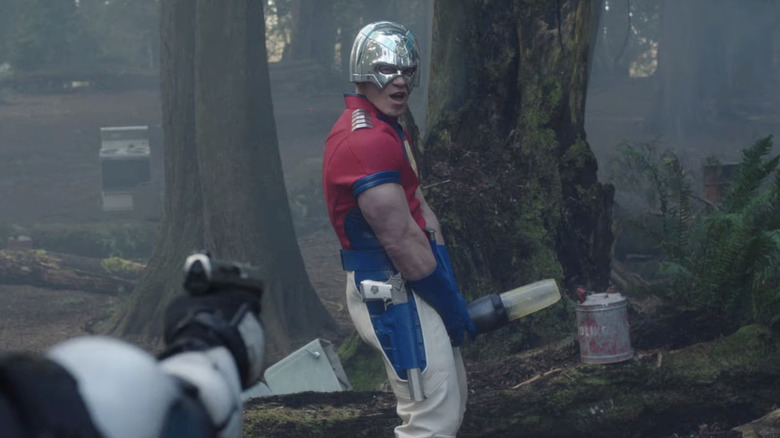
James Gunn is best known for his "Guardians of the Galaxy" and "Superman" films. "Peacemaker" feels like his most personal project.
Prior to taking over DC Studios, the ex-Marvel filmmaker managed to get Warner Bros. and HBO on board for a prestige spin-off of John Cena's character from "The Suicide Squad." It was a confusing move for the brand at the time, but Gunn's passionate dedication to Peacemaker's unlikely pseudo-redemption story is what makes it work. Led by Cena (whose performance consistently punches far above what is expected of a wrestler-turned-actor), the series is an emotionally rich tragicomedy that explores why people isolate themselves, and what it costs for them to find community again.
The supporting cast is also exceptional. Original characters like Adebayo (Danielle Brooks) and Season 1's Murn (Chukwudi Iwuji) are as memorable as Gunn's deep cuts (Freddie Stroma's Vigilante and Robert Patrick's White Dragon), thanks to both stellar character writing and rangy performances from the entire ensemble.
4. Superman & Lois
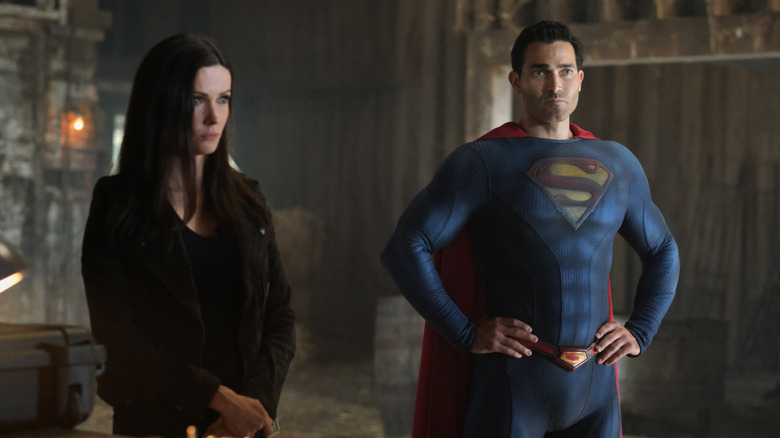
After Tyler Hoechlin's version of the character was introduced as the CW's Man of Steel in "Supergirl," "Superman & Lois" refused to allow the Arrowverse to define its story. The series exists in an isolated continuity — a risky choice that's evident in every aspect of the show, from its elevated visual presentation to its genuinely mature storylines. If "Lois & Clark" is a romantic comedy and "The Flash" is a soap opera, "Superman & Lois" is an earnest family drama about parents and kids trying their best to do right by one another and their community. Ironically, with another Kyle Chandler-led small-town series on this list, it's "Superman & Lois" that draws the most favorable comparisons to "Friday Night Lights."
The series had some ambitious comic-book-y plans before showrunners were told to wrap it up with Season 4. This led to quieter, yet arguably more audacious risks — including what might be the best "Death of Superman" adaptation we'll ever see.
3. Doom Patrol
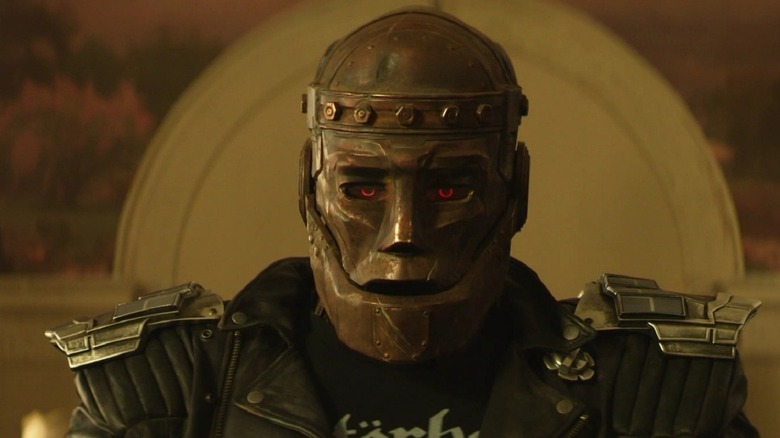
Even if DC Universe couldn't let "Swamp Thing" be, it deserves all the credit in the multiverse for letting "Doom Patrol" happen. It is far and away the short-lived platform's crowning achievement, outlasting it by several years to finish out a satisfying four-season run on HBO Max. "Titans" did the same, sucking up most of the attention with recognizable B-list characters — Joivan Wade's Cyborg aside, "Doom Patrol" never cracks above the D tier. Nevertheless, its ensemble is infinitely more compelling throughout the run.
Further, this decidedly wacky and comedic show is a far more successful exploration of trauma, maturity, and family — themes "Titans" tried to own with shock rather than substance. And it does all of this while subverting the tropes established by superhero stories at large to the point of becoming the subgenre's most innovative deconstruction on TV. Alan Tudyk's meta-textual menace Mr. Nobody is an exceptional villain to boot, helping shape the show's unpredictable story choices from the outset.
2. The Penguin
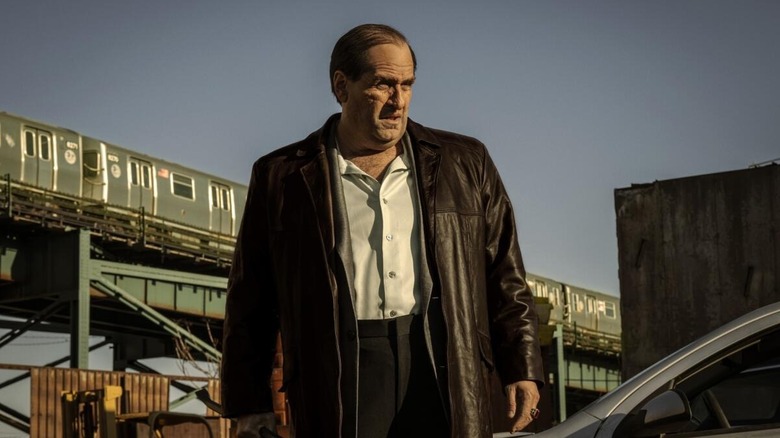
If you're going to tell a truly great "Batman" story without Batman, you need a character who can fill that vacuum. Colin Farrell's Oz Cobb does so tremendously.
It isn't just Farrell's performance that's remarkably transformative. The series completely changes how you look at the Penguin as a character, both in the context of Matt Reeves' "The Batman" film and in the broader history of DC Comics. His "rise" to the top of Gotham's criminal underworld is as tragic, pathetic, and depraved as it would logically be, given how literally insane the city's crime is. The series also gives him a brilliant foil in Cristin Milioti's Sofia Falcone — Episode 4, "Cent'anni," rests the series' prestige credibility on her shoulders.
"The Penguin" is one of the best crime dramas of the 2020s. It racked up 24 Emmy nominations and nine wins, including Outstanding Lead Actress in a Limited Series for Milioti.
1. Watchmen
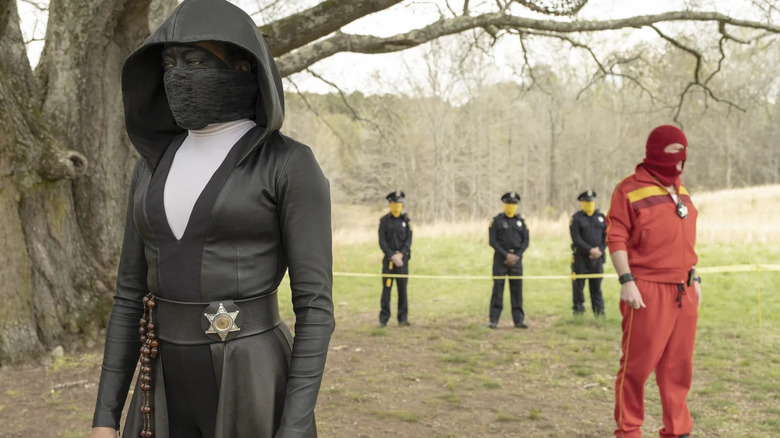
More than "Sandman" or any other DC/Vertigo property on this list, "Watchmen" has long been considered the most untouchable comic book in terms of book-to-screen adaptations or direct spin-offs. Damon Lindelof was venturing into hostile territory by trying to make a definitive sequel — though Alan Moore certainly wasn't a fan, it's hard to argue Lindelof didn't come as close to succeeding as anyone could hope.
What he fundamentally understands about this universe is its political identity and its open resentment of superheroes as a concept. Putting on a mask to fight crime is degrading both morally and ethically in the show, matching the tone of the comics perfectly. Whether or not one agrees with Lindelof's extrapolations on the comic's deeper themes or his commentary on contemporary sociopolitical issues, the execution is unimpeachable. "This Extraordinary Being" is arguably the best episode of any superhero TV series, Marvel, DC, or otherwise. "Watchmen" is DC's most acclaimed and decorated show, earning 26 Emmy nominations and 11 Emmy Awards.