

15 TV Episodes That Broke The Internet
The internet was the best thing that happened to television — that is, unless you were a "Game of Thrones" fan who hadn't read the books, a McDonald's employee in 2017, or one of the producers who spent half a decade on "Lost." The virtual spaces that gave us the ability to find community and theorize with one another also enabled us to take fandom to a level no one could've prepared themselves for. For better or worse, watching television was no longer just about what happened on screen, but what millions of viewers had to say about it afterward.
It isn't all bad. As you'll see below in our countdown of 15 TV episodes that broke the internet, online engagement turned single hours of television into massive cultural events. An underwhelming Marvel twist became a redeeming earworm; a risky off-screen death was vindicated instantly by the series' fans; and one of the most audacious series finales of all time got the chance to be reconsidered as the masterpiece that it is.
Breaking the Fourth Wall (WandaVision Episode 7)
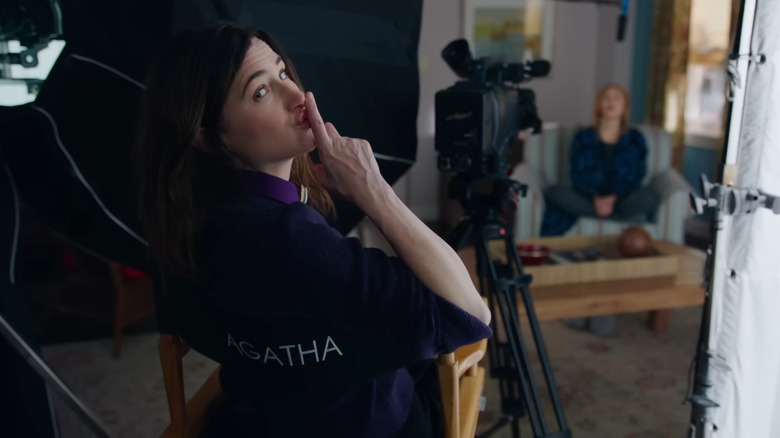
"WandaVision" still sticks out as the twistiest Marvel series of the Disney+ era. Fan speculation went absolutely wild for the first half of the season, as everyone tried to figure out who was truly the secret villain behind Wanda Maximoff's (Elizabeth Olsen) takeover of Westview. Compared to the widely theorized introduction of Mephisto (who would debut years later in "Ironheart," played by Sacha Baron Cohen), the reveal that Kathryn Hahn's character was secretly Agatha Harkness could've been underwhelming if not for some musical magic.
Written by "Frozen" songwriters Kristen Anderson-Lopez and Robert Lopez, "Agatha All Along" immediately went viral online. Writer Jac Schaeffer credited director Matt Shakman with the decision to hire the multi-award-winning duo for the one-off musical number. It ultimately peaked at No. 5 on the iTunes all-genre charts, earned a Grammy nomination, and won an Emmy Award. Constant replays transformed Agatha Harkness from a D-list comic book character into a marquee TV attraction.
Fishes (The Bear Season 2, Episode 6)
It was surprising enough that "The Bear" dropped a 66-minute Christmas episode in the middle of its second season. What was even more shocking was who would be joining in on the holiday festivities.
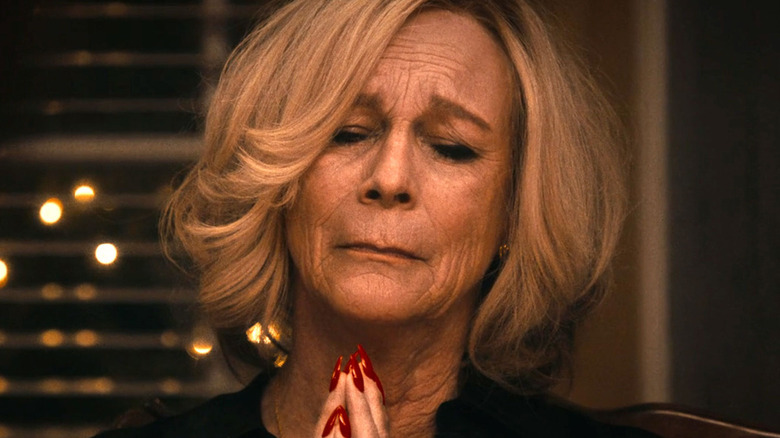
With almost no prior announcement, "Fishes" quickly became the most star-studded episode of "The Bear" yet. In addition to bringing back Gillian Jacobs and Jon Bernthal (in their respective roles as Richie's ex-wife, Tiffany, and Carmy's late brother, Michael), the episode cast Bob Odenkirk as the family's intrusive "Uncle" Lee, Sarah Paulson as Cousin Michelle, John Mulaney as Michelle's husband Stevie, and Jamie Lee Curtis as the Berzattos' imposing matriarch Donna. The production team knew what it was doing — during shooting, the presence of the actors was concealed as much as possible, while the actors themselves weren't given so much as a table read and were sworn to secrecy until the episode dropped.
When it did, fans and outside observers alike had their minds blown. A clip of Bernthal chucking a fork at Odenkirk began to circulate online, as did shots of Paulson, Curtis, and Mulaney. It's regarded now as one of the greatest Christmas episodes ever made.
Episode 1 (Baby Reindeer Episode 1)
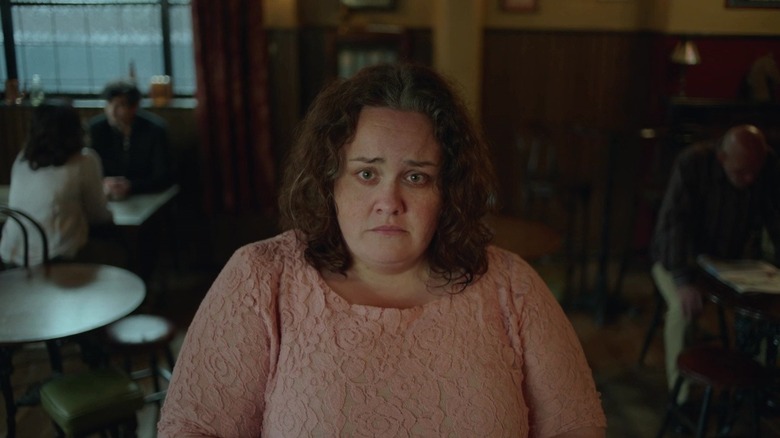
If you haven't seen the six-time Emmy Award-winning thriller yet, "Baby Reindeer" is based on Richard Gadd's real encounters with an alleged stalker (played in the series by Jessica Gunning). Strange as it might sound, Gadd was conscious of protecting the privacy of her real-life counterpart, Fiona Harvey. In a pre-release interview, he shared that he felt confident audiences wouldn't figure out Martha Scott's real identity. Whatever measures he took, they weren't enough to overcome a piece of revealing dialogue in the premiere.
Internet detectives fixated on a line attributed to "Martha," where the phrase "I need someone to hang my curtains" is turned into a sexual innuendo. They were able to find an instance of Harvey using the phrase suggestively in a tweet to Gadd back in the 2010s, publicly identifying her as the apparent inspiration behind the character. Harvey eventually came forward herself in interviews, and filed a defamation lawsuit against Netflix.
Herogasm (The Boys Season 3, Episode 6)
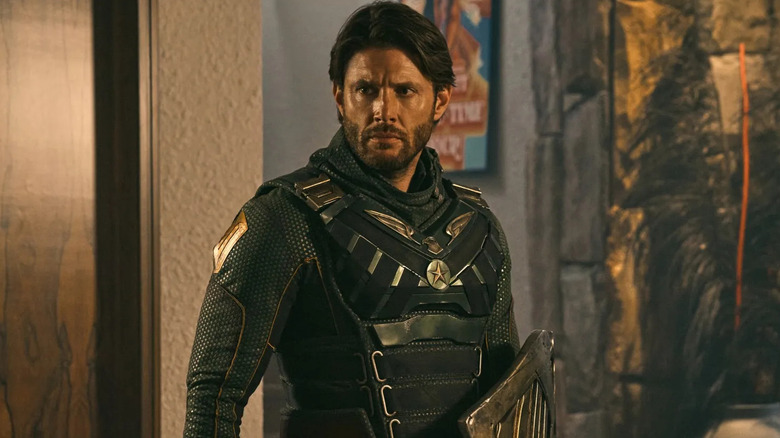
Season 3 of "The Boys" was arguably the show's most viral. A "vintage" video of Jensen Ackles' Soldier Boy rapping along to the Blondie song "Rapture" ("Fab Five Freddy told me everybody's fly ...") did the rounds online; Homelander's "You need me to save you!" speech was also widely circulated and further exploded in popularity after legendary hip-hop producer Metro Boomin sampled it on a song for "Heroes and Villains"; and, of course, the violin underscoring the season's final kill turned into a viral TikTok sound.
While any of these moments could be considered "internet breaking," the single episode that takes the cake is "Herogasm." The extreme sexual content of the hour — including stretching genitalia and extended, explicit shots of an extravagant orgy — was enough to dominate online discourse for a week. What really elevated it was the long-awaited showdown among Soldier Boy, Billy Butcher (Karl Urban), and Antony Starr's Homelander. The three-way grudge match was cathartically brutal, and as close to "scorched f***ing earth" as the series ever got. It remains the series' highest-rated episode on IMDb.
Connor's Wedding (Succession Season 4, Episode 3)
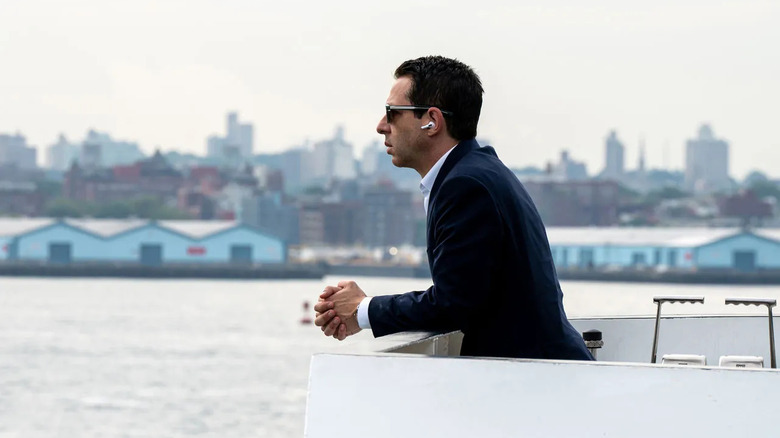
In "Succession," the death of Brian Cox's otherwise unstoppable Logan Roy was always and obviously inevitable. The actor confirmed there were once plans to kill him off in the debut season, and though the show's creatives (thankfully) elected to keep Cox on board, the character's health visibly declined with each return. In order to give this expected conclusion the impact it deserved, creator-showrunner Jesse Armstrong wrote the episode to be the opposite of what most "Big TV Death" episodes are.
"Connor's Wedding" is decidedly sudden, unceremonious, confusing, and disrespectful in the way it handles Logan's death. That's why it sent shockwaves beyond the fanbase online. One of the series' leads is axed with little immediate foreshadowing roughly 15 minutes into an awkwardly placed third episode that's supposed to be about his son's marriage. Rather than coming across as a play for mere shock value, the execution of this event underscores many of the series' main ideas and allows it to mine unique comedy from this cold, impersonal world processing something so devastating. Sarah Snook delivers an especially remarkable performance, having to shift in an extended shot from scheming to grief once Roman (Kieran Culkin) blurts out that Logan is finally gone.
Woe What a Night (Wednesday Season 1, Episode 4)
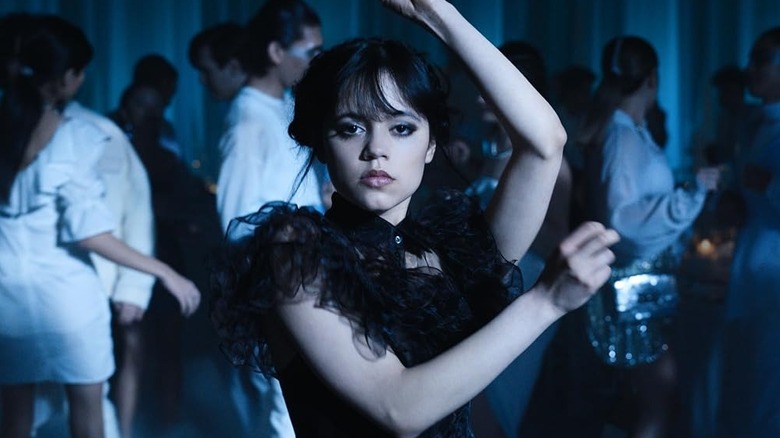
The first season of Netflix's "Wednesday" was a surprise mega-hit for the streamer. Some of this success can be attributed to the viral #WednesdayDance trend that spawned from a clip of Jenna Ortega's character dancing in the series, re-scored to Lady Gaga's "Bloody Mary." Her dead-eyed stare and unpredictable choreography were delightful to watch — and apparently quite a headache to come up with.
Funnily enough, this viral moment happened kind of by accident. The original plan was to have the dance take the shape of a "flash mob," then to have Wednesday dancing on her own in a professionally choreographed sequence. Ortega, however, insisted that she choreograph the movements herself, despite professing no experience with choreography and admitting to a fair amount of anxiety around the process. By the time they shot the sequence, Ortega was sleep-deprived and suffering from COVID-19 — which the actor credits with the unsettling, stiff execution of the ultimately self-choreographed dance.
Ozymandias (Breaking Bad Season 5, Episode 14)
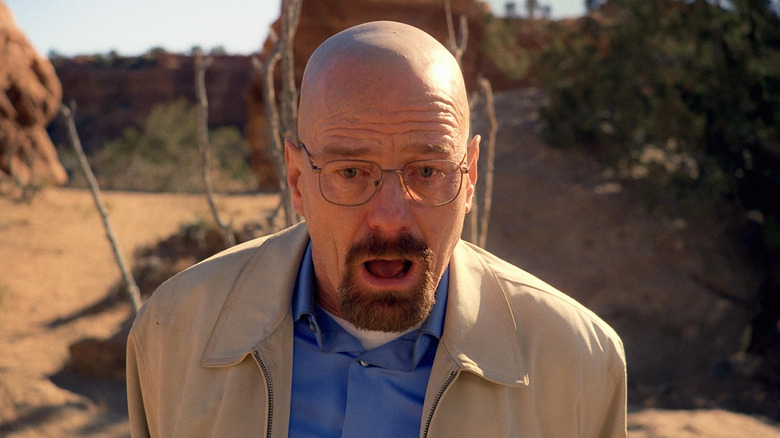
"Ozymandias" is one of those episodes that will remain in the annals of TV history forever. As it was airing, the opening sequence rocked the series' online fanbase to its core, sending them to Twitter to share their reactions to what they'd just witnessed. Picking up from the desert gunfight that broke out between Hank Schrader (Dean Norris) and the white supremacist drug dealers working with Walter White, "Ozymandias" sees Walter White's brother-in-law executed in front of his eyes.
The episode has been endlessly dissected in film communities online, with viewers noting the symbolism of the episode's title and the various references throughout (the shot of Walt on the ground has been widely compared to the fallen statue in Percy Shelley's poem, while some have compared Hank's dialogue to an iconic line from Alan Moore's "Watchmen"). The image of Bryan Cranston's reaction shot specifically went viral and continues to circulate heavily as a meme. "Ozymandias" was the all-time highest-rated episode of TV on IMDb for over a decade before it was targeted by a review-bombing campaign from fans of "A Knight of the Seven Kingdoms" in 2026.
Last Day on Earth (The Walking Dead Season 6, Episode 16)
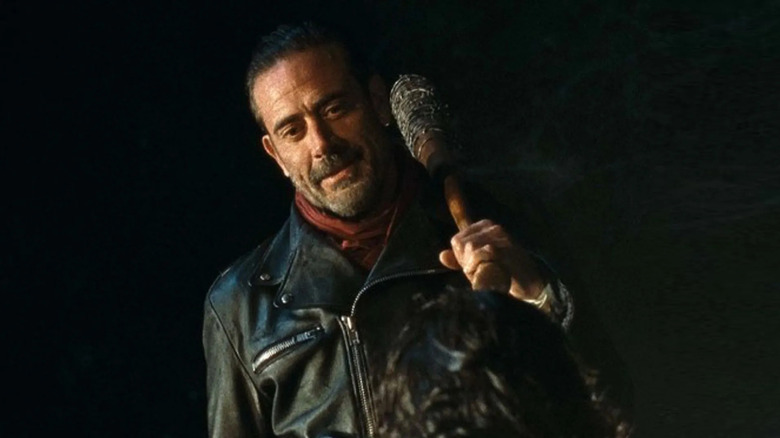
"Breaking Bad" wasn't the only AMC show to dominate internet discourse in the 2010s. As "The Walking Dead" began to decline in quality from its earlier seasons, Twitter became the go-to forum for fans to express frustrations. The site became the epicenter for a virtual riot after the audaciously tone-deaf Season 6 finale, which chose to end on a cheap cliffhanger rather than give viewers something satisfying to hold them over until the next installment.
Jeffrey Dean Morgan's debut as Negan was the only thing being discussed positively online. Otherwise, the episode was being ripped to shreds in just about every corner of the internet. The final scene (a close recreation of a moment from the comics) was shot in such a way that it was clearly meant to inspire months of speculation about who Negan actually killed, thereby guaranteeing massive viewership for the Season 7 premiere. That strategy worked, though it required the series to burn goodwill it was never able to regrow.
The Reichenbach Fall (Sherlock Season 2, Episode 3)
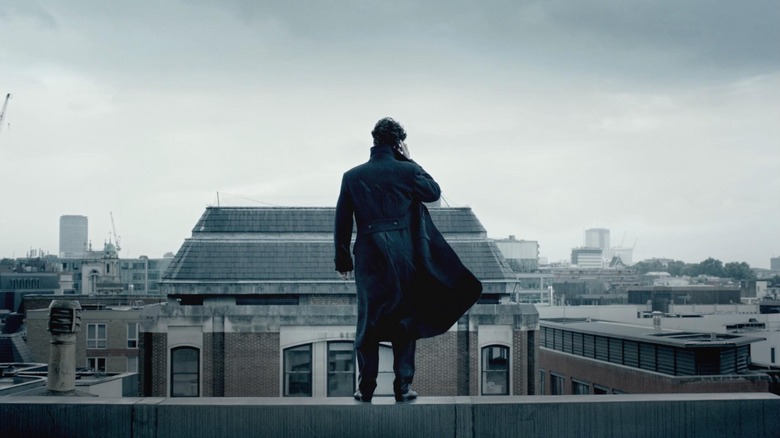
In fairness to "The Walking Dead," however, it isn't like TV audiences haven't historically enjoyed dissecting a cliffhanger between seasons. "Sherlock" proved you just need a good enough mystery for viewers to solve.
At the end of its second season (approaching the height of its transatlantic popularity), "Sherlock" brought the season's story to a close by seemingly killing off Benedict Cumberbatch's titular character in "The Reichenbach Fall." There was about a two-year gap between the finale and the Season 3 premiere, during which "Sherlock" fans incessantly speculated about his survival while creators Mark Gatiss and Steven Moffat gleefully fanned the flames.
In hindsight, this back-and-forth did begin to undo the series' reputation. When "The Empty Hearse" eventually addressed his impossibly elaborate method of survival, some felt as though the show had written itself into a corner and failed to convincingly escape. It didn't help that the episode lampshaded this fact via numerous characters expressing their own disbelief and disappointment, or that it actually dramatized the viral speculation it failed to satisfy. Even so, "The Reichenbach Fall" is the highest-rated episode of "Sherlock" on IMDb.
Chapter 1 (The Mandalorian Season 1, Episode 1)
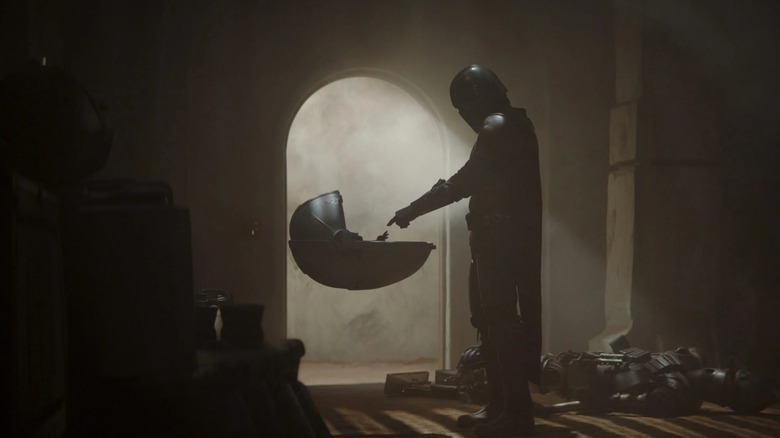
As both the first live-action "Star Wars" series and one of the tentpole Disney+ original titles available at launch, "The Mandalorian" had a lot riding on it. Its first episode needed to be a moment — boy, did Dave Filoni and Jon Favreau deliver.
The episode overall was critically praised and well-received by fans, but the culture-dominating moment came from its final shot, revealing the existence of "Baby Yoda." This small alien creature (later named Grogu) must have been created in a lab to maximize engagement. It had the instant visual legacy of Frank Oz's character as well as a never-before-seen quality in its specific babyness; at the same time, the puppet was so cute and impressively lifelike that it grabbed the attention of non-fans who stumbled upon the image online.
Favreau and Filoni deliberately kept the reveal a secret, to the extent that Baby Yoda merchandise wasn't immediately available for fans. The character came to define the Disney+ era of "Star Wars" content, for better and for worse, before co-headlining a 2026 theatrical film.
Dear Billy (Stranger Things Season 4, Episode 4)
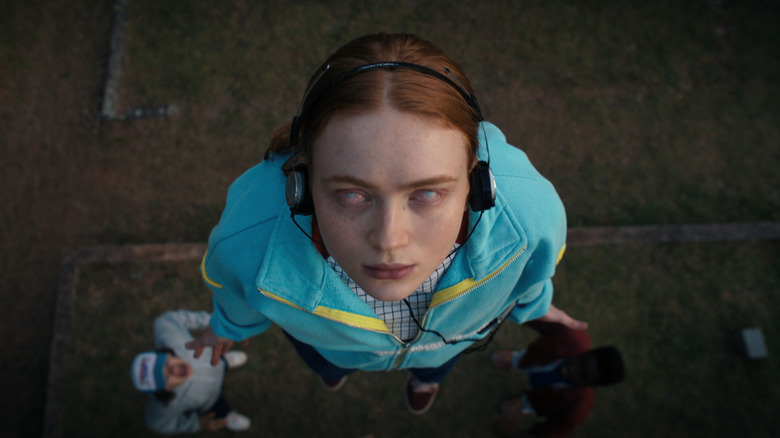
Plenty of songs have become popular thanks to film and TV shows, but this was on a whole other level. In the fourth season of Netflix's behemoth "Stranger Things," Sadie Sink's Max is psychically taken by Vecna (Jamie Campbell Bower) while visiting the grave of her stepbrother, Billy (Dacre Montgomery), who had previously been possessed by the Mind Flayer. The only way Max's friends are able to save her from the monster's control is by playing her favorite song: Kate Bush's "Running Up That Hill."
When the episode was released in 2022 — 37 years after the song was released — "Running Up That Hill" was inescapable. On Spotify, streams of the overlooked '80s power ballad skyrocketed 9,000%. It was one of the songs of the summer that year. Bush herself expressed joy at the song's unexpected second life and praised the Duffer Brothers' use of it within the context of the story. "Dear Billy" is still held up as one of the best episodes of "Stranger Things."
The End (Lost Season 6, Episodes 17 and 18)
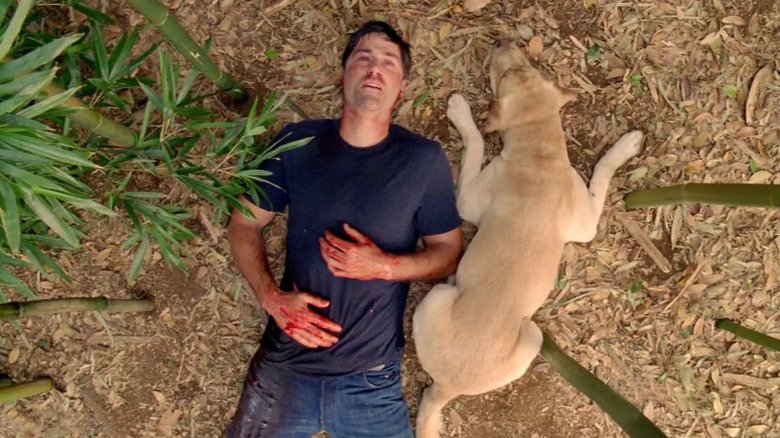
The ending of "Lost" was arguably always destined to be divisive and virally discussed. The mother of modern mystery box entertainment (an entire sub-subgenre based on a term coined by series co-creator J.J. Abrams) had invited viewers to dissect every twist, line of dialogue, and shot choice for clues — which is exactly how "The End" became one of the most misunderstood episodes in TV history.
Ask any casual fan or observer, and they'll bemoan the same "they were dead/in purgatory the whole time" theory that was cemented as fact in angry internet forums. It didn't help that ABC's decision to include footage of the original plane wreck at the end was understandably read as an intentional final clue. This viral misunderstanding forced the show's creators and producers to spend the following decade correcting the record about what actually happened to their characters. Few finales demonstrate quite so clearly how quickly an online interpretation can become more famous than what actually happened on screen.
Made in America (The Sopranos Season 6, Episode 21)
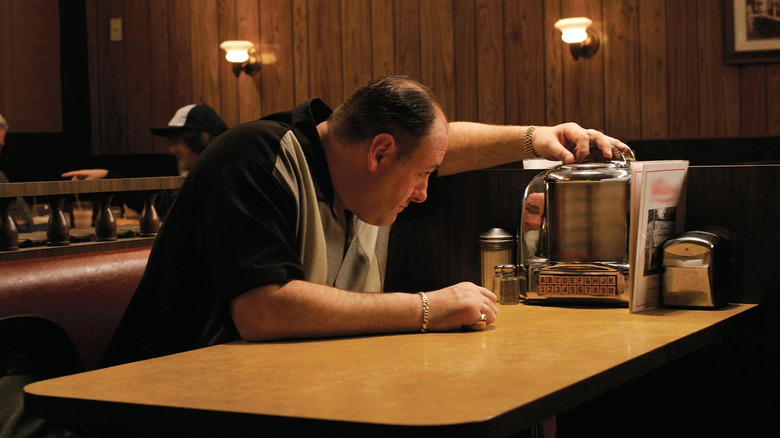
As the only series finale as historic, debated, and contemporaneously controversial as that of "Lost," the end of "The Sopranos" doesn't leave much to say that hasn't already been said. What readers might not yet be aware of, however, is how the fan meltdown took place on the early internet.
After the screen suddenly went black on James Gandolfini's mildly shocked face (set to a Journey needle-drop cut off mid-lyric), "Sopranos" viewers flooded HBO's virtual message boards to the point of crashing them entirely. Some believed the cut had been a mistake and were trying to see if anyone else had experienced the same issue — others were demanding HBO refund the price of their subscription.
In the years that followed, "Made in America" continued to be discussed online in more celebrated circumstances. Fans praised the originality of its ending and took to dissecting how creator David Chase subtly laid the groundwork for it throughout the final season. Of course, there was also plenty of theorizing about the fate of Tony Soprano, a debate which Chase himself has avoided settling definitively.
The Rains of Castamere (Game of Thrones Season 3, Episode 9)
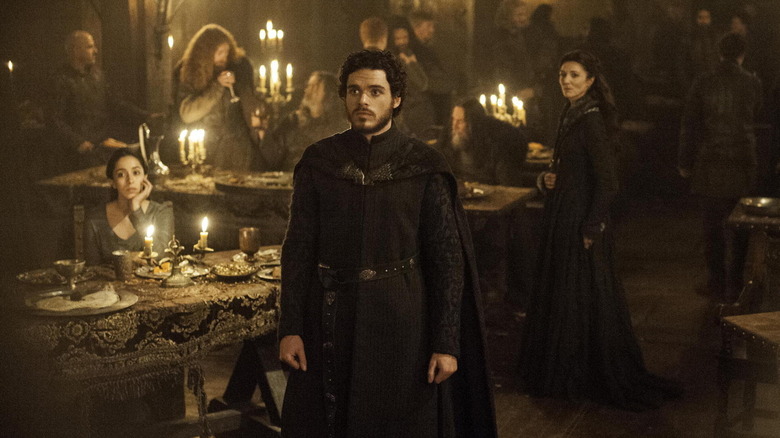
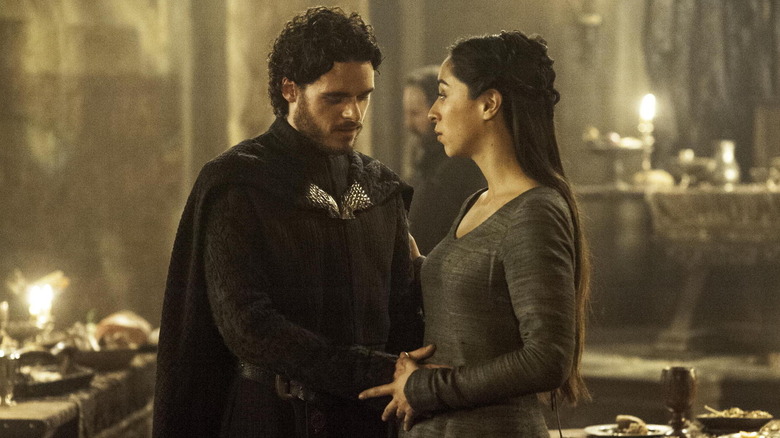
The "Red Wedding" is easily one of the greatest twists in the history of television. Though longtime fans of George R.R. Martin's book series were well aware it was (at least potentially) on the horizon, fans encountering Westeros for the first time through "Game of Thrones" were caught entirely by surprise.
Creators/showrunners David Benioff and D.B. Weiss appreciated the magnitude of what they were doing while crafting it. In one sudden act of violence, "Game of Thrones" was dispatching two of its founding stars — Richard Madden and Michelle Fairley. Even a decade later, Madden described shooting his final episode as "traumatic," given that he was saying goodbye to a cast and crew he'd spent the past several years working with.
Fans were equally devastated. On YouTube, first-time "Thrones" watchers uploaded videos of themselves reacting to the episode cold, often letting out screams and breaking down in tears at the death of Oona Chaplin's Talisa (separately, watching fans instantly gasp at the sight of Roose Bolton's chain mail never gets old).
The Rickshank Rickdemption (Rick and Morty Season 3, Episode 1)
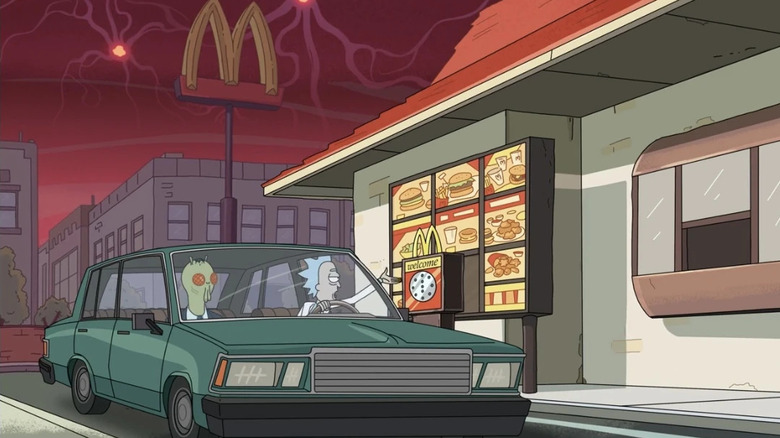
Some "Rick and Morty" fans remember the long-awaited, surprise-release Season 3 premiere as the moment the show went mainstream. Others remember it as the last time they could even describe themselves as fans without a level of embarrassment. And it all began with a throwaway joke and a McDonald's drive-thru.
In "The Rickshank Rickdemption," the Adult Swim series picked up directly in the aftermath of a finale that aired almost two years earlier — two years during which the show enjoyed genuine cult status. This led to a massive uptick in viewership from an extremely online fanbase, the loudest of whom took Rick's (co-creator Justin Roiland) rant about a limited edition McDonald's sauce as a call to action. When the restaurant chain took it upon itself to bring back the sauce (its Szechuan sauce that hadn't appeared in stores since a 1998 promotional tie-in with Disney's "Mulan"), hundreds of fans stormed their local franchises.
Employees were harassed, customers were recorded hurling themselves over counters and essentially commandeering one location in Los Angeles, and police were called to the scene as a result. "The Rickshank Rickdemption" broke right out of the internet and into the real world.