

5 Cop Shows From The '80s That Still Hold Up Today
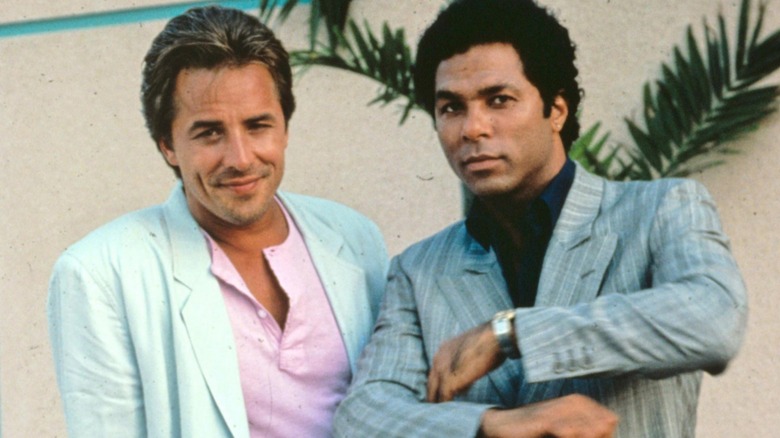
The 1980s were an important decade for police procedurals, with many series going on to define the genre for years to come. Since many of these cop shows left a legacy that can be felt decades later, they have a timelessness that can appeal to the changed palate of modern audiences. The genre might have begun in 1949, but there is a strong argument for the police procedural's most important metamorphosis happening in the '80s.
While there are many great cop shows from that period, a few can be said to have held up and are great watches for modern audiences. The most integral ones were trailblazers in different ways: exploring taboo themes, integrating new production methods, utilizing uncommon storytelling formats, and creating a distinct visual style. Besides their entertainment value and compelling stories, it was their unique experimentation that proved cop shows can take many different forms and made them timeless.
Cagney & Lacey
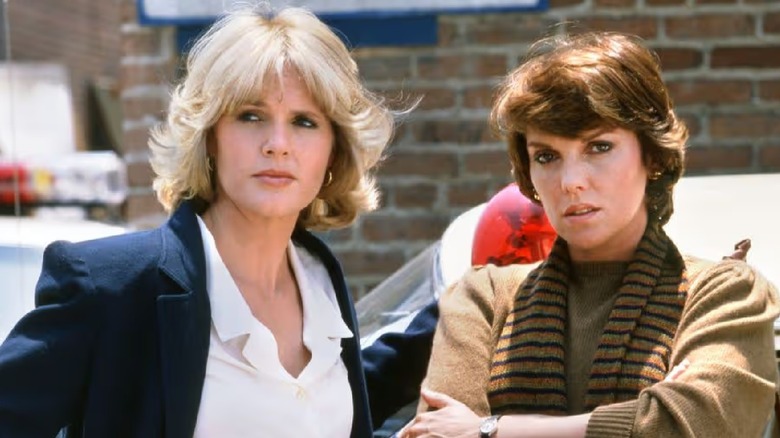
"Cagney & Lacey" remains one of the best and most important procedurals ever made because of its groundbreaking depiction of female characters, not based on romance or fan service but on genuine realism. It also portrays the daily mundane reality of law enforcement, such as paperwork, office drama, and bureaucracy, making it a pretty good look into that life. It has these and much more going for it, but what really makes "Cagney & Lacey" one of those series that are timeless is how in-depth it explores its themes.
By mirroring the ambitious and single Cagney with the married and family-oriented Lacey, the show offers both perspectives on the eternal question of career or family that many women face without favoring one or the other. Furthermore, the cases depicted in "Cagney & Lacey" functioned cohesively to advance the story's thoughtful and complex feminist exploration. Through sensitive storylines such as sexual assault, child abuse, harassment, addiction, and poverty, it would not be an exaggeration to say that the show was one of the more daring and socially conscious procedurals of its era.
Miami Vice
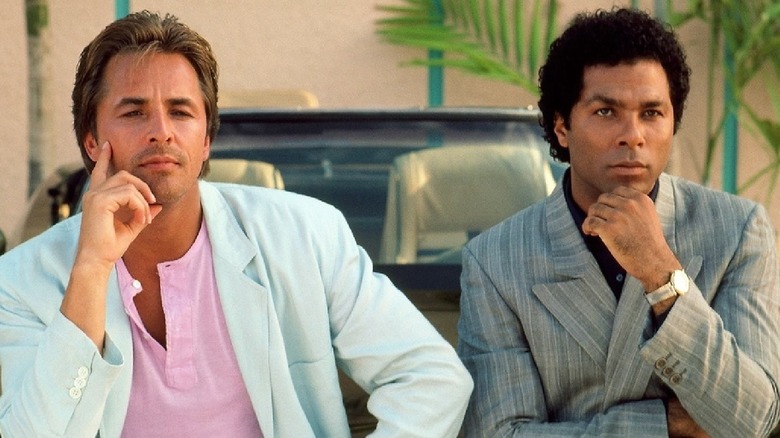
Decades later, the 1984 "Miami Vice" series remains a stunning and visually ambitious shows. Created by Anthony Yerkovich, the creative force that shaped the series' style was Michael Mann, director of hits such as "Heat" and "Collateral." He translated his film sensibilities into "Miami Vice" and gave it a cinematic touch. Its unforgettable utilization of soundtracks, the exciting and melodramatic story, and the definitive depiction of the city already make it a great and unique cop show, but its biggest differentiator is its visual identity.
A TV show that pushed so close to the visual language of a feature film was definitely an interesting concept, and "Miami Vice" made it work. The distinct visual composition, the vibrant pastel palette, the chiaroscuro lighting, and the interesting mise-en-scène make "Miami Vice" a one-of-a-kind series. Since it was such a unique project in the TV landscape at the time, the series has become a must-watch for any TV enthusiast for its flamboyant yet controlled aesthetic, which remains difficult to replicate.
Crime Story
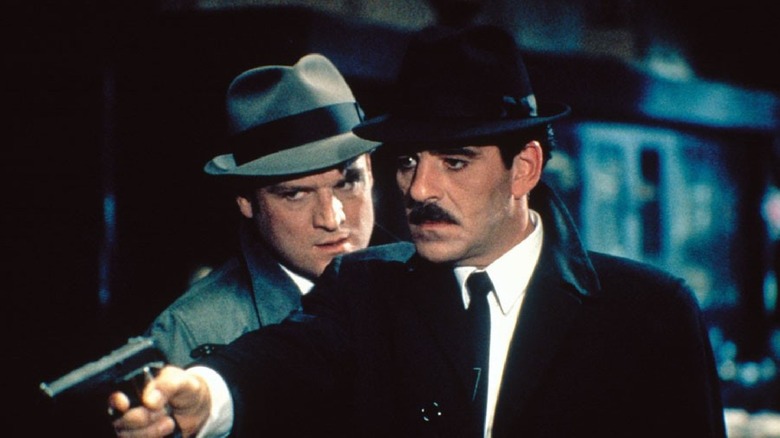
Despite only having two short-lived seasons, "Crime Story" remains historically relevant because it was a radically different police show from the others. In an era when TV relied on self-contained episodes that tackled different cases each week, "Crime Story" — as the name would suggest — had an overarching story. The show demanded a level of focus and commitment from viewers that other procedurals did not, and this is exactly why it still holds up.
Another Michael Mann-produced drama, its style does not result from a colorful palette or flamboyance but from its commitment to replicating the grit of the 1960s through period costumes, accurate sets, and the progression of time. It is unfortunate that Mann's vision to move the story forward into the '80s did not materialize, but "Crime Story" nonetheless remains a compelling and bingeable show. "Crime Story" was also the breakout role for Dennis Farina, who played his first leading role as Lt. Mike Torello.
In the Heat of the Night
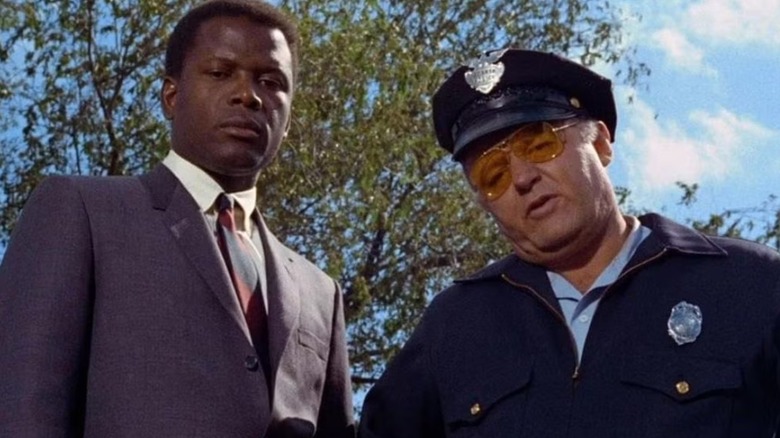
The way that "In the Heat of the Night" explores racial dynamics will remain forever relevant, and the fact that it integrated these themes into a mainstream procedural at the time is what makes it so important. Rather than having two partners who get along from the beginning, Virgil Tibbs and Bill Gillespie's relationship begins from a position of racial and professional tension because of their clashing personalities and backgrounds. This makes their eventual friendship that much more meaningful and endearing, and their relationship is the heart of the series.
The show depicted much-needed and important representation of Black stories. By making the town of Sparta just as important to the cases as the detectives, the show forced audiences to confront the reality of deep-seated Southern prejudices. Furthermore, having Tibbs subvert the "angry Black man" trope and making him the most competent detective in the room was such a breath of fresh air. A show that does not stray from the heart of the procedural but also makes it a priority to be socially conscious in a thoughtful manner is something that audiences today would certainly appreciate.
Hill Street Blues
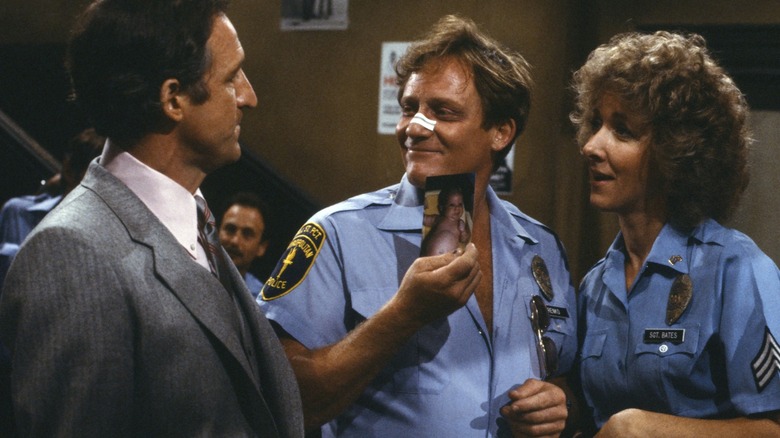
When it comes to the police procedural genre, there is arguably no other show as influential as "Hill Street Blues." By shifting the focus away from detectives and cops to making the police station the dramatic centerpiece — as well as incorporating the ensemble formula associated with sitcoms into the procedural — "Hill Street Blues" changed the landscape for police dramas.
It has the acclaim and the influence, but what makes the series truly hold up and continuously age well is that it conforms to today's tastes. The ensemble structure that made "The Sopranos" so beloved and institutional focus that makes "The Wire" one of the most complex series ever written is very much present in "Hill Street Blues." New viewers will enjoy the series not just because it is similar to contemporary behemoths; the DNA of "Hill Street Blues" flows within this century's best and most beloved shows.