

5 Animated Shows That Are As Good As Any Network Drama
Acclaimed director Guillermo del Toro said "animation is a medium, not a genre" — yet animation has had to fight for the respect and legitimacy it deserves (via X). Cartoons are not automatically for kids: There are plenty of animated shows that are just as good as (if not better than) prestigious live-action network dramas. On the flip side, some kids cartoons are a lot more sophisticated than people might assume and are worthy of being compared to so-called "serious" TV.
These are five of the best animated shows that provide as much character development, drama, and intrigue as any network drama. From dark comedies to beloved fantasy epics, complex superhero sagas, and comic strip adaptations, the past few decades have shown just what animation is capable of on the small screen.
Only Western cartoons were evaluated for this list. There are countless anime series that would otherwise qualify (if you're interested, here are the anime series TVLine considers essential viewing). Also, because this is a list of shows that are as good as network dramas, animated series that air or aired on one of the big networks are excluded, too. Otherwise "King of the Hill" would've been included, I tell you hwat.
Avatar: The Last Airbender
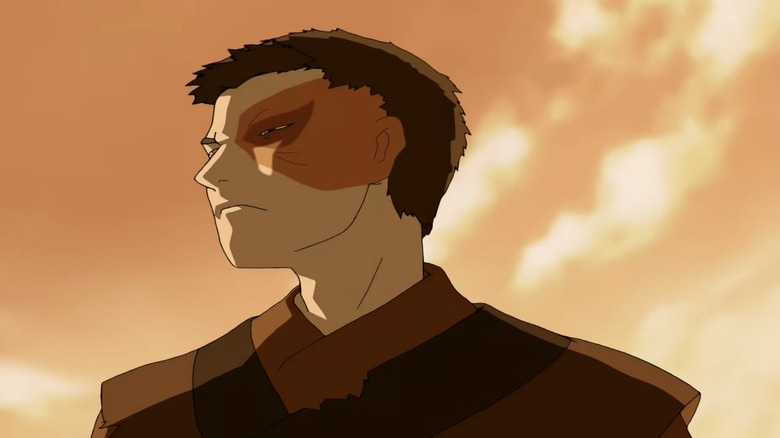
"Avatar: The Last Airbender" is a 2005 anime-inspired series created by Bryan Konietzko and Michael Dante DiMartino, and it's one of the best modern fantasy epics. The children's show aired on Nickelodeon, but that in no way diminishes just how accomplished its storytelling was. The three-season saga tells the story of 12-year-old Aang, the long-lost Avatar who can command all four elements and, together with his friends, is the only hope of restoring peace to a war-torn land.
Though "Avatar: The Last Airbender" boasted incredible world-building, exciting action, and some big ideas, it was the characters who really made it a masterpiece. Zuko, the exiled heir to the militaristic Fire Nation, begins as Aang's archenemy, but over the course of the show he transforms as the audience learns more about what drives his character and he learns about himself. Some of the best "Avatar" episodes center Zuko and the other "bad guys." Zuko has an incredibly effective and nuanced character arc, and the rest of the main cast are just as well-drawn and memorable.
"Avatar: The Last Airbender" launched a franchise, and the first sequel, "The Legend of Korra," is perhaps even more ambitious and accomplished. Still, one has to credit the original show for forging a new path and launching such a magical fantasy world in all its wonder.
The Boondocks
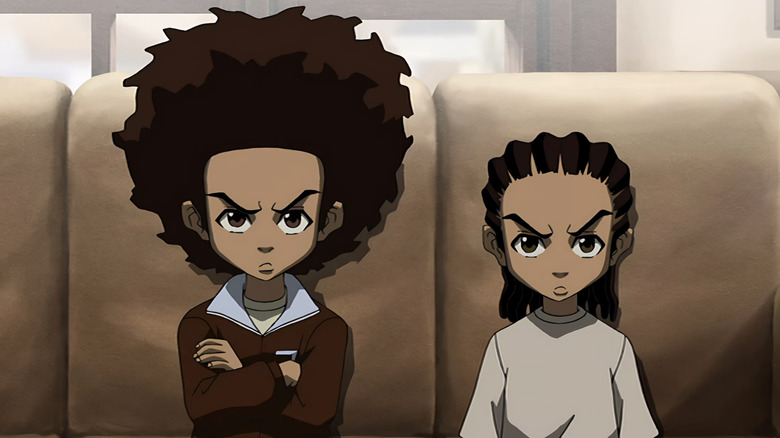
"Excuse me, everyone, I have a brief announcement to make: Jesus was black, Ronald Reagan was the devil, and the government is lying about 9/11. Thank you for your time and good night." — Huey Freeman
So began "The Boondocks," Adult Swim's 2005 adaptation of Aaron McGruder's comic strip of the same name. With anime-inspired visuals and a distinct point of view, "The Boondocks" was as provocative as it was hilarious. Following Huey Freeman, a wise and cynical kid who lives in a mostly white suburb with his brother Riley (both voiced by Regina King) and their Granddad, "The Boondocks" tackled social and political issues.
The nuances of Black identity in America, celebrity culture, and the government's response to Hurricane Katrina were just some of the topics "The Boondocks" explored. Few other shows could wield a distinct voice like a katana to tell truths — even hard or controversial ones — with humor as skillfully as "The Boondocks" did.
Moral Orel
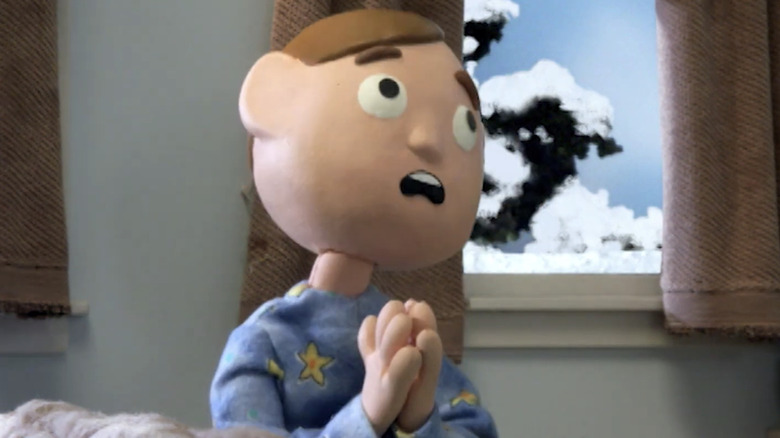
Like many of the shows on this list, Adult Swim's "Moral Orel" started out a much simpler show than it would become. Created by Dino Stamatopoulos, the stop-motion series premiered in 2005 and its first season was largely a cheeky parody of religion and "traditional" American values. Orel Puppington was a sweet, God-fearing, naive boy in the city of Moralton, and his efforts to be a good American Christian went astray for comical, outlandish reasons.
By the second season, "Moral Orel" had become more of a character study that didn't set out to simply mock religion but to actually unpack and even empathize with the various broken characters in the show. Even seemingly one-dimensional gag characters like Orel's deeply repressed alcoholic father, the sexually frustrated town priest, or the dumb blond school nurse, are revealed to be worthy of some sort of sympathy.
"Moral Orel" got dark — really, really dark. Season 3 opens with a needledrop of The Mountain Goats' "No Children" and the agonizing emotion of the song is played totally straight. In an interview with Vice, Stamatopoulos recalled former Adult Swim head Mike Lazzo pointing out that there was only one joke in the episode. His response was: "Well, tell me where the joke is and I'll take it out." Adult Swim canceled "Moral Orel" midway through the season, but its legacy lives on in shows like "BoJack Horseman" and "Rick and Morty," which are other animated comedies that aren't afraid to unflinchingly and earnestly tackle hard subjects.
The Venture Bros.
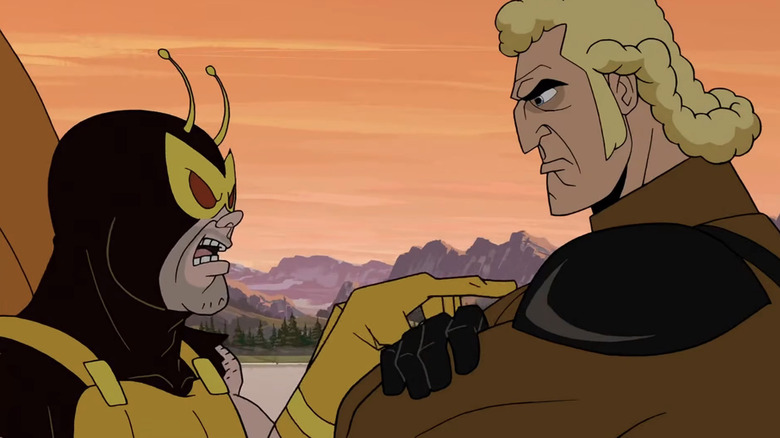
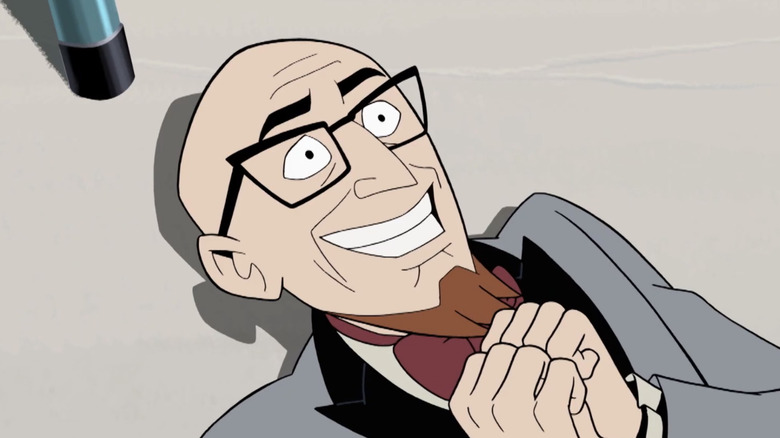
To say "The Venture Bros." began simply enough would be something of a lie, because the Adult Swim series (which we rank as one of the best) was jam-packed with genre parodies and pastiches from its first episode back in 2003. The lore was deep from the jump, but "The Venture Bros." evolved into something much greater over the course of its seven-season, 20-year run. Created by Christopher McCulloch (under the pseudonym Jackson Publick) and Doc Hammer, "The Venture Bros." followed Dr. Thaddeus "Rusty" Venture, a scientist who, in his youth, had been a boy adventurer like Johnny Quest.
Now grown up with two dimwitted teenage children of his own, Rusty is a failure. Everybody in the show is a failure on some level, and "The Venture Bros." found great geeky comedy in spoofing pulp adventures, superheroes, and sci-fi tropes with a bunch of losers in both protagonist and antagonist roles. But something happened as the series continued and its ever-expanding, interconnected web of characters and backstory grew. The characters were failures, but they became something more, too.
There aren't many shows, animated or live-action, that can boast the kind of profound character development that "The Venture Bros." excelled at. For instance, one character, Henchman 21, begins as the portly half of a comic relief duo and grows to become a three-dimensional figure with hopes and dreams — some of which he accomplishes! (And he remains very funny in a clever, nerdy way). "Failure is one of the things that we think is funny, inevitable, and absolutely beautiful," Hammer said in an interview with Chapo Trap House. "But so [are] tiny successes."
Young Justice
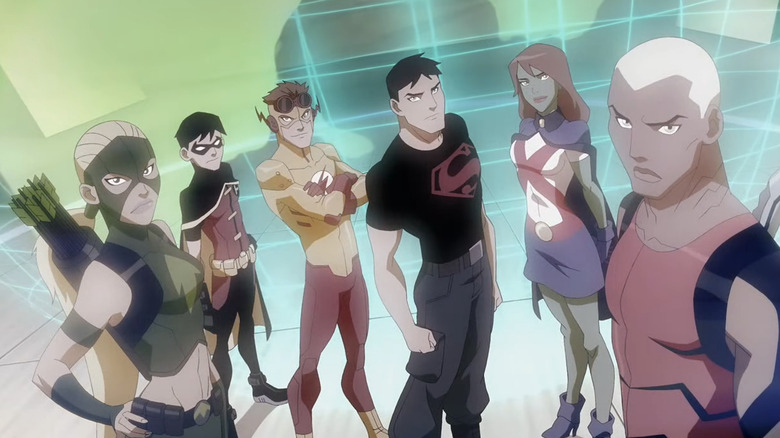
The DC Animated Universe, which began with "Batman: The Animated Series" and ended with "Justice League: Unlimited," was a masterpiece of superhero storytelling. You'd be forgiven, then, for thinking that one of the next attempts to adapt DC superheroes in a show set in a new continuity couldn't possibly live up to the DCAU. And yet, "Young Justice" might just be one of the most accomplished and ambitious superhero adaptations ever — we ranked it as one of the best superhero TV shows of all time.
Created by Brandon Vietti, Greg Weisman, and John Broome, "Young Justice" originally aired on Cartoon Network in 2010 and wrapped up on HBO Max in 2022. At first glance, the show may seem like a "Justice League Jr.," but as the seasons continue, "Young Justice" proves to be quite mature. Ongoing serialized storytelling meant the heroes were facing big, complex threats, but it was the characters and how they changed that really mattered.
"Time is important to the show, specifically the passage of time," Weisman told ScreenRant. "In animated shows, if a character like Dick Grayson is 13 years old in Season 1, he may be 13 years old for 10 years. ... But for us, Dick started at age 13 and now he's 24. That, to us, was intrinsic to the show. This idea of the reality of time passing and people aging, but in particular, growing not just older, but growing as people."