

10 Forgotten '80s Sitcoms That Are Still Worth Watching Today
"Cheers." "Golden Girls." "Family Ties." We're not gonna talk about any of these shows.
After all, you already know about the greatest and most famous TV comedies of the 1980s. But that decade, not just in the big networks but with the explosion of cultural forces like MTV and premium cable, is rife with underrated shows that deserve our attention. As our popular history filters out many of these programs from the collective unconscious, it's important to stop the process and highlight some hidden gems.
Some of these are traditional sitcoms that still offer timeless, if slightly quaint, charms. Many of these were ahead of their time, pushing the envelope in terms of content, form, or both. So, television traveler, let's explore 10 forgotten '80s sitcoms that are still worth watching today. And if you wanna wash it down with any other forgotten relics from that era — a can of New Coke, say — more power to you.
Annie McGuire
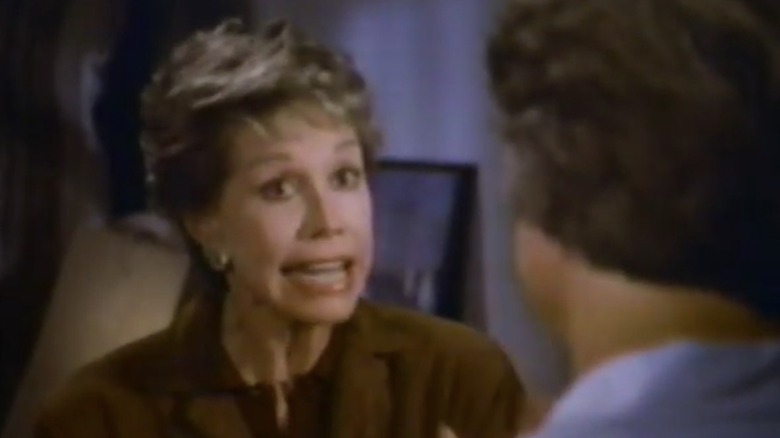
Mary Tyler Moore is obviously a TV comedy icon, with starring roles in both "The Dick Van Dyke Show" and "The Mary Tyler Moore Show" cementing her legacy of charm, wit, and versatility. But among her CV lies a fascinating, even experimental sitcom that CBS had no idea what to do with.
Airing for one incomplete season in 1988, "Annie McGuire" stars Moore as the title role, a political consultant who recently remarried an engineer (Denis Arndt) and must deal with the complications that come with a blended family of strong-willed and opinionated individuals.
With a sharper, more serious-minded tone than its peers, "Annie McGuire" was also ahead of its time in terms of filmmaking form and style. At Moore's insistence, the show used a single-camera setup with no laugh track, which Moore believed helped her "find humor in facial expressions that mirror my thoughts, that are new to me. I'm doing some of my best work." Check out the show, and you might be inclined to agree.
Brothers
Created by TV vet David Lloyd, who wrote for, among other shows, "The Mary Tyler Moore Show," "Brothers" aired on the still-nascent Showtime network from 1984 through 1989. Lloyd took advantage of the pay-cable format, exploring themes still considered a little too edgy for network TV, including an openly gay lead character.
That character is Cliff (Paul Regina), who runs away from his wedding in the pilot episode, instead coming out as gay to his brothers Lou (Brandon Maggart) and Joe (Robert Walden). While Joe responds with acceptance and empathy, the more misguided Lou thinks it might just be a phase, and tries to help "cure" Cliff of his homosexuality.
As the show moves on, these relationships deepen, and the depiction of gay issues feels refreshingly frank and open-minded, especially for the time it was produced. "Brothers" is a quietly important sitcom not just for LGBTQ representation but for the idea that premium cable is a great spot for more mature, out-of-the-ordinary content. As Walden put it, "There are fewer cooks in the kitchen, and the writers have more freedom... You're reaching a higher common denominator."
Domestic Life
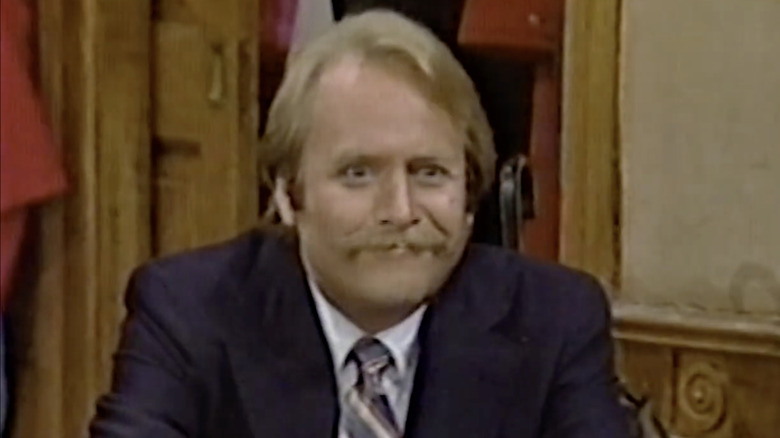
An underseen, one-season CBS gem from the dynamic, name-sharing duo of Steve Martin and Martin Mull, "Domestic Life," which aired in 1984, was ahead of its time. Specifically, ahead of the more successful series "Frasier," which shares enough eerie similarities to "Domestic Life" that you'd wonder if Kelsey Grammer was watching every otherwise low-rated episode, scribbling furious notes.
Co-created by Martin, Mull, and TV comedy veterans Howard Gewirtz and Ian Praiser (pretty close to "Frasier"!), the show stars Mull as Martin Crane (the name of Frasier's dad!) as a Seattle-based media commentator (oh c'mon!). Martin's TV segment is called "Domestic Life," featuring him delivering monologues to camera like Andy Rooney from "60 Minutes." Of course, his monologues are often in contrast to the chaos of his family life with wife Candy (Judith-Marie Bergan), daughter Didi (Megan Follows), and son Harold (Christian Brackett-Zika).
"Frasier" coincidences notwithstanding, "Domestic Life" is a worthy watch for any fans of Mull's many iconic supporting turns (like "Arrested Development," of which he only appeared in six episodes) who want to see the crumpled yet confident comedian take center stage. Its tone, as led by Mull, is pricklier than most family sitcoms of its era (and of, let's just say it, "Frasier"), giving it a welcome sense of authenticity and edge.
Frank's Place
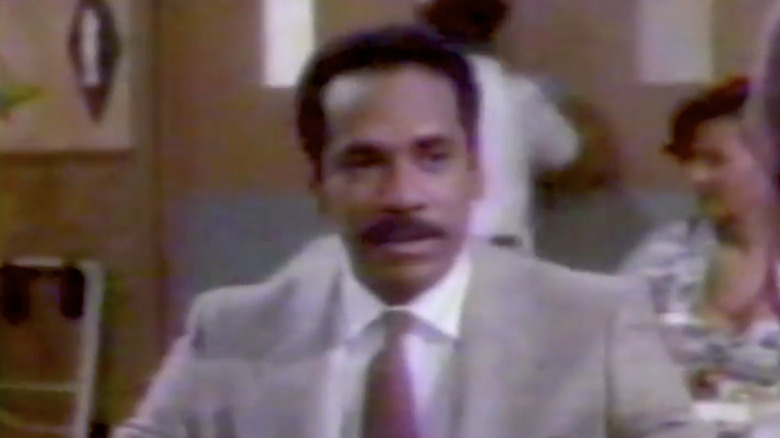
Warm, complicated, and engaged with the human issues of its time, "Frank's Place" is a CBS dramedy well worth spending time in. Hugh Wilson, creator of the great "WKRP in Cincinnati," reunited with Tim Reid, to deliver a complicated, single-camera piece of television missing a laugh track but full of relatable characters and gentle pathos.
Reid plays Frank Parrish, a Boston-based professor who moves to New Orleans to run an inherited restaurant, Chez Louisiane. Here, Frank runs into cultural differences with the locals, especially the restaurant's owner, the wonderfully named Big Arthur (Tony Burton). But he also learns an awful lot about his familial culture, the regional divides between certain Black Americans, and the class struggles faced by anyone below a certain income line.
Airing for just one season from 1987 through 1988, "Frank's Place" is a revealing work, combining hard jokes with well-observed performances to tug at the viewer's heartstrings. It was like nothing else on TV in the '80s, and it still beats many TV shows today.
Love, Sidney
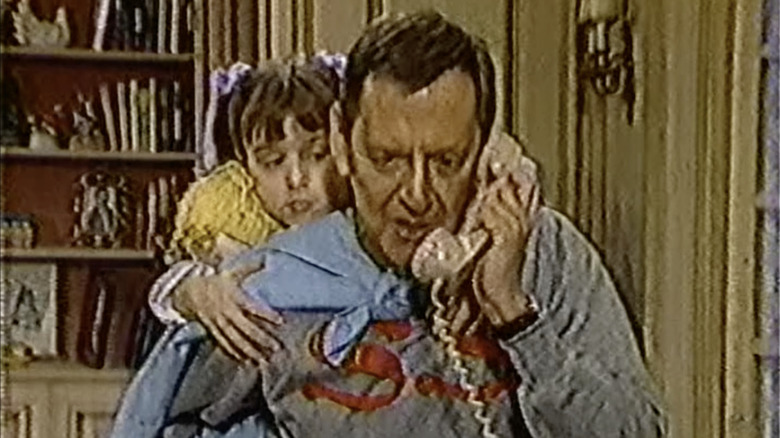
Another important but largely forgotten piece of LGBTQ media history, "Love, Sidney" stars Tony Randall as the title character, a curmudgeonly but open-hearted illustrator who happens to be gay.
His story began in the 1981 made-for-TV movie "Sidney Shorr: A Girl's Best Friend," which gave writer Oliver Hailey a great set of tracks to generate two seasons of sitcom material for NBC from 1981 through 1983. However, you don't need to watch that to love "Love, Sidney," a series with good humor, wonderful performances, and sentiment without schmaltz (well, maybe a little schmaltz; it was the '80s, after all).
Sidney shares his New York City apartment with single mom Laurie Morgan (Swoosie Kurtz) and her daughter Patti (Kaleena Kiff). While Sidney and Laurie deal with the sometimes-brittle circumstances in their adult lives, the warm relationship between Patti and Sidney is where the show finds its cozy familial footing. If you wanted a cross between "Will & Grace" and "Full House," look no further.
No Soap, Radio
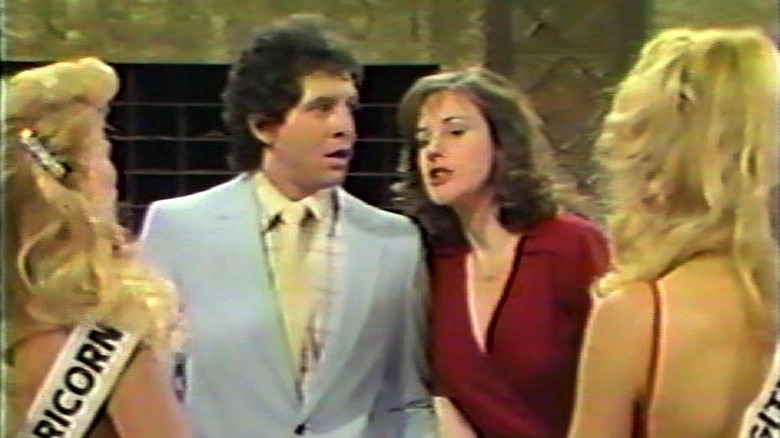
First, a little context. The title "No Soap, Radio" comes from the punchline to an anti-joke, where the comedy isn't from the sudden realization of what the phrase "no soap, radio" means in relation to the setup, but from the gradual realization that it has nothing to do with the setup at all. You laugh at the futility of the joke itself. It's heady but intoxicating stuff, and it gives one a good starting place to appreciate the sitcom of the same name.
Airing on ABC for just one season in 1982, "No Soap, Radio" shares the anti-joke's sense of rebellious energy, also blending influences like "Monty Python's Flying Circus" into its creative orbit. There is ostensibly a plot involving the staff of the Atlantic City-based Pelican Hotel, centered on Steve Guttenberg as the kindly manager.
But the engine of Merrill Grant's show was sheer comedy; it would throw away any semblance of reality or continuity for the sake of a joke (or anti-joke). It makes for a radical watch, the kind of lightning-in-a-bottle not necessarily recaptured since the Adult Swim era. Give it a watch and hold on tight.
Oh Madeline
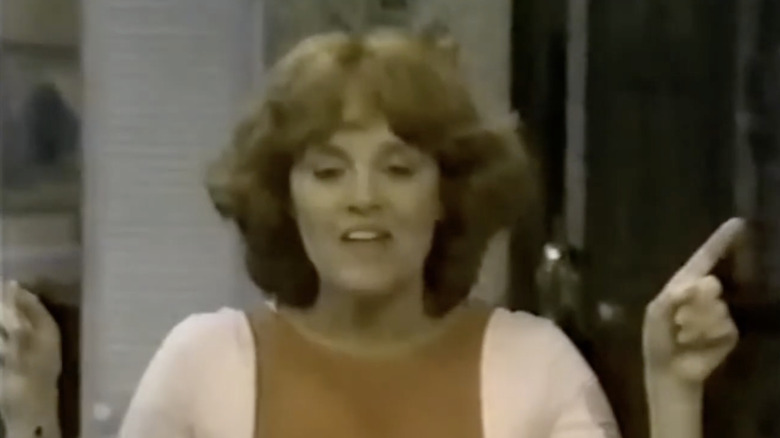
Madeline Kahn made a comedic name for herself with her iconic, borderline vaudevillian turns in films like "Blazing Saddles" and "Clue." But even her most ardent fans might not remember her one-season, 1983-1984 sitcom, "Oh Madeline." It deserves a second consideration.
Kahn plays Madeline Wayne, a bored housewife to a romance author (James Sloyan). Her boredom and alienation lead to action in the form of hobbies and misadventures that run the gamut from all-male strip clubs to commentating on wrestling matches. Can any of these thrills fill the suburban ennui in her heart?
The show's format, adapted from the British series "Pig in the Middle," is the perfect engine for Kahn's performance style. With each episode centered on a new, wild base reality to try, Kahn blusters through with highly physical comedy, calibrated to perfection and earning belly laughs along the way. For any TV comedy fans tired of the highly serialized dramedies we get today, the broad, episodic charms of "Oh Madeline" will be the perfect antidote.
Police Squad!
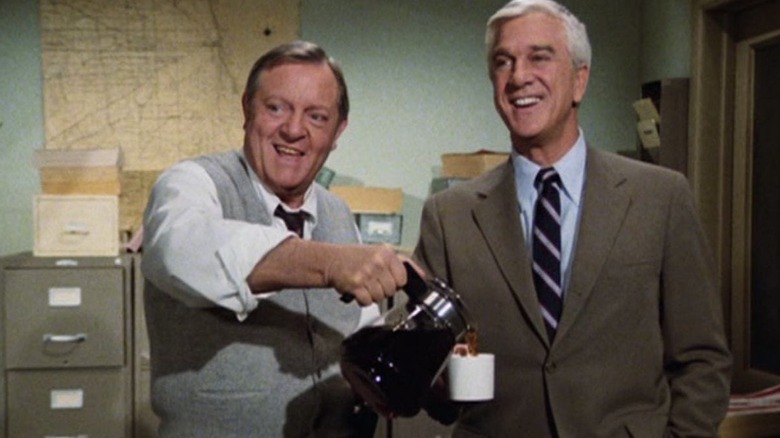
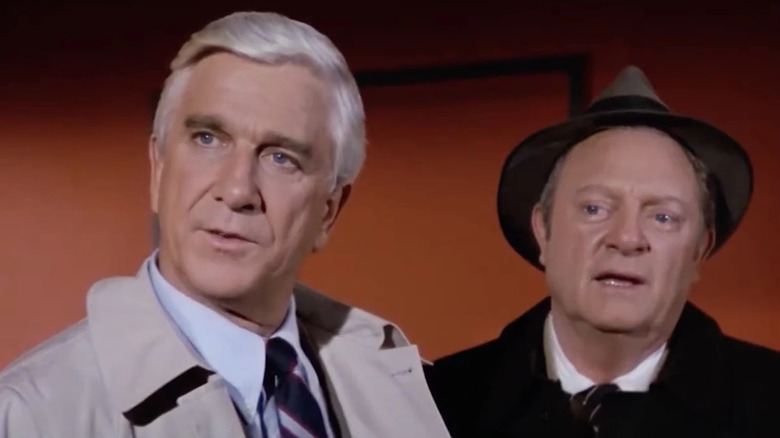
You likely know "The Naked Gun" franchise, starring Leslie Nielsen (and now Liam Neeson) as Frank Drebin, a hapless police detective stumbling his way through cases at a joke-per-second rate that's nearly impossible to calculate. But you may not know its origins as a similarly hilarious, though more deadpan, sitcom.
"Police Squad!" aired on ABC in 1982 for just six episodes, but these six episodes pack more laugh-out-loud jokes than some entire series. Nielsen originated the role of Drebin here, giving the character the requisite amount of Joe Friday-esque gravitas. Creators David Zucker, Jim Abrahams, and Jerry Zucker (who previously worked with Nielsen on "Airplane!") understand that this level of straightness is exactly what the show needs for its daffy, off-the-wall sense of humor to stay grounded.
As such, if someone were to walk by an episode on mute, they might be confused that it's an earnest police drama (unless they see one of its many visual gags). There's a lack of mugging in the performances and ample visual verisimilitude in the photography. It's like the Tasmanian Devil tried to sneak his way through "Hill Street Blues," and it will make you cry laughing.
Sledge Hammer!
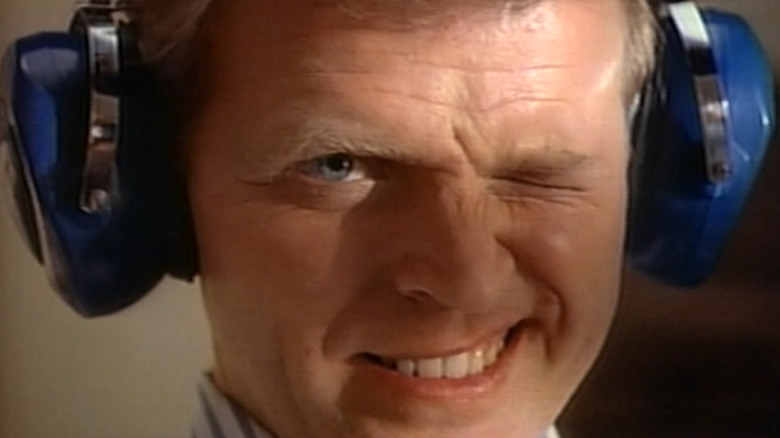
Another goofy police procedural comedy with an exclamation point in the title, "Sledge Hammer!" is nonetheless a different beast from "Police Squad!" Whereas the latter show cuts its satiric teeth on buttoned-up, by-the-book procedurals like "Dragnet," "Sledge Hammer!" lampoons the burgeoning "renegade detective" genre seen in films like "Dirty Harry" and shows like "Kojak."
David Rasche plays the title character, and if you're already laughing at the idea that a person's name is Sledge Hammer, this is really the show for you. Rasche's Inspector Hammer exaggerates all the parts of the noir-flavored copper into a cartoonish caricature. He's the kind of guy whose closest relationship is with his gun. Like, literally, he sleeps with and talks to his gun as if it were a loved one. Once again, if you're already laughing, start watching.
Over two seasons from 1986 through 1988, "Sledge Hammer!" delivered bombastic pieces of comedy with an ensemble cast more than game to vibe in its absurd playground. Its go-for-broke approach will cut through any contemporary noise.
Steambath
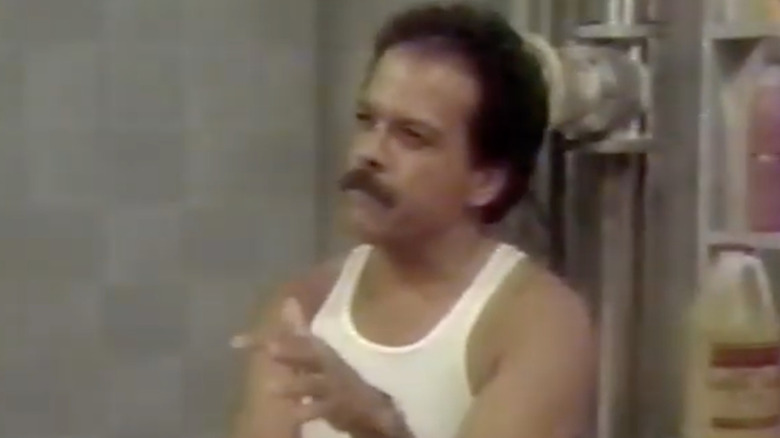
In 1984, Showtime executives commissioned an adaptation of an off-Broadway play about dead characters hanging out in a kind of purgatorial steam bath. Yes, you read that correctly. That is literally the plot of "Steambath."
The Showtime series takes place in a supernatural steam bath full of newly deceased characters, all watched under the quirky eyes of Morty (José Pérez), who is effectively God. While some standard sitcom conventions remain, including the laugh track, "Steambath" is far more philosophical and existential, not to mention its unprecedented inclusion of profanity and nudity.
With only six episodes under its belt, it's not difficult to see how "Steambath" has flown under the radar for so long. The series might not be an unqualified success in modern eyes, or go down as one of Showtime's best shows, but it's still worth experiencing, especially for fans of shows like "The Good Place."